EVERY SECOND COUNTS
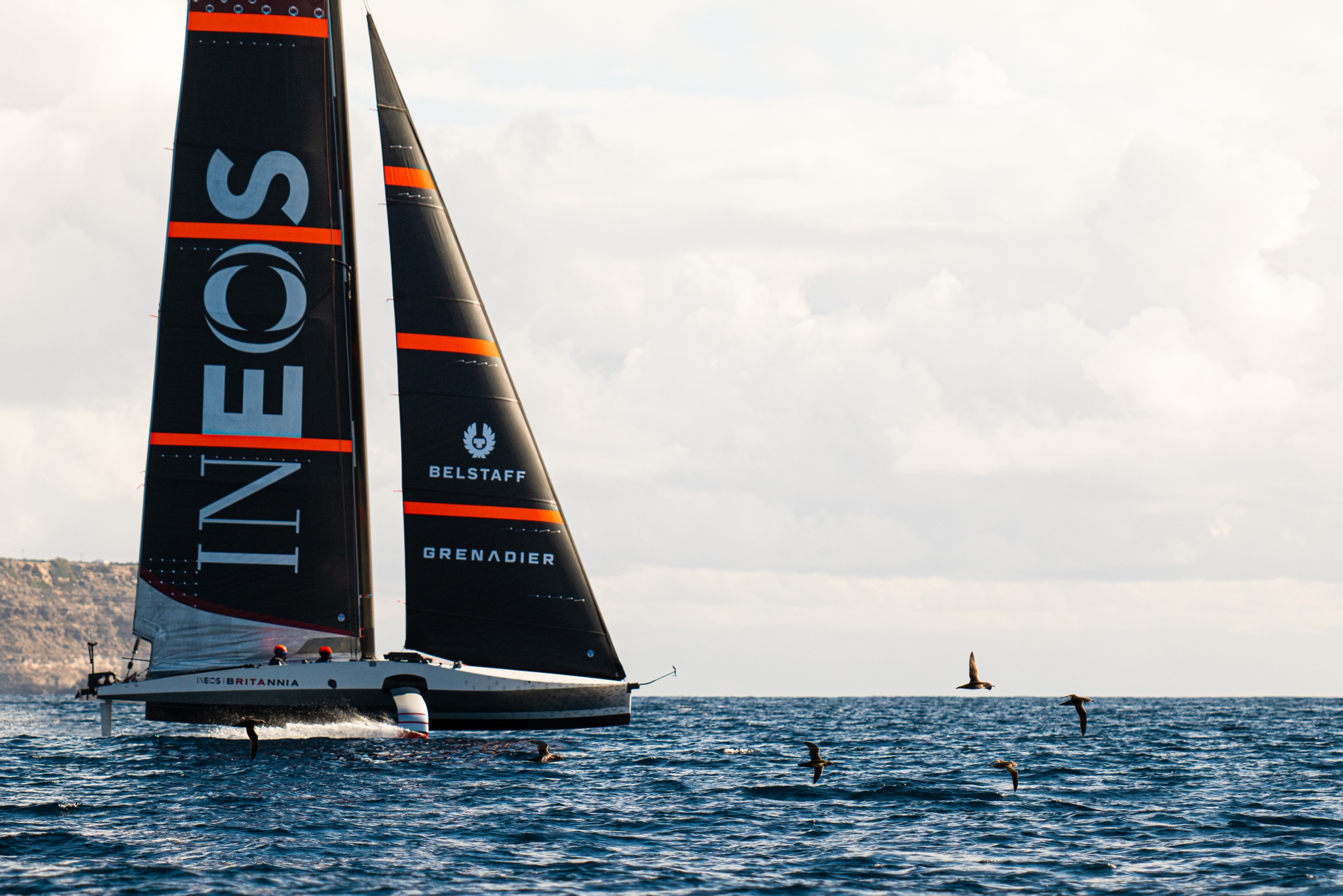
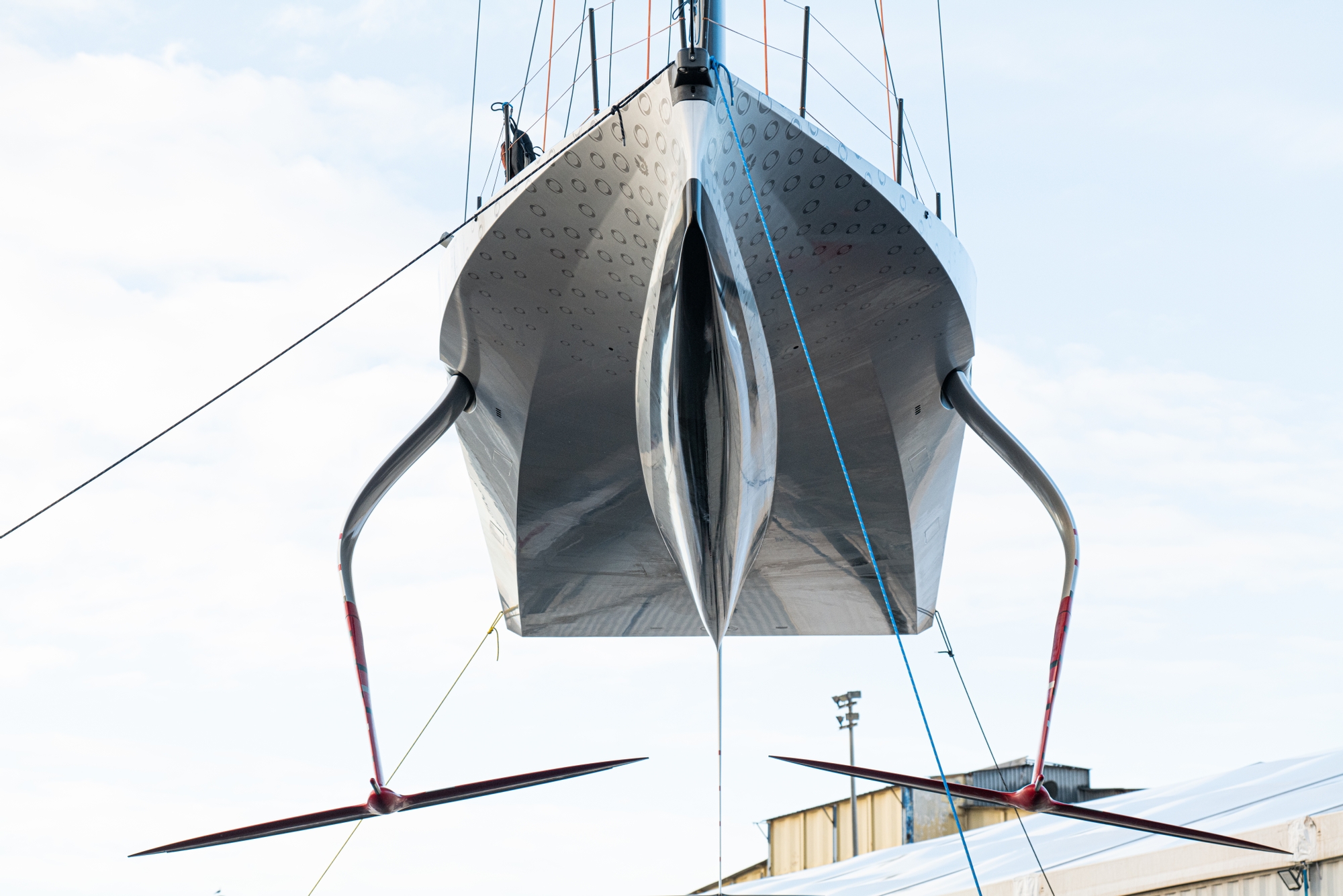
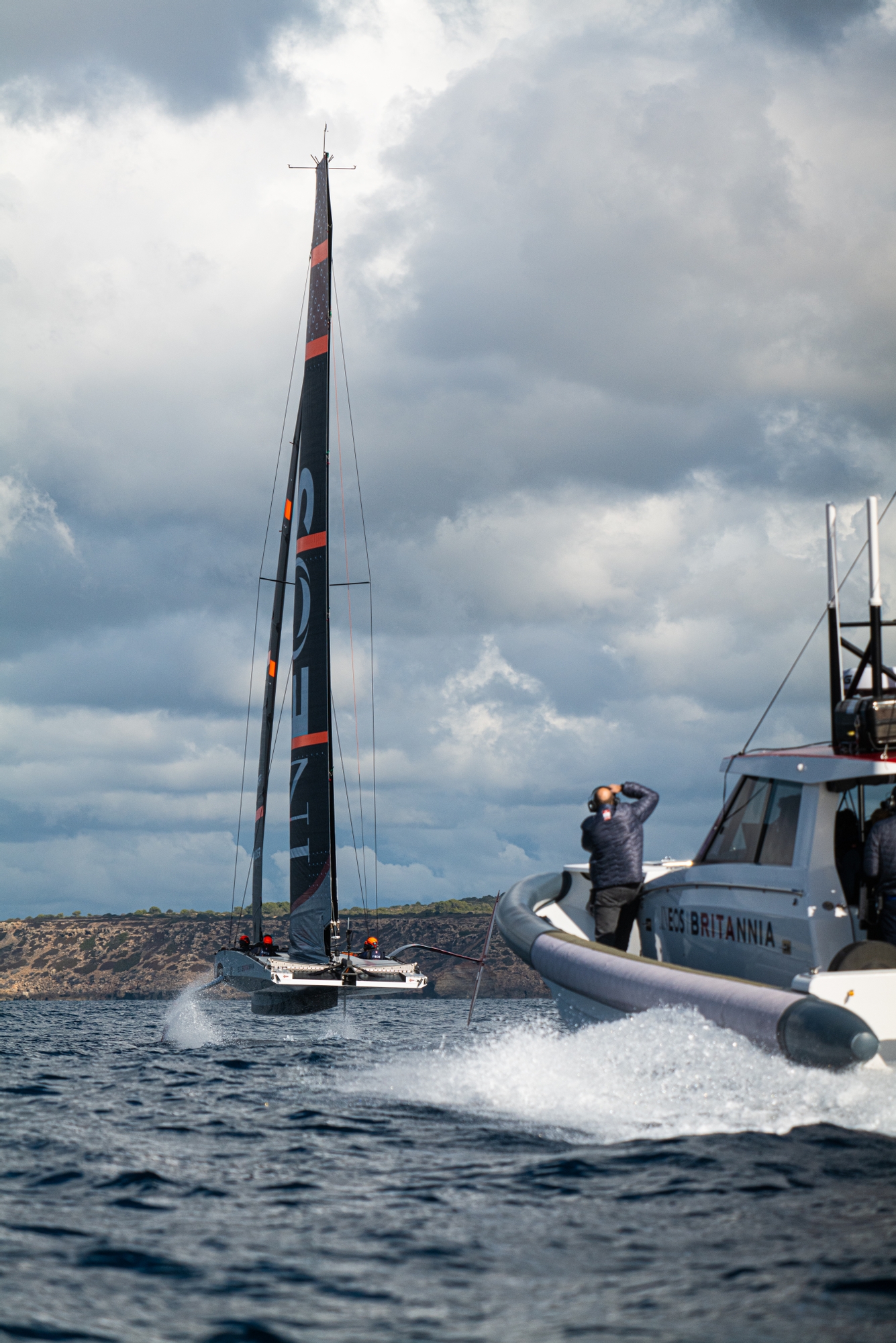
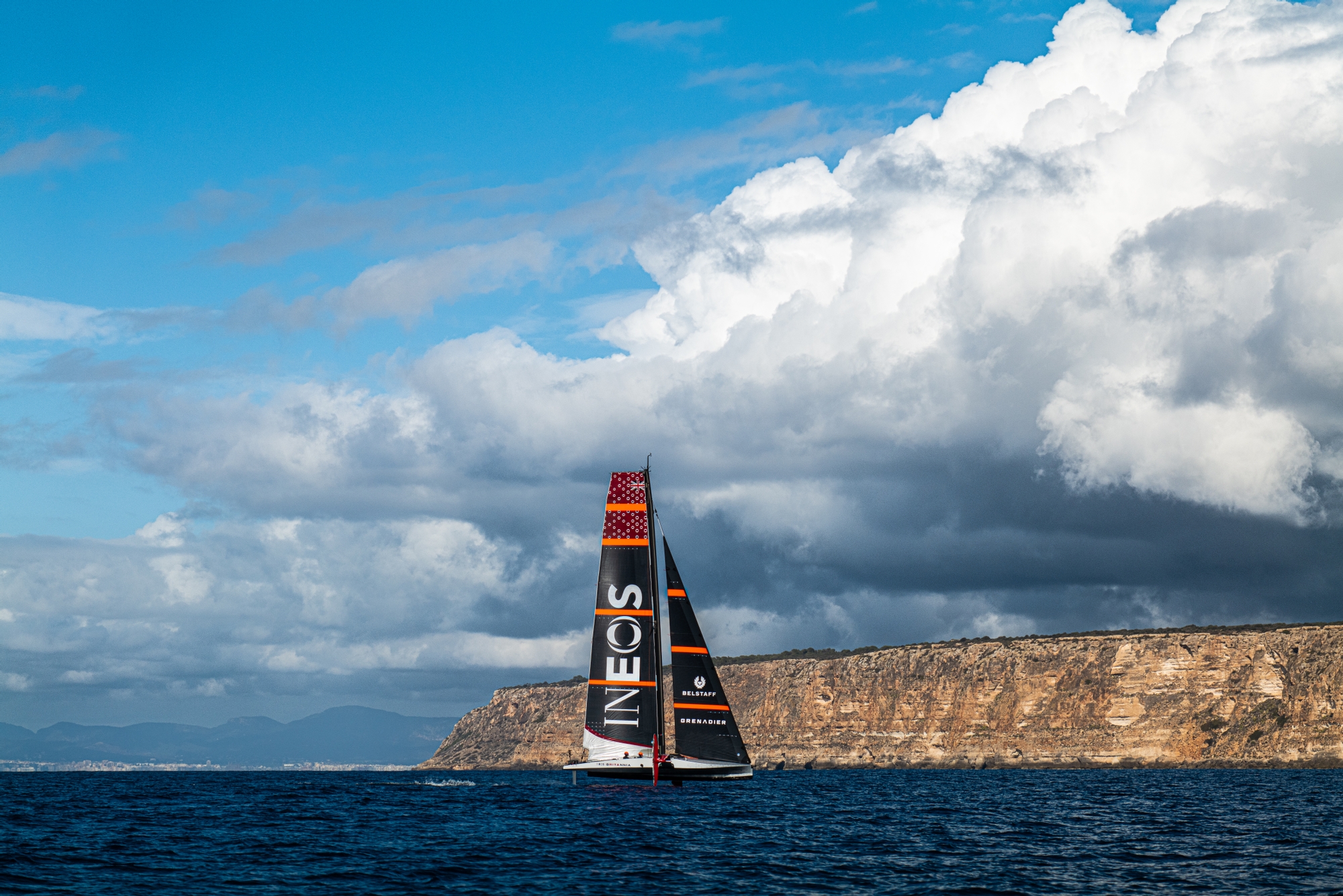
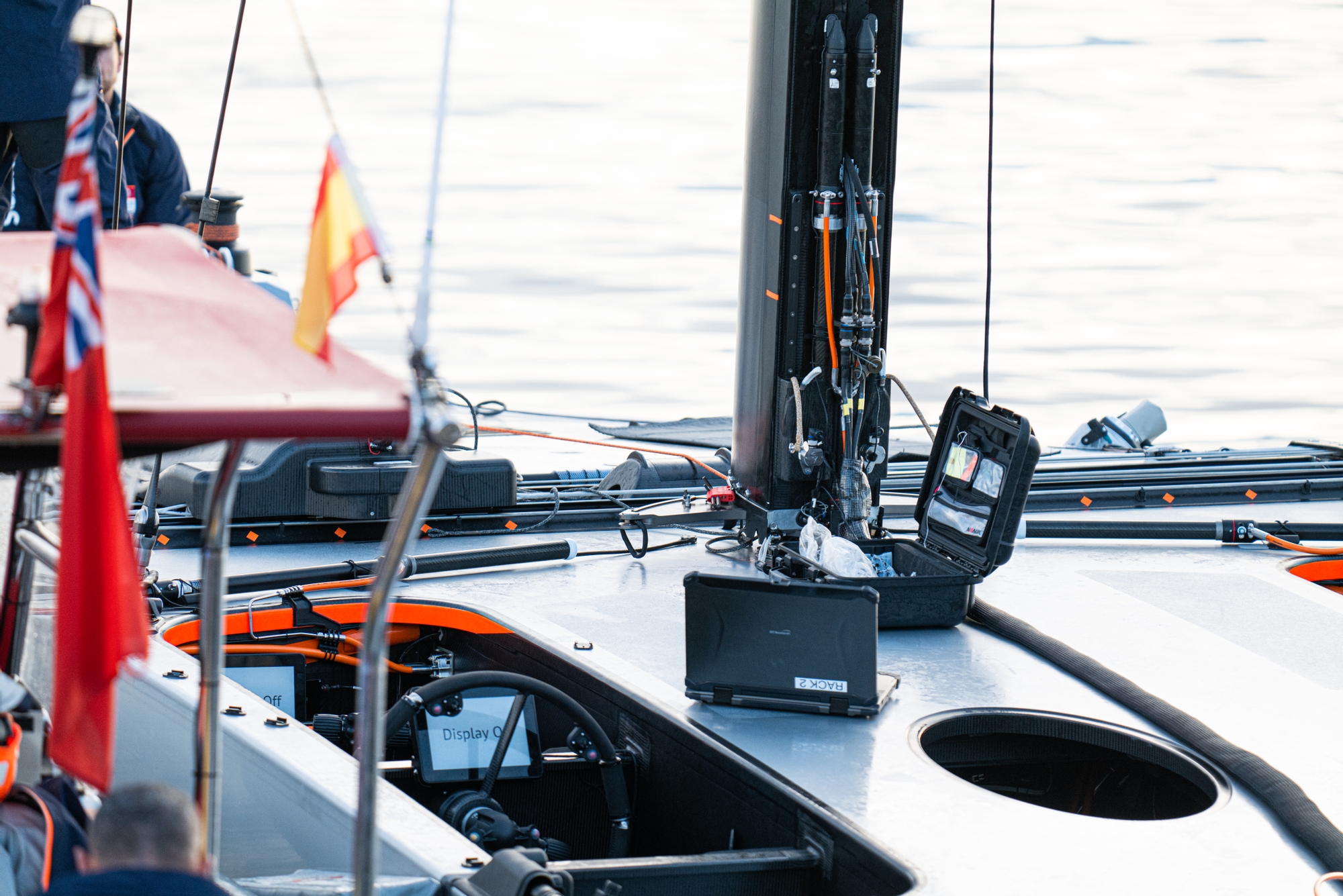
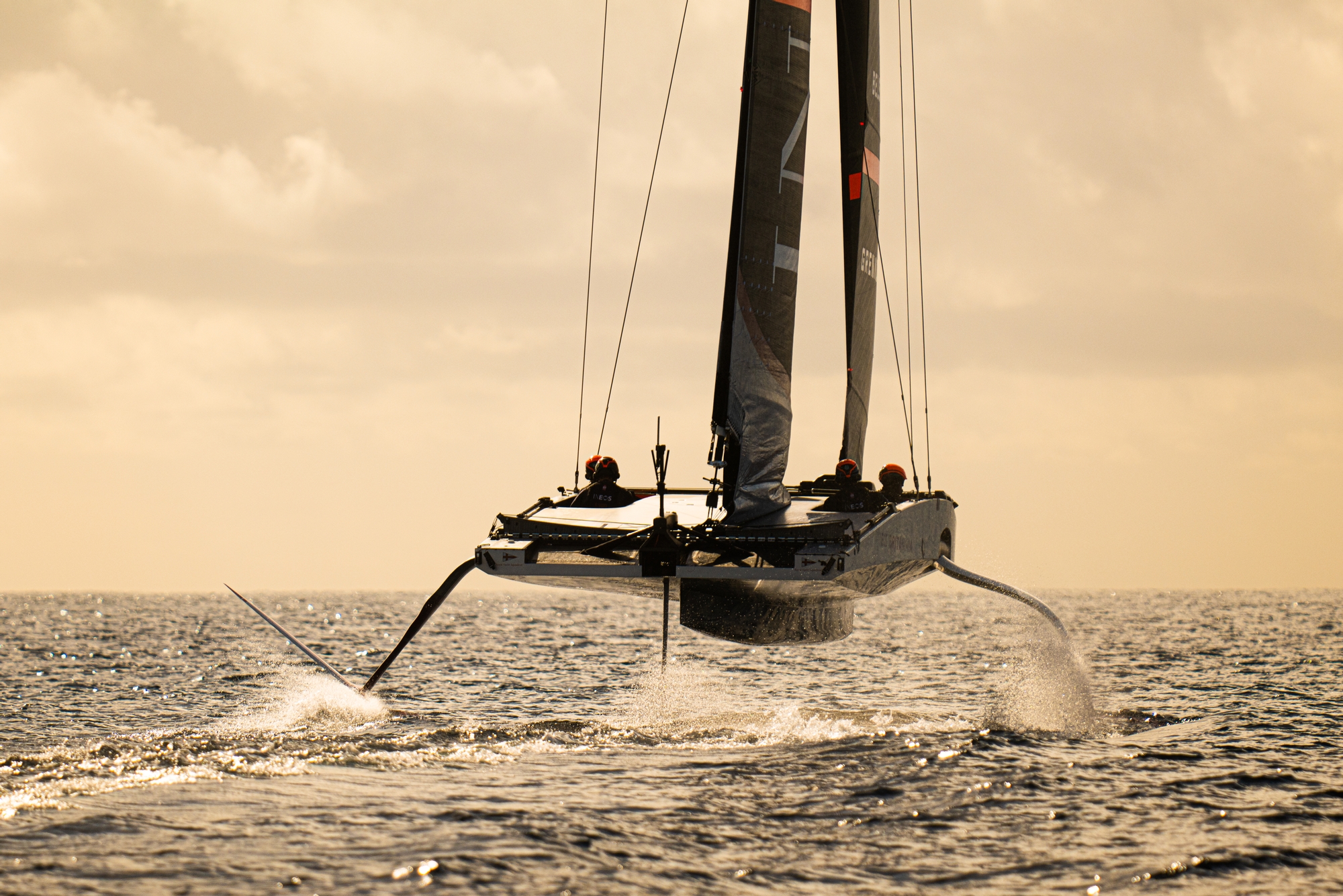
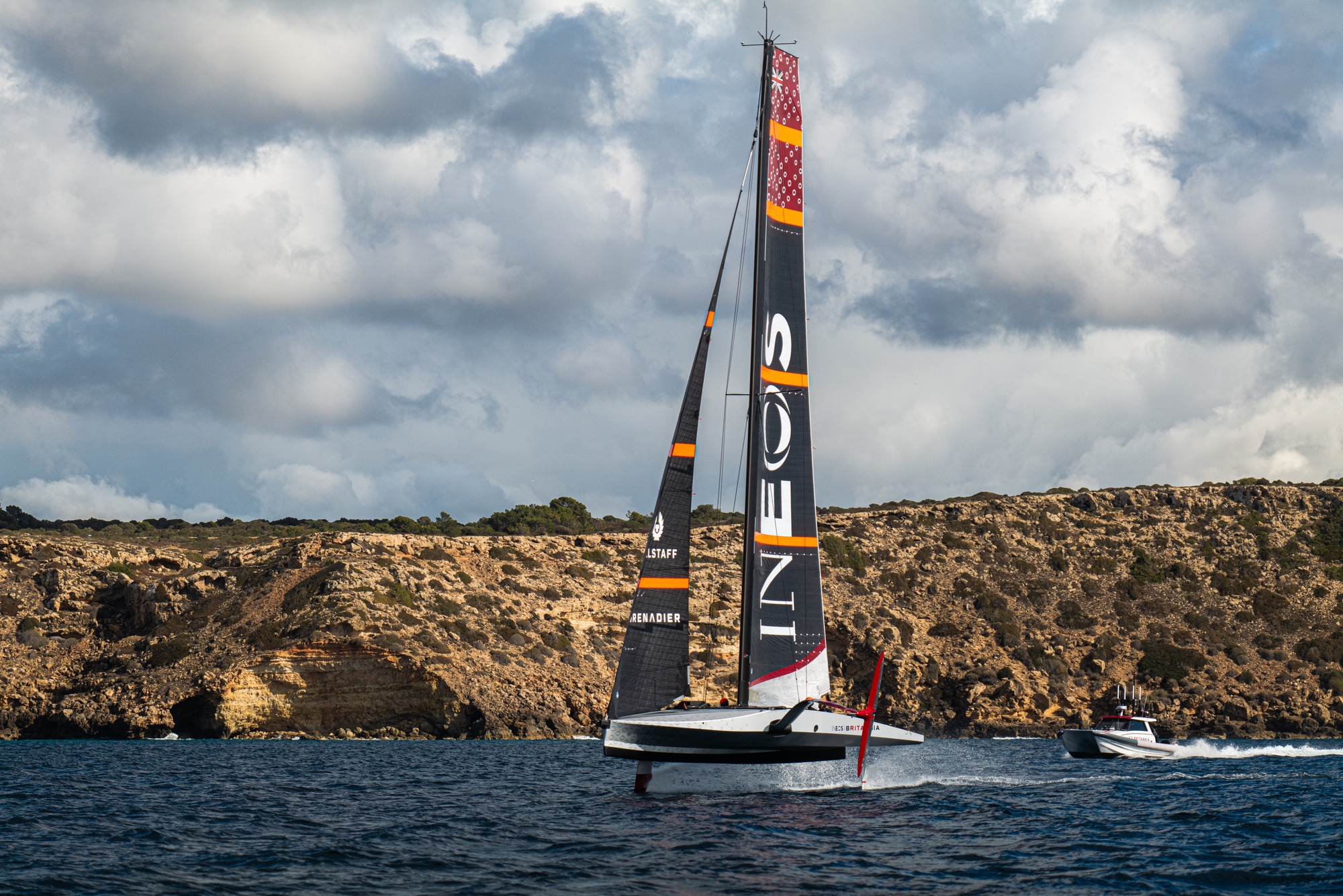
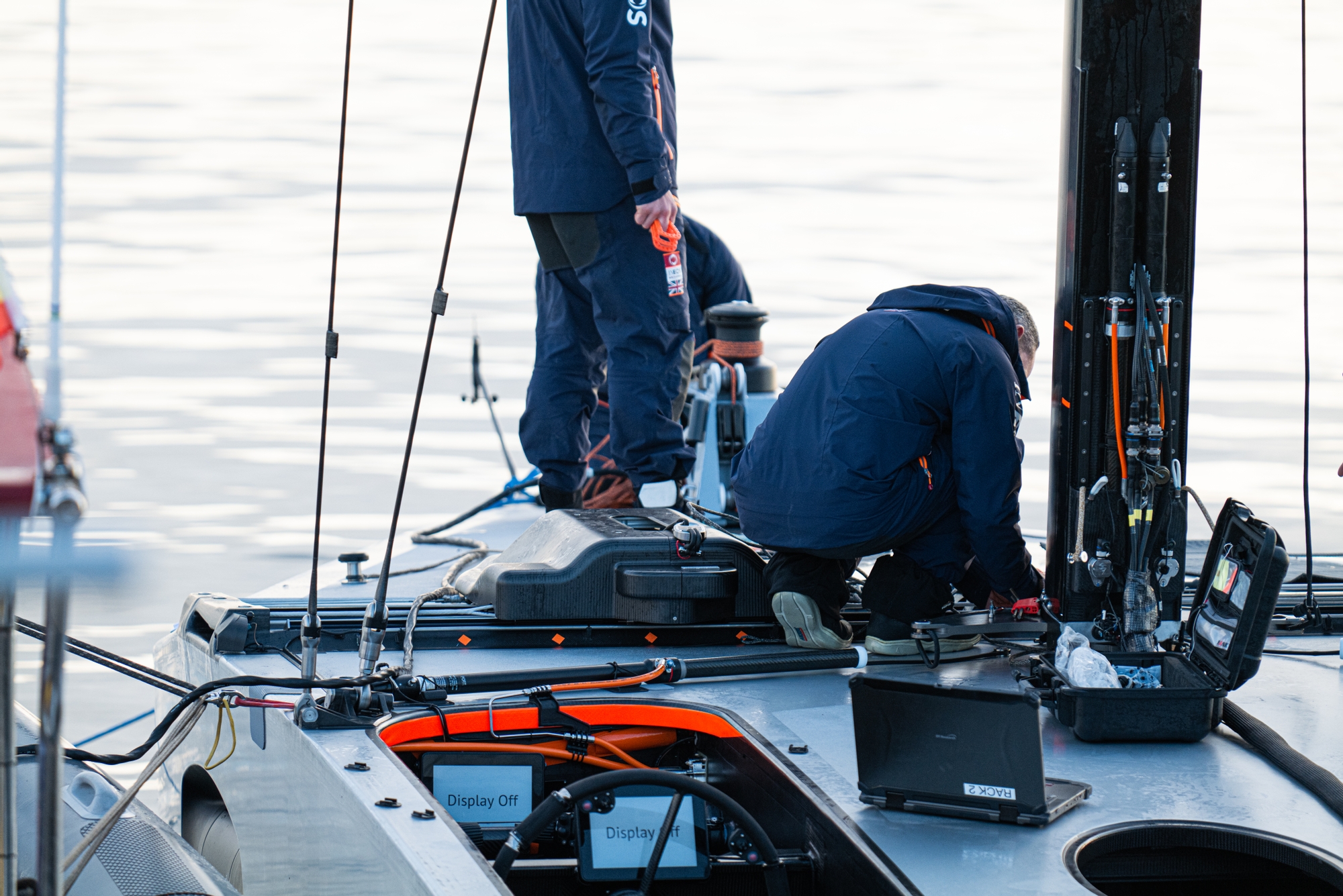
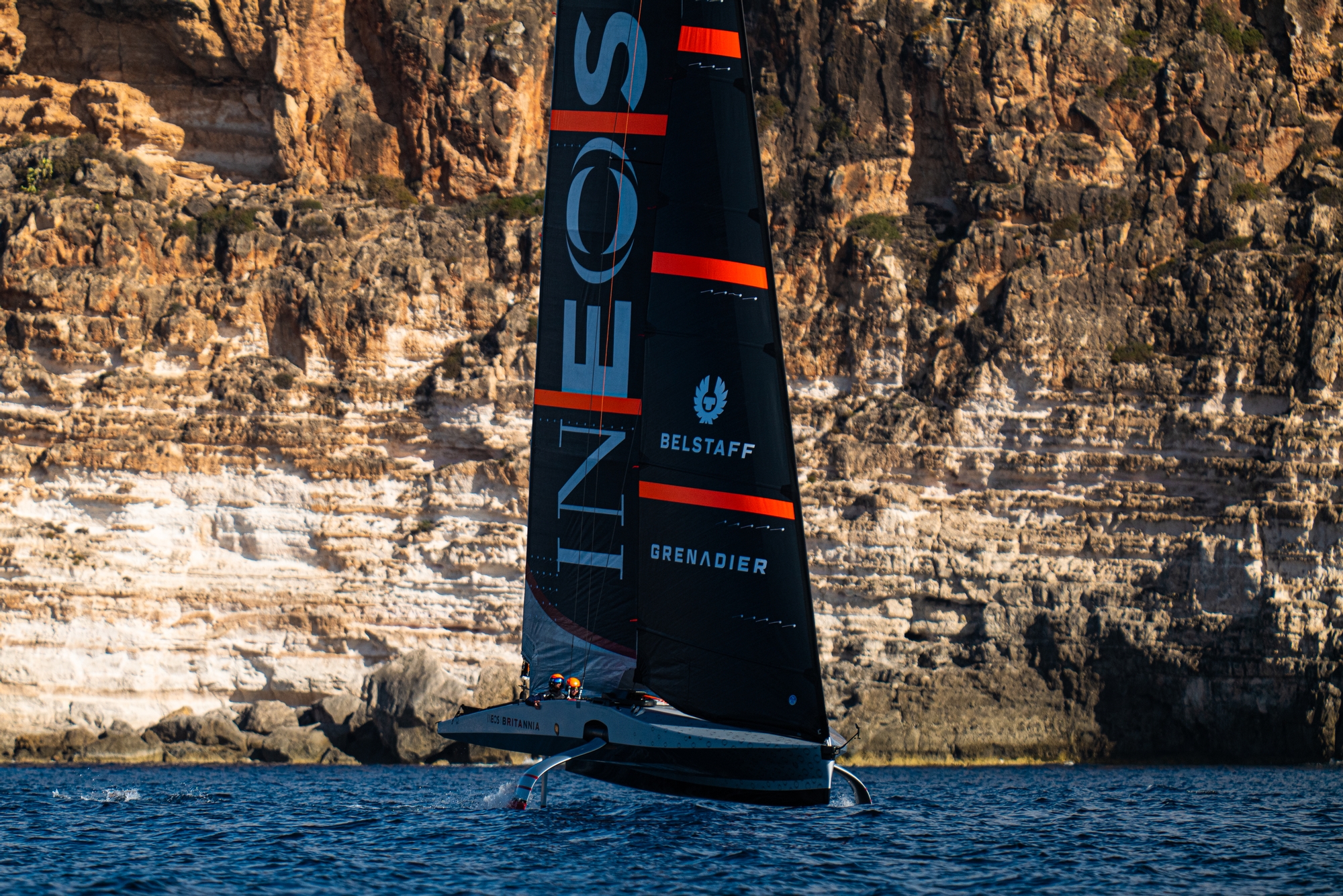
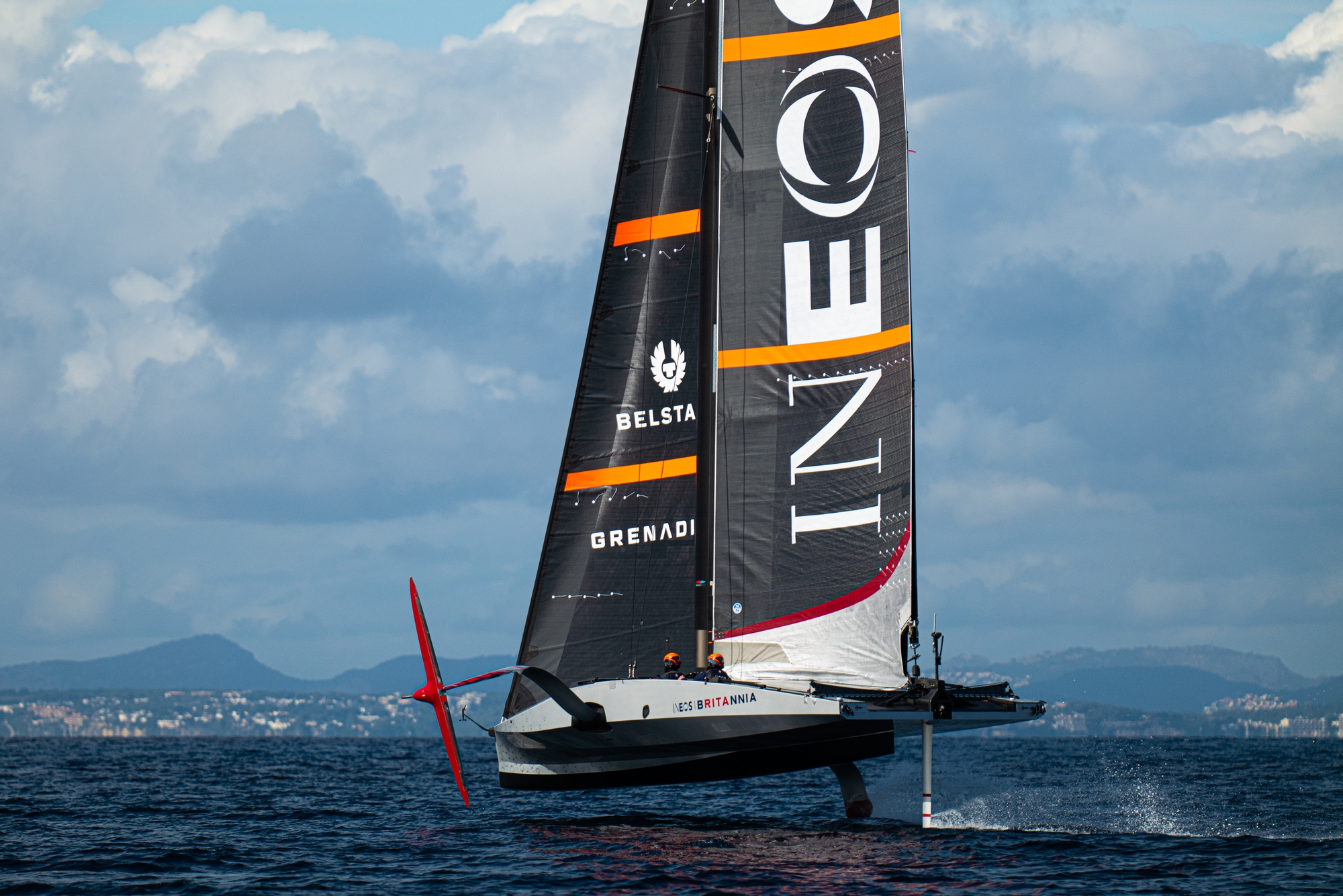
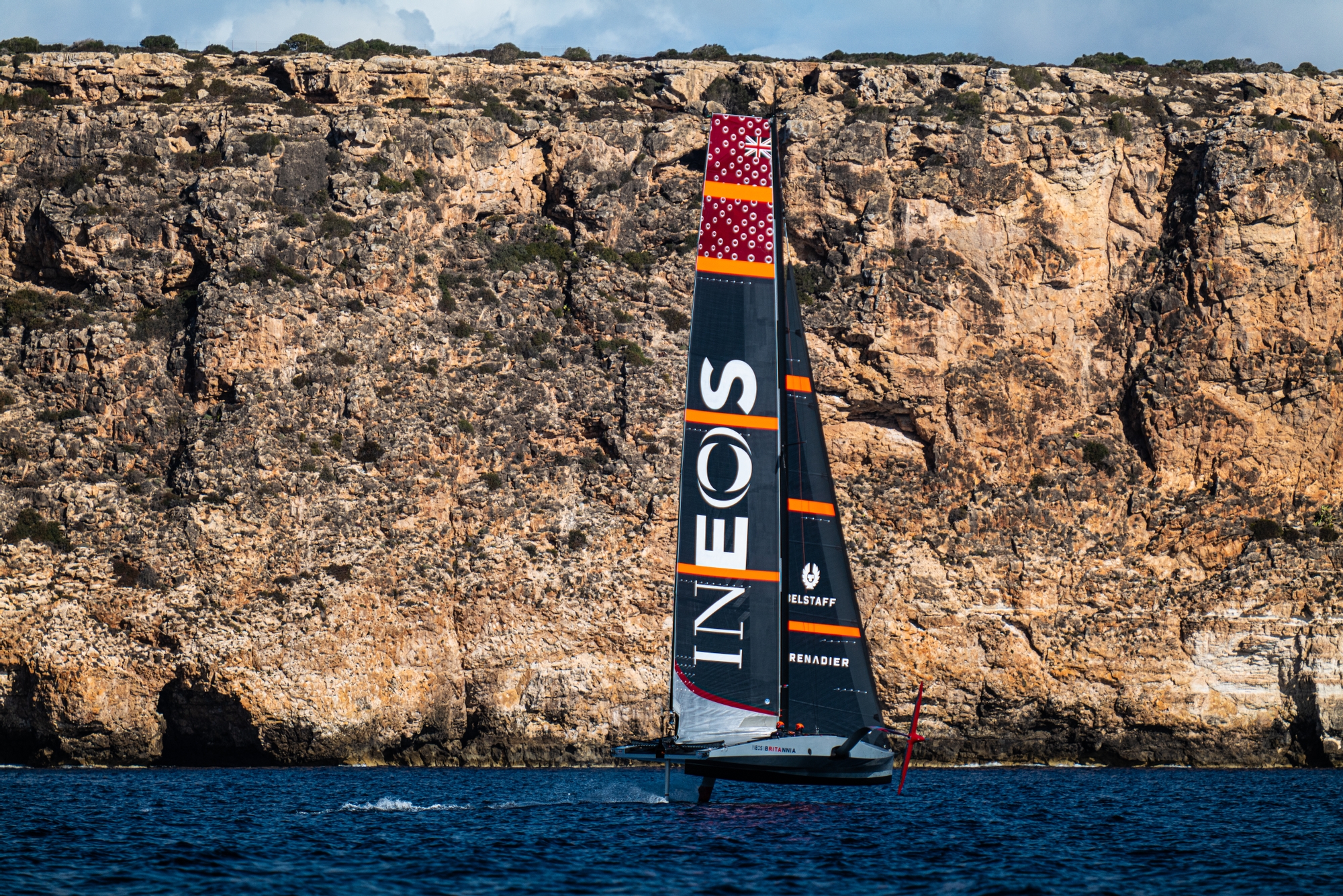
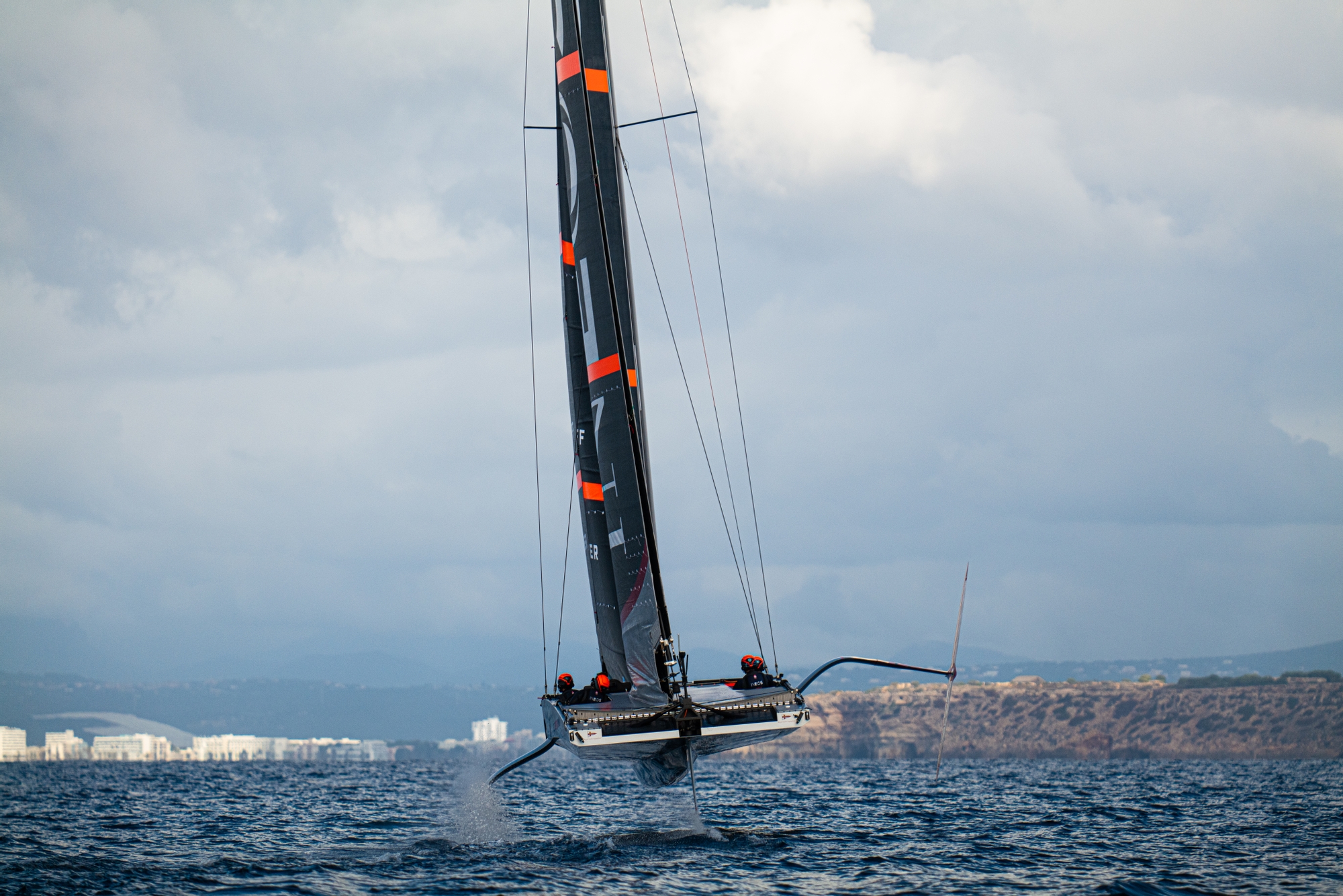
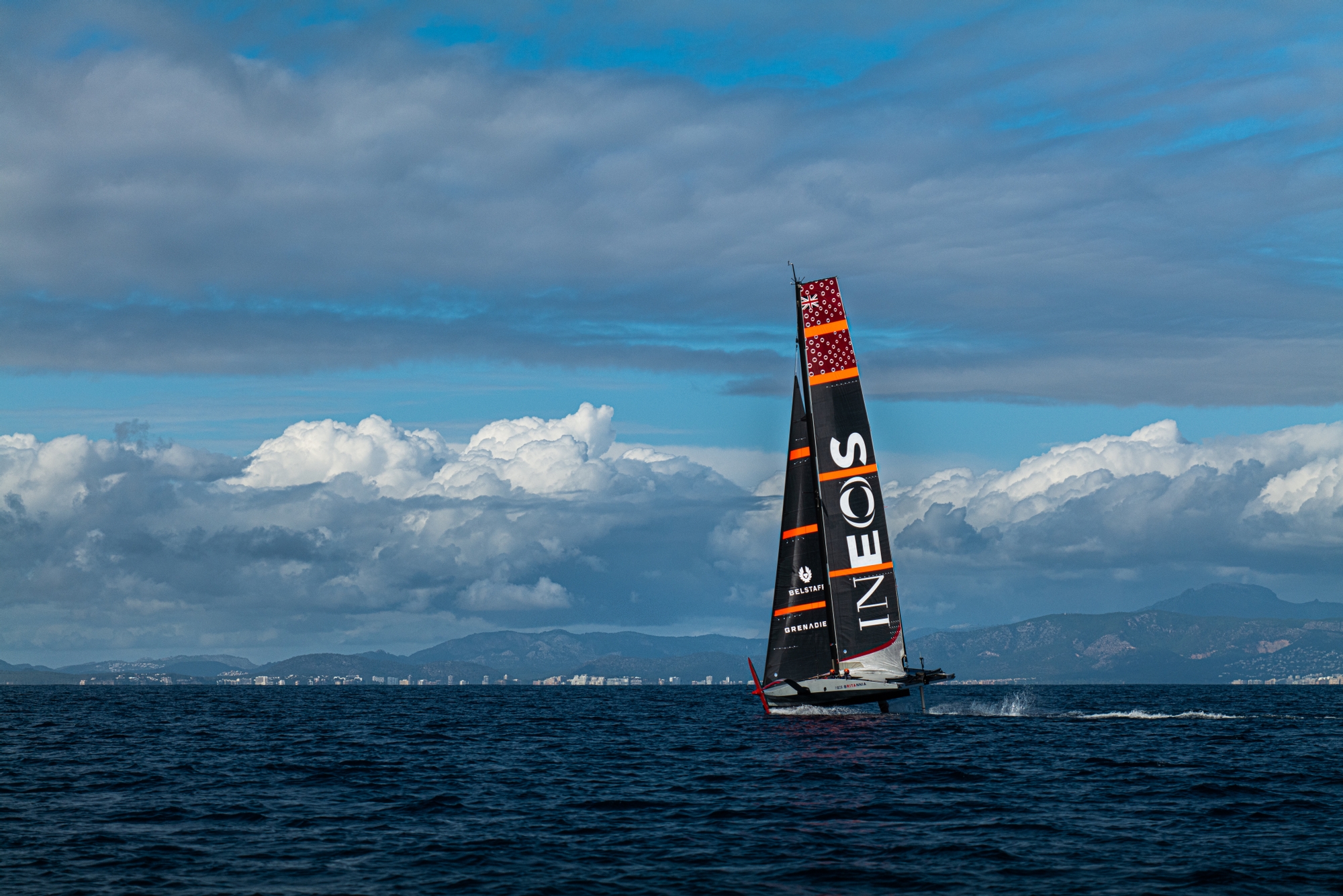
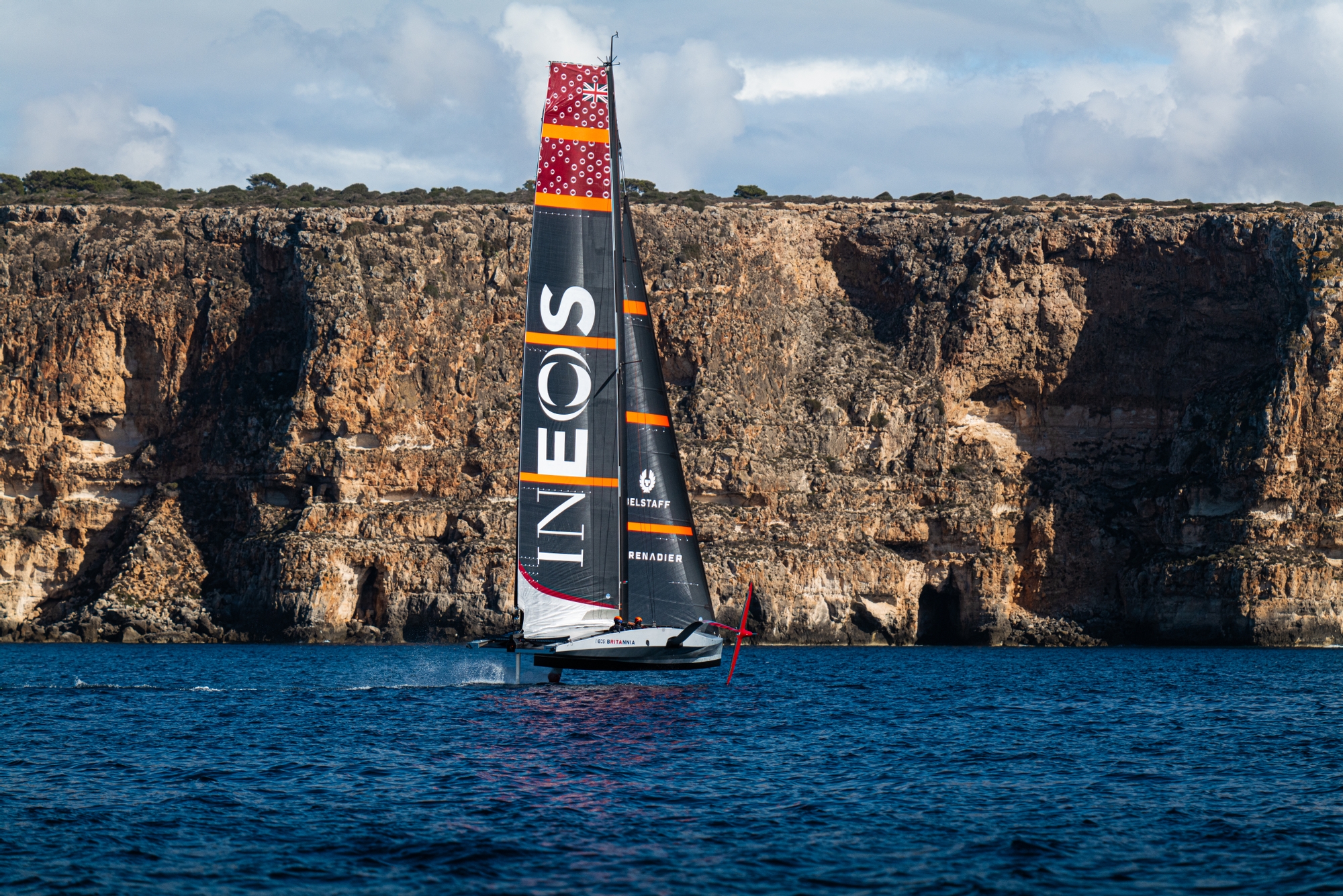
It was a dull start to what turned out to be a highly productive data gathering day for INEOS Britannia with leaden, dull skies greeting the ever-cheery early morning shore team who are doing wonders with keeping T6 operational and the sailors firmly in their drysuits and on the water.
These are valuable times for the British who appear to be taking such logical steps forwards safe in the knowledge that data is accurate and meaningful as it feeds back through to the Mission Control centre in Brackley – home of Mercedes Applied Science - via the onshore facility in Palma. There’s a quiet confidence around the team, the sailors feel more than happy and there’s a healthily relaxed air shoreside with all the team members knowing the demands that are placed on them and the professionalism required.
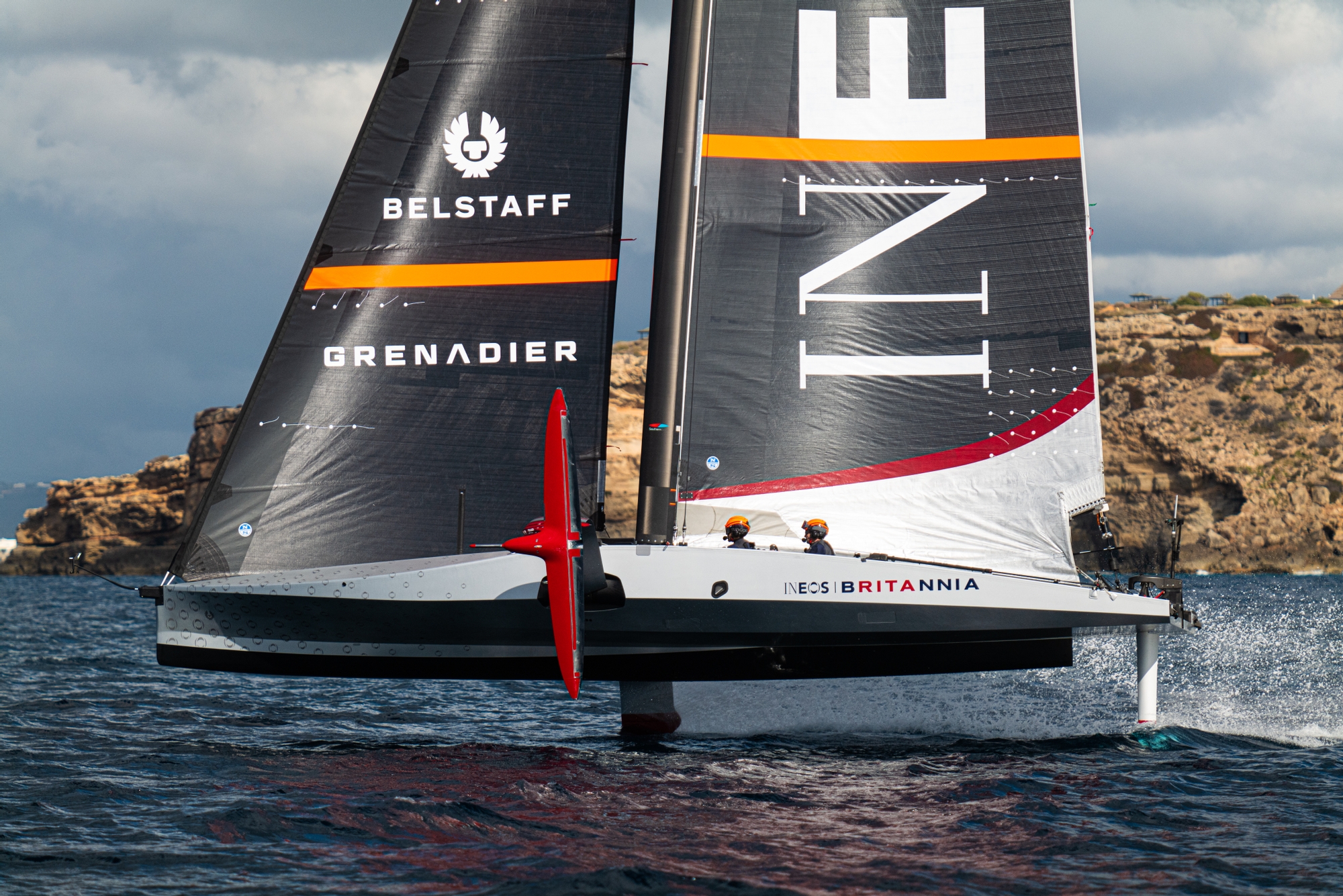
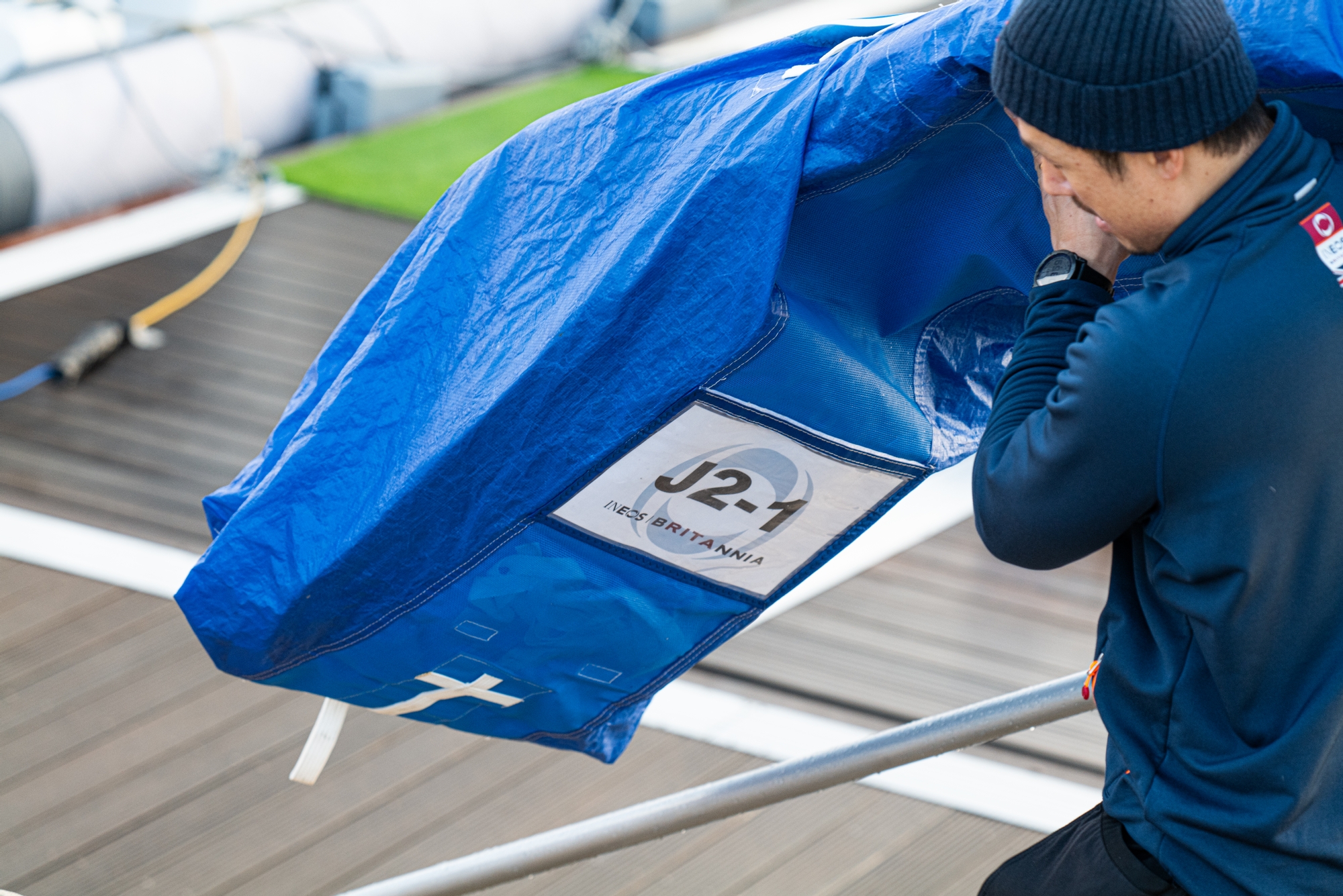
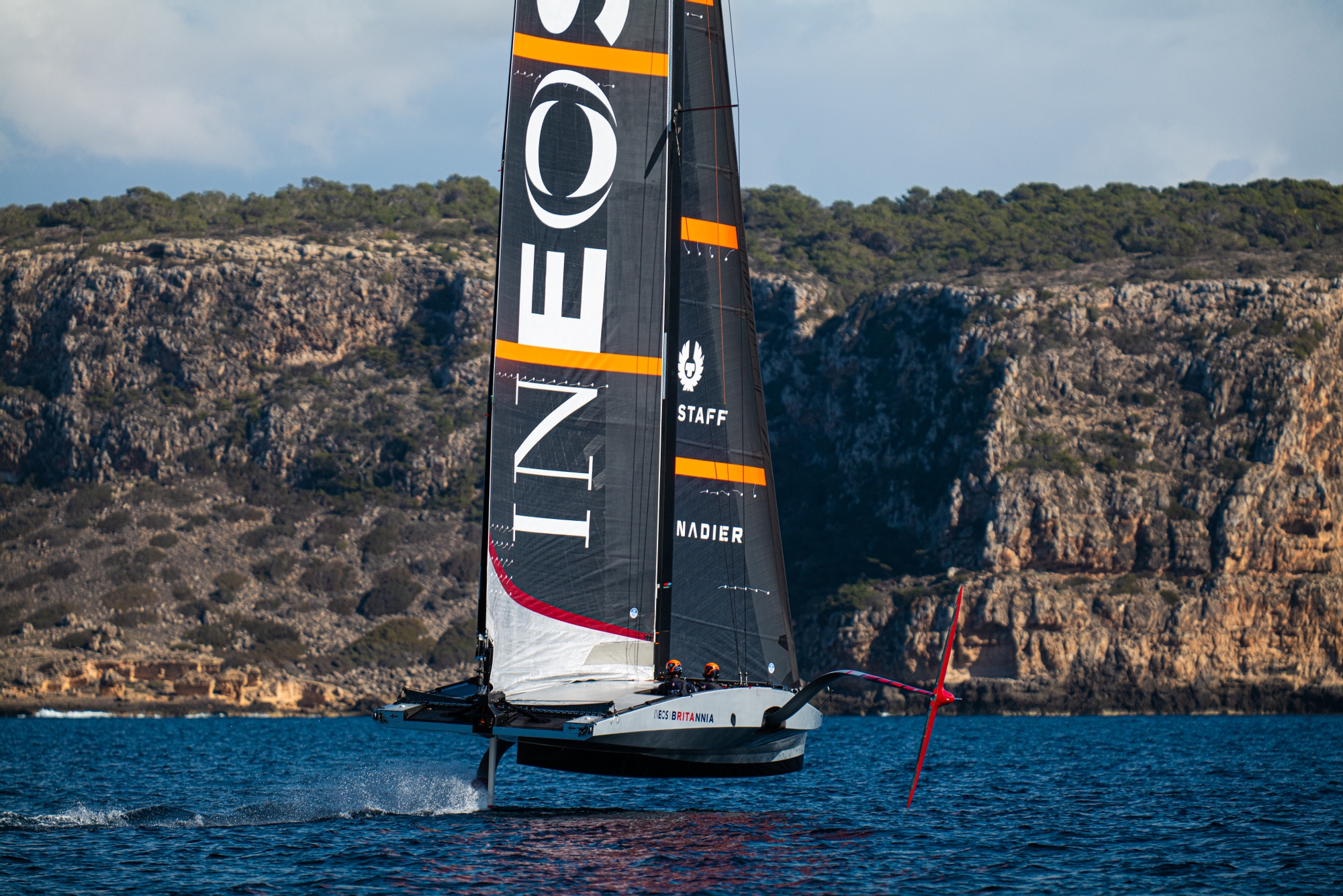
On the water, the days keep getting better as an inherent familiarity builds into the sailing programme with ease of flight, ease of foil-to-foil manoeuvres and the ability to play with cant and foil trim regardless of the conditions. The ease with which T6 takes-off has to be a huge tick in the overall design process and the ability of the team, almost straight out of the box to be able to induce windward heel with rapid, sharp sail trim is all credit to the work that’s been undertaken in the design and engineering offices. Today was another day for big data with the team opting again to just keep the new cross-over J2 jib flying, which in transitional 8-12 knot conditions looks the perfect balance between inducing fast flight to get up on the foils, whilst lessening the drag that the headsail incurs with a fine entry top third, marginally but crucially, reducing sail area.
Asked if the boat was up at 100% operational capacity now after several days of near perfect sailing time, Giles Scott was fairly candid when he said: “It's getting closer. We’ve still got some reasonably big-ticket items that we know we've got to iron out and will be looking to do that over the over the coming weeks. It's a bit of a balancing act getting good time on the water collecting that key information that the design team need for decisions for RB3 (Race Boat Three) so that's really the juggling act we're playing at the moment.”
As with all America’s Cup campaigns, that “juggling” between time in the shed and time on the water is an unequal struggle where compromise has to prevail, and it was hydraulic leak down below, thought to be around or related to the jib track area that curtailed the session today. Giles was pretty relaxed about the issue saying: “The jib car was fine today but unfortunately we did stop a little bit little bit early because we had a bit of an oil leak downstairs, nothing major, but enough for us to head for home unfortunately.”
But looking forward to “RB3” – the one-build AC75 for INEOS Britannia, the anticipation was clear in the eyes of the double Olympic Gold medallist when asked about what speeds we might see in Barcelona as he said: “It’s going to be interesting to see because I think a lot of it will depend on where teams decide to nail promptly their foil design so I mean the boats are certainly going to be quick and they're going to be a lot quicker around the course that's for sure. Top speeds, well, watch this space.”
We certainly will Giles, we certainly will. (Magnus Wheatley)
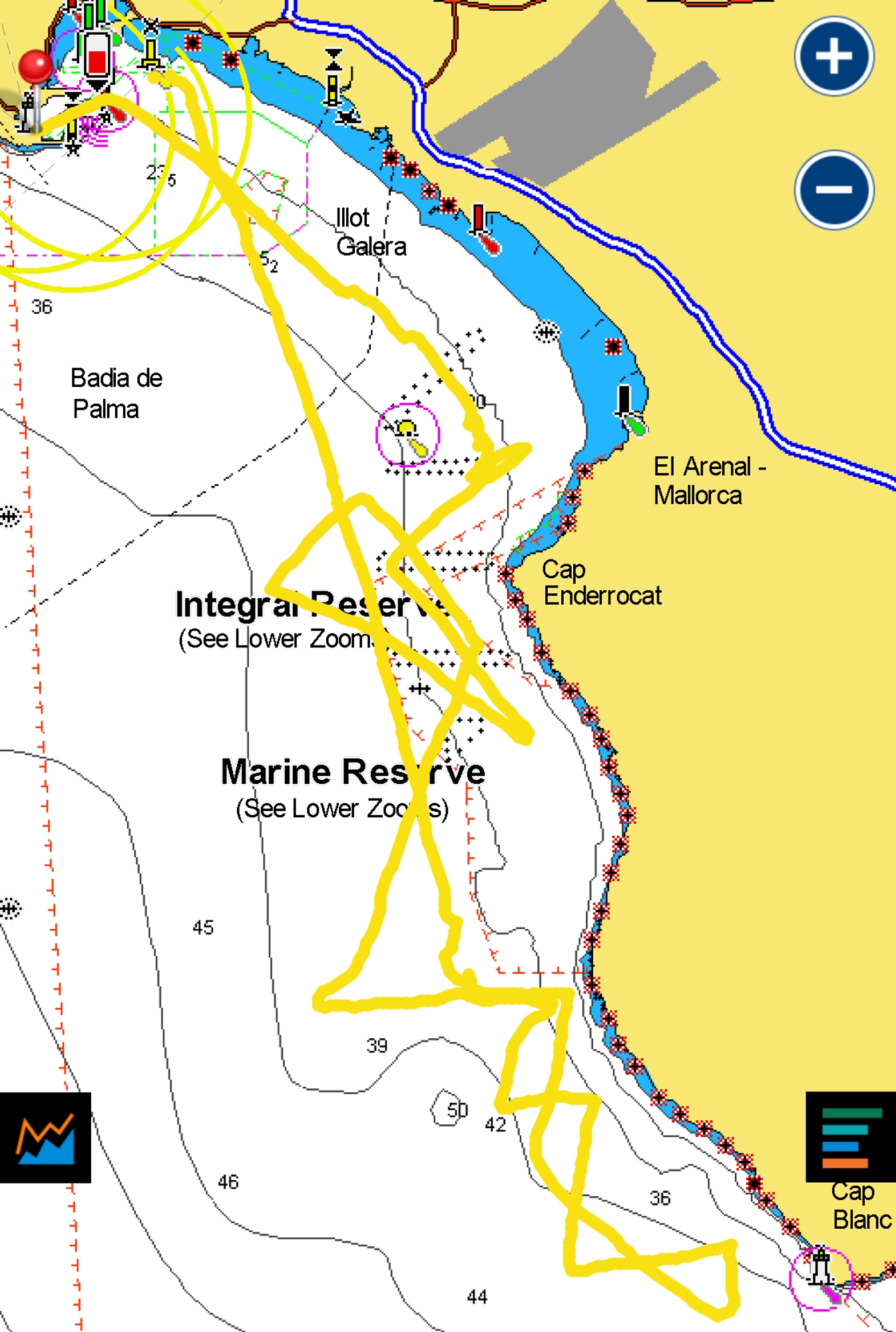
On Water Recon Notes: In an indication of just how valuable every hour of testing time is to the British America’s Cup team right now, the INEOS Britannia squad rolled their T6 LEQ12 out of the shed at 0800 this rainy Tuesday morning in order to squeeze in a 90-minute foiling session before a gnarly-looking weather front rolled over Palma Bay mid-afternoon.
With Ben Ainslie and Giles Scott at the helming stations and Luke Parkinson and Bleddyn Mon on sail trim and flight control, at 1100 the silver 40-footer was towed 20 minutes with mainsail and J2 across mirror flat seas to the far southwest corner of the bay. After waiting around patiently for an hour the crew called for a bow tow and were immediately foiling comfortably in seven knots of breeze. With the wind steadily ramping up to around 12 knots but the sea remaining flat, the crew put the boat through its paces at a variety of wind angles, along with several slick looking foiling tacks and gybes.
On the team’s larger chase boat, Coach Xavi Fernadez seemed particularly interested in the sail plan in downwind mode. Upwind, we observed the boat being sailed several times with some windward heel and a slightly bow down pitch. A technical issue (explained later as a minor hydraulic oil leak by Scott) and a darkening sky marking the early onset of the forecast weather front, saw the team down sails at just after 1400 – roughly an hour earlier than we estimate they would have wanted to.
Dock out: 1030 Dock-in: 1449
Conditions:
1130 180 3 knots, 1200 130 5 knots, 1230 7 knots 180, 1330 170 11-12 knots.
AM: Rainy early morning and then sunny with cloudy spells 6C – 12C
PM: Sunny with cloudy periods 12C
Onboard Today
Helms: Giles Scott / Sir Ben Ainslie
Crew: Luke Parkinson / Bleddyn Mon
Sails Used:
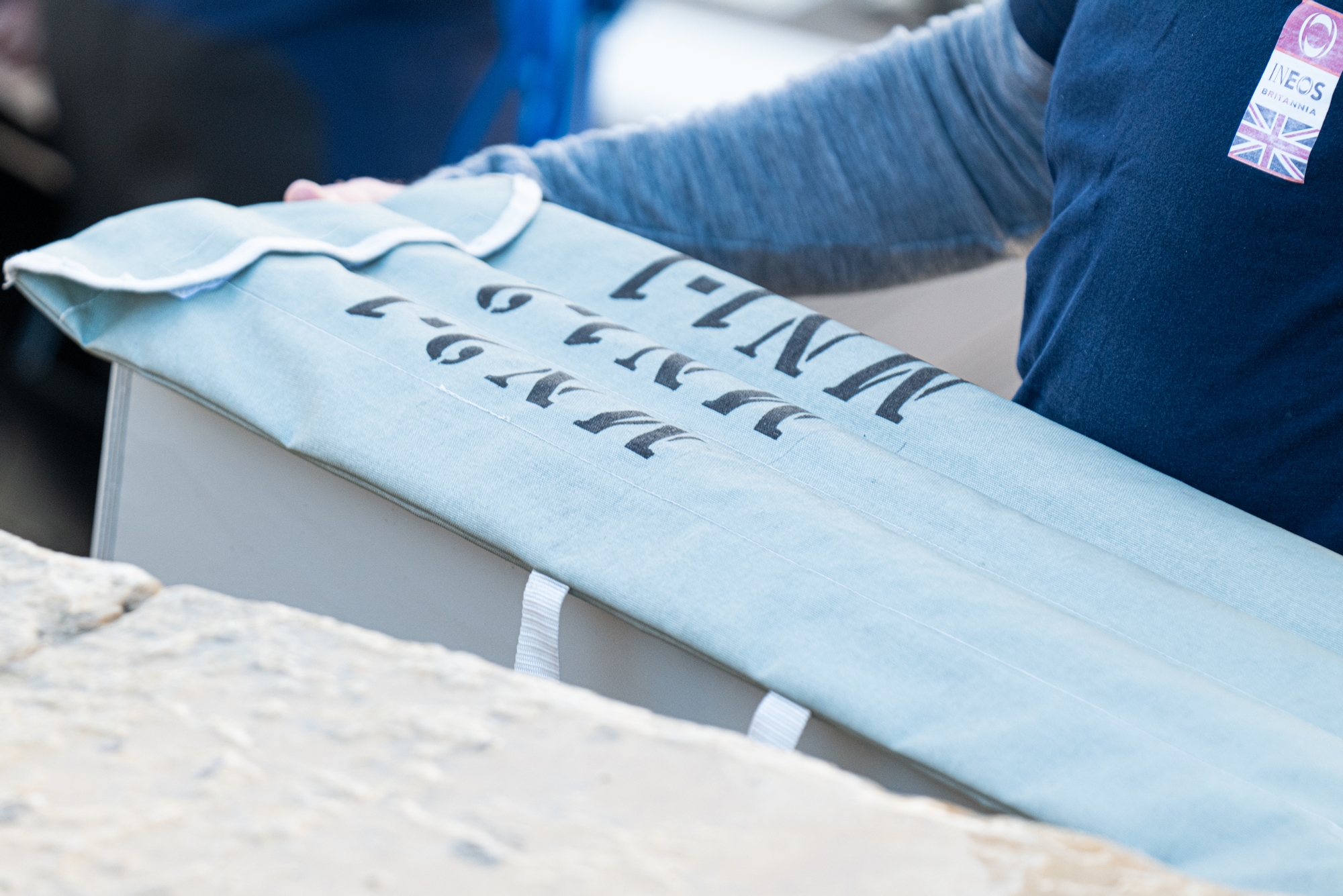
Mainsail (MN1-1P): 3 hours
J2 (J2-1): 2 hours 50 minutes
Total Tacks: 9 – 5 foil-to foil, 1 touch & go, 3 touchdowns
Total Gybes: 4 – 3 foil-to-foil, 1 touch & go,
Recon Notes: Two tow-up take offs with the rest self-take-off. Run 1: Tow up 4 minutes, Run 2: 16 minutes, Run 3: Tow 10 minutes, Run 4: 7 minutes, Run 6: 33 minutes
Take-off speed: 15 knots (estimated) self at 50 degrees TWA (True Wind Angle)