TRICKS AND FLICKS
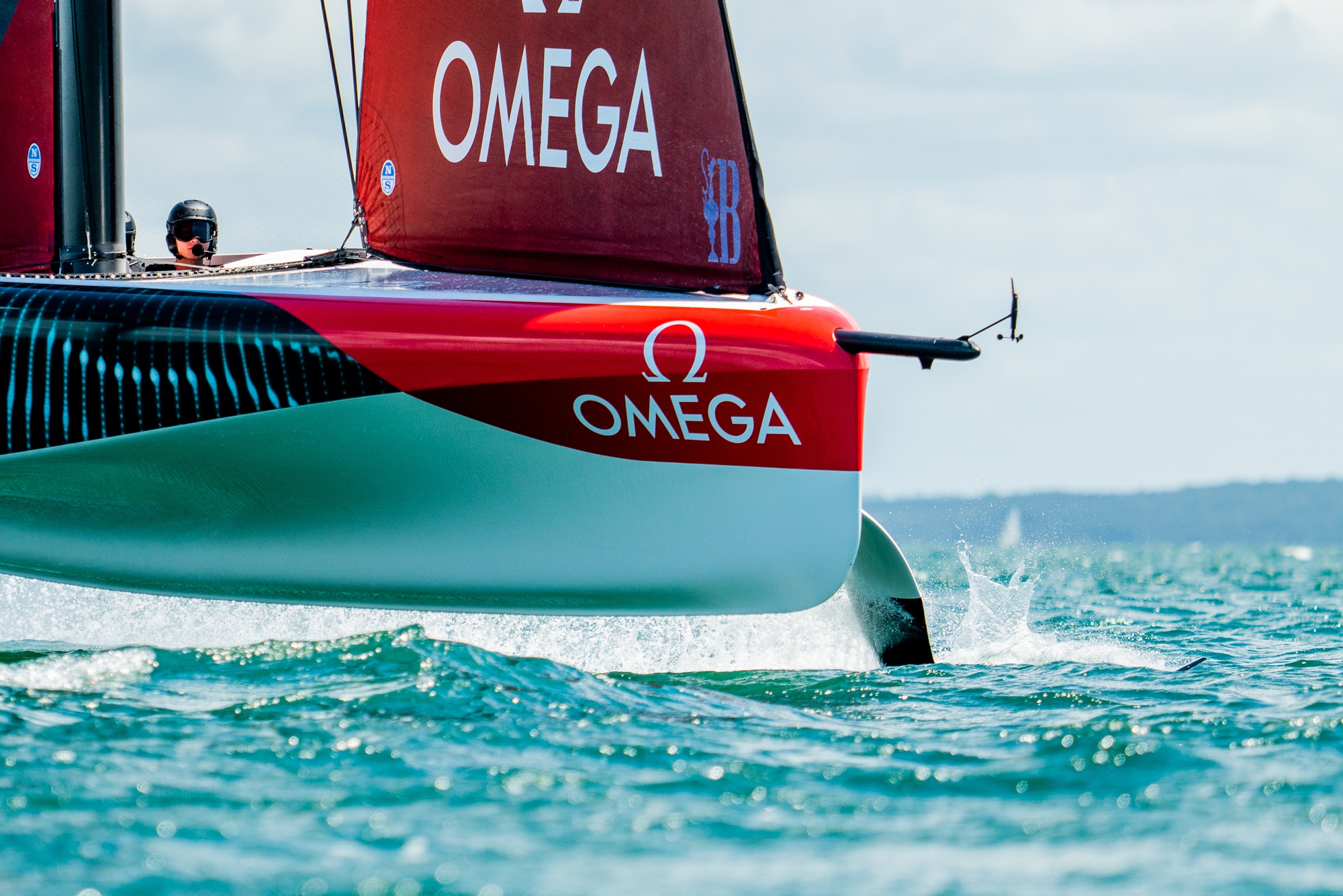
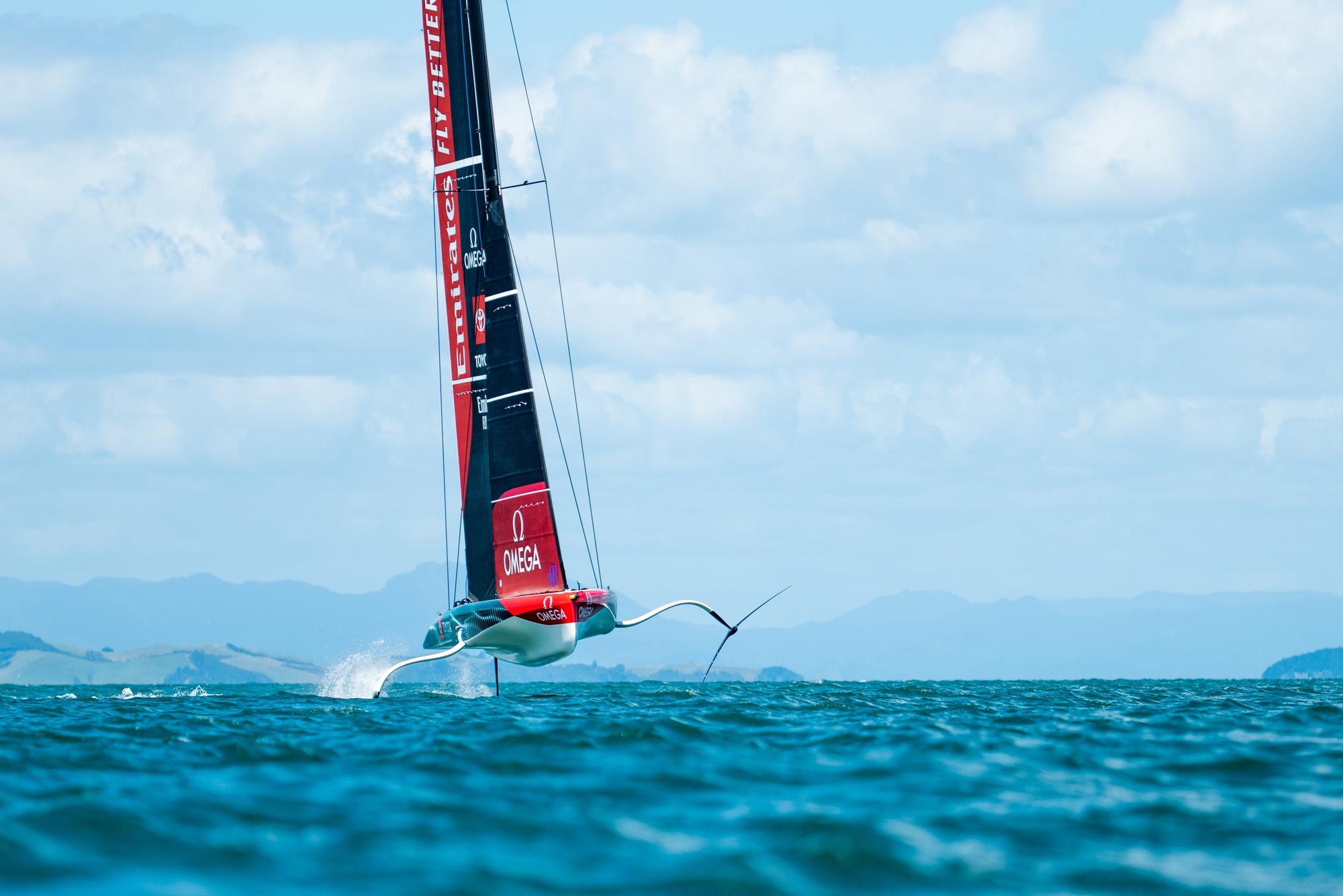
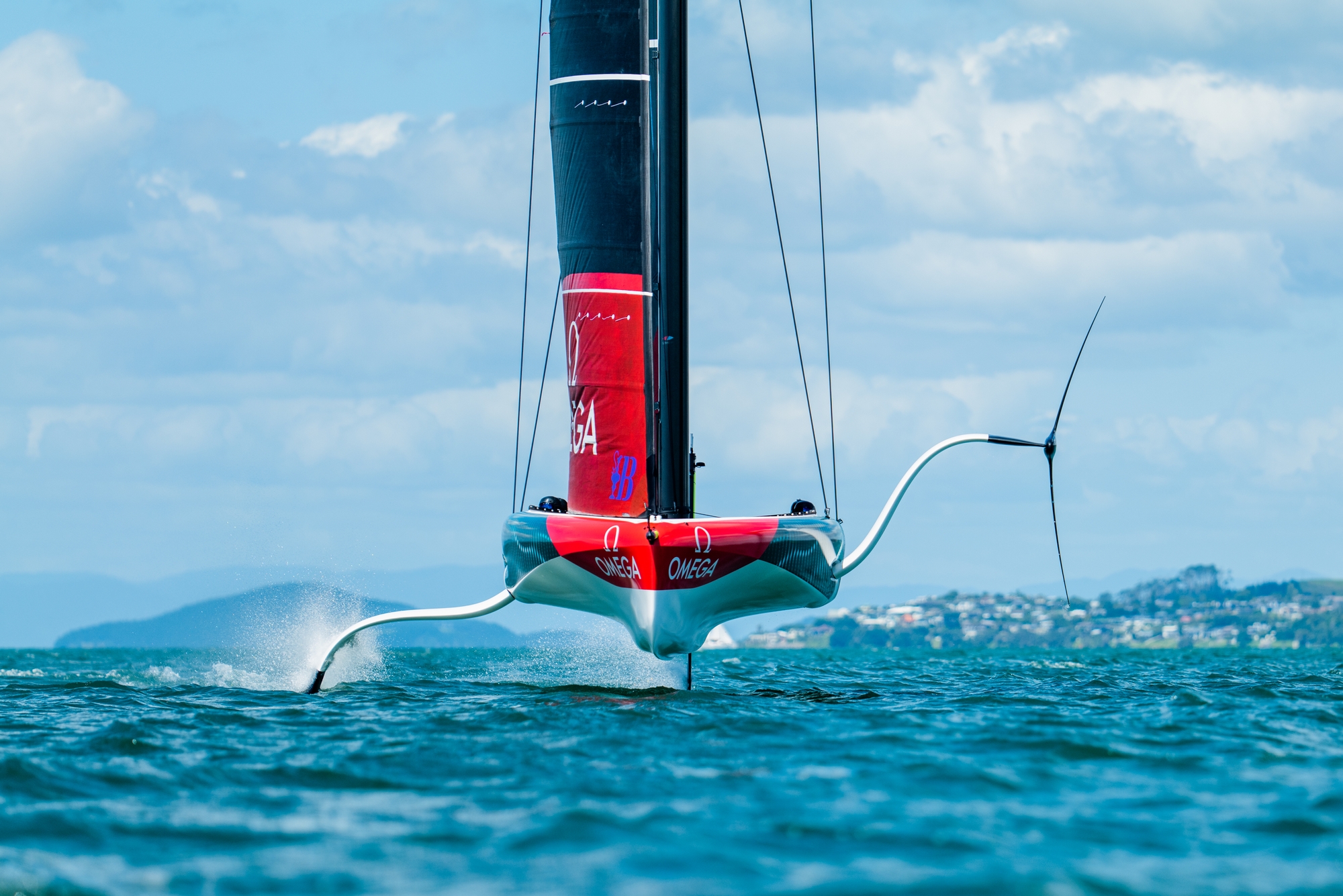
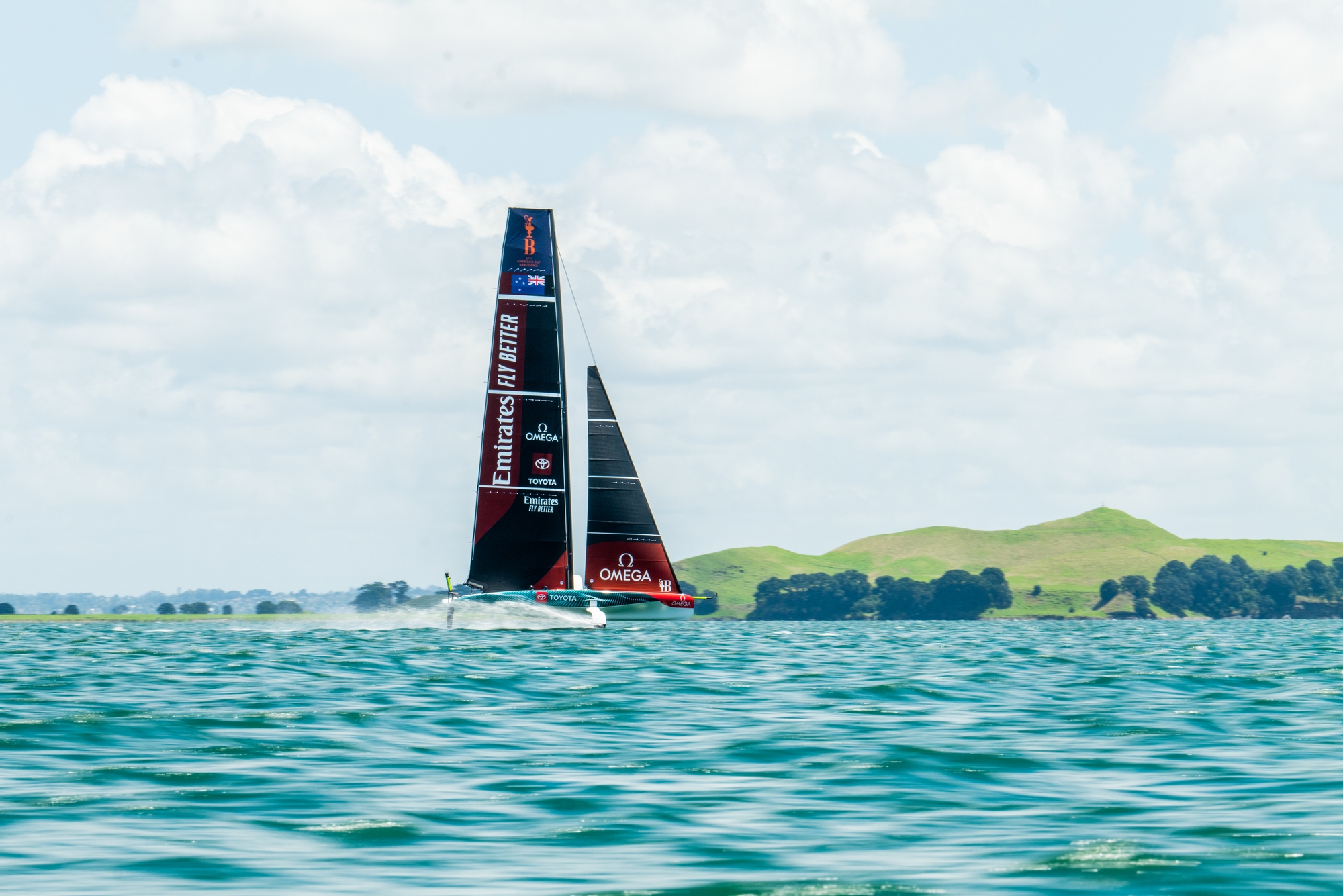
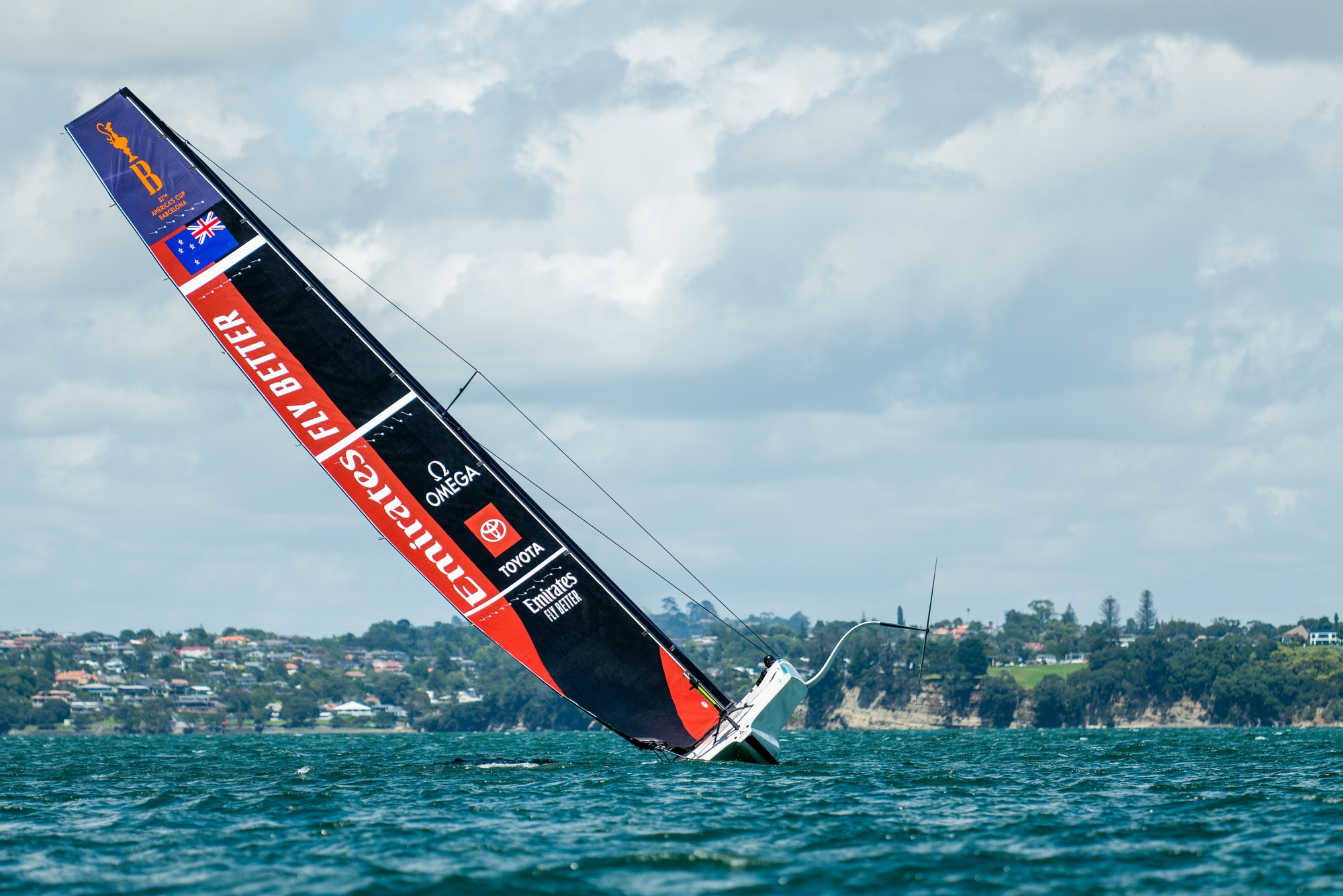
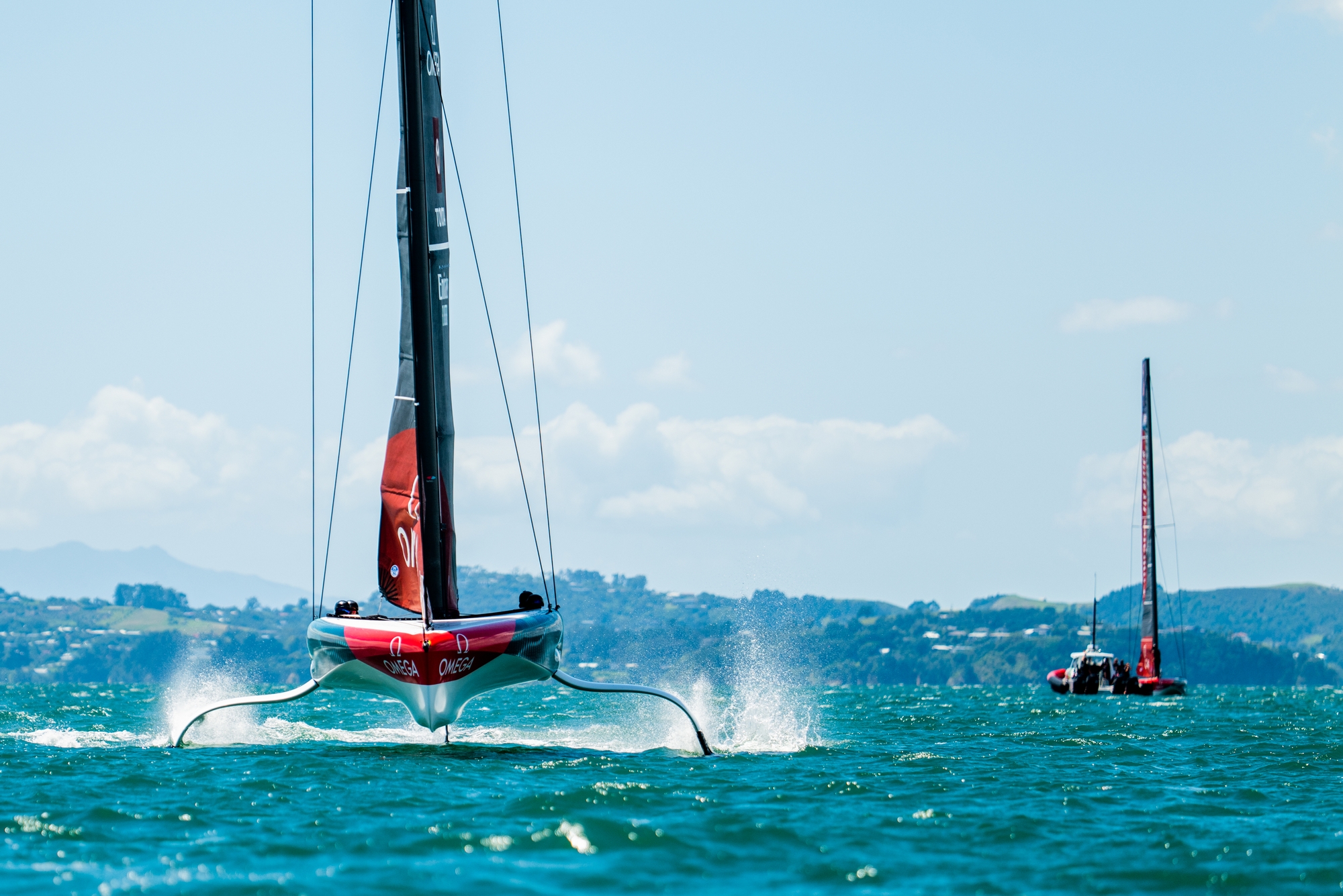
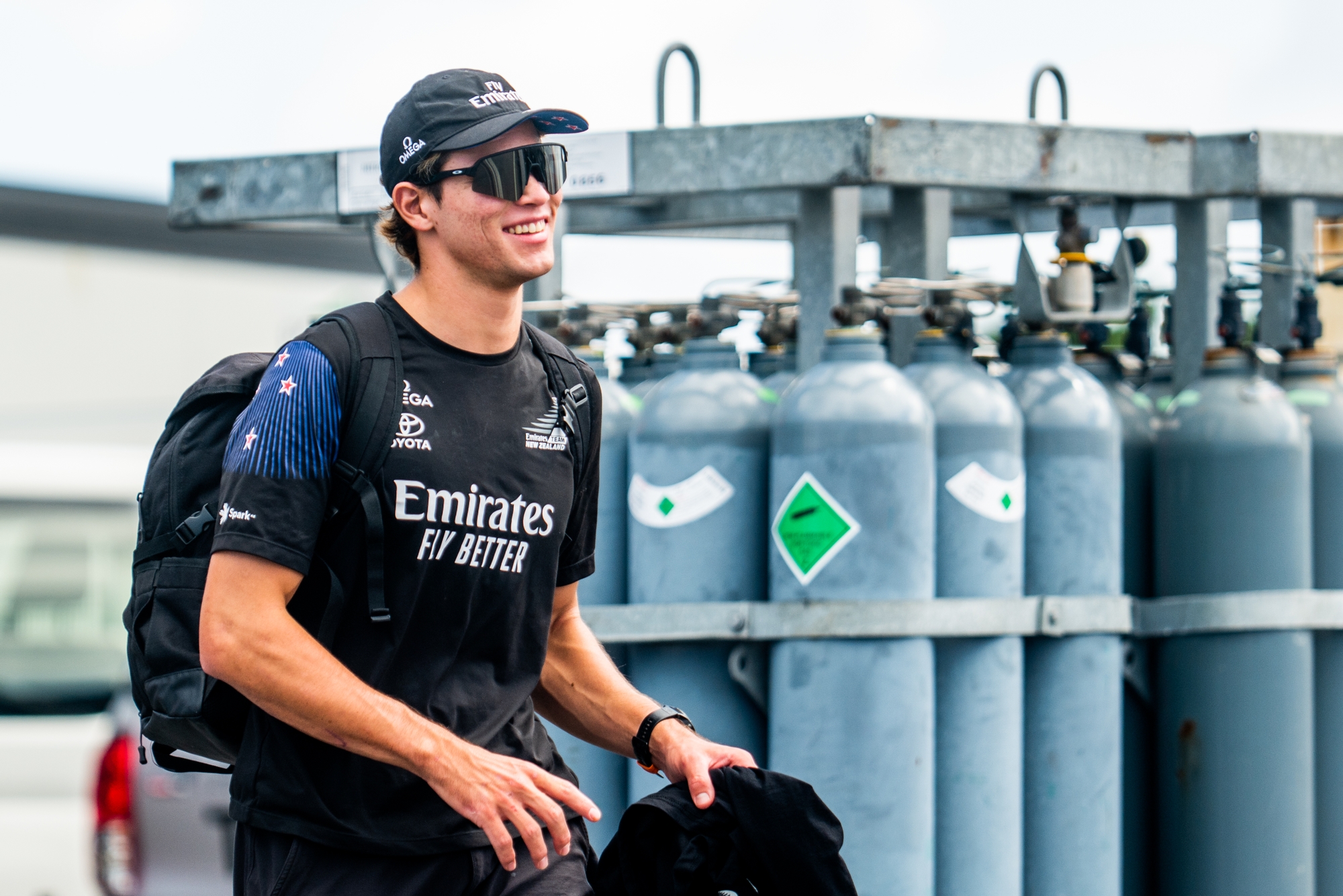
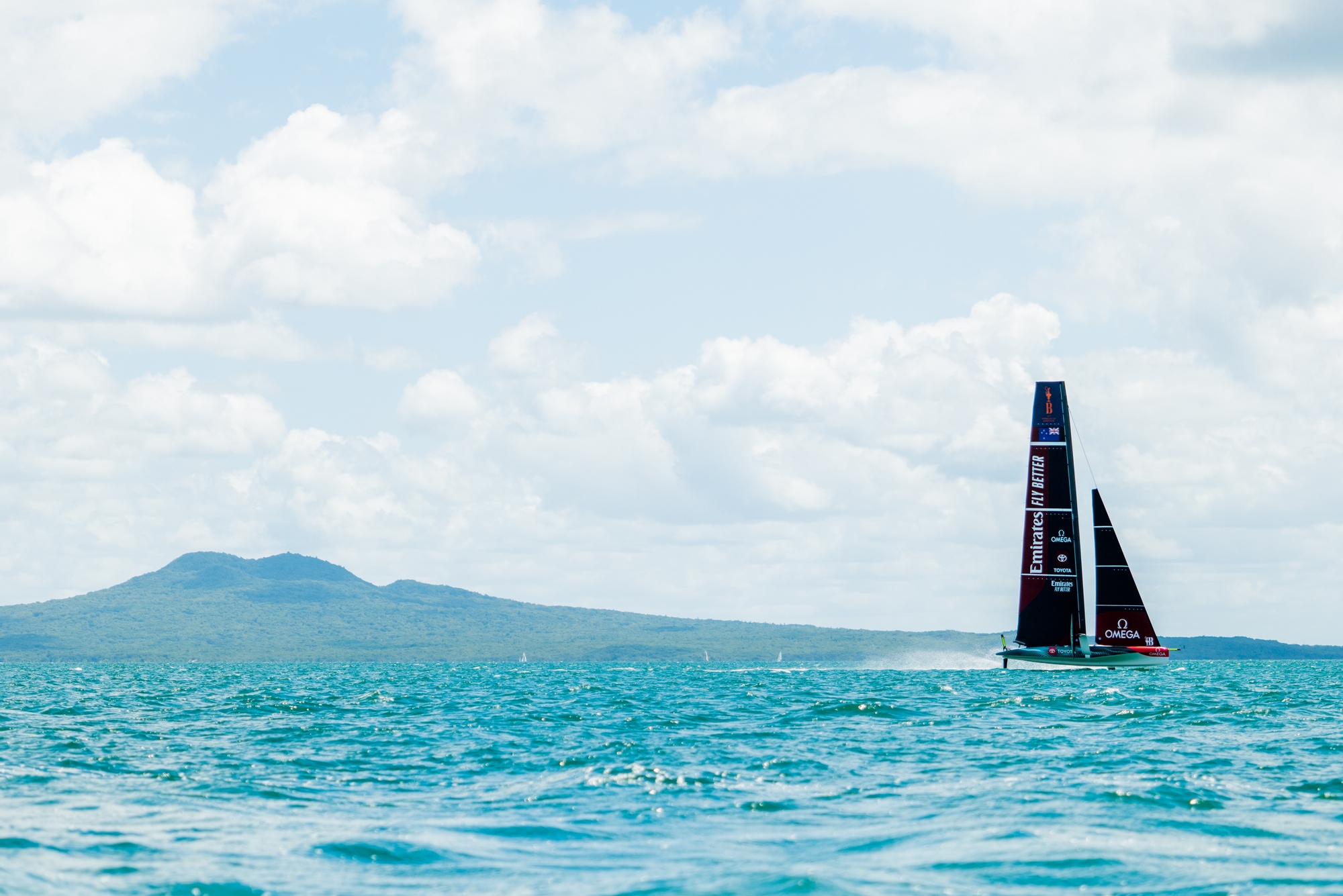
With the eyes of the America’s Cup world on them, Emirates Team New Zealand are setting the benchmark and announcing the level, seemingly on a daily basis, that every other team will have to strive for in order to prise the Auld Mug from upstairs at the Royal New Zealand Yacht Squadron.
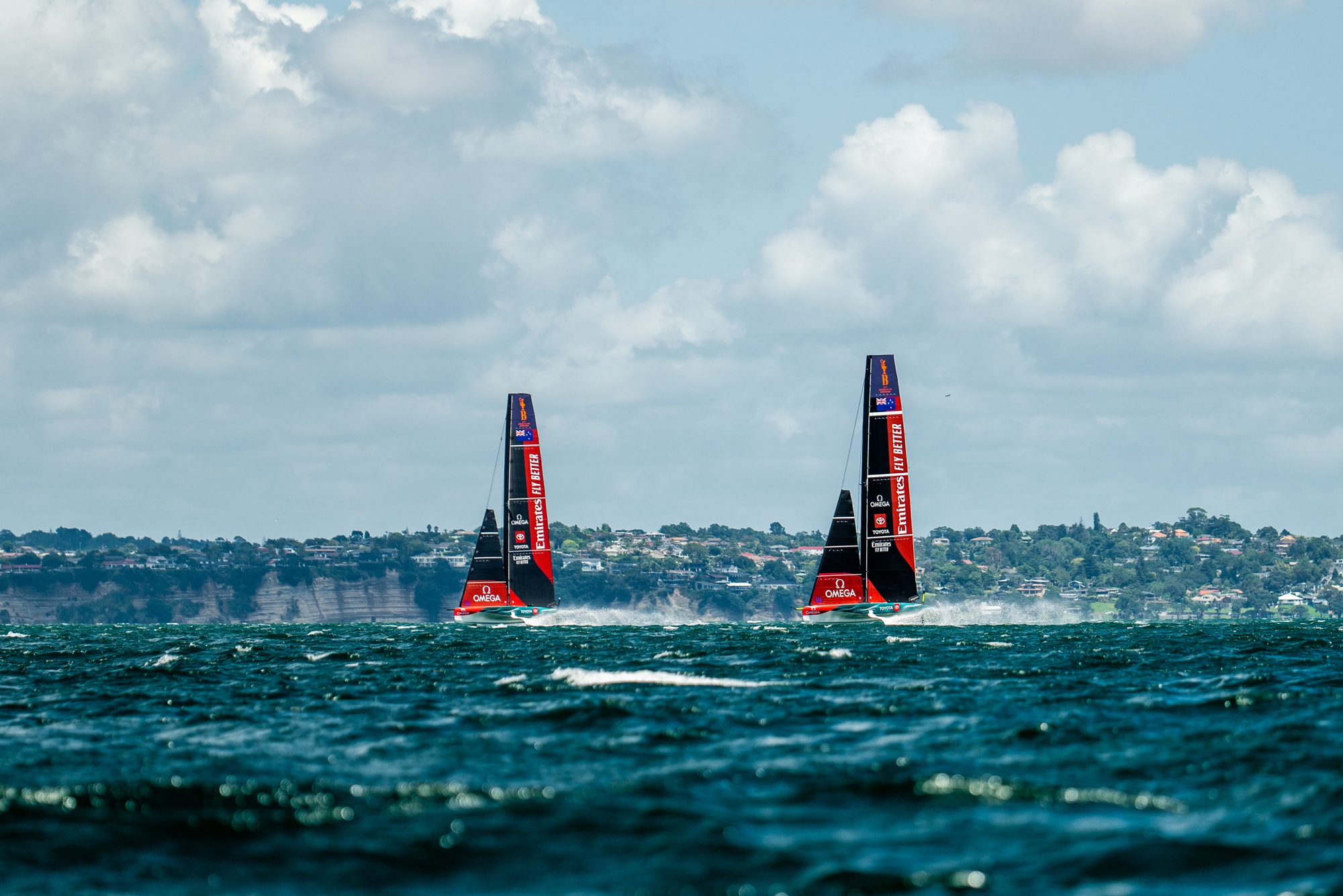
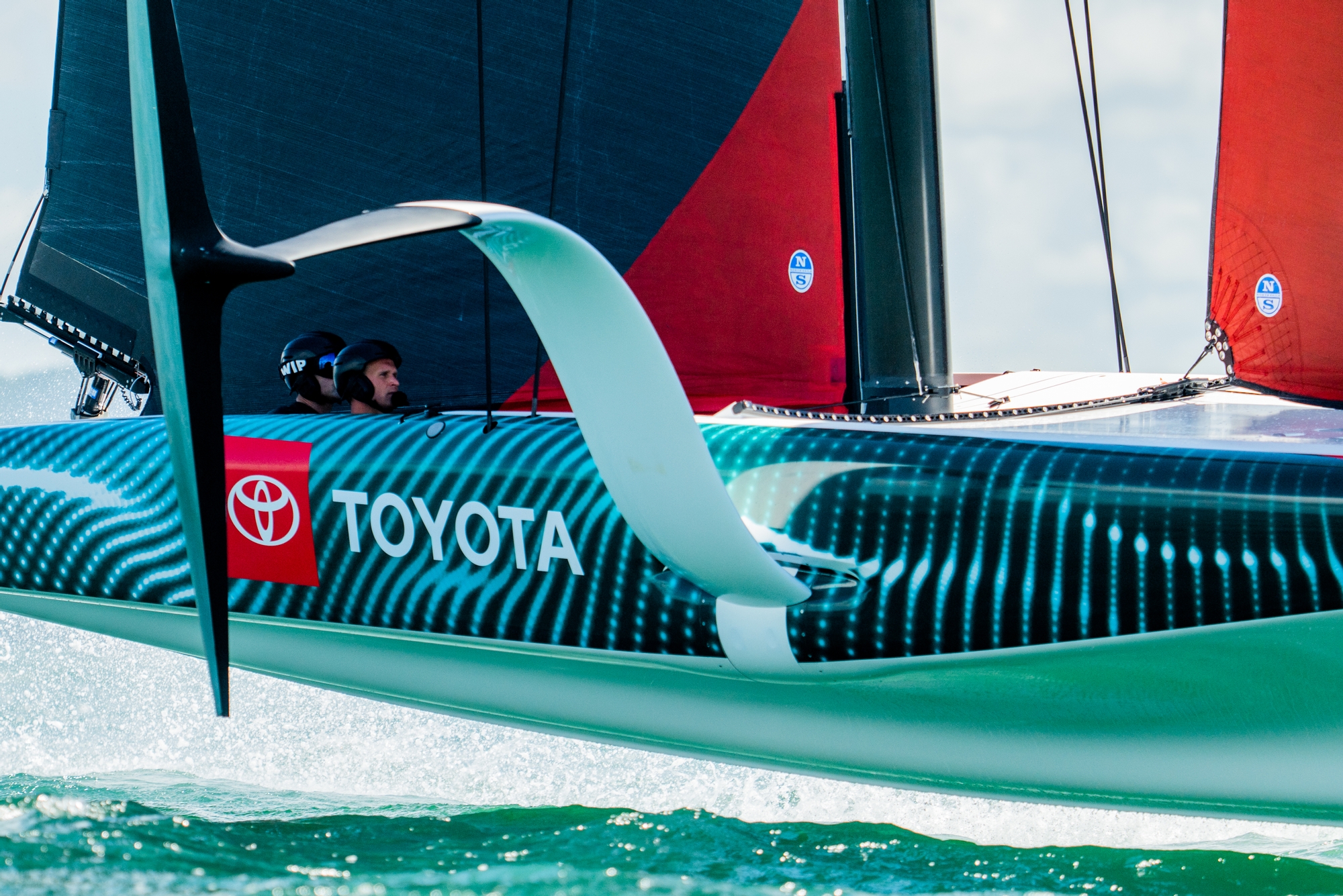
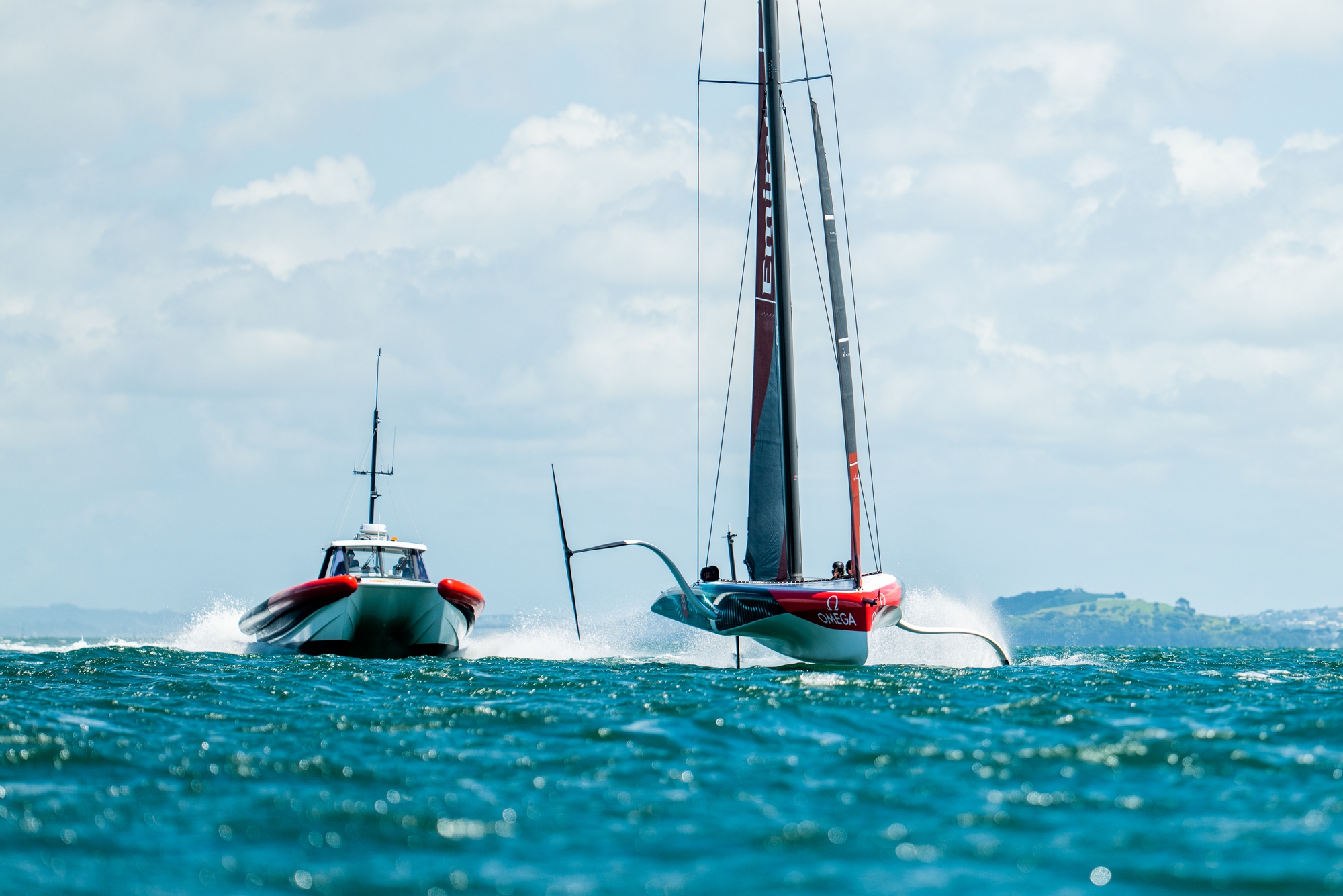
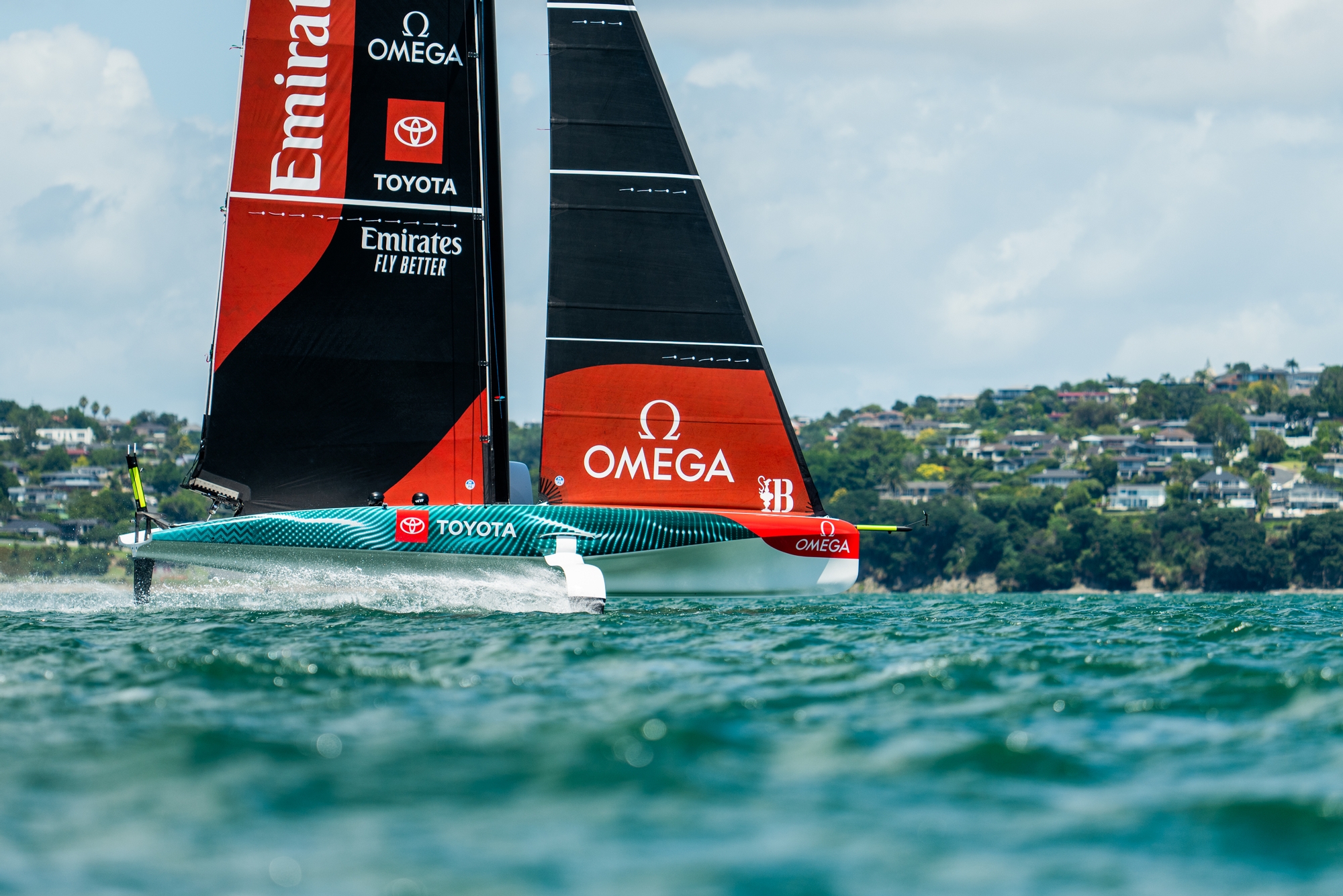
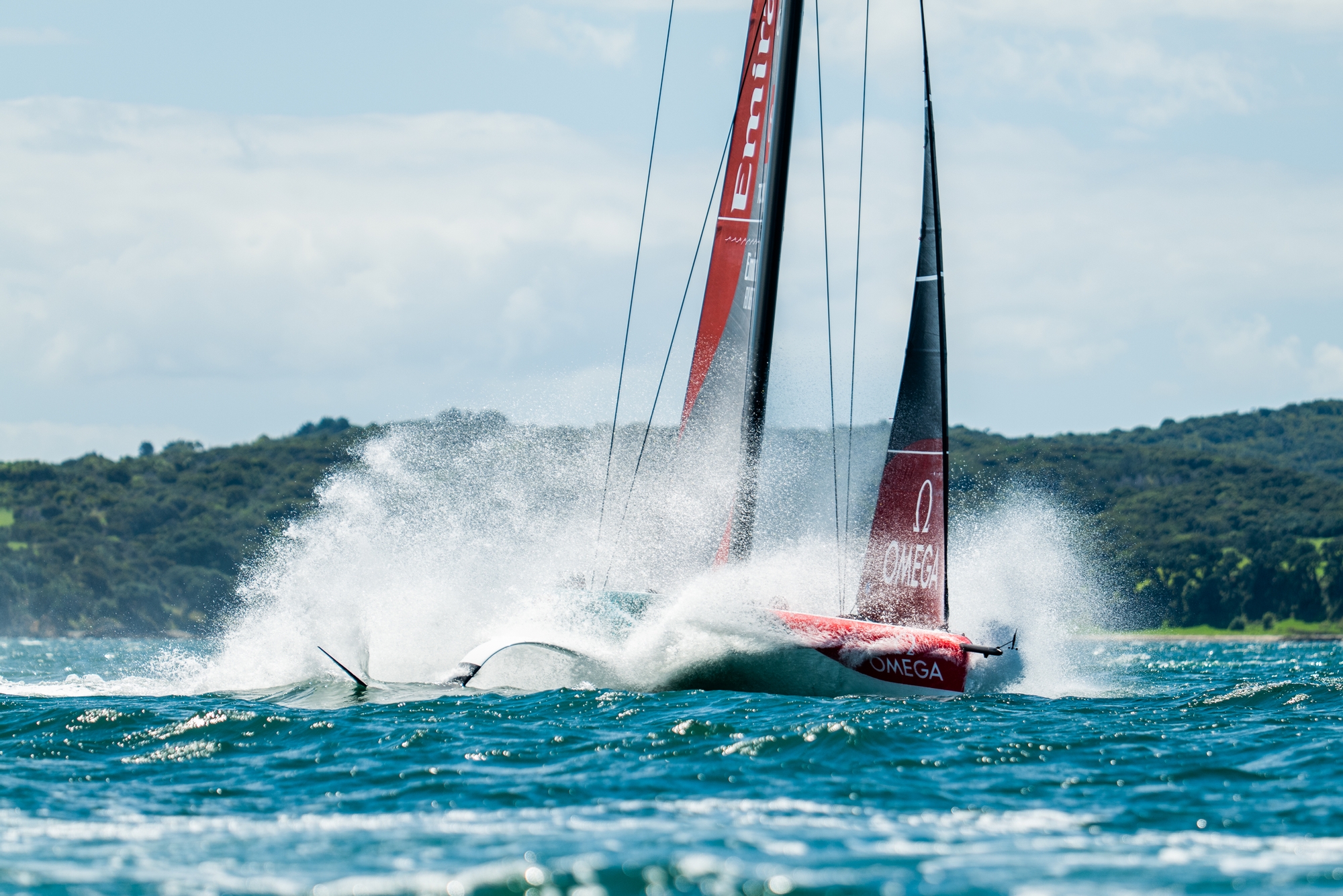
On today’s on-water form it’s a tough ask as the LEQ12 and AC40-3 in one design configuration went at each other in perfect conditions of 10-18 knots out on the ‘Back Paddock’ in Auckland. But what every team will be looking for are chinks in the sailing armour of the world’s best sailors and today perhaps, there were glimpses of light. The LEQ12 under manual flight control from Andy Maloney and Blair Tuke looked a temperamental mistress, twitchy, jumpy and not particularly at ease until on the port anhedral foil where the turbo-boosters were lit. Even then, she looked tricksy.
For all the world, it looked like a tough afternoon in the aft pods as the LEQ12 flight controllers sought to work out the almost bolt upright rig configuration that promised to offer more horsepower against the AC40-3 that was running the standard rake (and sails). The senior test team of Pete Burling and Nathan Outteridge again looked a fraction off their best in terms of time-on-distance whilst Josh Junior, Liv Mackay and Leo Takahashi in the AC40 simply had more control as the auto-pilot maintained a stunningly consistent flight and you have to assume afforded the team more time for eyes out of the boat.
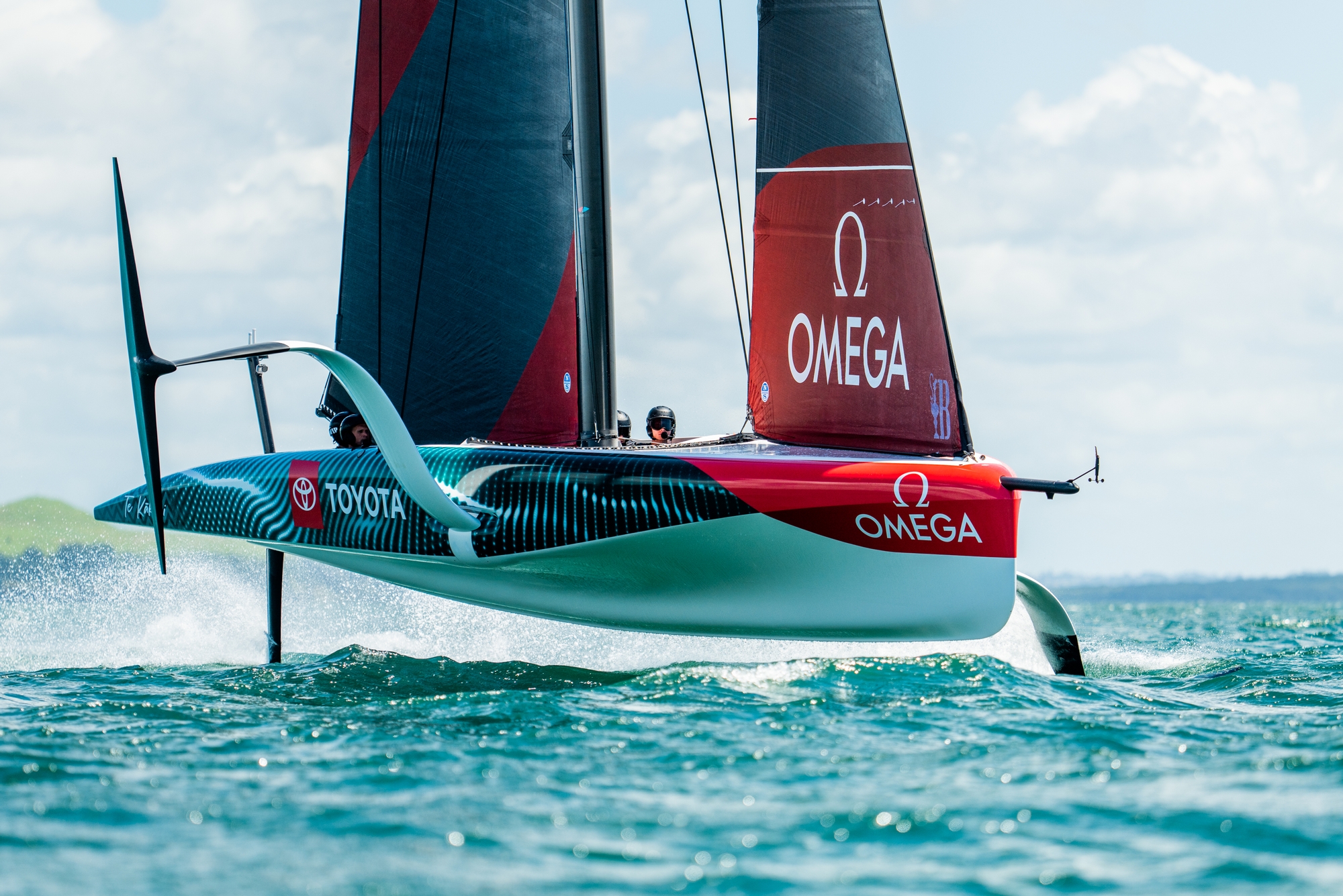
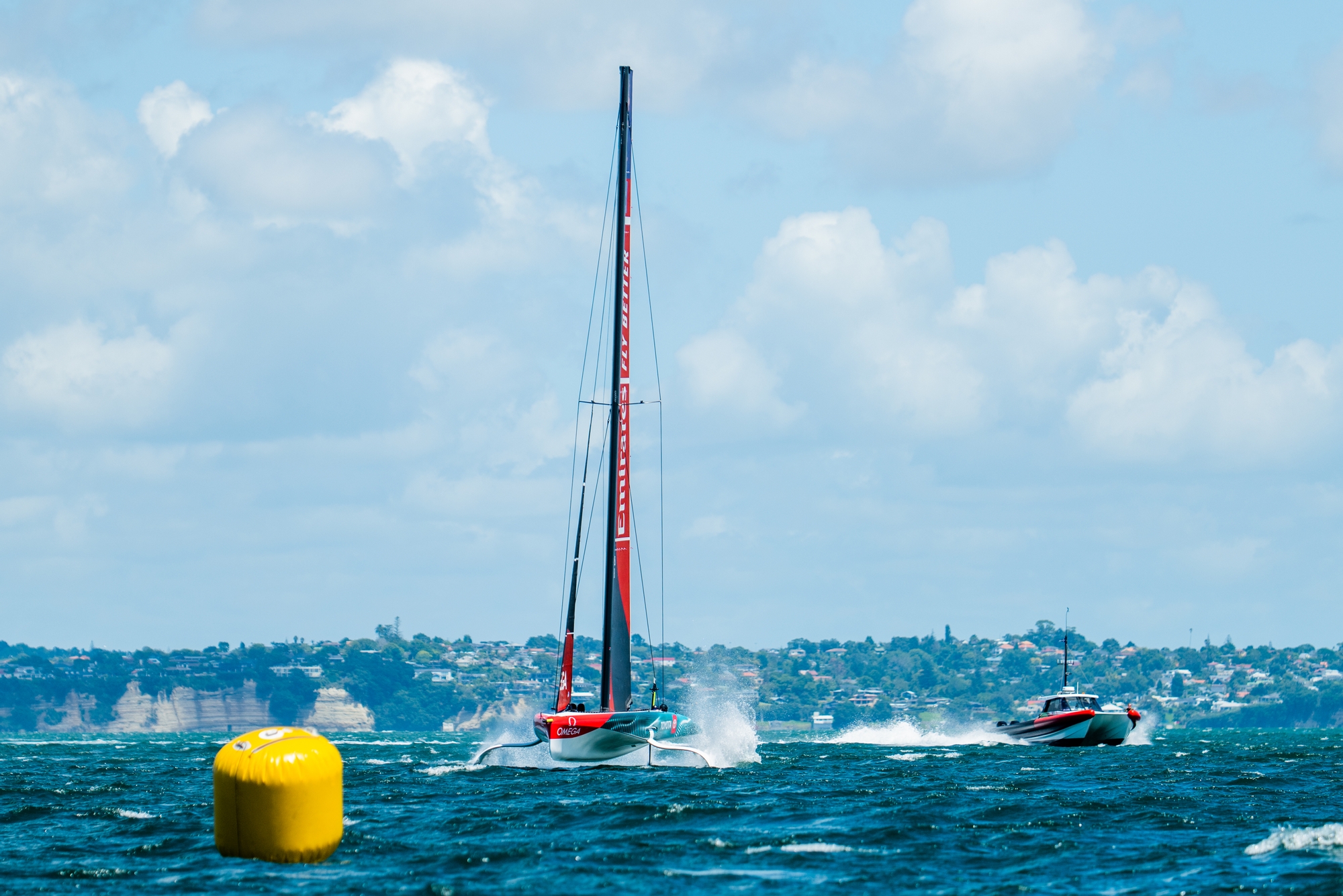
That’s not to say however that the AC40 had an easy day of it and the recon video certainly captured some squiffy boat handling which seems to occur as the helm comes just off the wind and the auto-pilot corrects to a reach, raises the hull and the boat almost skids sideways – pretty hair raising to watch and must feel like dancing on ice inside the helm pod. Once again, the development sails on the LEQ12 were giving the trimmers that magical inversion in the top quarter as the puffy breeze hit 18 knots and even with the forward rake setting, the amount of cunningham and mainsail leech tension that could be applied to cause the inversion was extraordinary.
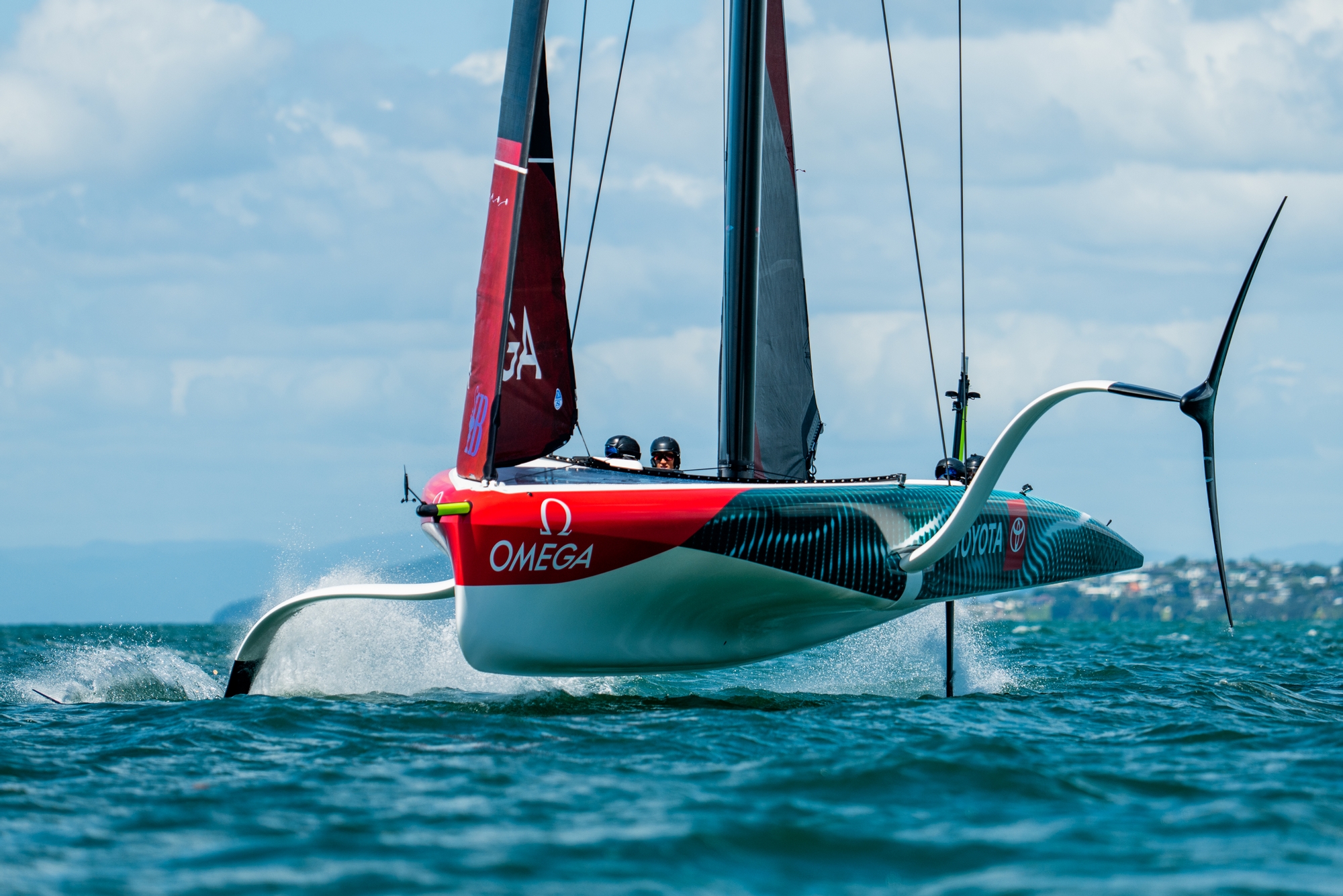
Speaking about the sail programme, Nathan Outteridge gave a fascinating insight and when asked about the inversion he responded: That’s the beauty of development sails, isn't it? And doing multiple iterations of sails you try and work out what wind range you want the sails in and what you want them to do up and down the wind range. It’s no secret that you want them flatter when it’s windier and deeper when it’s lighter and a lot of our sailing so far has been middle to upper end and we’re really looking to try and get the two boats in the water in the lighter breeze to see how our sail design programme is going. And also, there’s benefits of having an auto pilot keeping the boat really nicely locked in versus manual flight and having two boats that are identical etc and how you sail them. It’s fascinating for us, we learn lots from that and it's pretty insightful to go back and review the data and try work out how you can improve.”
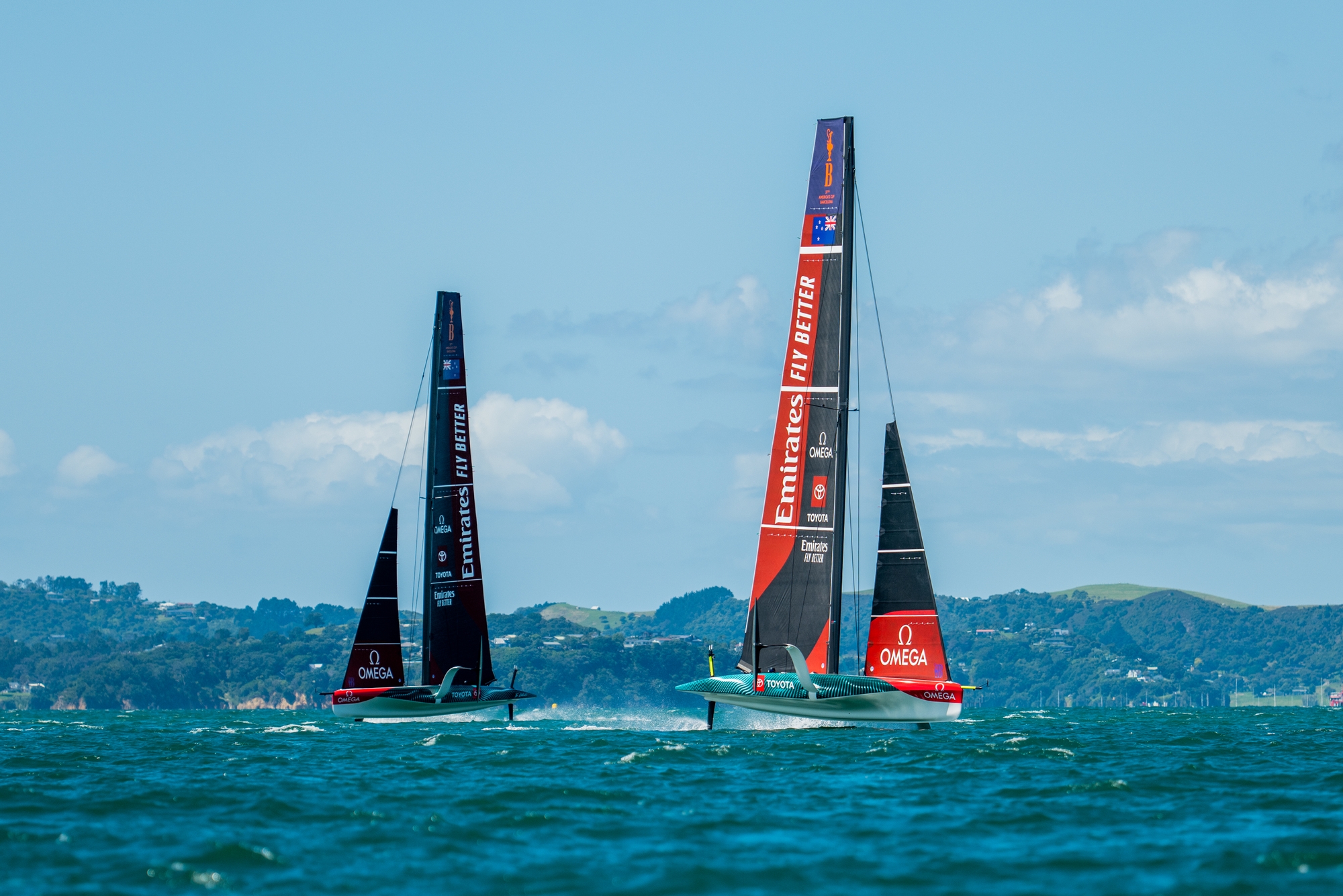
Sailing was fast and furious with practice starts on a wide line before a couple of two-mile windward/leeward races with both boats setting J3 headsails. Emirates Team New Zealand are taking full advantage now of having two worked-up AC40s on the water and with pretty much perfect conditions, the programme is moving ahead with pace. Talking about the Kiwi team, Outteridge was full of praise saying: “It’s a new team for me but comparing it to teams I’ve been with in the past, the team is so organised, such a good structure here, good idea on what we're trying to achieve and a good understanding of what the competition are up to. So it's going to come down to how good the tools are and how good the on-water testing programme has gone to make the right decisions in a couple months when you have to push play on committing to building all this stuff. The team’s done a fantastic job since the last Cup finished, and getting ready, preparing for the next defence.”
Tough act to beat on the water. Perhaps technology is the only answer? (Magnus Wheatley)
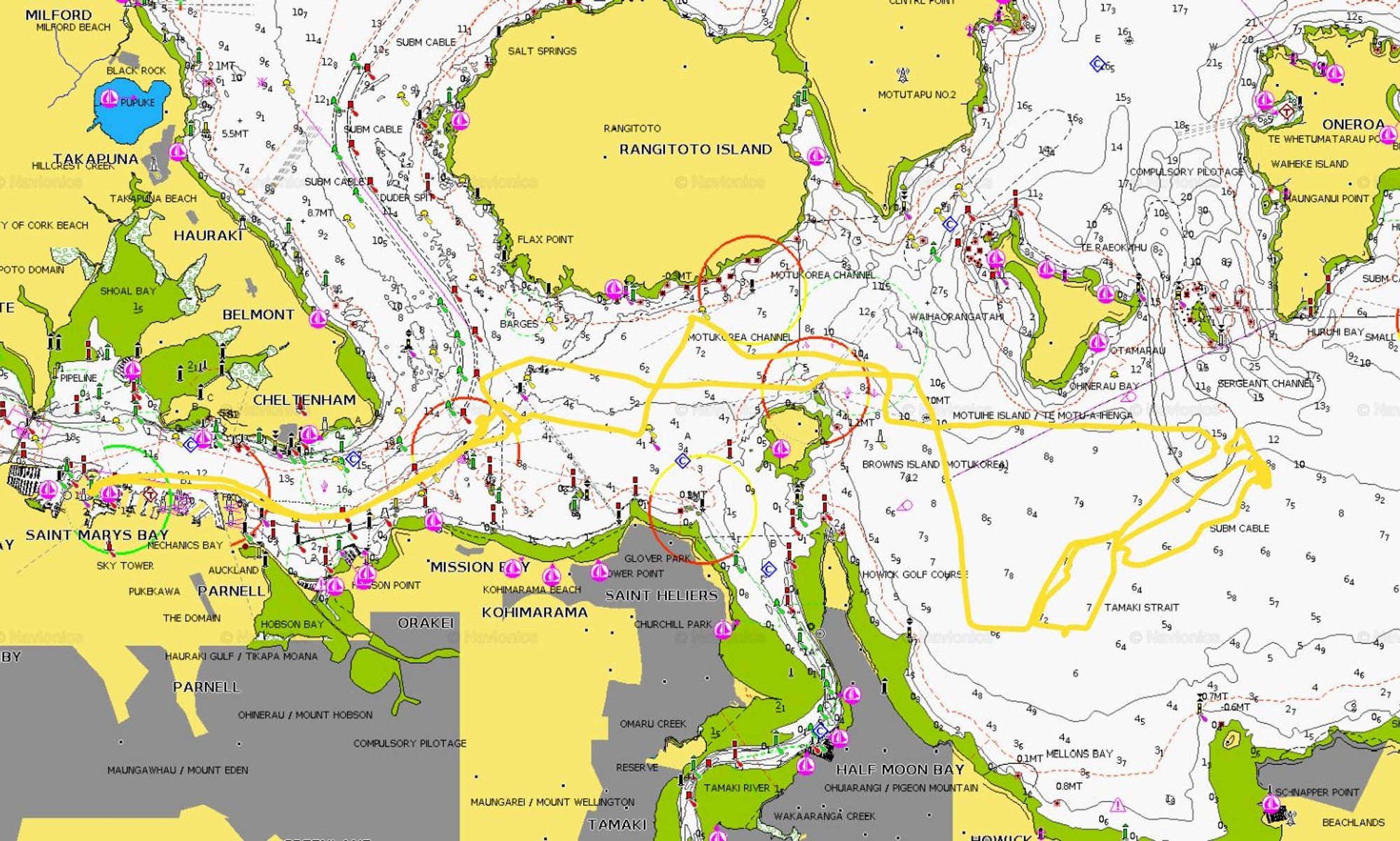
On-Water Recon Unit Notes: Making the most of perfect sailing conditions, ETNZ rolled the AC40 and LEQ12 out, starting at about 10.45. Both race yachts were in the pen and loaded with sails by 11.30. Ray Davies once again ran a full team briefing from the pen. Northern finger. At 13.00, both yachts were towed out of the basin to hoist sails.
The AC40 was the first boat to make it out past Bean Rock on her way to the ‘Back Paddock.’ The LEQ12 got stuck in light airs with the #2 on and struggled to get going. Once past Bean Rock, the breeze settled in above 10 knots, and she was off only to stop again to check/adjust the clew position on the Jib.
Less than 10 minutes later, at 13.16, the #2 was changed out for #3. A windward-leeward course of 2 nautical miles with gates top and bottom was set just North-East of yesterday's.
There were three practice starts, with the last leading into a two-lap race. The AC40 looked to win every start but may have been early as we had no countdown but went off GPS time.
The LEQ12 looked at times to be a handful to control, with several splash downs observed as well as one skid to leeward, (trying to power up too fast in a boat-on-boat situation?) As with yesterday, once up and rumbling, the boys in the LEQ12 gradually hauled the AC40 in and passed them on the second beat.
After the race, there was a short stop with chase boats alongside. We now had a second pre-start leading into another 2-lap race. Once again, the AC40 had a small lead off the start line, but by the bottom of the 1st run, the LEQ12 had caught them up. After this race, there was another stop for about 15 minutes then there was a good uneven beat home in flat water. The LEQ12 is visibly more twitchy than the AC40 and looks harder to keep in the groove. The yachts stopped and dropped sails off North Head and were towed home to dock in at 17.55
Dock out: 1200 Dock-in: 1755
Onboard the Boats Today
Helms LEQ12: Nathan Outteridge / Pete Burling
Helms AC40-3: Liv Mackay / Leo Takahashi / Josh Junior
Crews LEQ12: Blair Tuke / Andy Maloney
Crews AC40-3: Sam Meech / Marcus Hansen
Sail Used onboard LEQ12:
M2 Mainsail: 3 hours 30 minutes
J2 Jib: 1 hour 15 minutes
J3 Jib: 2 hours 15 minutes
Recon Notes: LEQ12 mainsail looks slightly bigger than the AC40 but potentially flatter toward top.
Total Tacks: 37 – 36 foil-to-foil, 1 touch & go
Total Gybes: 26 – 25 foil-to-foil, 1 touch & go
Recon Notes: Rapid and easy. From dead in water to fully foiling in less than 50 seconds
Wind Strength: 6-10 knots am- 10 to 12 on dock out and puffing to 18 by session end. Puffy south-westerly oscillating about 20 degrees. 40% cloud in PM, bright sunshine breeze built to max 18 knots in the puffs but about 14 knots average. Flat sea with some wind chop.
Take off speed: 13 knots at 75 degrees TWA (True Wind Angle)