SWISS REVEAL THE TUBERCLE FOIL
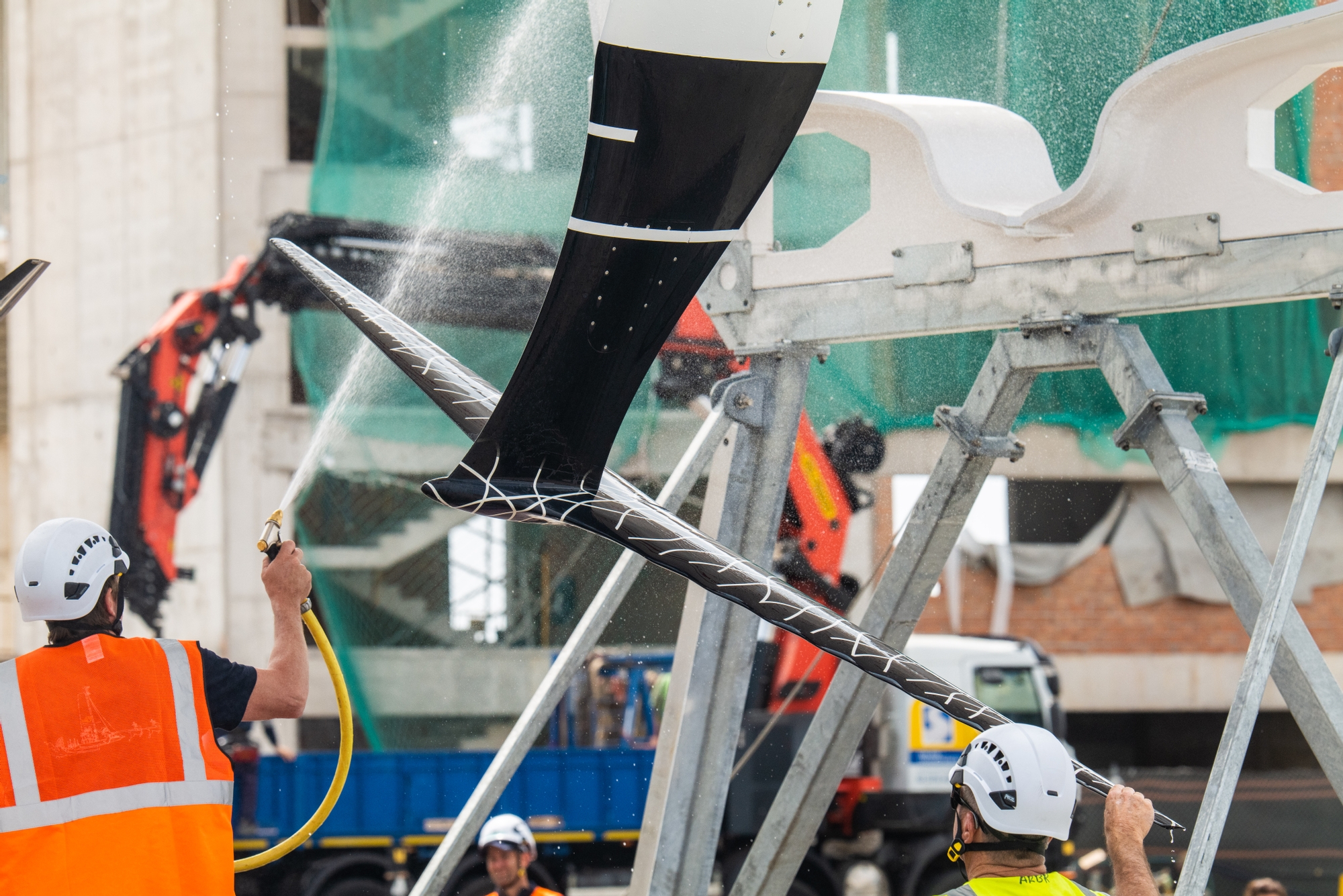
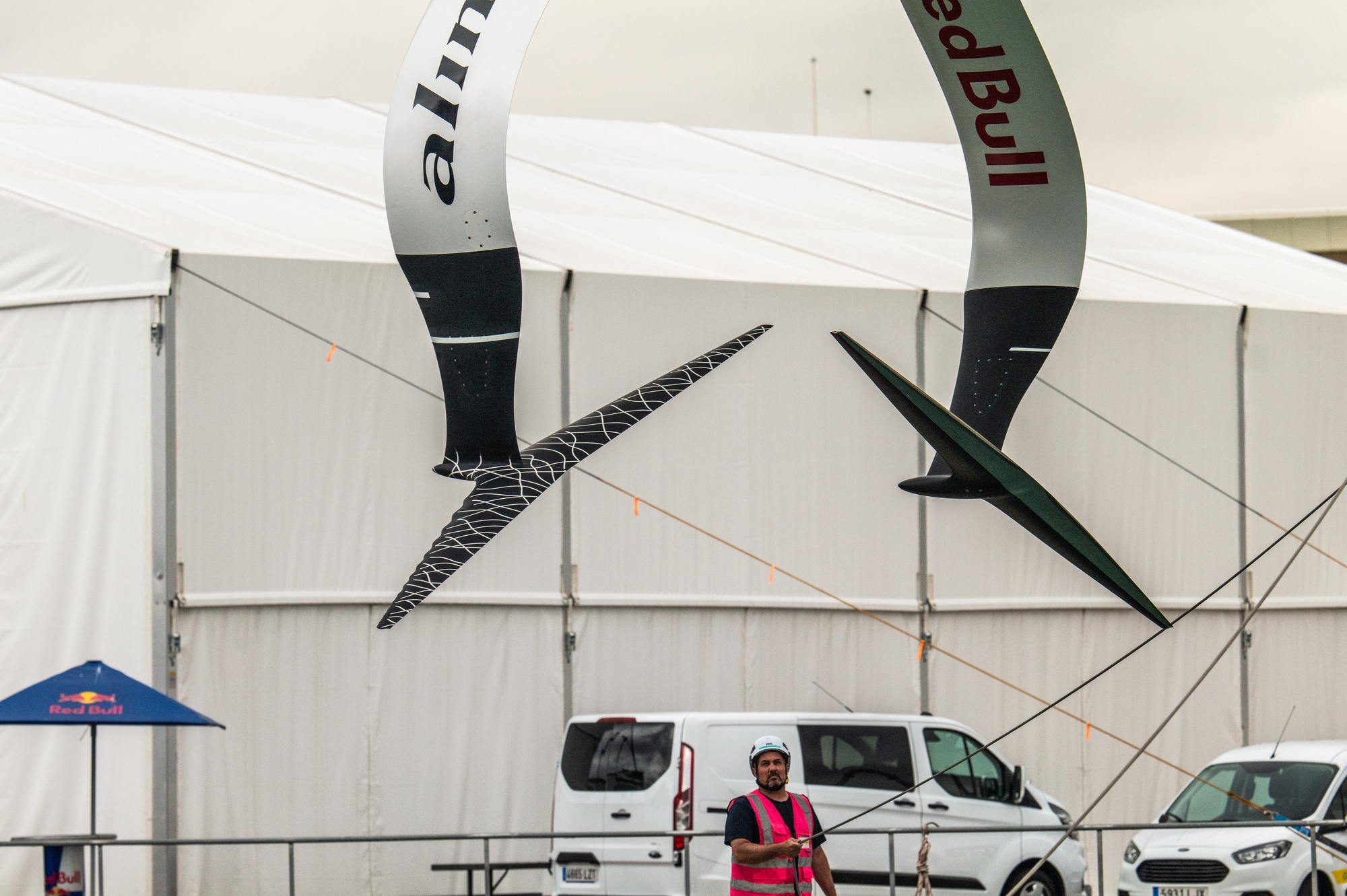
Alinghi Red Bull Racing have, to date, kept their design cards close to their chest with only small reveals of direction and thinking on the AC75 in terms of deck layout and some systems controls. What the America’s Cup world has been keen to see though is Marcelo Botin’s thoughts on foil design and today out in Barcelona, the first new Swiss foil broke cover, mounted on the team’s AC40 that now goes into LEQ12 development mode.
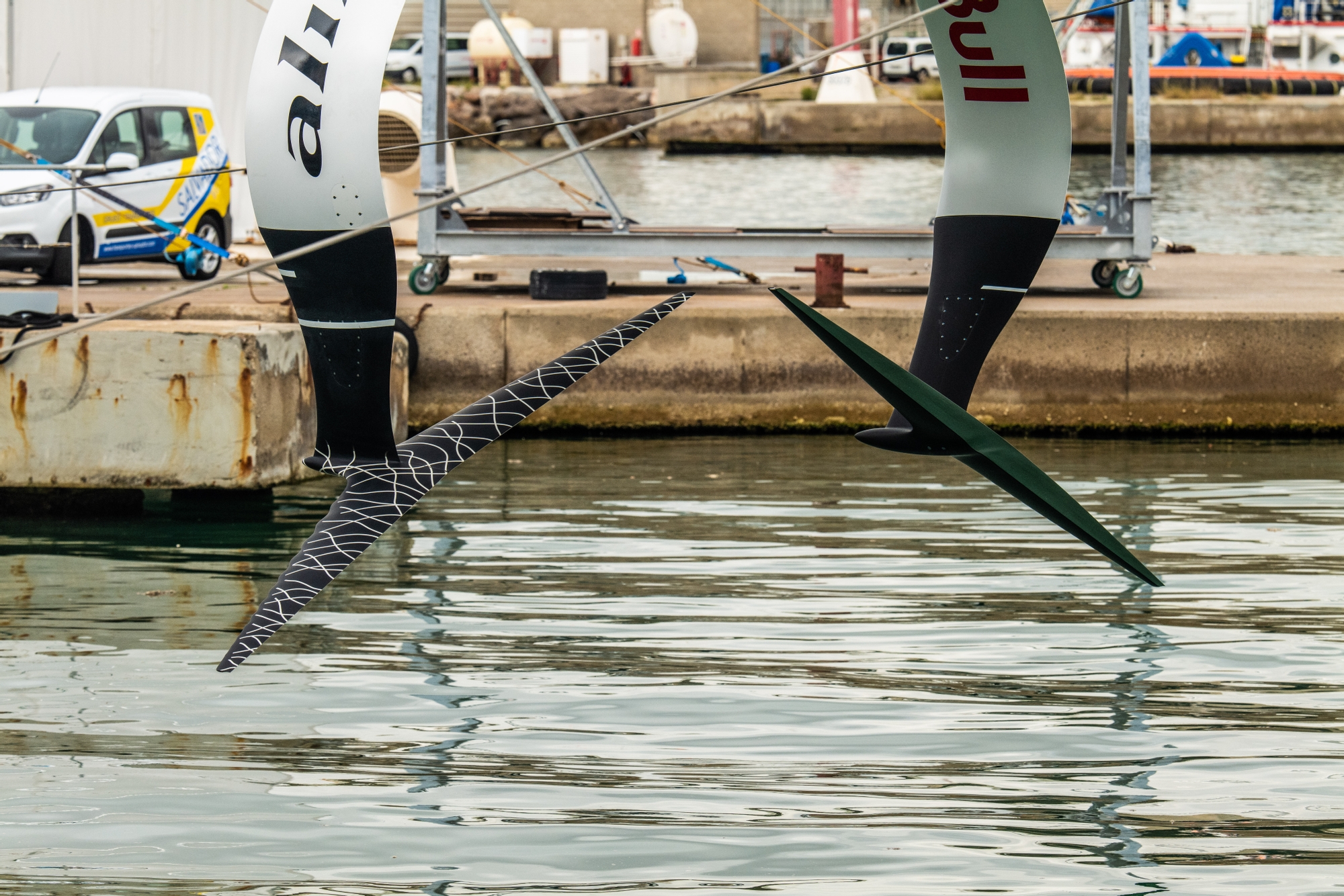
Mounted on the port side of the AC40, the most obvious observation is the size of the bulb. All the designers, ideally, would like to have the smallest bulb as the drag effect is considerable and the Swiss have revealed the most slender profile, even more slender than American Magic’s starboard profile, of this current America’s Cup cycle.
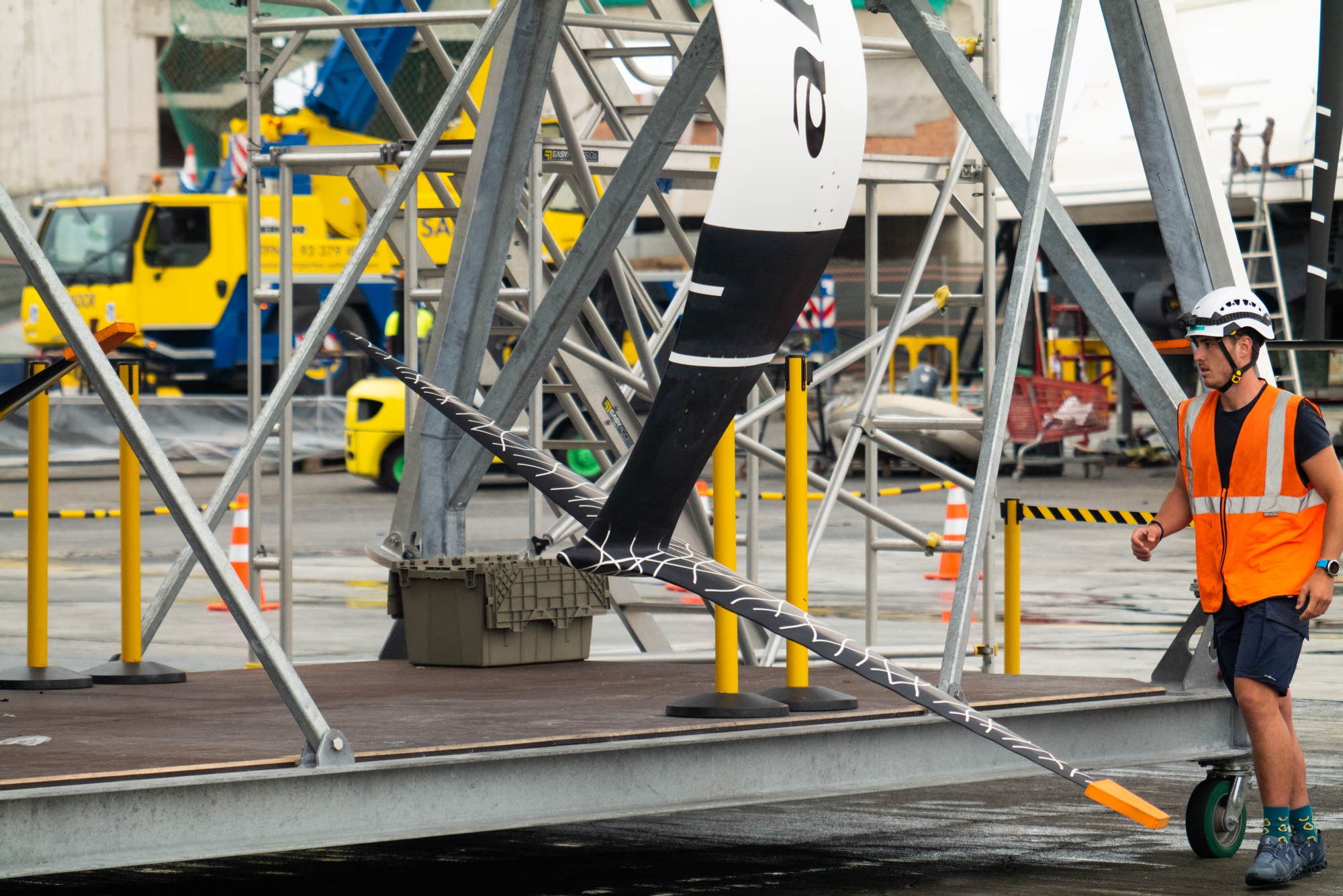
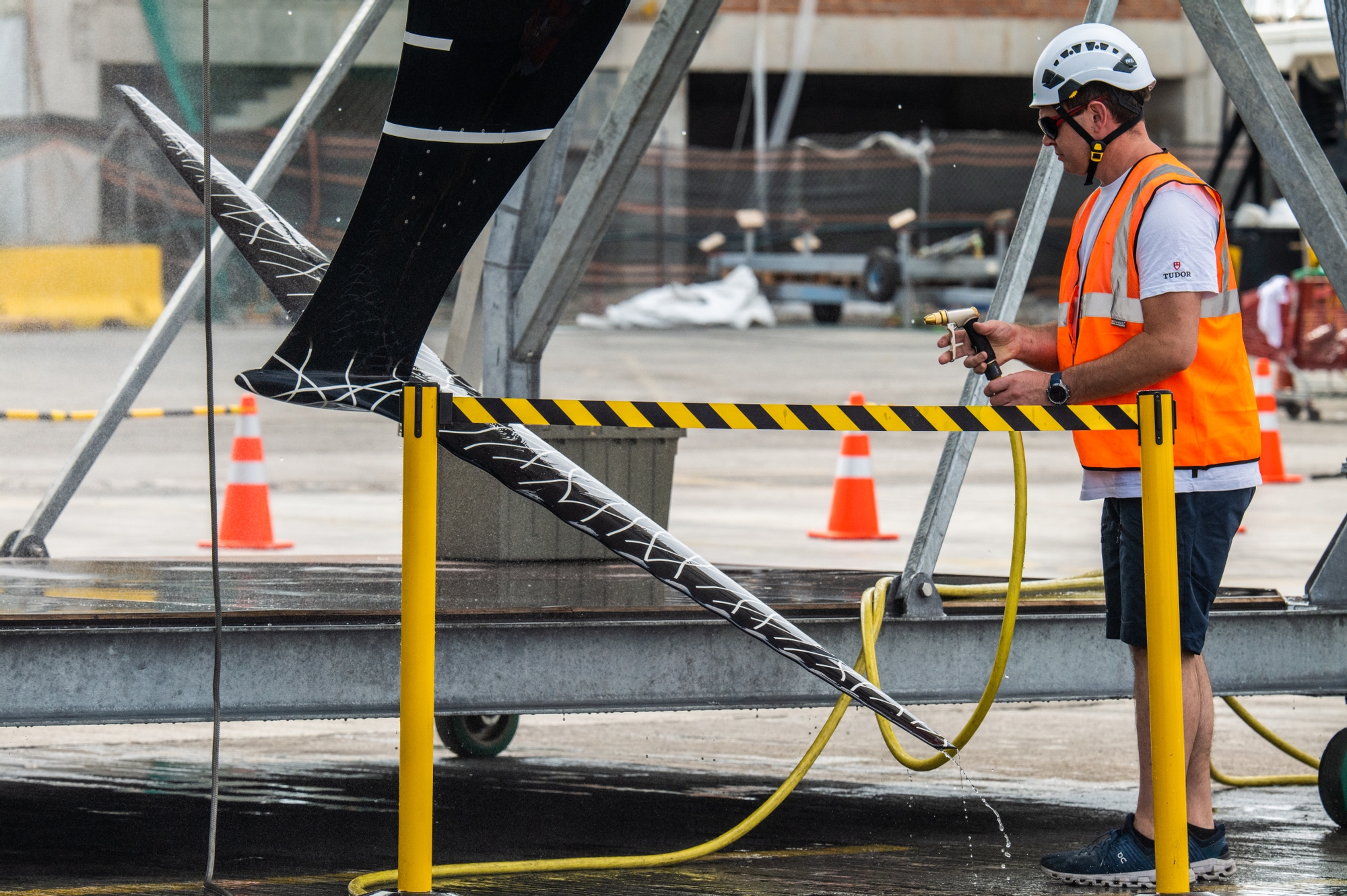
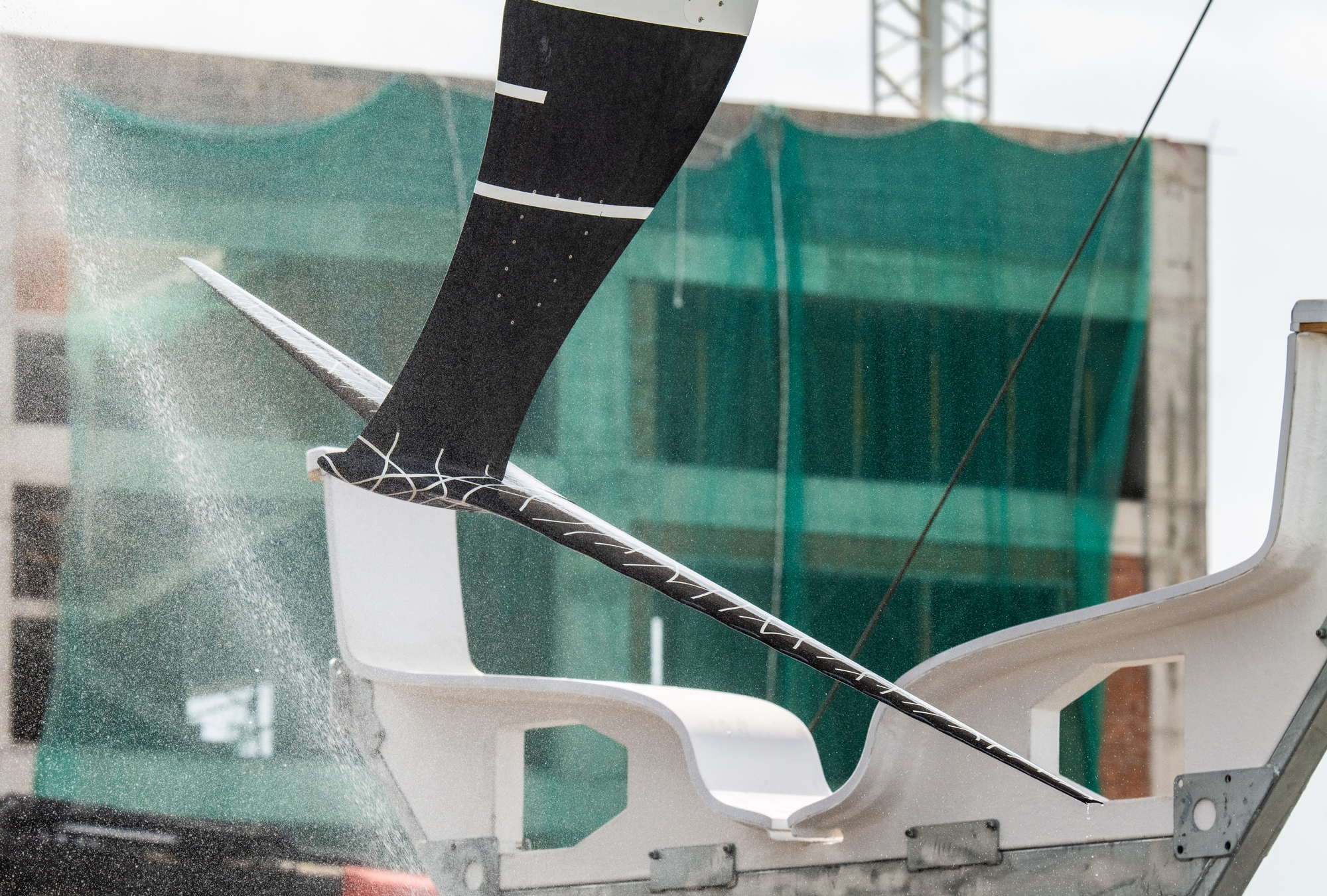
Looking at the foils themselves, what we see on the outer foil, masked in a crazy web of eye-bending decals, is a leading edge with tubercles. The ‘tubercle effect’ is a phenomenon in which tubercles, or large raised bumps on the leading edge of a wing, blade, or sail increase its aerodynamic or hydrodynamic performance. Research on this topic was inspired by the work of marine biologists on the behaviour of humpback whales and although not new to the America’s Cup, it’s interesting to see the Swiss adopt this for the outer, potentially, surface-breaking foil.
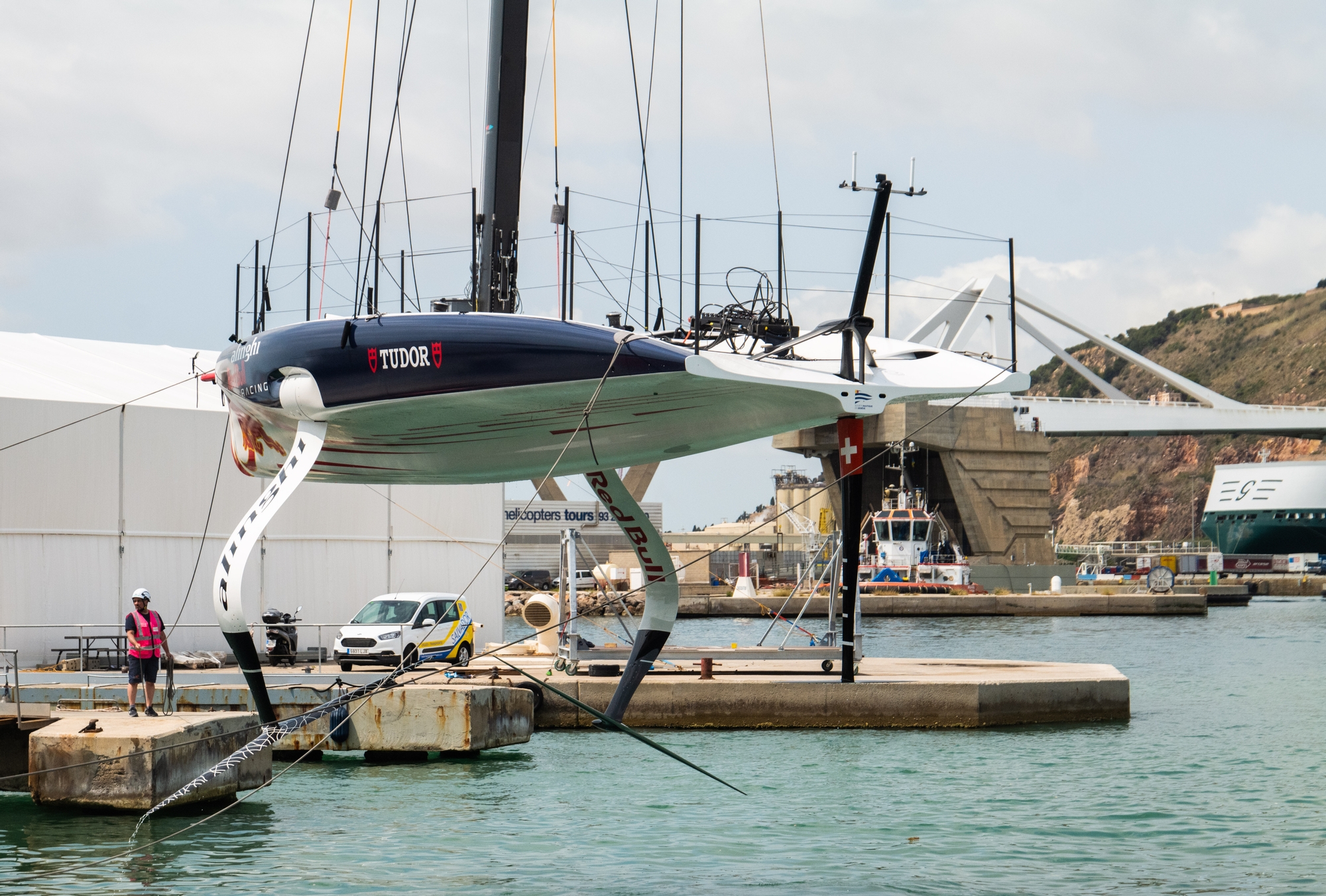
Alinghi Red Bull Racing have opted for quite a lot of volume in the foils whilst the lower foil arm, connecting to the teeny bulb, is swept forward to marry only an inch or so from the bulb tip. The wings themselves and the overall profile of the foil is swept backwards in a triangular shape and the underside recon shots reveal the hinge mechanism for the double foils similar to what we have seen on the INEOS Britannia new starboard foil and Luna Rossa Prada Pirelli’s latest version. The volume of the new wing is considerable and there look to be no aero bumps up the foil arm hiding weight to maintain the minimum, so all the weight is low in the foil and the foil arm looks to be at maximum length/depth. Interestingly no winglets on either the inner or outer foil – something we do see across the other teams in the fight to reduce leeway.
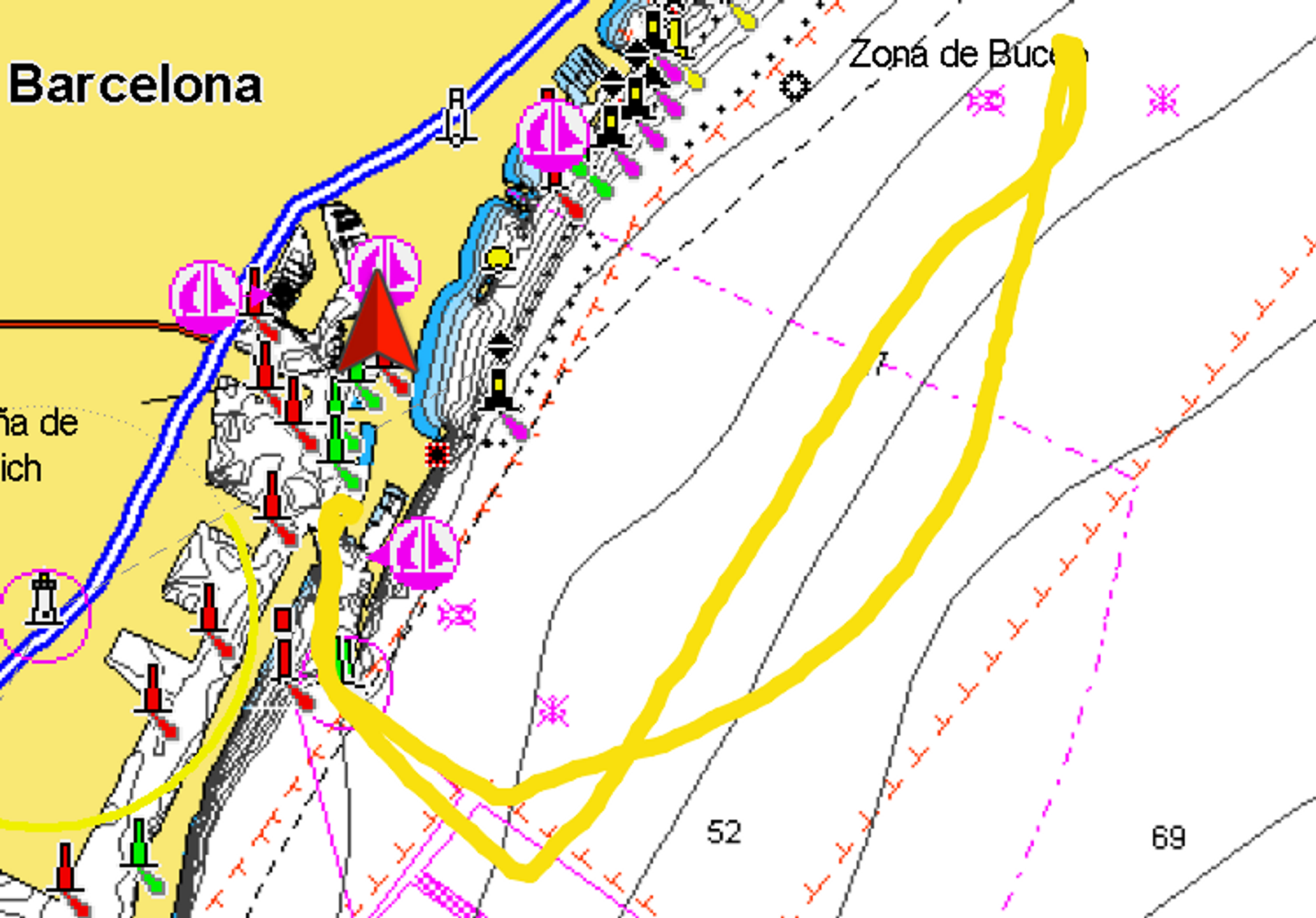
Unfortunately, the conditions in Barcelona were more winter than Spring today with what the recon team described as an “aggressive chop” and a very “messy sea state.” In those conditions and with new technology onboard, the Swiss opted for a three nautical mile tow test with foil designer Nico Bailey onboard and then took the AC40 back into the Port Vell base where the sail technicians jumped onboard with what is assumed to be a new mainsail for the AC40. Much attention was being paid to the battening at the head and the headboard area itself. We will wait to see it in action in the coming days.
Overall, this was a step-change day for Alinghi Red Bull Racing and one that reveals much about the team’s thinking and design programme. Refinements and iterations are sure to follow in the coming weeks but the technology arms-race for the 37th America’s Cup is well and truly on. Stay tuned.
On-Water Recon Unit Notes: Alinghi Red Bull Racing rolled out their AC40 at 09:40 after being delayed due to morning rain. The team revealed a new port foil configuration, with the one design foil replaced by a swept back foil, with tubercles on the leading edge of the exterior side of the bulb. The foil does not feature any winglets, with flaps visible under the foil and the top surface apparently laminated over. The trailing edge of the foil arm connecting to the foil appears to have a slightly different profile, though we did not have the opportunity to take a side on shot for direct comparison. (More below)
GoPro cameras were set up around the boat and the mast to film the performance of the new foil. With a very aggressive chop and no wind, the team only managed a short tow, 3NM North along the coast and back. Despite having sails prepared and ready to go at the base, the team did not sail. The waves and chop had no consistent direction, very messy sea state. The AC40 was still able to fly above the chop while on the tow.
When the yacht was brought back to the dock, the mainsail skins were carried on for a quick fit test. It appears adjustments have been made to the mainsail head, specifically about trailing corners of the skins, possibly with new battens. Designers were spotted taking pictures of the headboard. The sail was only in view for a short while as sailing was called off and the yacht was promptly craned out.
There are no photos of the mainsail, however a video of the crew working on the sail is available for reference.
Onboard Today
Driving Group: Maxime Bachelin / Arnaud Psarofaghis
Flight Control: Lucien Cujean / Nico Bailey (Foil Designer)
Conditions: 'Garbi' - Thermal Wind - 10-12kn S @ 12:20, 13-15kn S @ 13:30, 14-16kn S @ 14:50
Weather AM: 16°C, Rain and Intermittent Clouds.
Weather PM: 17°C, Intermittent Clouds.
Sea State AM: Beaufort 4 – 0.7-1m Aggressive chop
Sea State PM: Beaufort 4
Sails Used:
Mainsail M1 (M1-1): Prepared at dock but not hoisted - It is believed that the team have made alterations to the sail, this will be clarified when the sail is hoisted.
Dock-Out: 1100 Dock-In: 1140