MAGIC FOIL UPGRADE

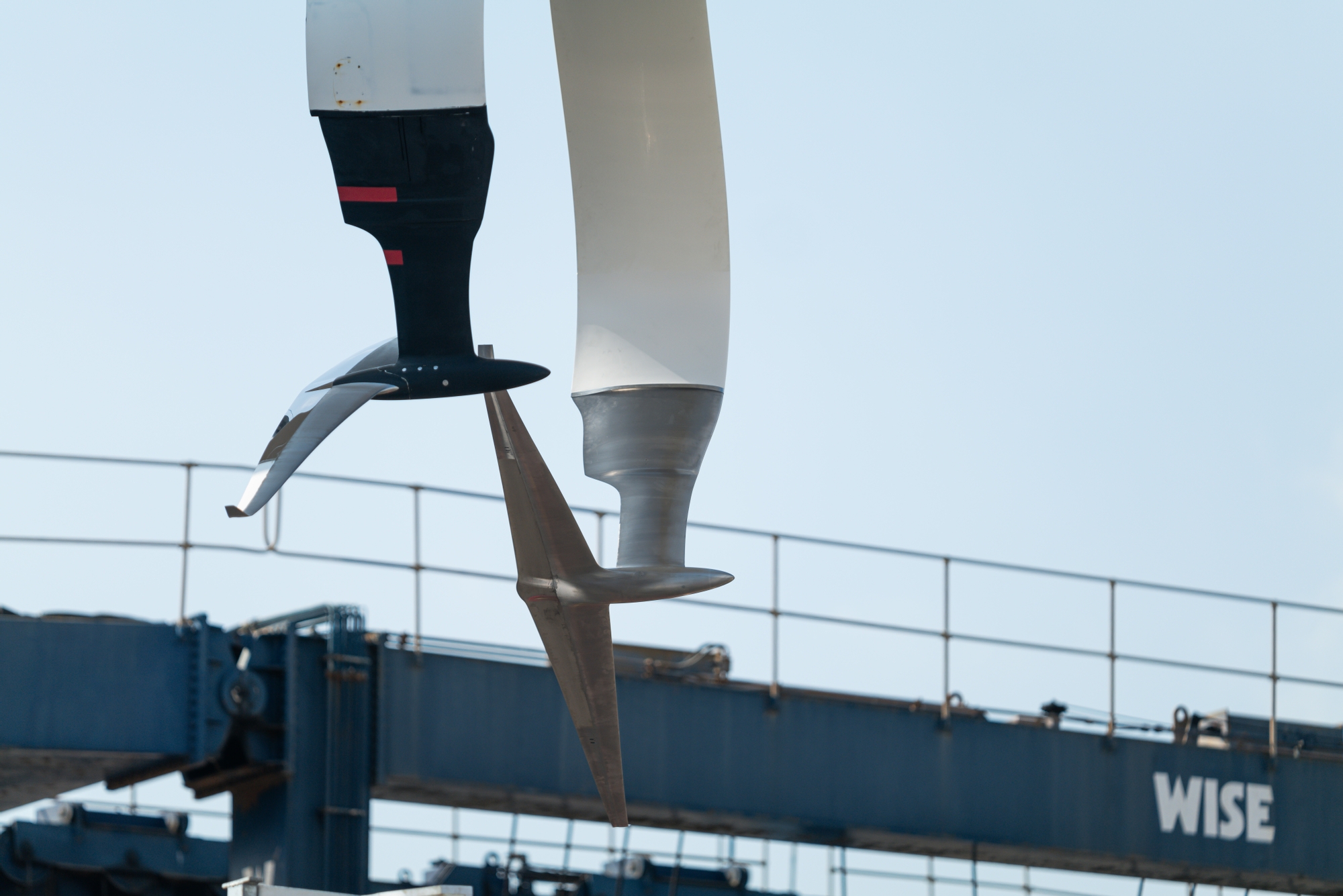
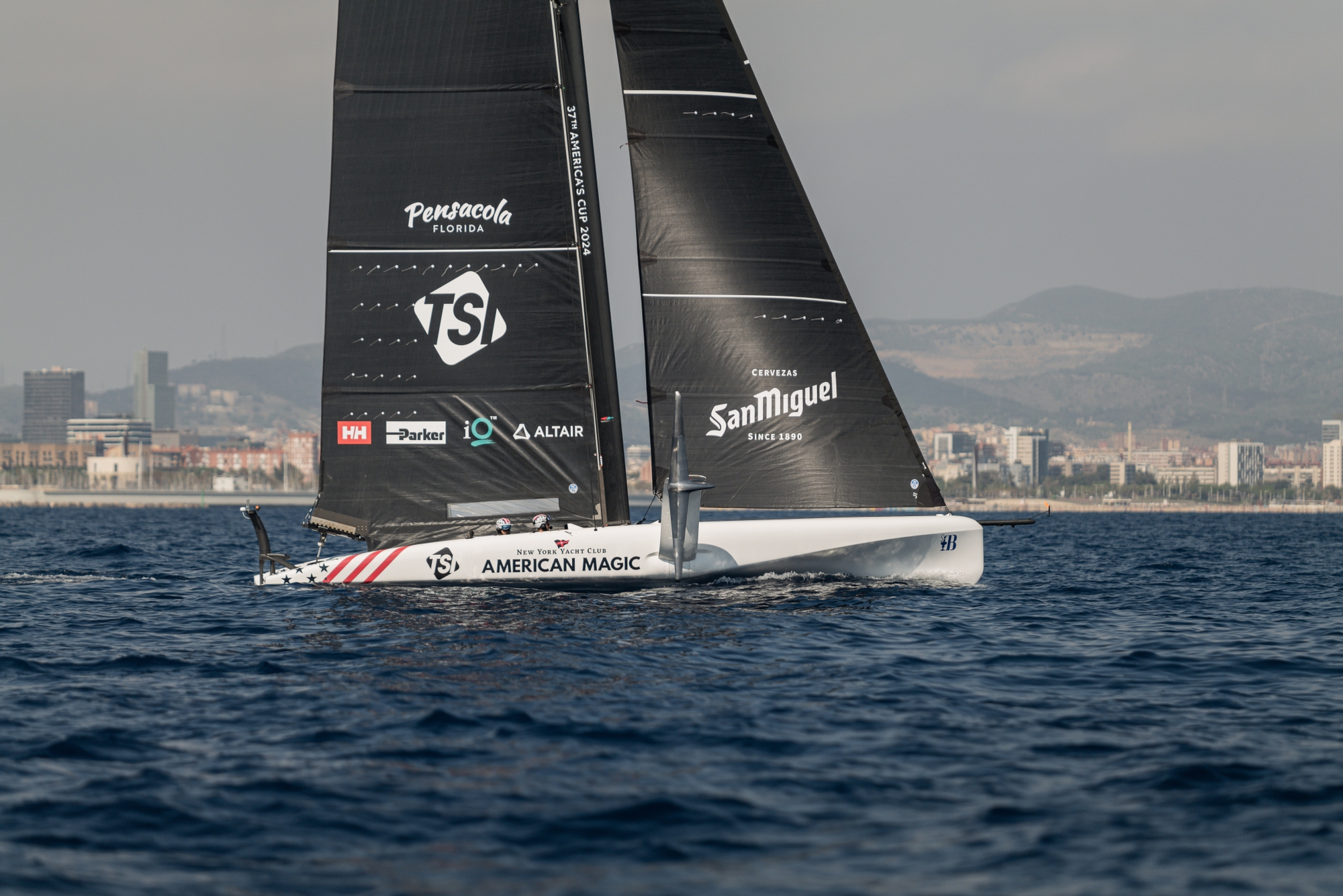
NYYC American Magic were patient on Monday, waiting for the afternoon breeze until docking out after 2pm but desperate to get a first session in on a completely new starboard foil for their regatta-winning AC40 ‘Magic’ and an upgraded version of the port foil on their LEQ12 AC40 ‘America’.
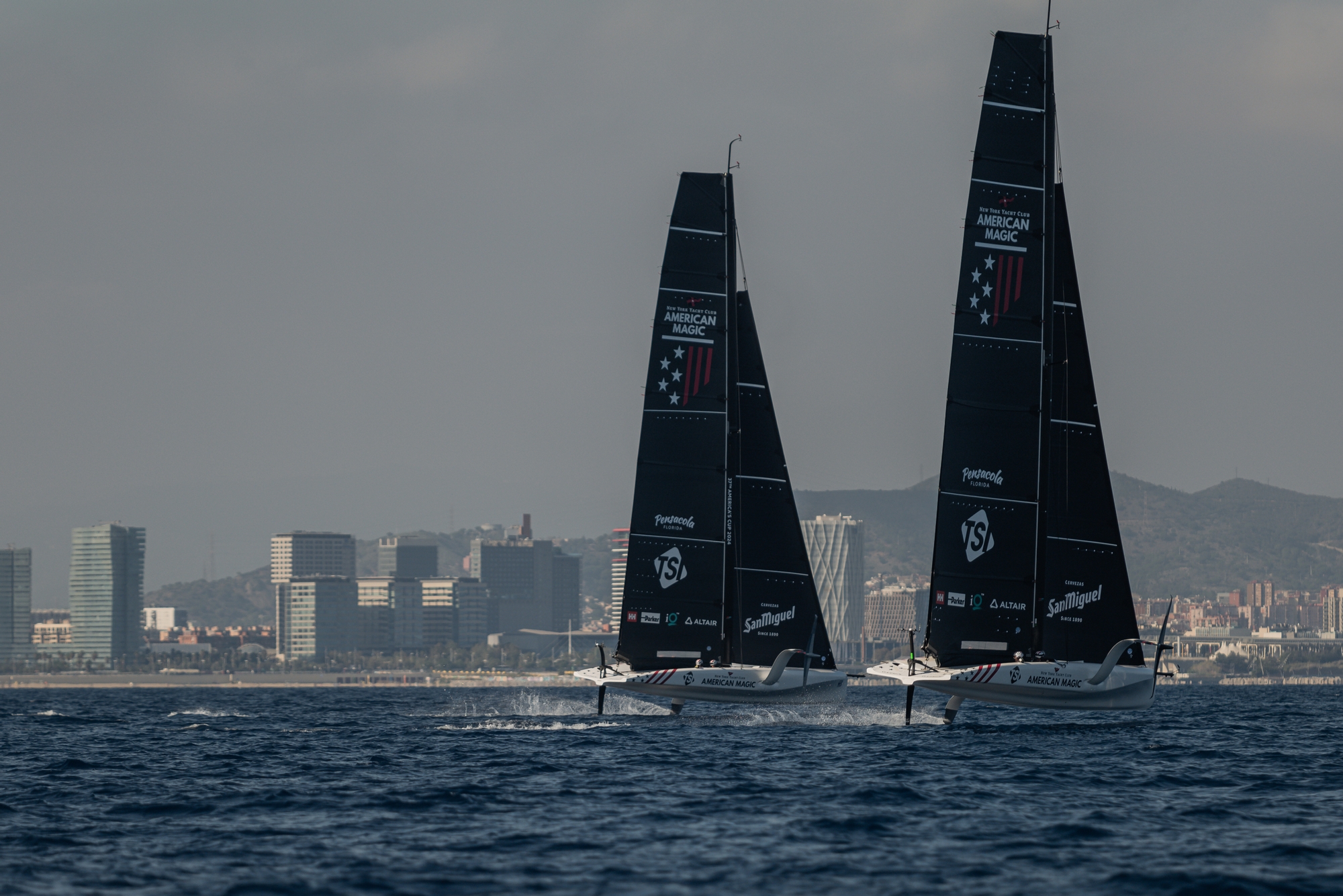
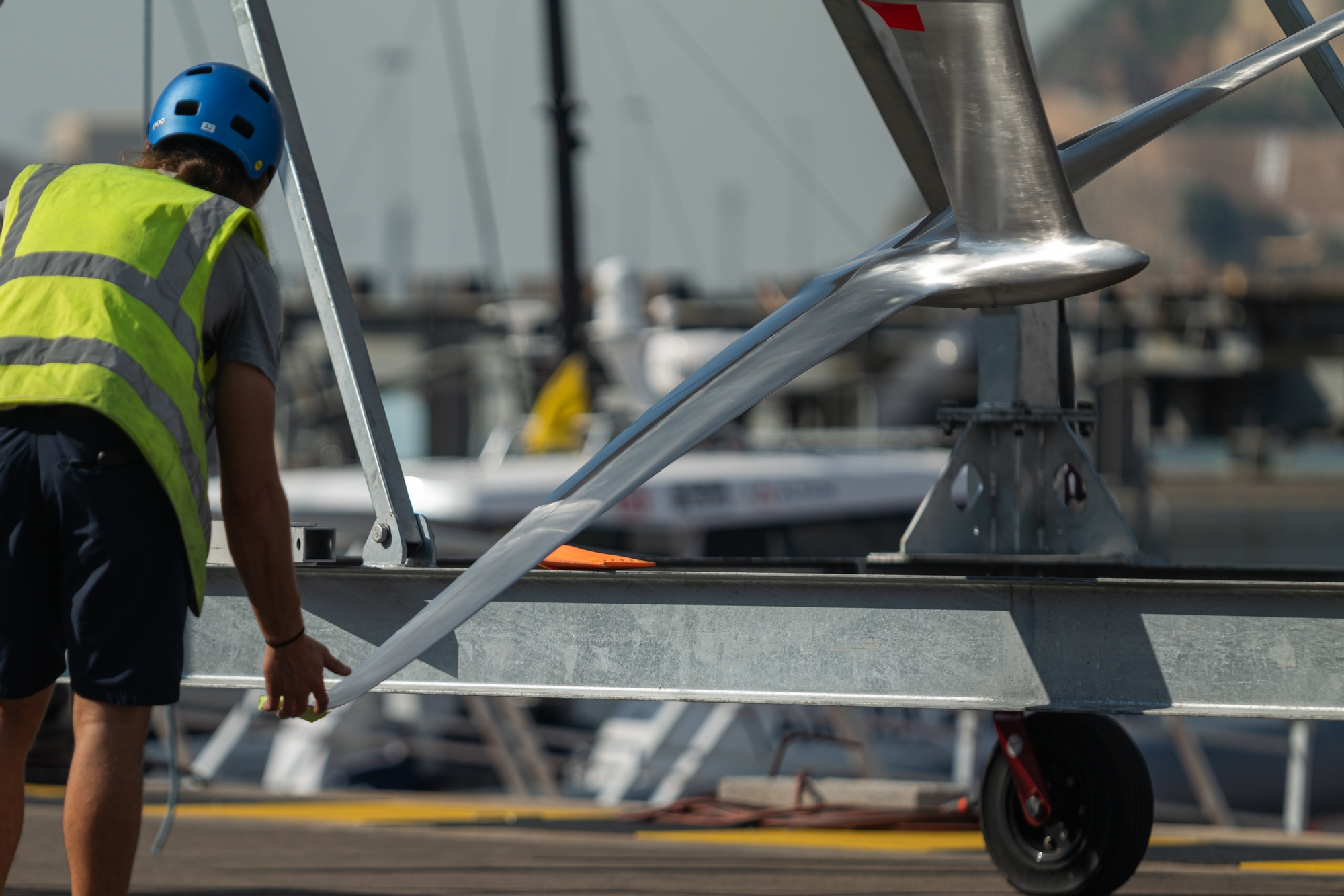
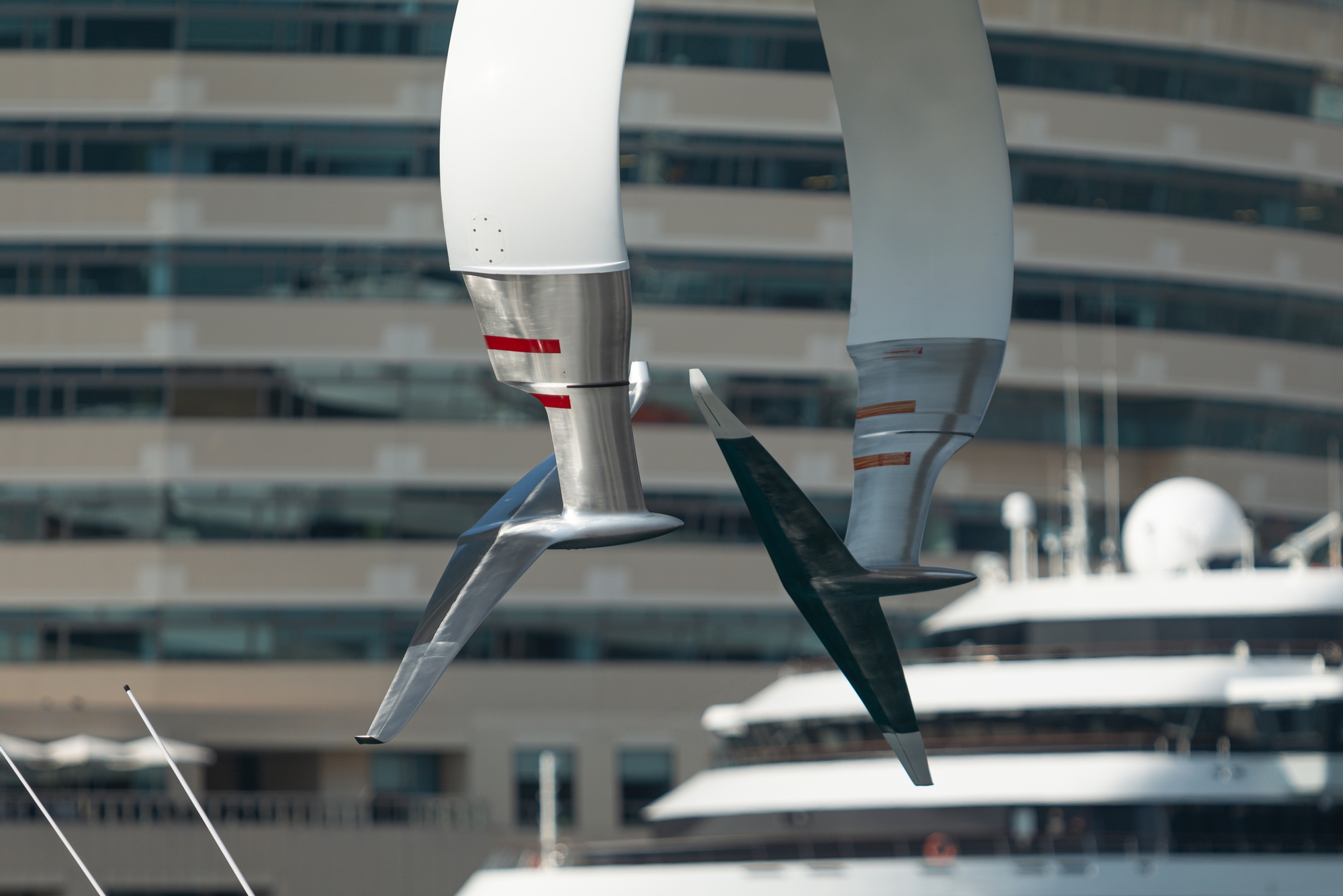
It was an afternoon and early evening session of full-on hydro testing with both boats lining up in segments and delivering the vital, crucial data back to the chase boats and the design office. Observational conclusions, without seeing that data, is notoriously difficult to be accurate on but ‘Magic’ appeared to have both height and speed on ‘America’ in a straight line on port tack upwind and with both boats running pure one-design sail set-ups, the early visuals looked highly positive for what is essentially the team’s last card to play in the foil department. Upgrades can be applied over the coming weeks but the clear developmental path that the American Magic team have taken in their foil design has all led to a refined, low volume bulb with an angular run-off behind the skeg and upturned foil tips on both the inboard and outboard end. Other teams will be paying close attention to where the Americans have ended up.
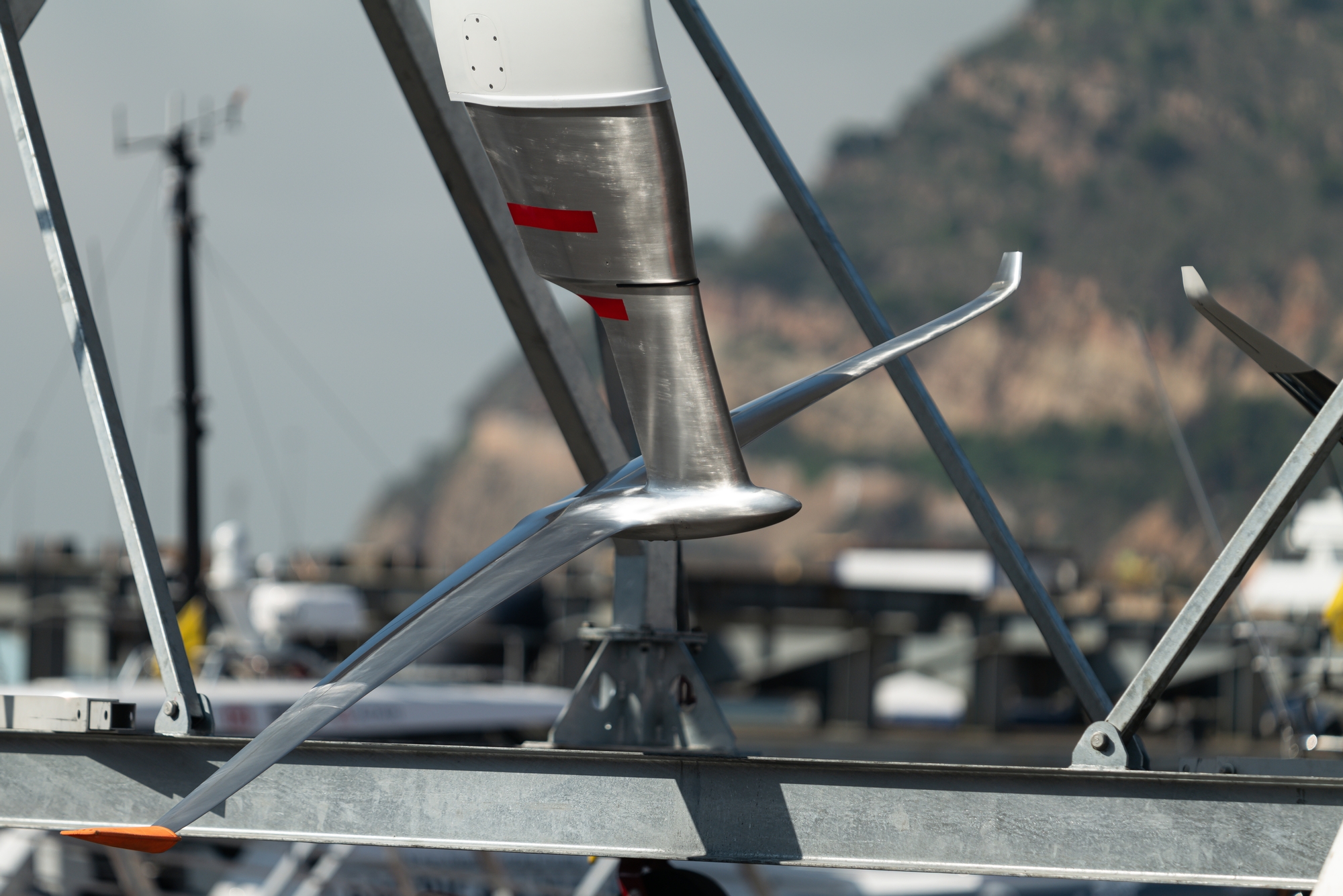
On the water, downwind it got interesting with America seemingly able to run deeper but marginally slower in the bottom end conditions with the wind-speed hovering around 7 knots whilst Magic was heated up on the angles and going faster. In heavier conditions this may well reverse or even invert in terms of performance but what was clear was that American Magic have found a useful new tool that straight out of the box is performing well. No issues on splashdowns as we saw with previous iterations that were applied to America and now the team have a perfect window of testing through to the end of October to evaluate the likely America’s Cup Match conditions and gain real-world foil data. Ominous for the rest of the challengers.
Speaking afterwards, Tom Burnham the super-coach of NYYC American Magic, gave a terrific update on the day saying: “Sometimes we can we can get different conclusions about which foils like which boat speed so some foils like to go faster than others and some like to go higher and slower so we're just trying to figure out the sweet spot of each of the different foils and try and figure out the balance of which one will go best around the whole race track and then that's part of what we're looking for in the manoeuvres as well as to not just get the straight-line performance but also the manoeuvring performance of these foils. So it's an exciting time when you're testing our own foils and get to do all these types of tests with two boats. It's really great.”
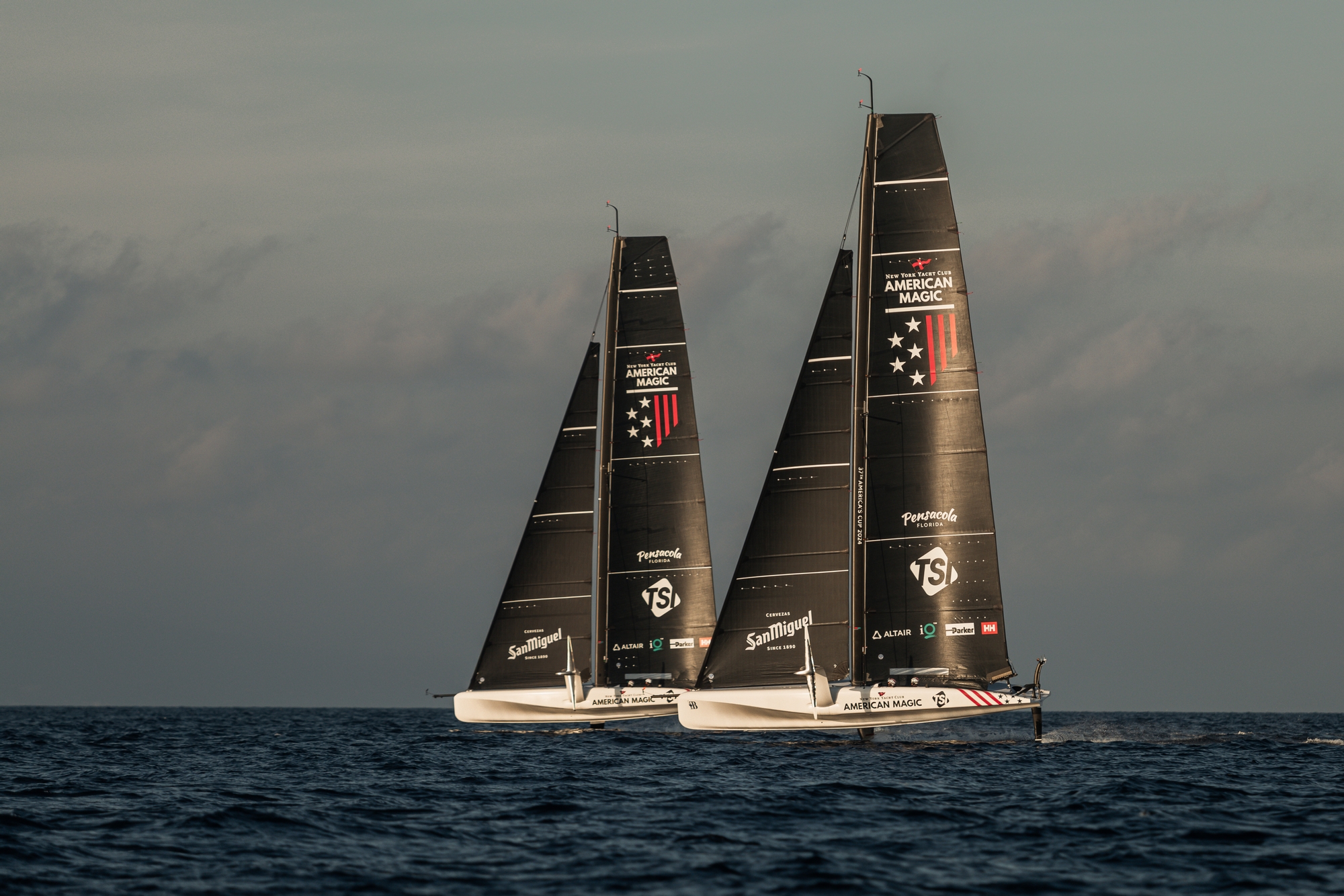
The team dock-in at just after 7pm from a five-hour session where getting quality data was simply everything. The team spent a good deal of time lining-up the boats to get the optimum from them and as Tom says: “…one of the things that's tricky about sailing on a boat with foils when trying to get lined up for testing is how hard it is to get the boats in the right spots because when you sail in such light air you don't have a whole lot of freedom of movement of going high and slow to let the boat catch up, so there's a lot of times when we're off of optimum angles just to get the boats in the same line up so it's a bit hard to tell. It will be interesting to see what the data shows us tomorrow morning when we look at it all afterwards.”
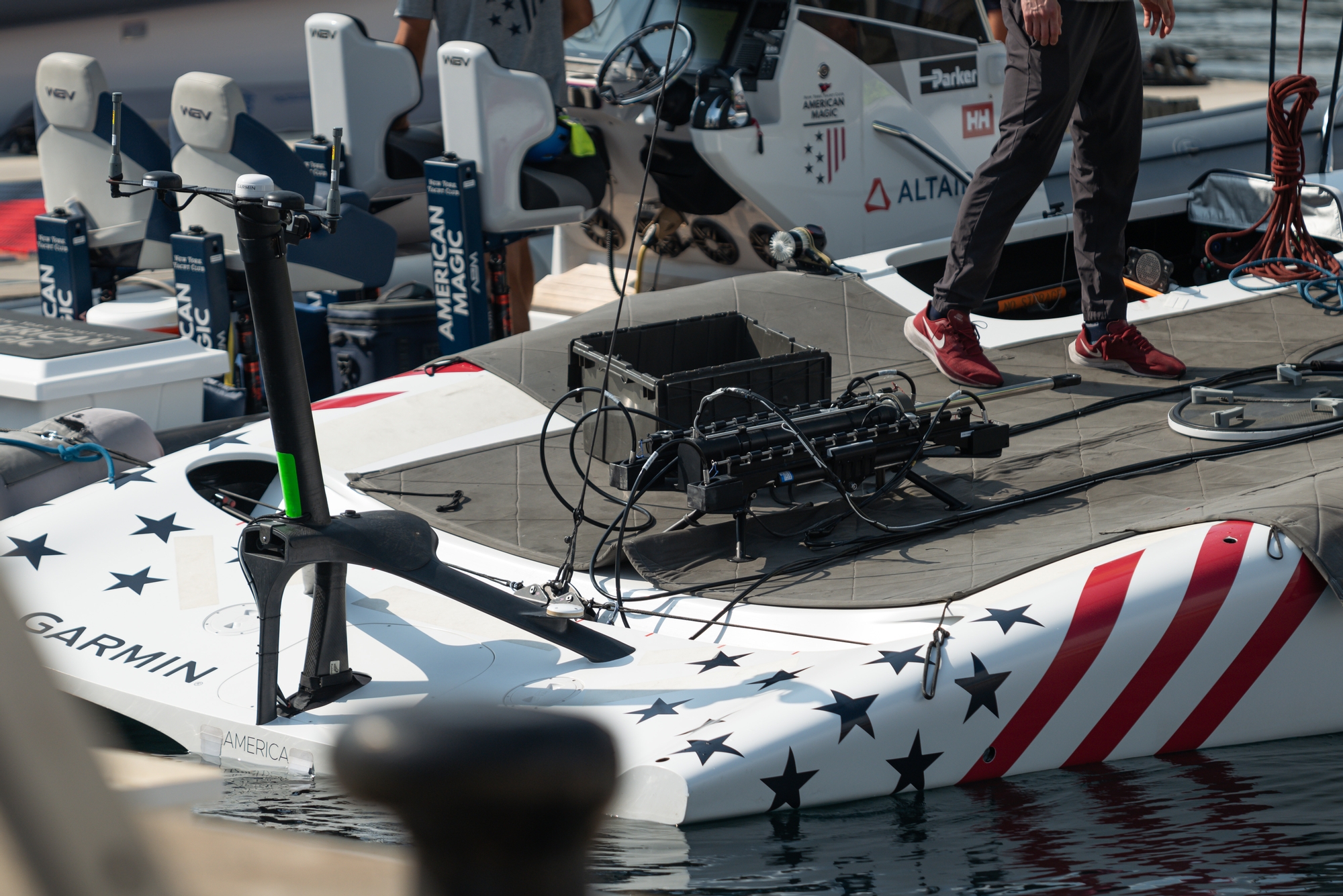
With an array of foils now all at various stages of their working-up, the headache of selecting the foil set-up for their one-boat new build AC75 is something the team will be working up all throughout 2024. Tom acknowledged that data processing and then marrying that with what the expected conditions will be like next year, will be key, saying: “All these foils are an option and we need to look at all the data because it's not just about performance in the tacks or just about the performance in the straight-line it's all around an entire race track so yeah we got to go back and look at all the data and then make our decisions based on what we think the winds are going to be next year and there are so many factors into this that it's that's what makes it fun and exciting and sometimes we end up with a whole bunch of information and it just makes the decision even harder sometimes so it'll be interesting to see.”
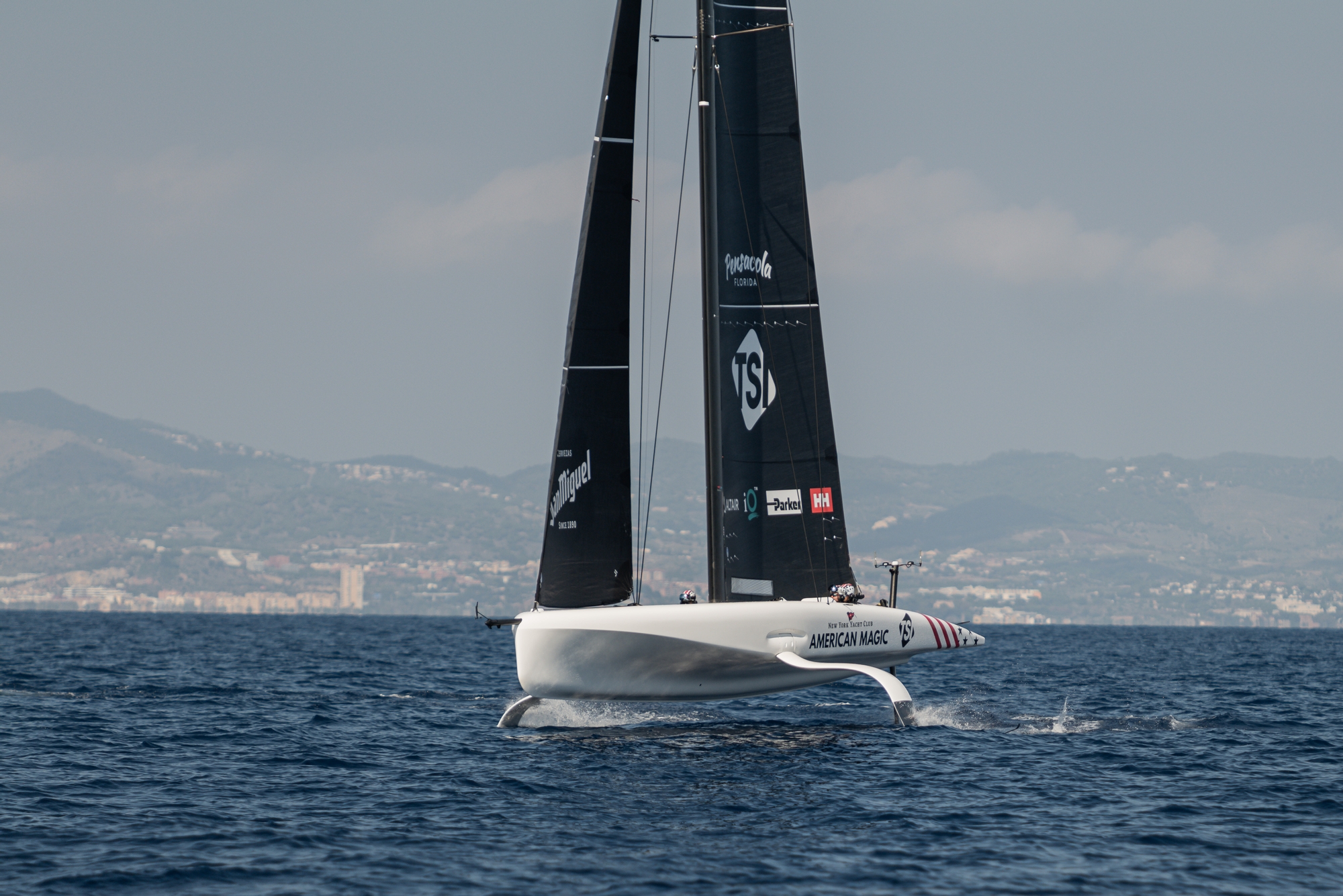
And reflecting on the Preliminary Regatta win in Vilanova two weeks’ ago, Tom gave an insight into the team’s morale at the moment saying: “It's really great it was awesome the guys performed really well on the regatta but not just the sailing team but the entire team performed really well at that event and it was a good experience for the whole team…it helps it helps bring the group together and the sailing team but it also helps energise the entire team and it's really nice to see and is validating that all the hard work we put in. You can see the long hours we put it on the water trying to catch up and get the group to gel and bond and when it pays off at an event like that it's really satisfying but we all know that the event next year is going to be in custom boats and custom foils and so all these decisions and all this information we are gathering on the days like today are so important but at least we know that when asked, the sailing team performs well and so that's a really good step in the right direction.”
NYYC American Magic are doing everything right at the moment and it’s not going un-noticed amongst the Challengers vying for the 37th America’s Cup. Interesting times in Barcelona right now. (Magnus Wheatley)
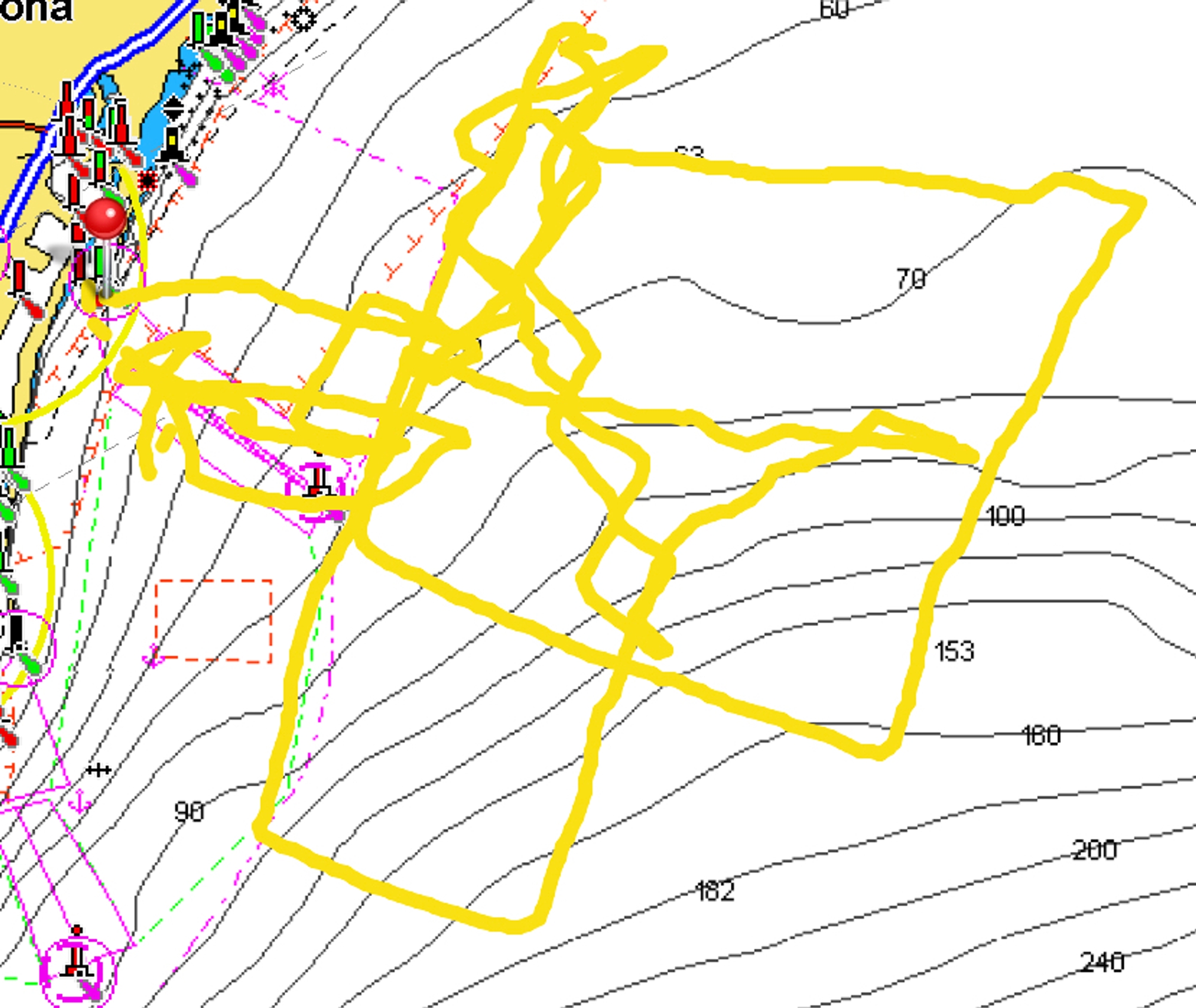
On-Water Recon Unit Report – NYYC American Magic: NYYC AM rolled out their two AC40s from the shed at 11.15 and 11:52, respectively. Both boats in LEQ12 mode.
Magic presented a new wing and flap on the starboard side, possibly FW4 and FF4. Their fourth and last wing and flap of their LEQ12 components allowance. On the port side, wing #1 and flap #1 (FW1 and FF1) were maintained from last week.
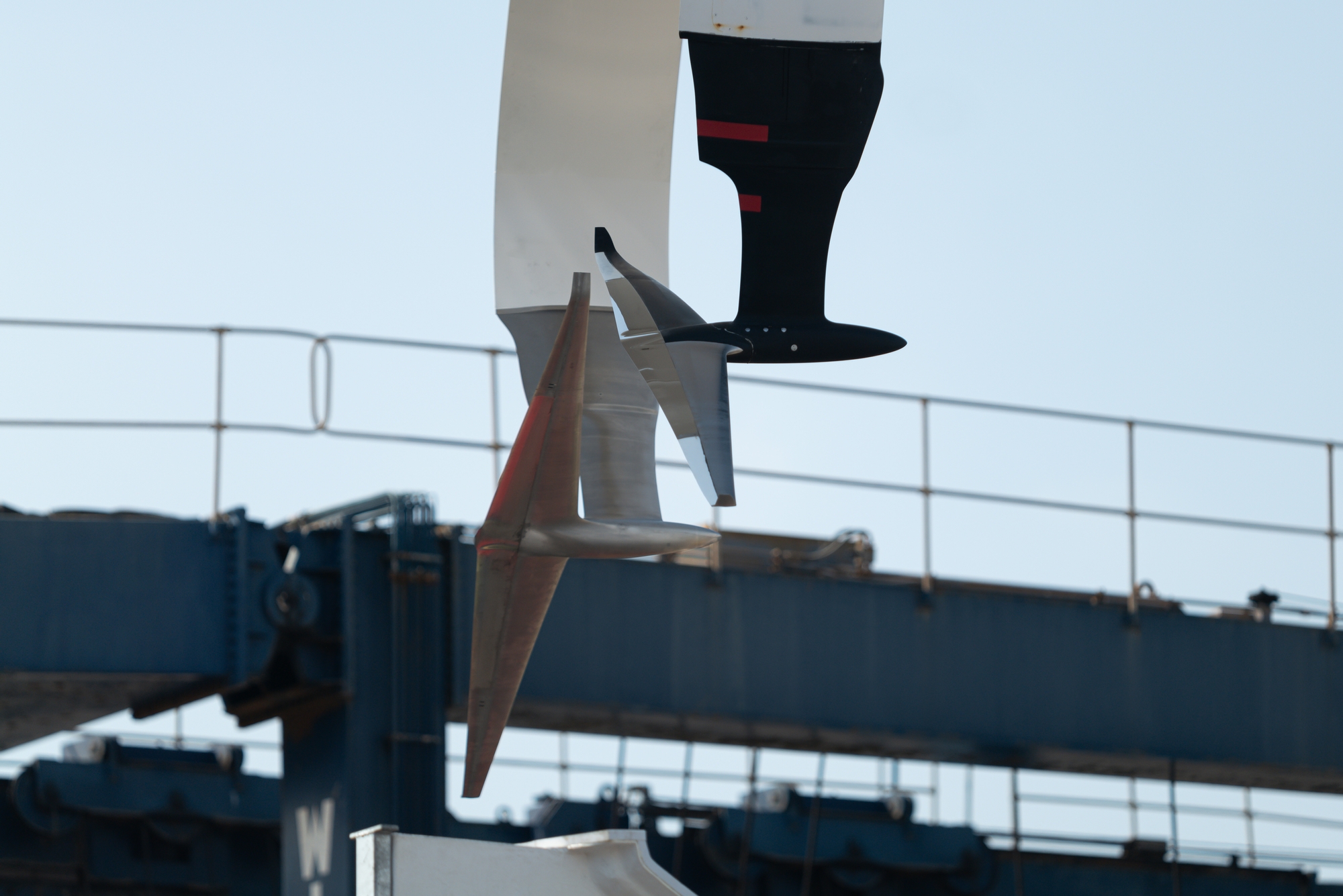
America was composed with foil wing and flap #3 (FW3 and FF3) on the port side and FW2 and FF2 on the starboard side. However, the Skeg on the port side arm was removed from last week, and there might have been some modifications over the weekend on the port side flap (to be confirmed with components declaration coming within the next 48 hours).
Both boats were craned to the water at 11:45 and 12:18, respectively; and they docked out at 14:25, one hour later than planned due to lack of wind. One-design sails were selected for both boats, probably with the intention to eliminate ‘sail variables’ when testing, as the focus of the day was on the arms, wings, and flaps. The MN3 on America and the MN2 on Magic were hoisted, combined with one-design J1s while coming out of the harbour at 14:35 approximately.
Leaving aside the breaks and the time consumed trying to position both boats on speed testing position, dealing with being able to stand on the foils and to continue to fly consistently in marginal bottom end wind conditions; three long upwind and downwind legs were carried out with both boats speed testing and swapping positions to windward and to leeward.
On port tack, while sailing upwind, Magic standing on the new foil on the starboard side seemed to be faster and higher than America with foil #2. However, on the downwind legs America despite being slightly slower in speed, were much lower on the course, achieving a stronger downwind VMG. These differences on performance were repeated on the three speed tests, both upwind and downwind.
When speed testing on starboard tack, differences were smaller standing on wings and flaps #1 vs #3 on the port side, on Magic and America, respectively. On the downwind legs, America was slightly lower at times doing the same speed. On the upwinds, no clear conclusion could be achieved as they alternated who was faster or higher in the three different speed tests.
When talking about the conditions, the degree of reliability of today´s speed tests is high as we had flat water conditions, combined with a very stable onshore sea-breeze, in both direction and intensity.
At the end of the day during the last forty-five minutes of the training session, both boats practiced some tacks and gybes in marginal lower wind range conditions. Magic seemed more consistent, while America struggled to stay flying a couple times, especially when tacking from starboard into port. Whenever they felled from foil #2, they had to tack into starboard again to be able to take off with no assistance.
Lastly, there were three big, long breaks during the day. The first one at the beginning, then one at 16:30 and the last one at 17.25, much longer than usual, of 30 minutes each approximately, with Magic stopped next to one of their chase boats on the side, while America continued to sail and train some manoeuvres. This might be signs of some technical issues onboard Magic. However, this time it did not prevent the two-boat testing session from being successful.
Both boats were sailed back into the port, where sails were lowered at 19:05, they docked at 19:15 and at 19.40 the first of the two boats was craned out, indicating the end of the day. (Sebastian Peri Brusa – Recon on NYYC AM)