MARGINAL TECHNICAL AND TESTING GAINS
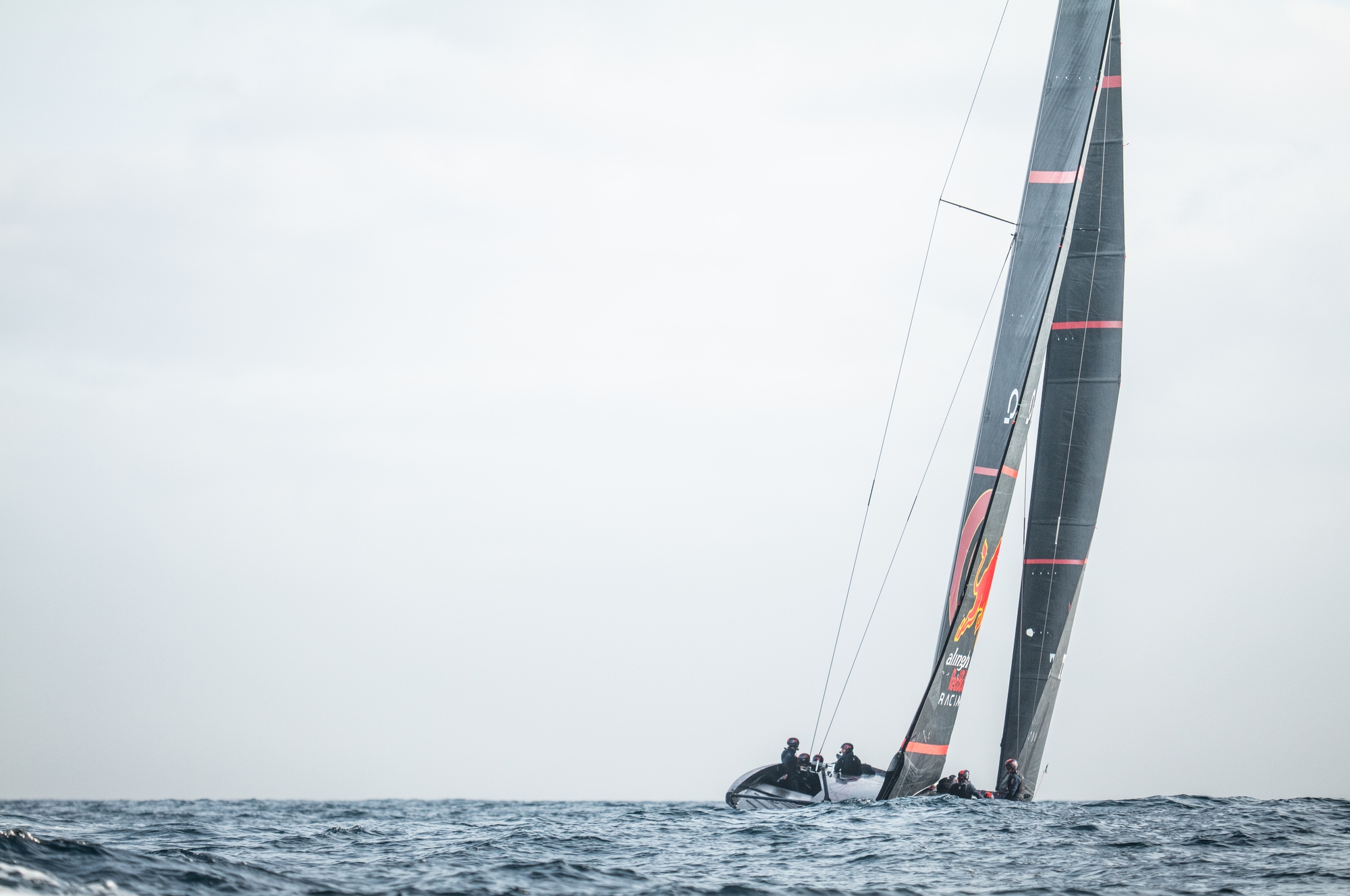
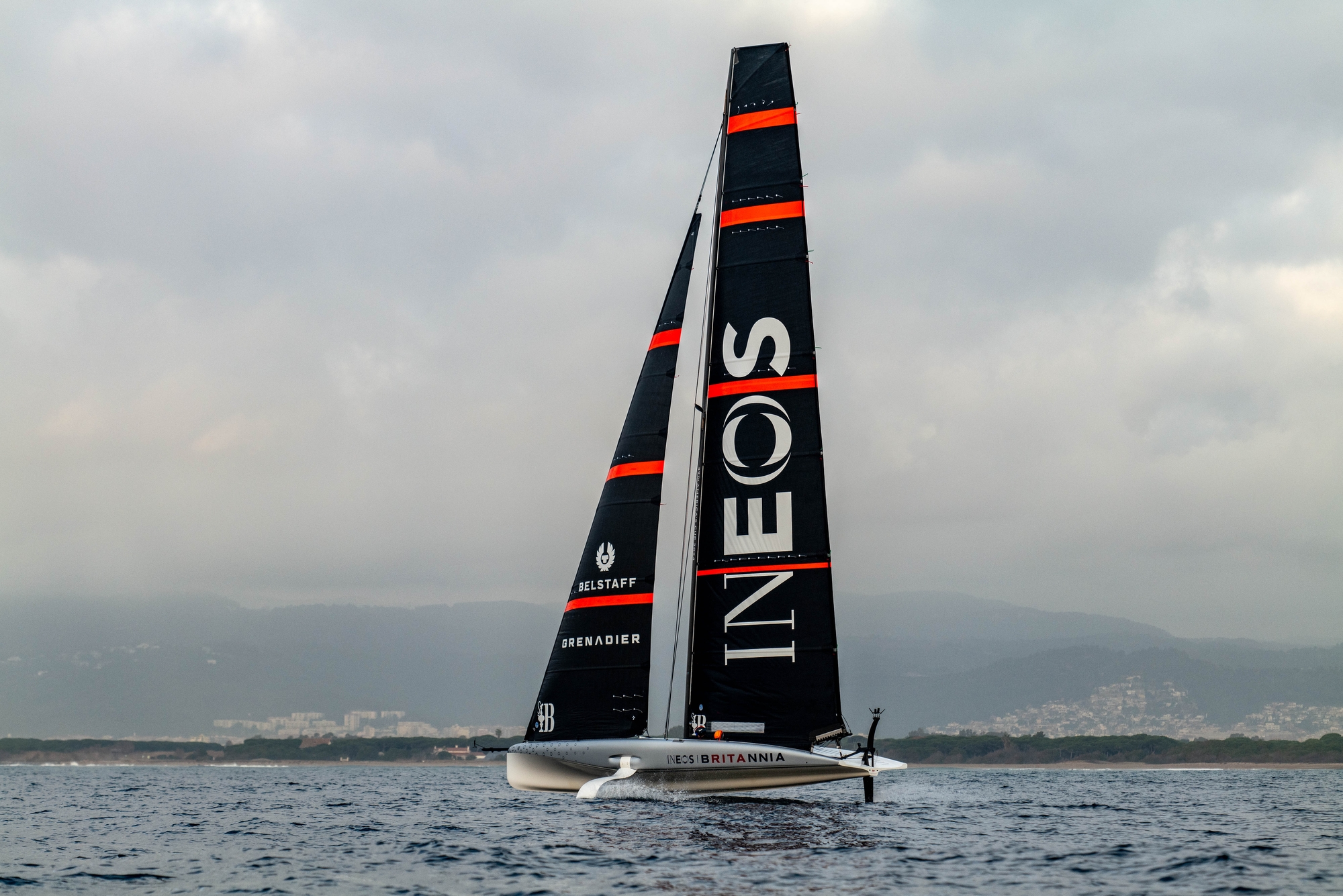
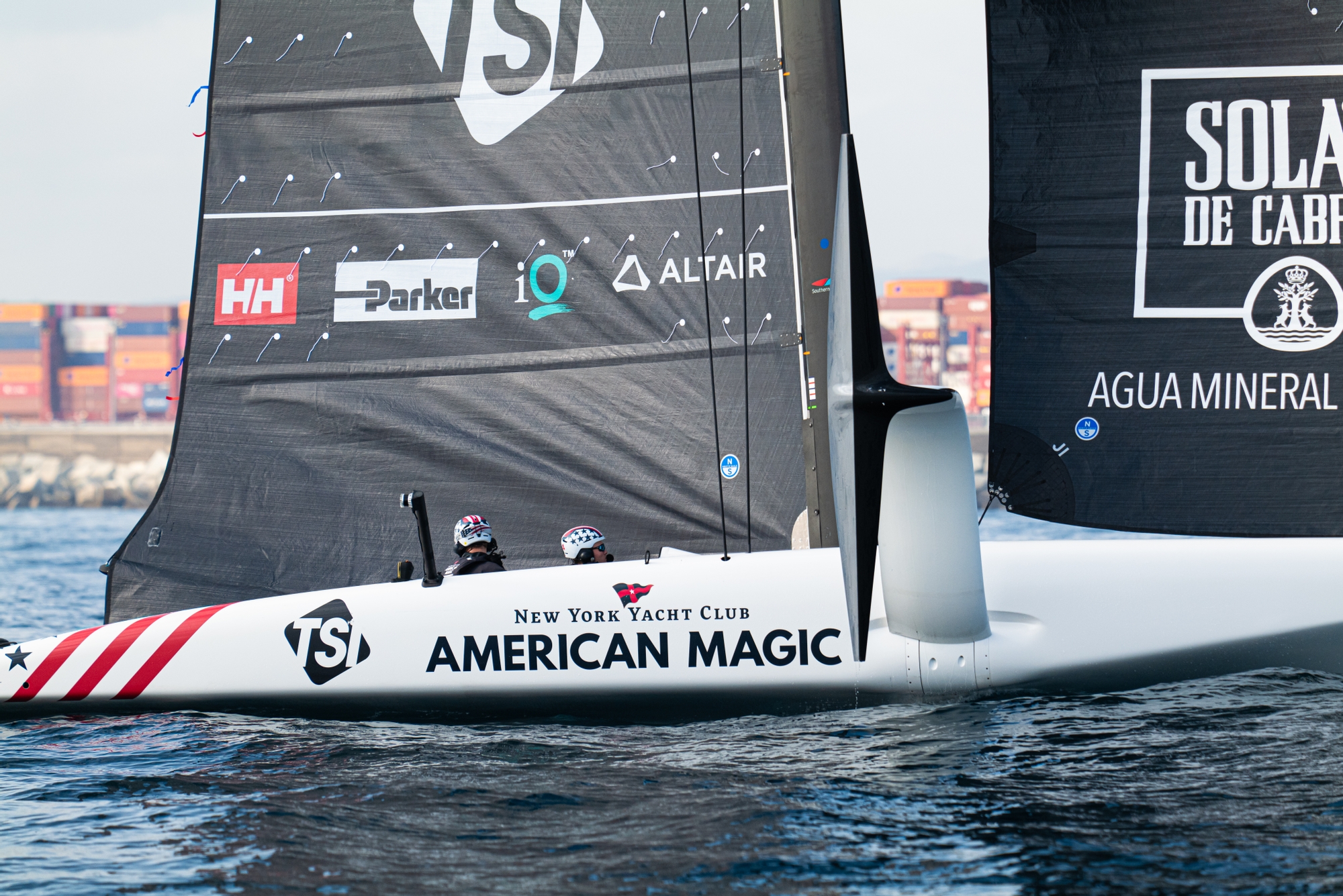
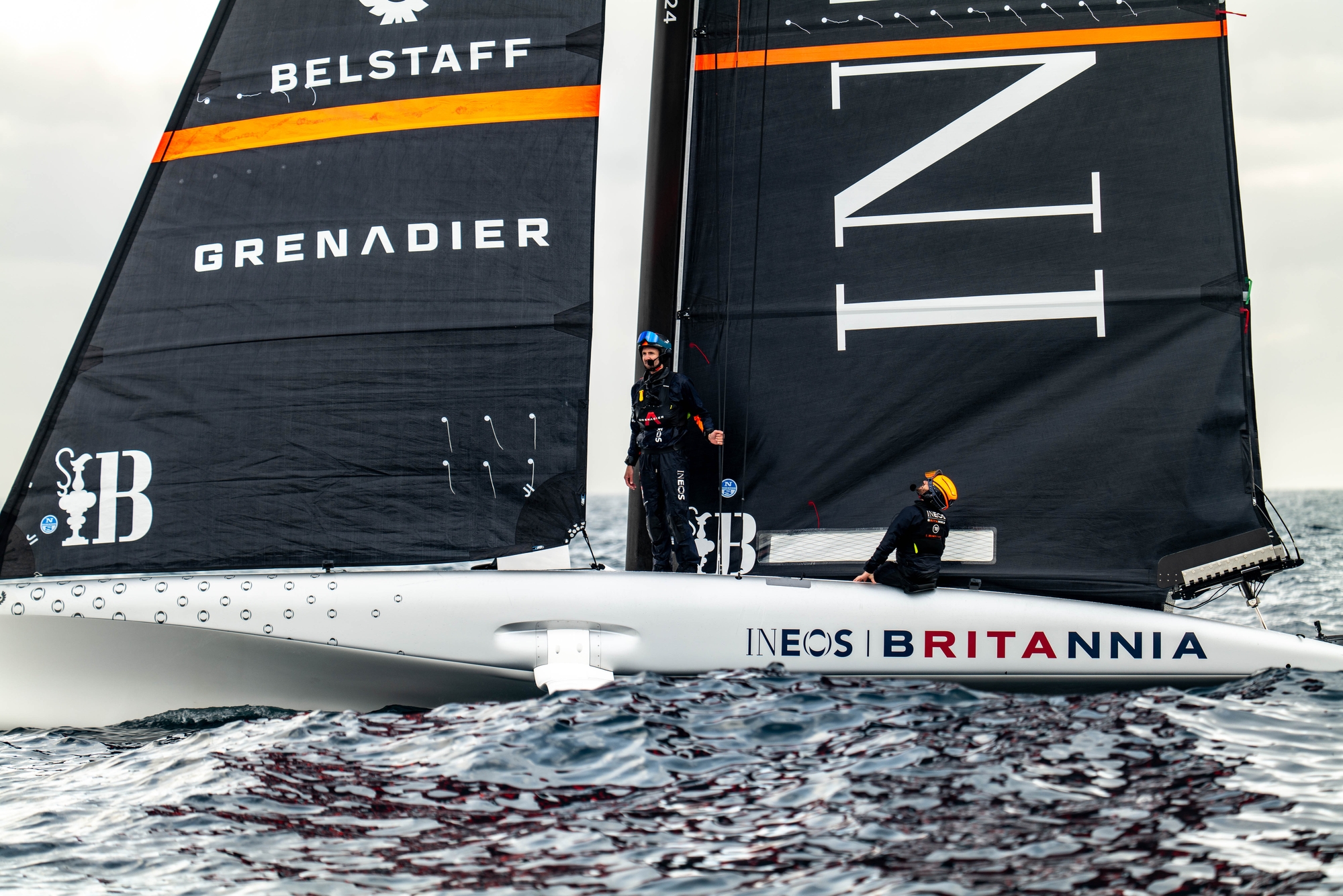
A frustrating day for the Barcelona based teams with the wind just refusing to play ball under relentless low cloud cover that simply would not yield any consistency. Nevertheless, INEOS Britannia admirably docked-out their two AC40s at 8am, with Alinghi Red Bull Racing following with their AC75 ‘BoatZero’ at 8.30am for a shake-down systems test. NYYC American Magic left it a bit later for the breeze to fill, docking-out one AC40 just before midday.
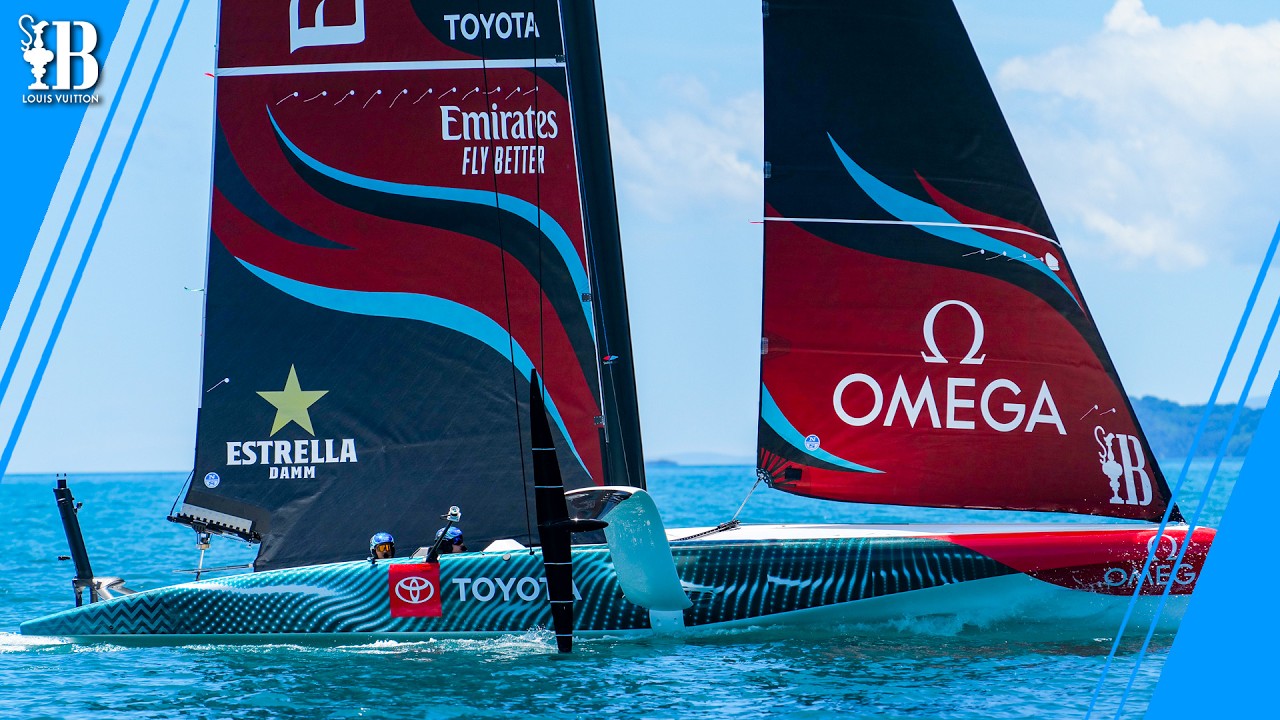
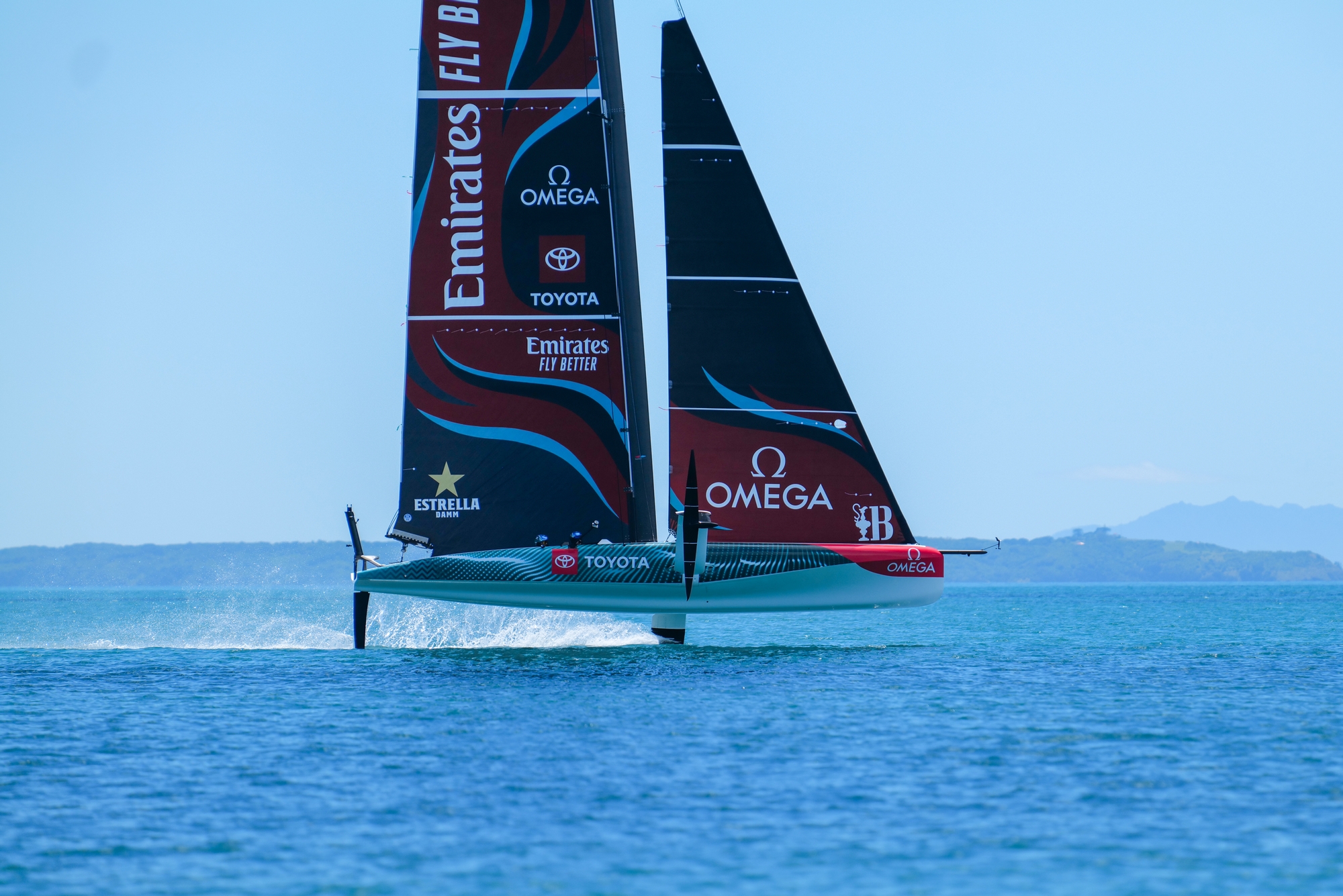
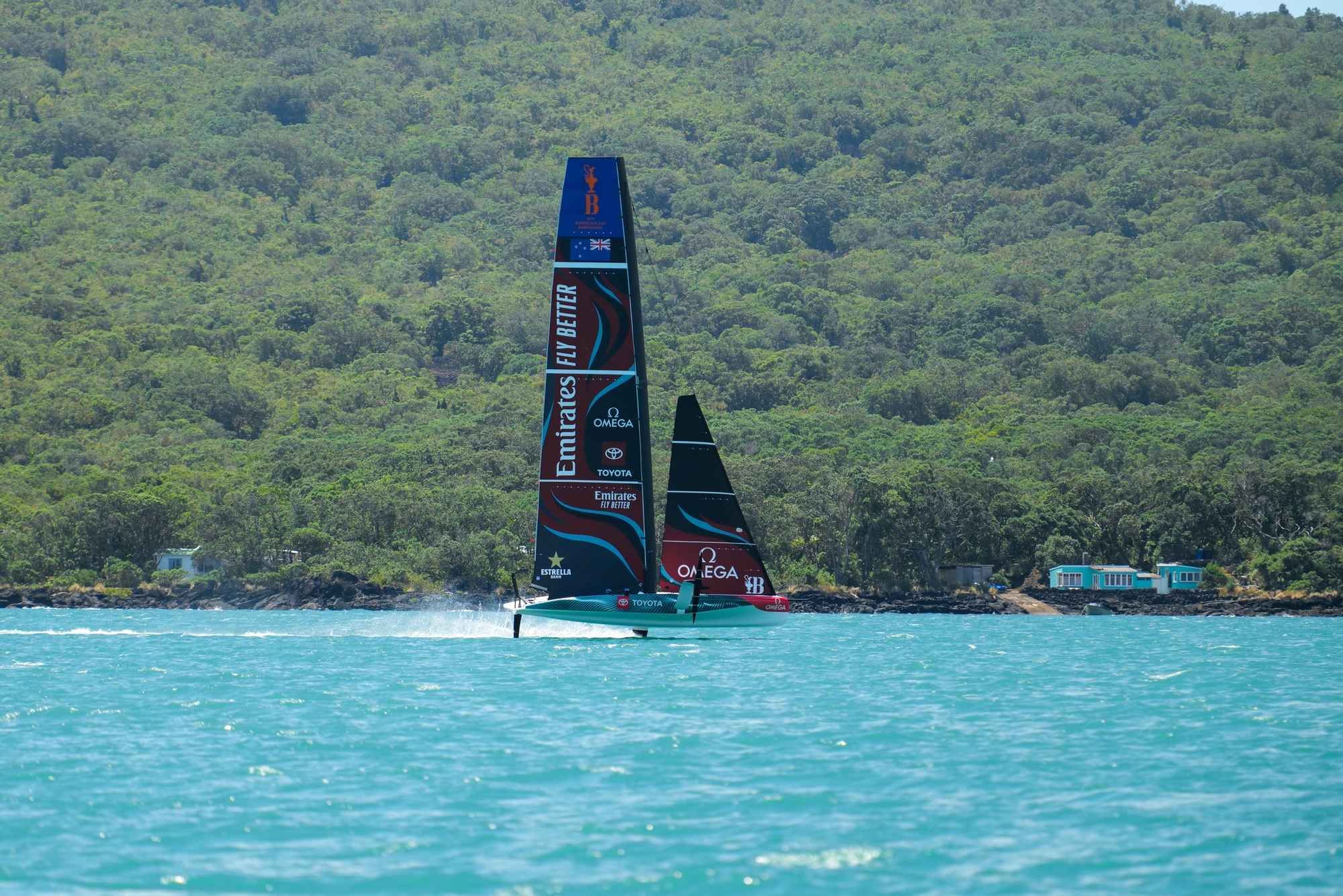
In Auckland, Emirates Team New Zealand conducted a test session in a whole variety of breeze, starting in sub-10 knots and finishing way into the 20-knot band as the Kiwis opted for some surprising A/B foil testing to check in against the improvements they’ve made recently in terms of technique. In Cagliari, Luna Rossa Prada Pirelli almost certainly had the best day on the water with a beautiful 10-15 knot south-easterly that came in with a chop and a bite as the afternoon went on.
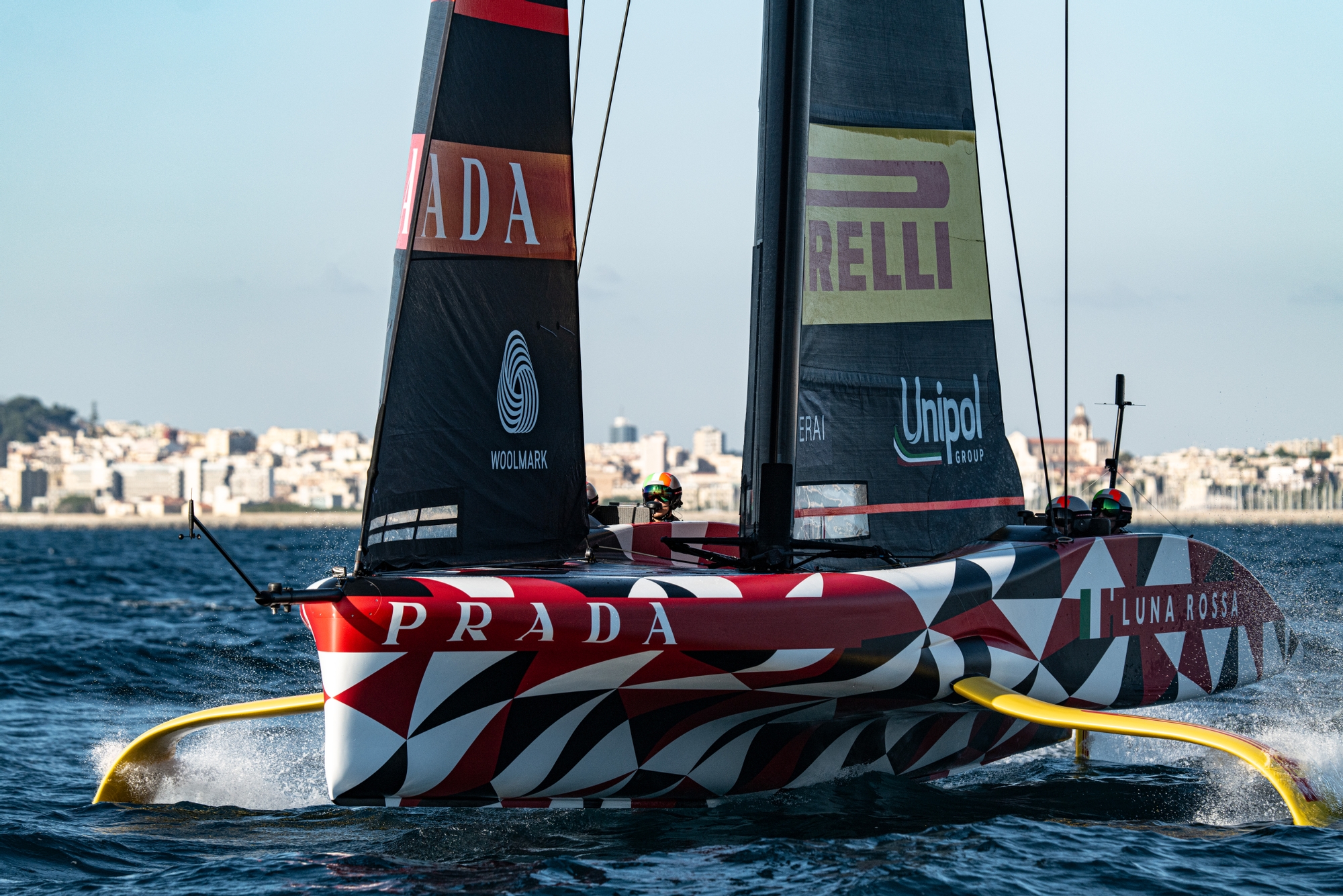
The big focus for the Italians was on pre-starts that they’ve been relentlessly practising with different box sizes whilst they also introduced the Chase Boat to apply race-like pressure on the racecourse, putting the LEQ12 into situations and demanding decisions.
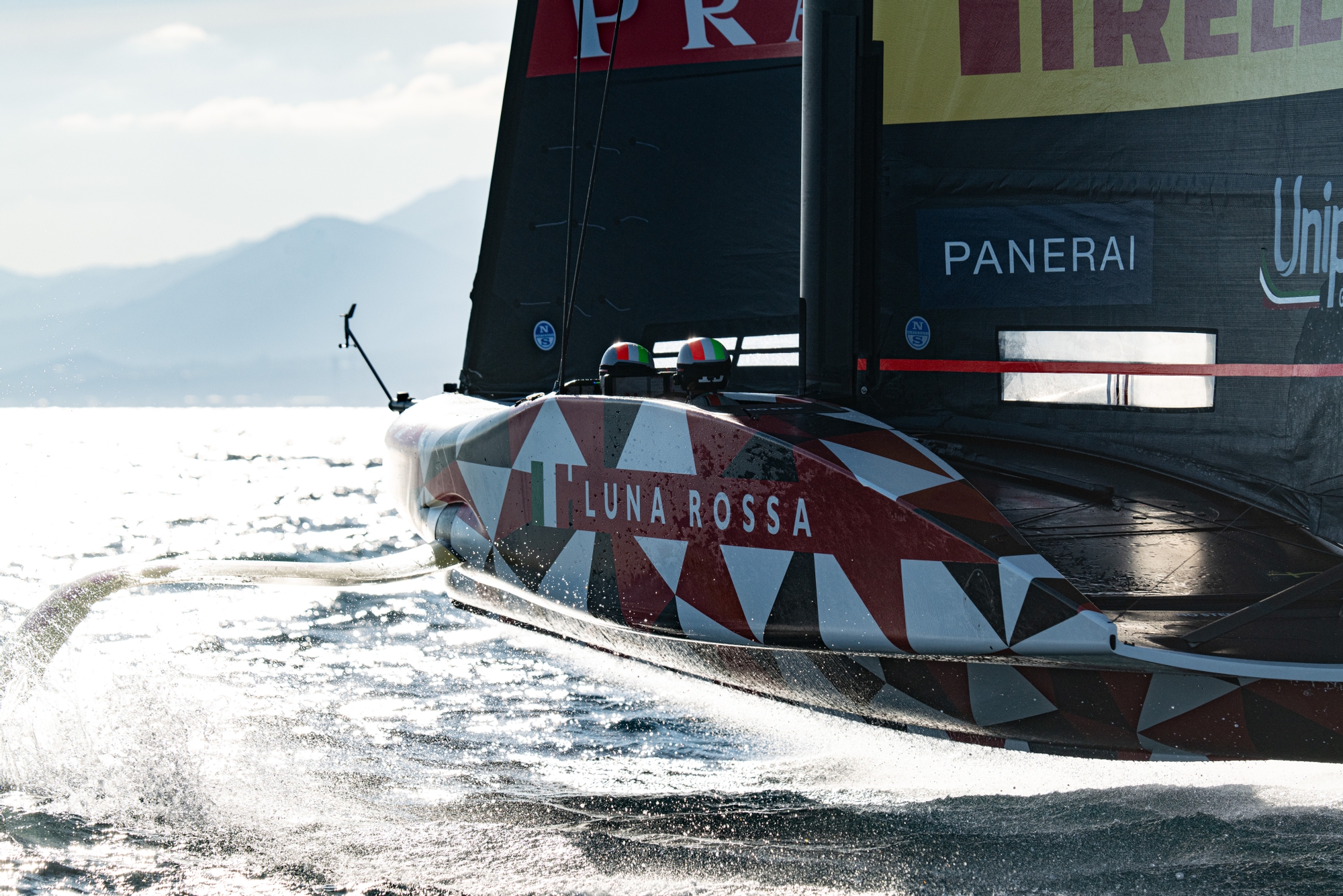
Speaking afterwards Francesco Bruni gave his usual open, honest and insightful interview saying: “We're just thinking of when the box is small, we have to keep the boat fast on the foils and we cannot go out of the boundaries so the only way is to do some circles and keep the boat fast and on the foils so we're just trying different sizes of the box and see what the best way is to manage the distance and the time and the speed back to the line, trying different moves and debriefing those at the end of the day.”
With little action to report on the water in Barcelona, the recon teams did a fantastic job in the interviews afterwards and extracted some great intel from the team members. For INEOS Britannia, Geoff Willis, the acting Technical Director and Formula 1 supremo gave a brilliant insight into how the team are approaching the challenge of the America’s Cup.
When asked about the cross-overs between the two sports he commented: “In fact, there's a lot of technology overlap between the two, probably more than people realise, whether it's structures, carbon composites, mechanical systems, hydraulic control systems, electrical systems, and particularly fluid dynamics, the aerodynamics and hydrodynamics. And the tools that we use there are some applications which are specific for the Cup that we don't use in Formula One but a lot of the technologies there’s a huge amount of overlap and I think that's one of the strong areas where Formula One can contribute.”
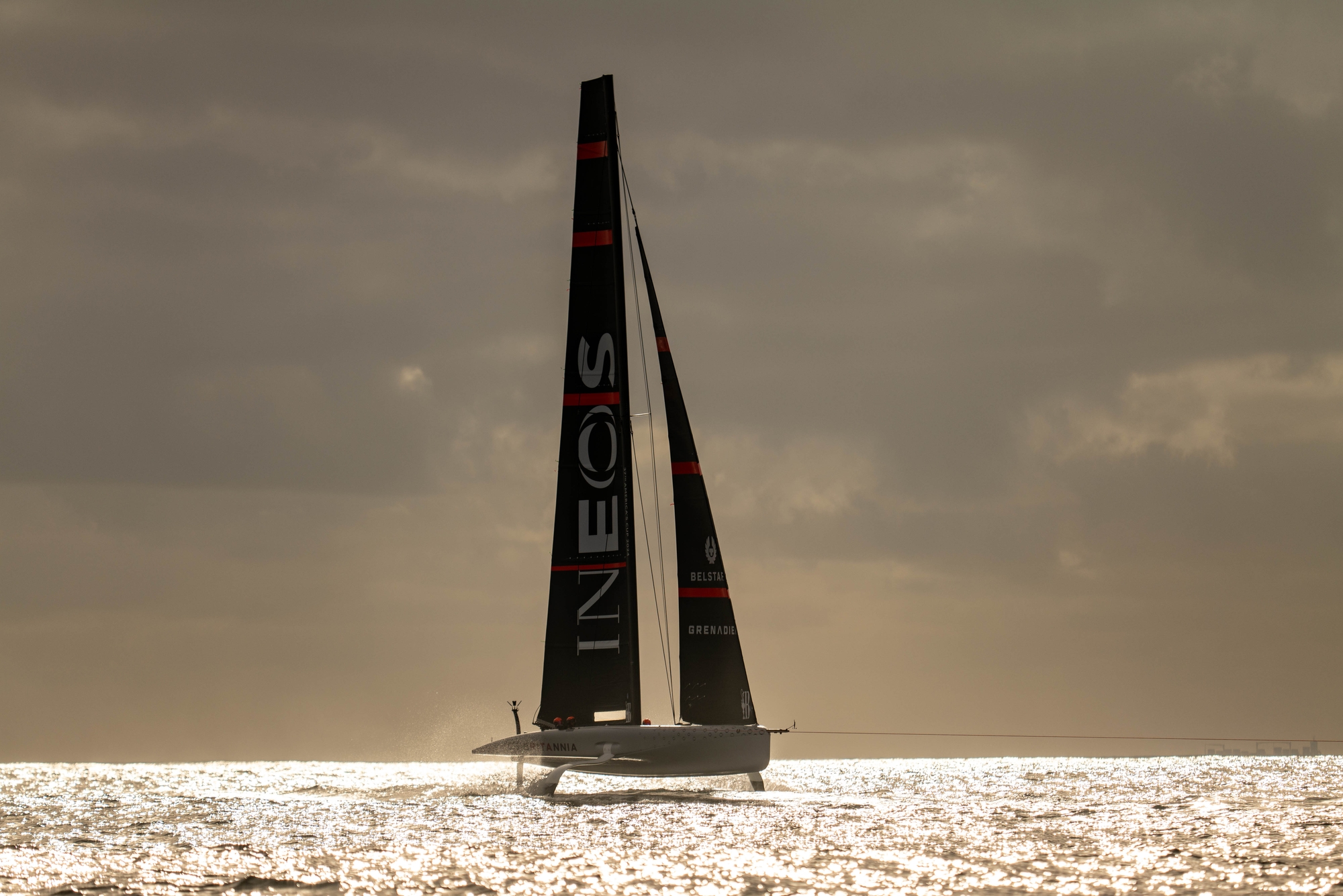
Talking about hydrodynamics versus aerodynamics, Geoff added: “Well the new things for the Formula One world in hydrodynamics are very specifically the incidence of cavitation and ventilation which are to do with having hydrofoils close to the surface in water but if we look at the bigger picture the aerodynamic performance of the boat, the sails the whole interaction, then simulating that in dynamic simulations that's all technology that we use a lot of in Formula One and we're learning how to apply that technology into the Cup.”
And speaking about what he learnt on the water today in very marginal conditions, Geoff added: “Very interesting experience for me. My first time here in Barcelona on the water. It was a difficult day, very marginal wind, very big sea state and it's one thing to see it on Chase Boat video but actually seeing it out there and seeing just how asymmetric it is, and how difficult it is, listening to the crews...exactly how to manipulate the boats around, taking advantage of the phasing of the waves with the boat in these very marginal conditions - there's a lot to learn...what we're trying to do is to learn how the sailors are managing the dynamics but also giving the sailors a better understanding of where they may try and sail the boat in terms of setup trim in these conditions where we have big sea states and that's affecting the speed of the boat.”

Equally compelling was an interview with Nathan Outteridge, helmsman on Emirates Team New Zealand as the team rolled out with what was thought to be the legacy Foil Wing02 hanging off their starboard foil arm for an ultimate piece of A/B testing.
Speaking afterwards Nathan commented: “I think it's always good to check in where you were at, to where you are now, and we've got a bunch of foils that we can really get on the water and test and switch from one side to the other and the shore crew do such an amazing job here of saying: ‘Yep okay you want to put that one back on, we thought you'd retired that but it's come out again.’ And for us it's just a chance to like really feel the difference between them and verify some of the performance because obviously we're not just developing in one area, we’re developing in other areas. So, any performance gains we've seen of late, it's hard to know is it directly related to foils or is it to do with how we're just sailing the boat or how we’re working with the new sails and stuff like that. So, it's just nice to kind of rotate things around and I think everyone knows it's crunch time right now in terms of confirming the design for the foils and making sure that we make the best decision possible so yeah plenty on the test metrics at the moment it's as good fun to be involved in it.”
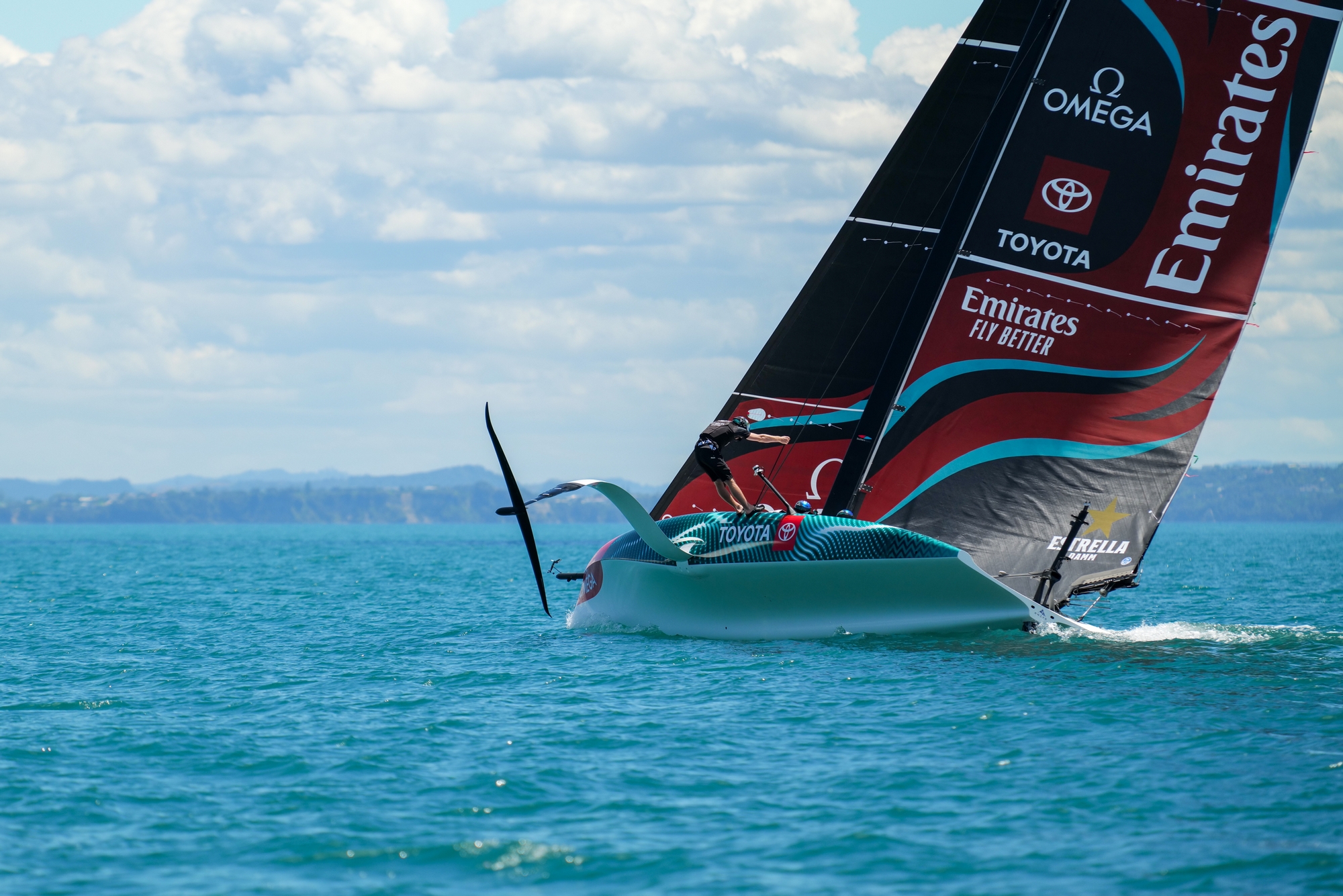
Clearly the foil test was a success with Nathan adding: “Obviously there’s lot of technique involved but what we're learning is we're going in the right direction and that's the main thing. You’d hate to go back to a foil from a few vintages ago and find out that it was actually better than where you are right now, so the main thing is that everything is lining up nicely with the tools, so developing confidence to hopefully make a commitment soon.”
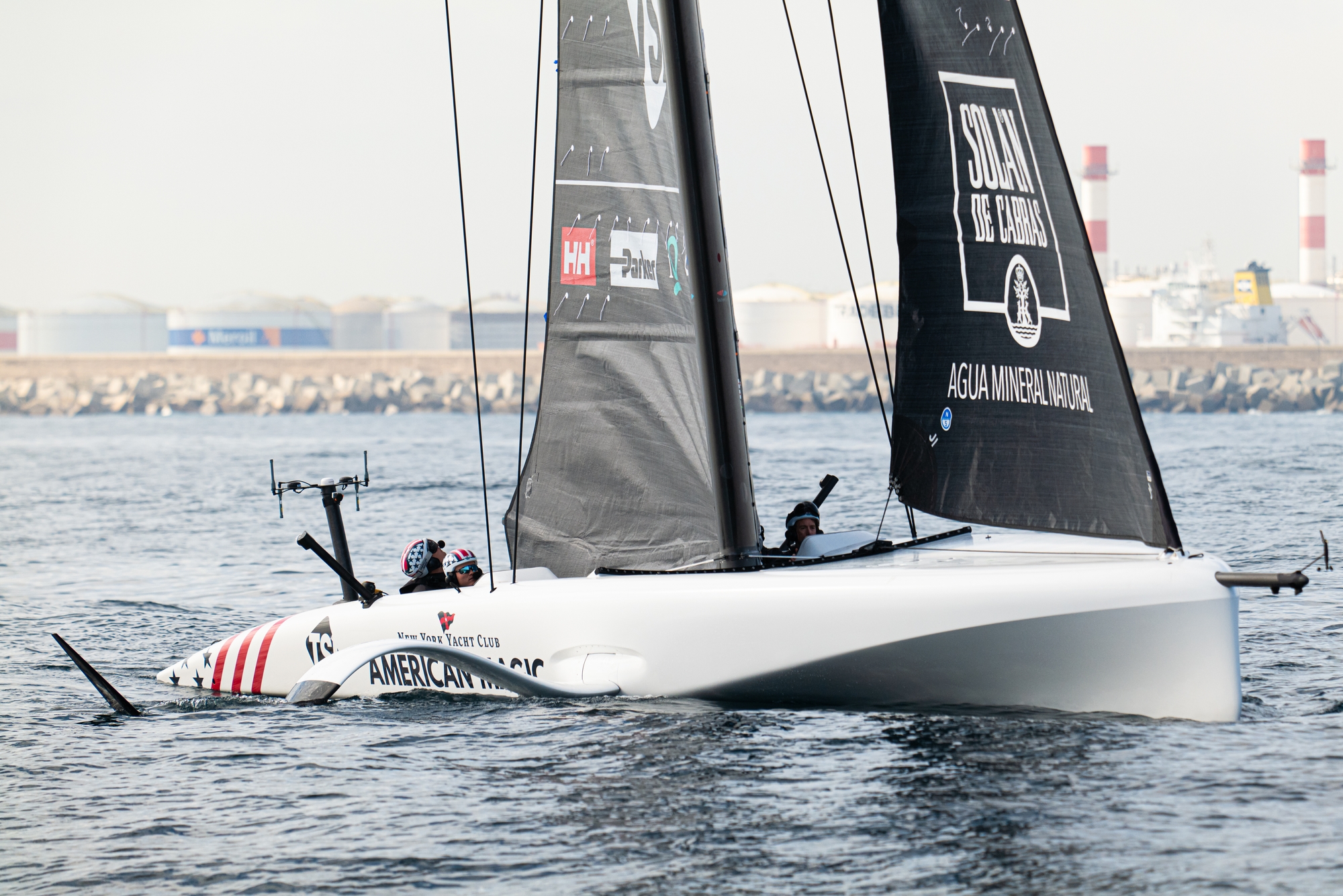
Back in Barcelona, NYYC American Magic were back in AC40 action but with a new crew-member – none other than trimmer Kyle Langford who has been brought into the team as a welcome addition and teamed up with Severin Gramm for a displacement shakedown sail. Harry Melges, the Youth Team helm for American Magic noted his appearance saying: “Yeah I think Kyle’s here just helping out the trimmers and getting immersed in the programme, getting some time in the boat himself and I think he's just here to help the sail development and everything.”
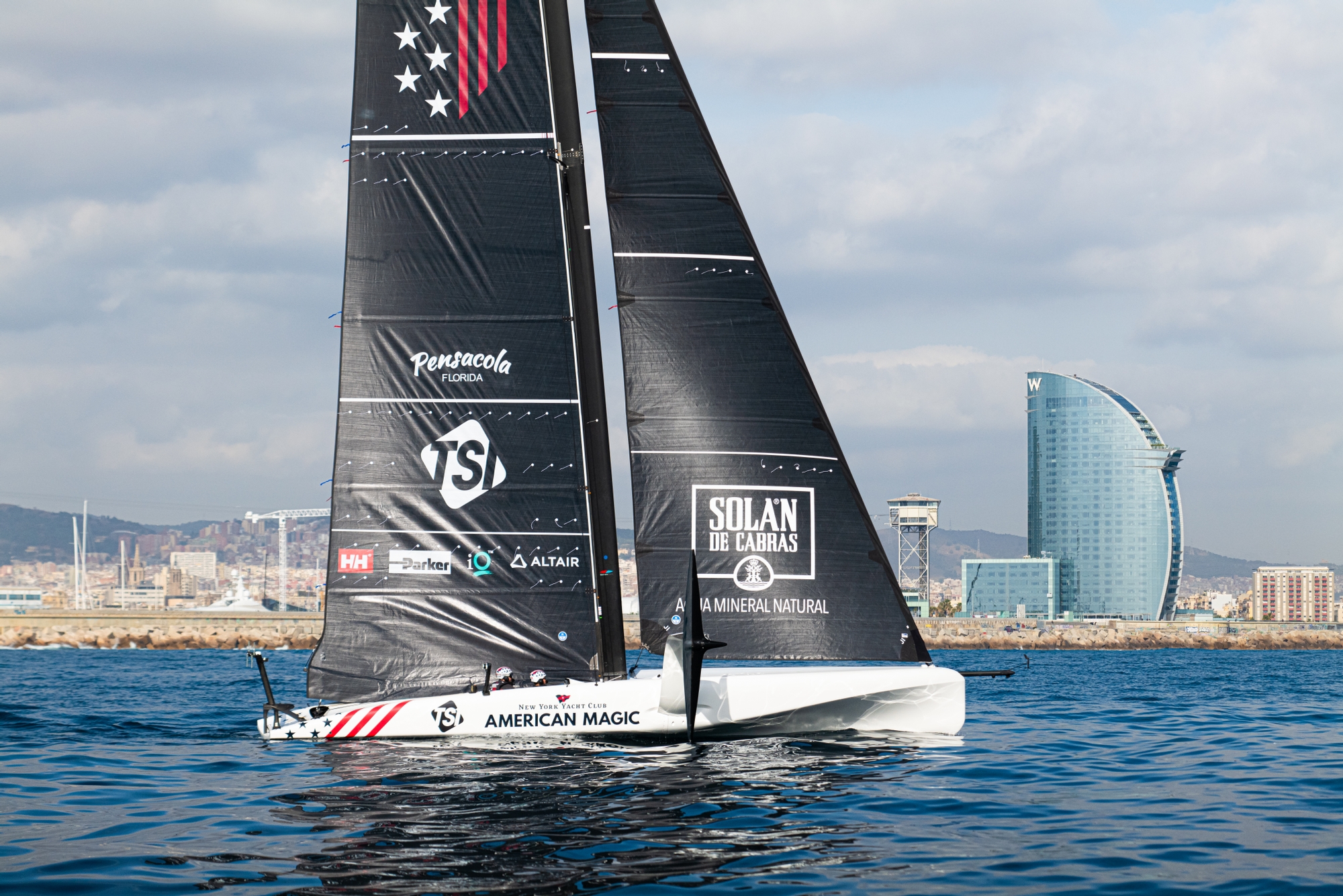
And Harry was more than happy to be back in the AC40 fold again, saying: “My role as back-up helmsman is more focused on the AC40 sailing and the two-boating so as you saw the last few months we've had ‘Patriot’ on the water so I wasn't sailing as much, spending most of the time in the simulator and doing other stuff but now I'll be back on the water which I’m very excited about...so I'm kind of spearheading the American Magic Youth Team. There isn't a full team assembled quite yet, but we're getting everything organised and we should be on the water this summer ready to go...just like we saw in Jeddah it's kind of racing that no one's ever really seen before, it's very fast, very exciting, and I've been looking forward to it for the last three years or so, so very excited.”
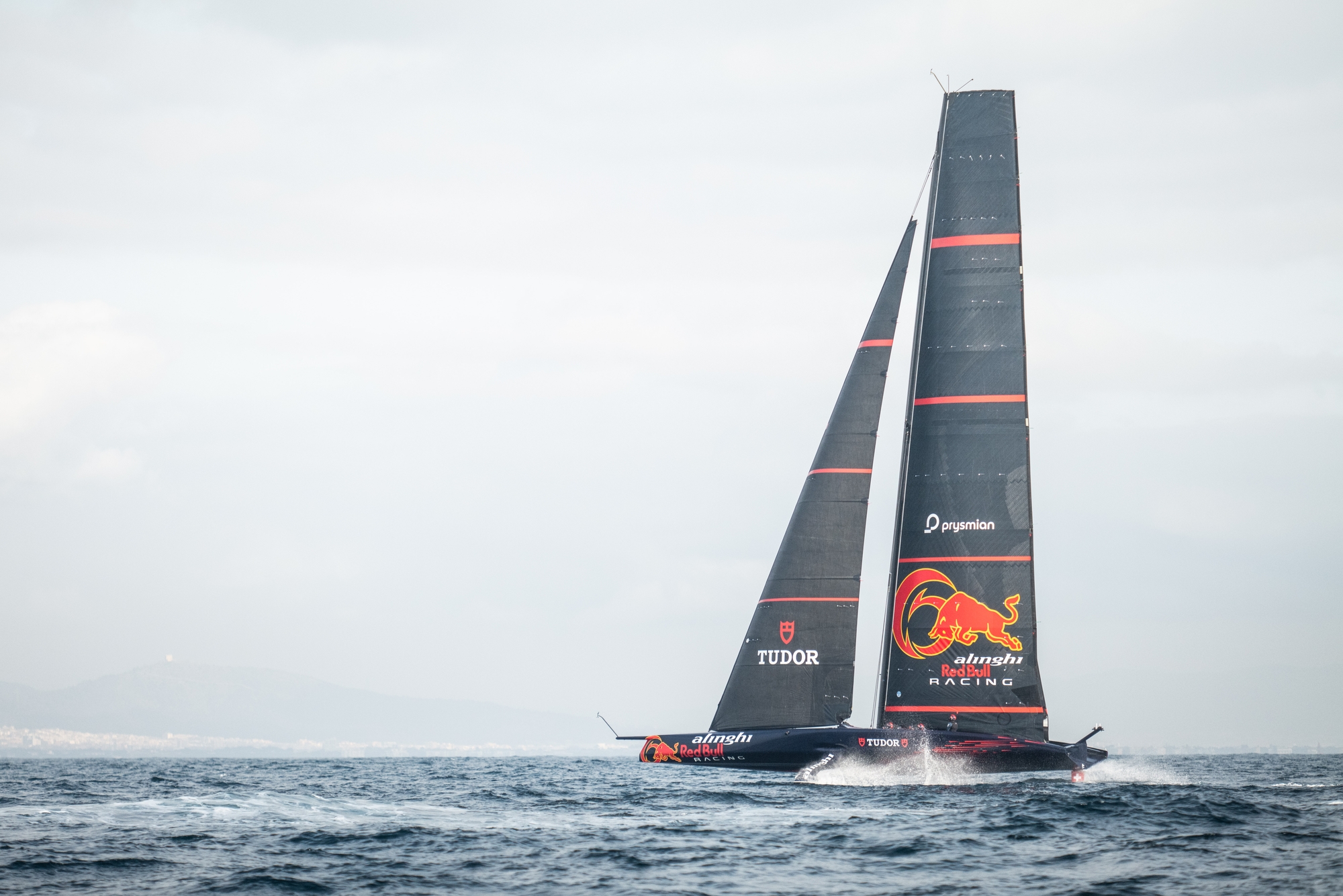
Nicolas Charbonnier, helming on the starboard side of Alinghi Red Bull Racing’s AC75 ‘BoatZero’ alongside Maxime Bachelin on port was equally looking forward to the future and the arrival of the team’s new AC75 in the coming months. Speaking afterwards, Nico was asked about the new boat saying: “I think it will be definitely way easier with the new boat, lighter boats, bigger foils and all the system are optimised to take-off in less breeze so yeah probably should be much easier to take-off from the new boat today than what we're had on BoatZero. It's really hard to tell before trying it, no it will be a big surprise everybody is super excited to be able to jump on board and try this new boat and probably it will still be more closer to ‘BoatZero’ because it's like same size of boat, the 40s are feeling more like dinghies, but no I think it will be really exciting.”
The only team not on the water today was Orient Express Racing Team with the French making what is assumed to be additional LEQ12 modifications ahead of planned sailing next week. (Magnus Wheatley)
On-Water Recon Report – Emirates Team New Zealand: Day 60 of testing for Emirates Team New Zealand proved to be the best of both worlds with a light marginal foiling south-west breeze to start, then switched instantly to 15-20 knots for the second part of the session from the same direction. The session started with the M2-3 Main Sail, and the J2-2 Jib.
It appeared that ETNZ had perfectly planned around these conditions, although for the first 20 minutes the team did struggle to find enough breeze to stay on the foils. Eventually they set up the session off the north-west side of Rangitoto Island. The team sailed many upwinds and downwinds in a small sailing area to make the most of the breeze accelerating along the shore of Rangitoto. It proved to be another session concentrating on a number of tacks and gybes.
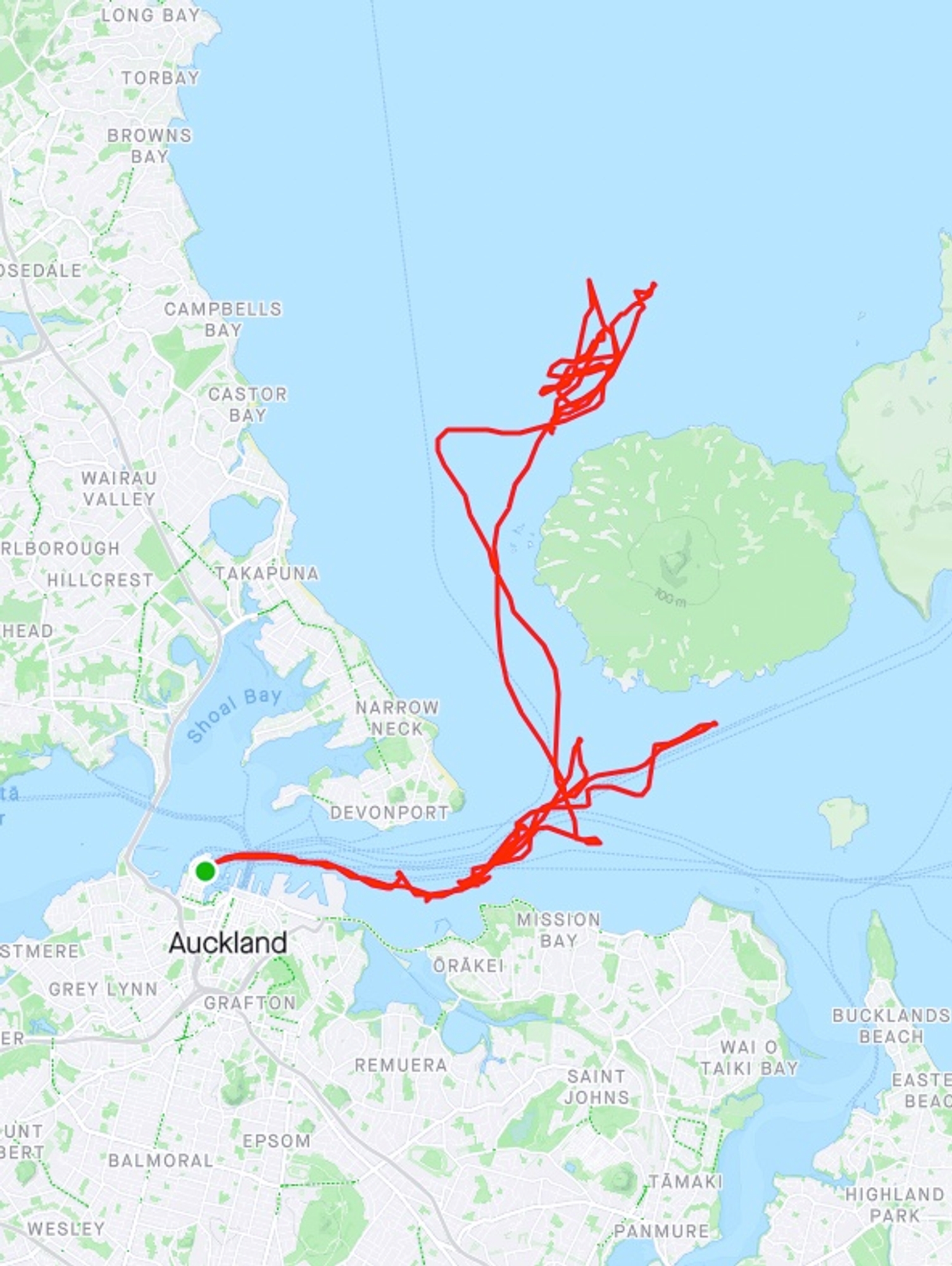
With the older generation foil on starboard, it seemed more difficult to execute the tacks in the marginal conditions. One point of interest is that, over the past few sessions it has become quite noticeable how consistently the team heel slightly to leeward going into tacks and really spin the boat and come out on the new tack in a locked-in windward heel.
All gybes today were full foilers, even in the marginal conditions, and during a few of the gybes, we also saw the team holding the old board down for extended periods and really heating the yacht up before lifting the old board.
At 13:45 the forecast stronger south-west breeze clicked in, and the team opted to swap jibs to the J3 smaller Jib. They continued to sail in the same area again practicing a few tacks and gybes before, sailing a couple of long upwind tacks back towards Bean Rock and the inner harbour. Once up in this area the team seemed to hunt out the larger gusts and windier areas of water including sailing a few windward leewards up and down the inner harbour between Bean Rock and the Auckland Port.
In the stronger breeze the team still seemed to be concentrating a lot on tacks and gybes however, they were also seen sailing some different modes especially upwind. At one point they seemed to be really pushing the height of each foil, and on starboard tack especially, running a lot of cant down. Some lower angles were tested and then once up in the very flat water they seemed to lock into a much lower flight mode and looked extremely slippery.
The team ended the session with an upwind all the way up the harbour and a few circles under the harbour bridge. Eventually they dropped sails at 15:15 directly off the Viaduct Harbour and Emirates Team New Zealand Base after an ideal testing session out on the Gulf.
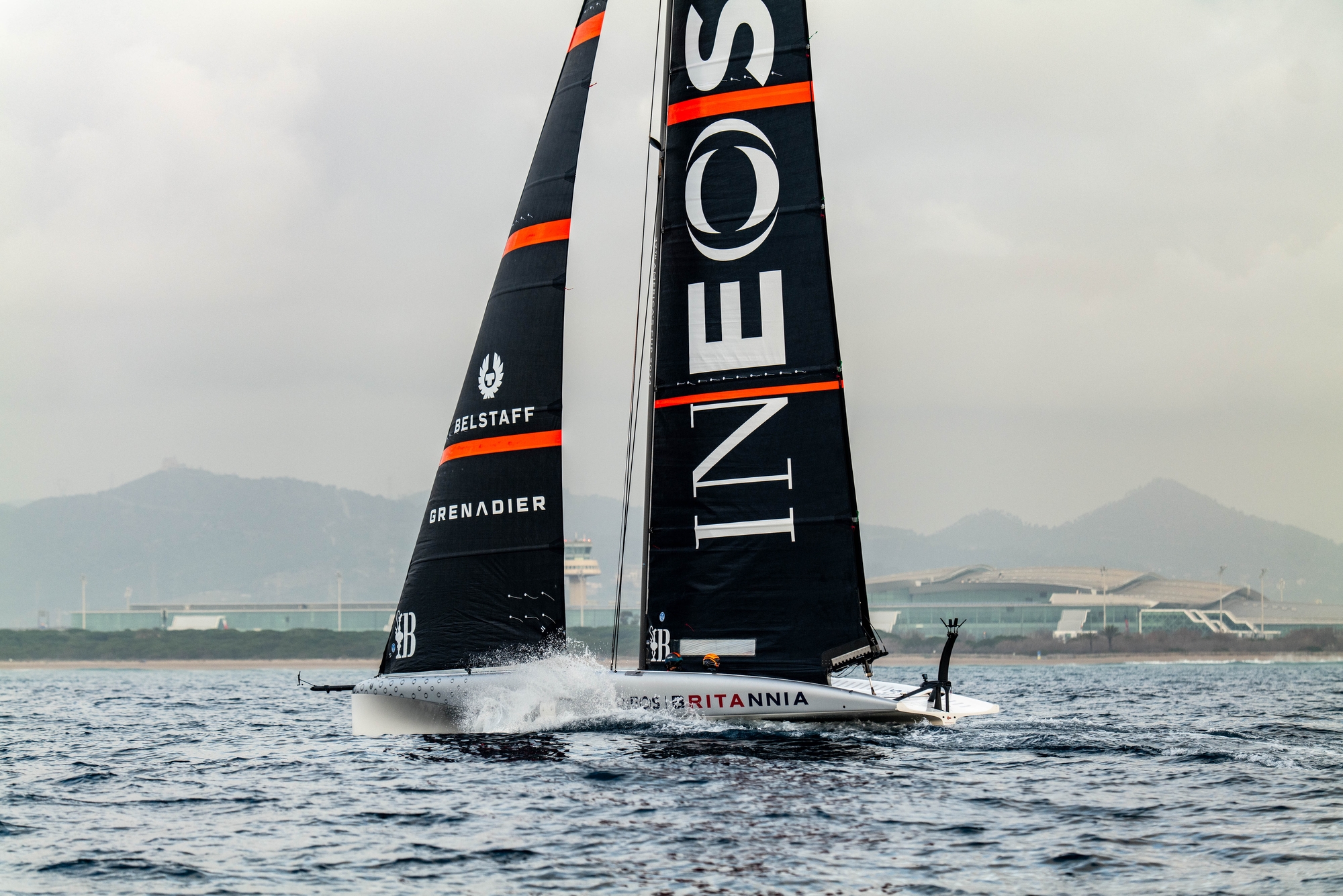
On-Water Recon Report – INEOS Britannia: The British team craned to the water their two AC40s, Sienna(b) and Athena(a) in full one-design configuration, at 06.30 and 06.47, respectively; that had been left with their masts up and out of the shed overnight. Normal routine activities were performed before docking out at 08.00, as planned.
Both boats got on the tow and headed towards the airport area with no sails. Once there, at 08:30 one-design mainsails and J1s were hoisted.
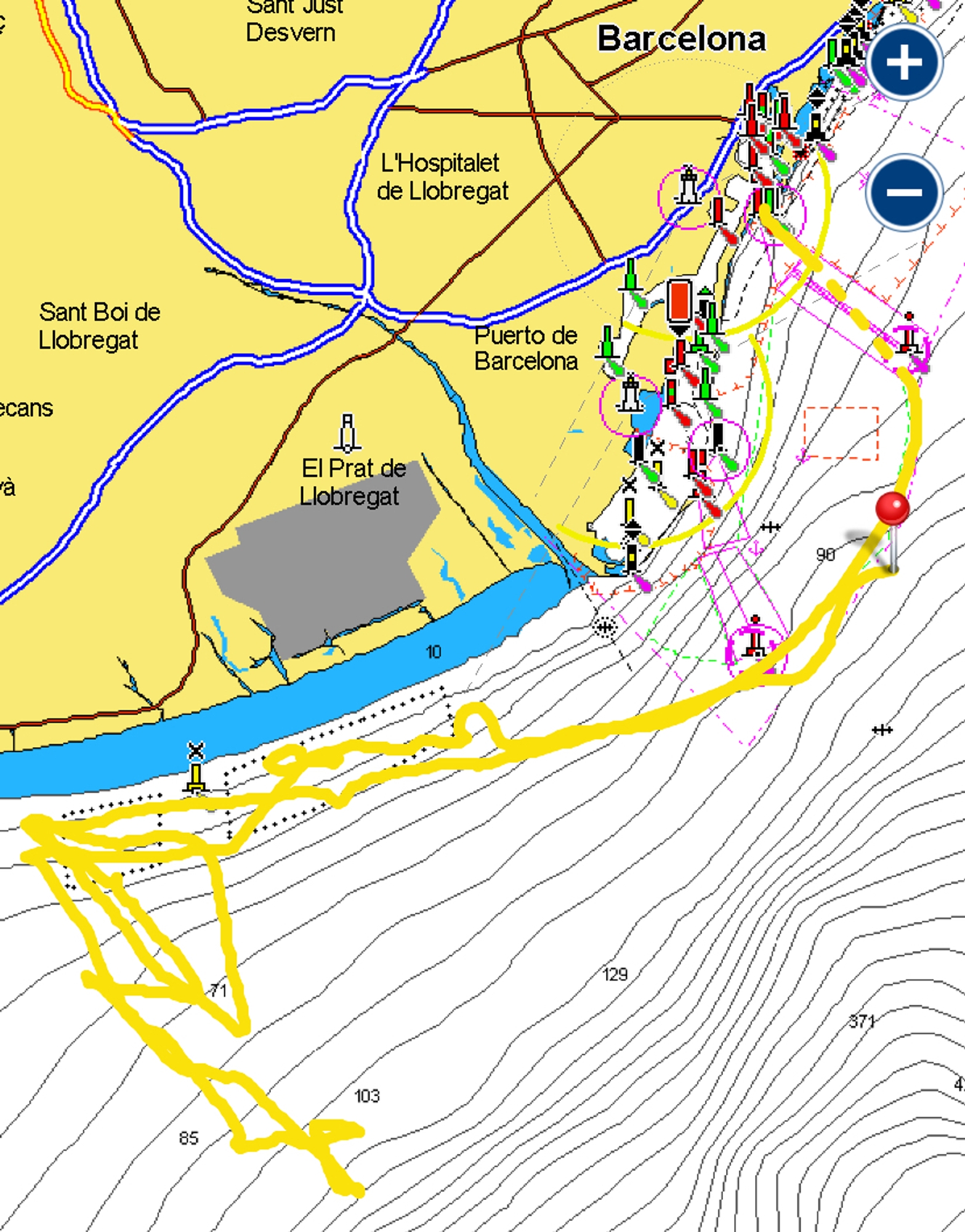
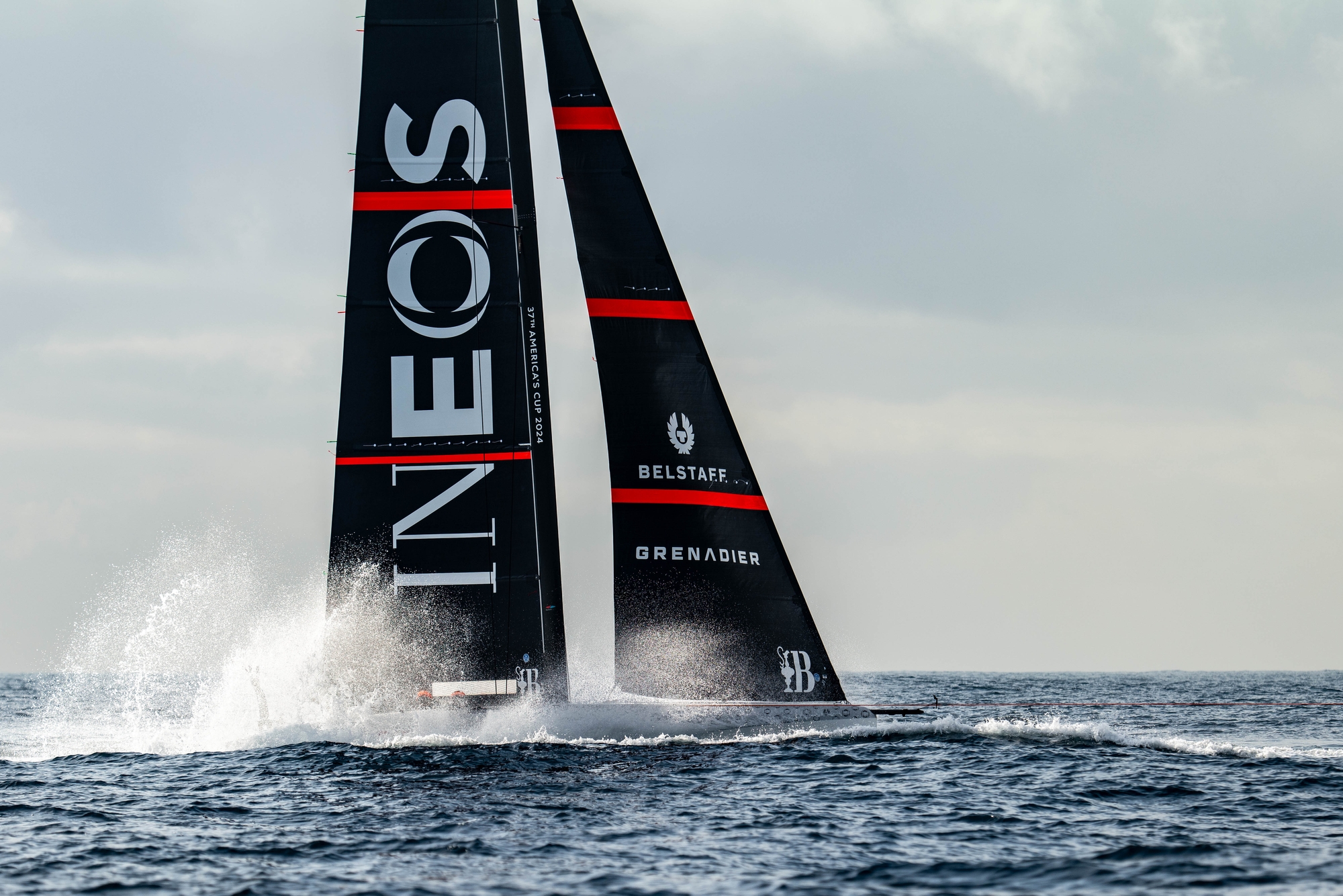
The team tried to sail in an unstable and shifty northly breeze of 3 to 6 knots of intensity, combined with a considerable 0.80-meter swell from 095. Generally speaking, 75% of the time or more was spent either sailing on displacement mode trying to take-off or on the tow going from one place no another looking for better wind conditions. It was remarkable the level of resilience of the entire team to try to get the most out of the day, trying to take-off and sail when possible.
It can be concluded that it was a lot harder to take-off on port tack when sailing against the swell, than on starboard; as well as to succeed when tacking or gybing into port having to accelerate heading against the swell.
After trying to take-off and sail for half an hour, at 09:10 the team decided to get both boats on the tow and head further off-shore, looking for stronger winds. Once further out, in contrast to the previous day, conditions were not too different and a few more sailing intents were executed during half an hour, succeeding only at times to foil consistently.
At 10:25 the wind died completely and there was a fifteen-minute break. A green hose was identified going into boat A, through the front hatch.
At 10:40 both boats got towed heading against the swell. Once released, the best speed test of the day took place sailing upwind on starboard tack on a straight line. Nothing conclusive can be reported.
At 11:25 both boats started to head back towards the harbour. However, in the way, there were four times in which they got released, attempting to sail with small local gusts. Unfortunately, there was no success. At 11:58 both boats entered the port, lowered their sails, and docked at 12:18. Sebastian Peri Brusa – Recon on INEOS Britannia
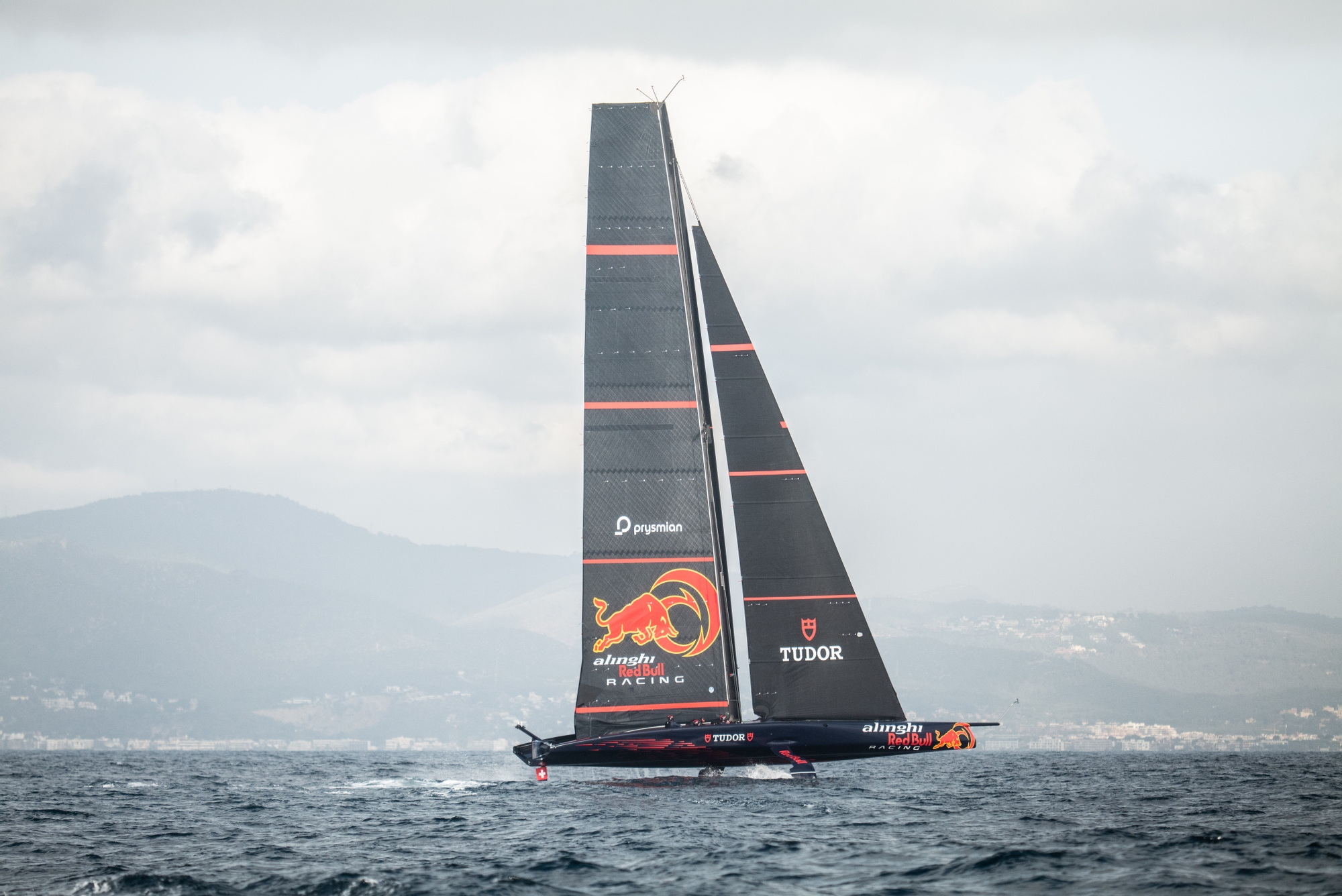
On-Water Recon Report - Alinghi Red Bull Racing: Alinghi Red Bull Racing started with an early roll-out of Boat Zero (AC75) at 06:30. Following crane-in at 06:55, the yacht underwent standard systems checks before sunrise at 08:05. A focus on Flight Control System (FCS) testing continued, with both foils lifted numerous times as part of the checks. In addition to FCS, aero systems testing was conducted, involving the newly added quadrant at the mast base for mast rotation.
The M1-1R mainsail and J1-1R jib were prepared on the deck ahead of 08:30 dock-out. Nico Charbonnier helmed on the starboard side, with Maxime Bachelin helming on port. Today also saw the debut sail for cyclor Paul Jacquot.
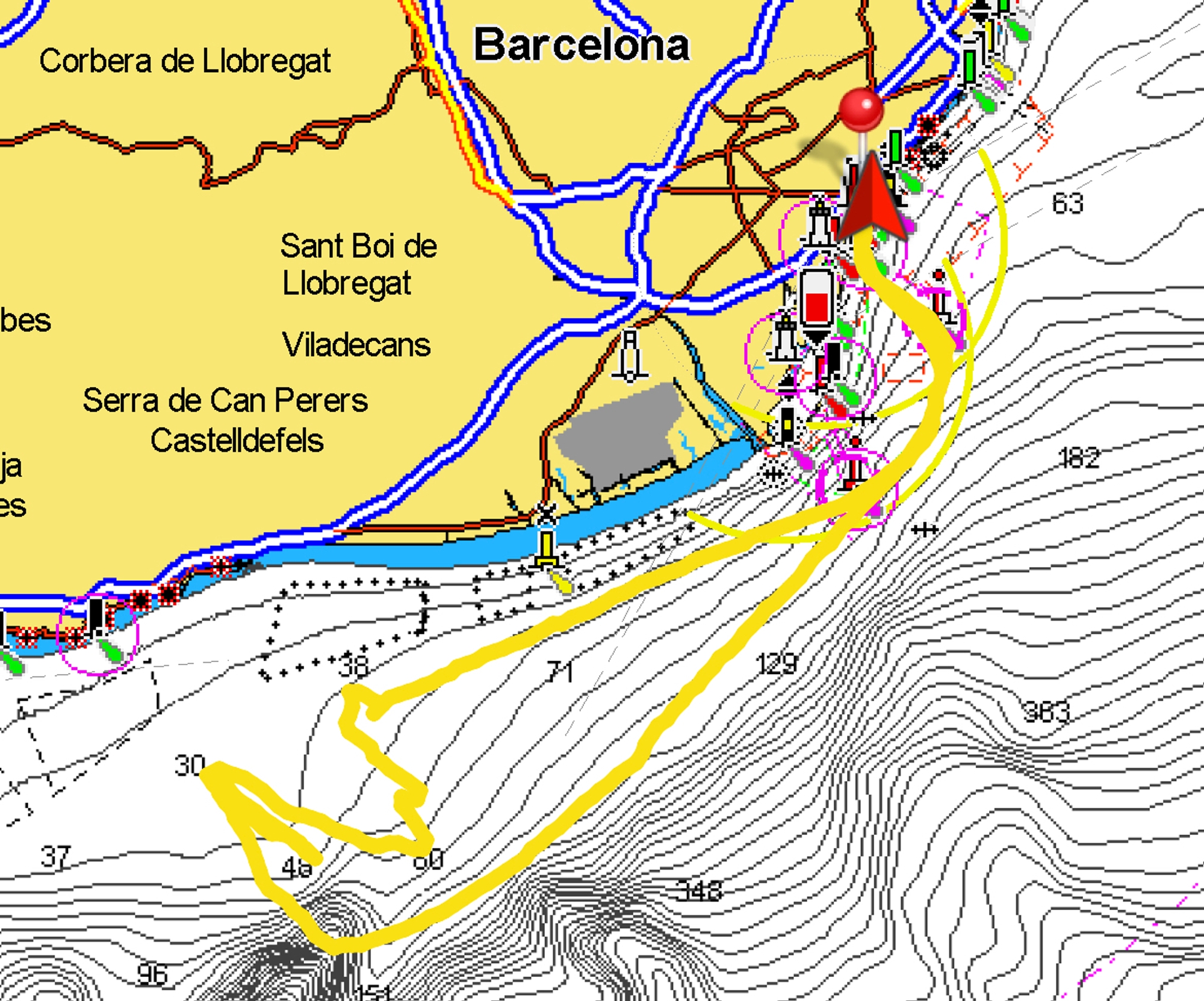
Stint 1 (10:17 - 11:07, 4-8kn 20° @ 10:15) With a south-east residual swell, almost perpendicular to the wind, the team started their first stint in marginal conditions, struggling to maintain consistent flight, though they were initially able to self-take-off. They sometimes found difficulty exceeding 18 knots boat speed. An attempt at a foiling gybe resulted in a touch down, as the yacht was then tow-started, but did not maintain flight for much longer than a minute.
Stint 2 (11:11 - 11:19, 5-9kn 40° @ 11:10) Continued efforts in the second stint also faced challenges. Following a successful tow start, two tacks were attempted, both resulted in a touch down.
Stint 3 (11:30 - 11:50, 5-8kn 30° @ 11:35) During the final, the yacht was unable to get on the foil in the available wind conditions. Multiple tow start attempts were largely unsuccessful, leading to further touch downs.
The Chase Boat came alongside the yacht at 11:50 to end the sailing day.
Sails were dropped by 12:20, after dealing with a small issue lowering the mainsail. The yacht was towed back to the base and craned out by 13:50.
Throughout the day, the yacht spent four and a half hours on the water, with 78 minutes of active sailing (displacement and foiling). A total of 3 manoeuvres were attempted, none of which were fully foiling.
On-Water Recon Report – NYYC American Magic: Another day of sub 5 knot breeze resulted in NYYC American Magic managing only a short drift of a shakedown sail for their AC40-5 America. The boat rolled out at 0840 and after an hour-long period of rig set up and testing the boat was craned afloat at 1000.
The team docked out a few minutes before midday and had sails hoisted (MC-4 custom mainsail and J1 one design headsail) by 1210. After a slow tow out of the harbour the crew spent 45 minutes sailing slowly in displacement mode in a breeze ranging from 4.5 down to 3 knots.
With no hope of any meaningful sailing sails began to be dropped at 1300 and the boat was back on the dock at 1320. Sailing is scheduled for tomorrow Wednesday January 31 with both the team's AC40s being left rigged and ready ashore at the American base overnight.
On-Water Report – Luna Rossa Prada Pirelli: The Italians rolled out their LEQ12 prototype at 10:00, stepped mast and craned the yacht in by 10:15. The usual checks were executed at the dock before locking in M1-2 ready for dock-out scheduled at 11:00, then postponed to 12:30. The prototype was boarded by four sailors and only the flight trimmers rotated during the whole session. Just behind the harbour pier, the main was hoisted and paired to the J2-2. Pressure was measured 11-13kn from 155TWA at first with slightly offset chop of 0.3-0.5m from 145°.
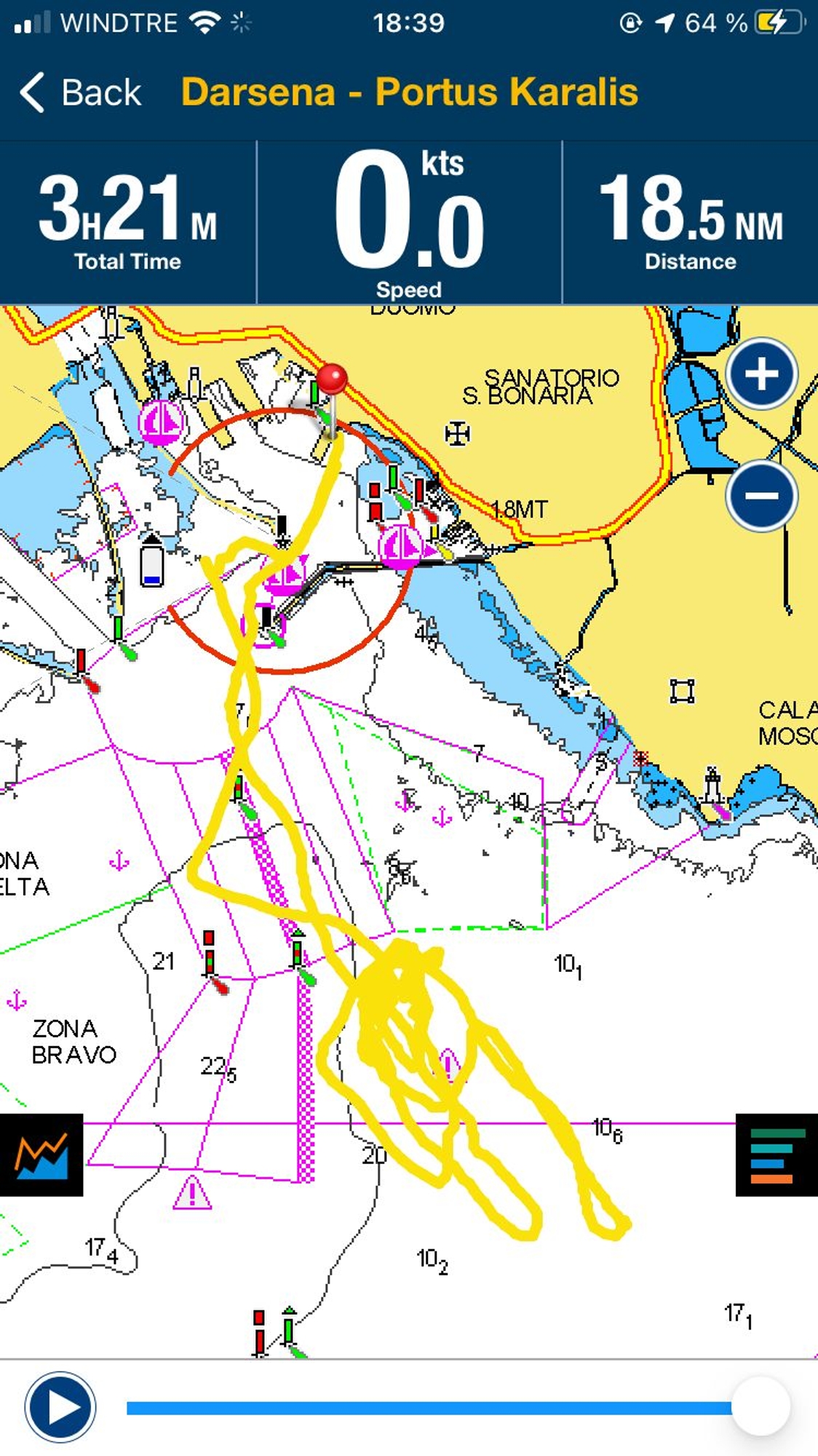
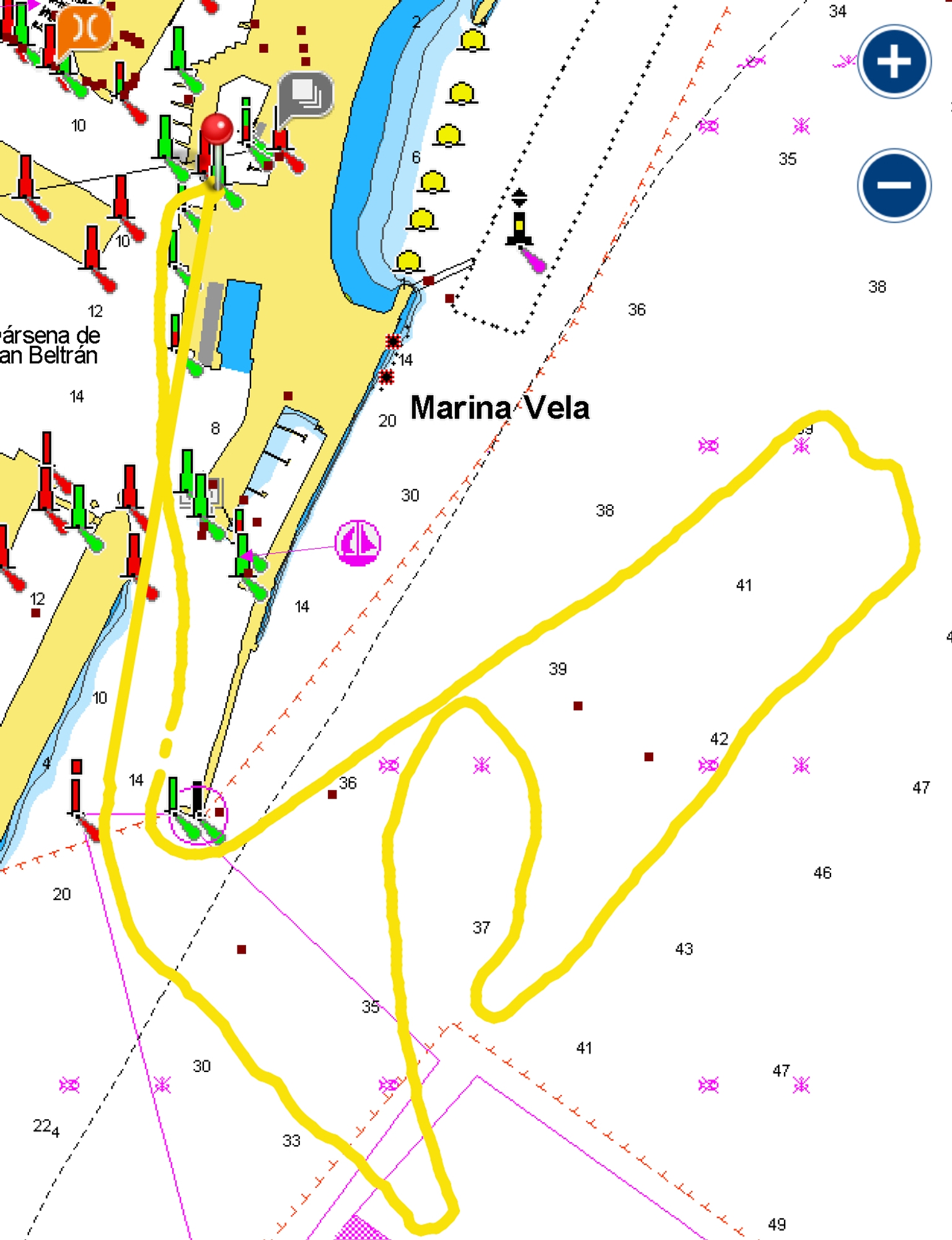
Similar to the previous sailing day, the first foiling stint began with a light initial tow to accelerate the yacht which then self-took-off on port tack. Once up and foiling, the team conducted the usual warm-up tacks before bearing away on port tack and executing some gybes. In the meanwhile, a leeward gate was laid out at approx. 150° but the sea-breeze seemed to be shifting to 135-140TWA. The gate was not repositioned, and the team used Chase Boats as pin and committee boat with a windward virtual mark.
As the prototype was approaching the downwind, the physical marks were used to practice normal one-board round-ups. Then, four of numerous pre-starts of the day were practiced as the team seemed to focus extremely on manoeuvres inside the box including full circles, two boards mode and hard turns. Afterwards, the team sailed two upwind and two downwind legs and concluded its first foiling stint with approx. 50 minutes falling off the foils exiting a gybe.
During this short break, sailors debriefed, and one flight controller swapped with one of Chase1. For the second foiling stint, lasting approx. 20 minutes, the LEQ12 was towed up on port and bore away, some gybes followed, and the team practiced two additional start drills. As the race was live after the second pre-start, Chase3 seemed to engage occasionally with the LEQ12 upwind and downwind to force communication on board.
After rounding up the leeward mark, the yacht dropped the windward board and decelerated to swap again flight trimmers. As the third foiling stint began with a tow-up, another starting drill was observed, followed by some laps with Chase3 engaging. This routine was then repeated several times until the LEQ12 splashed down while sailing downwind, losing its ride-height, and hitting a wave after 25 minutes. A tow line was then passed and sailors + shore crew started working on main traveller/track, perhaps a speculative issue. No major damage and the yacht was back on foil at 15:00 for the fourth foiling stint, bearing away and heading to the gate for another start, followed by two legs. Chase3 engaged with the yacht on the downwind leg, forcing a series of gybes on the right-hand side of the course. Two additional starts were then practiced by the team and some laps were then sailed. After a JK on the left-hand mark, the windward port wing caught a plastic bag forcing the team to stop in order to remove it.
For the fifth and last foiling stint, the yacht self-took-off and sailed for 10 more minutes executing some gybes heading to the harbour base. The day was called at 15:50 with 138 minutes foiling time, approximately 45 tacks and 33 gybes. Sailing will resume with two boats on Thursday [Michele Melis AC Recon].