UNDERSTANDING THE ‘RULES OF THE ROAD’ IN THE LOUIS VUITTON 37th AMERICA’S CUP

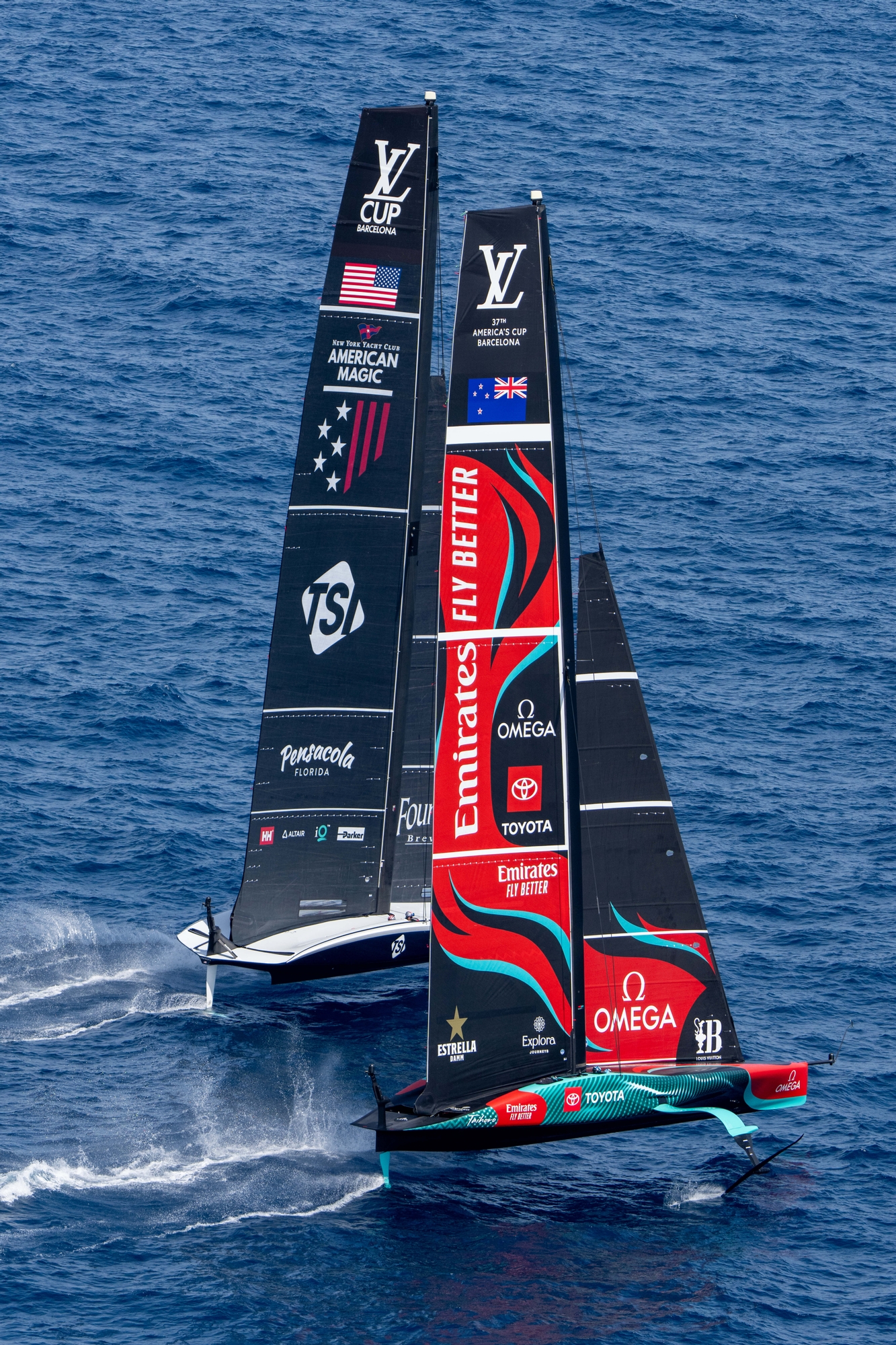
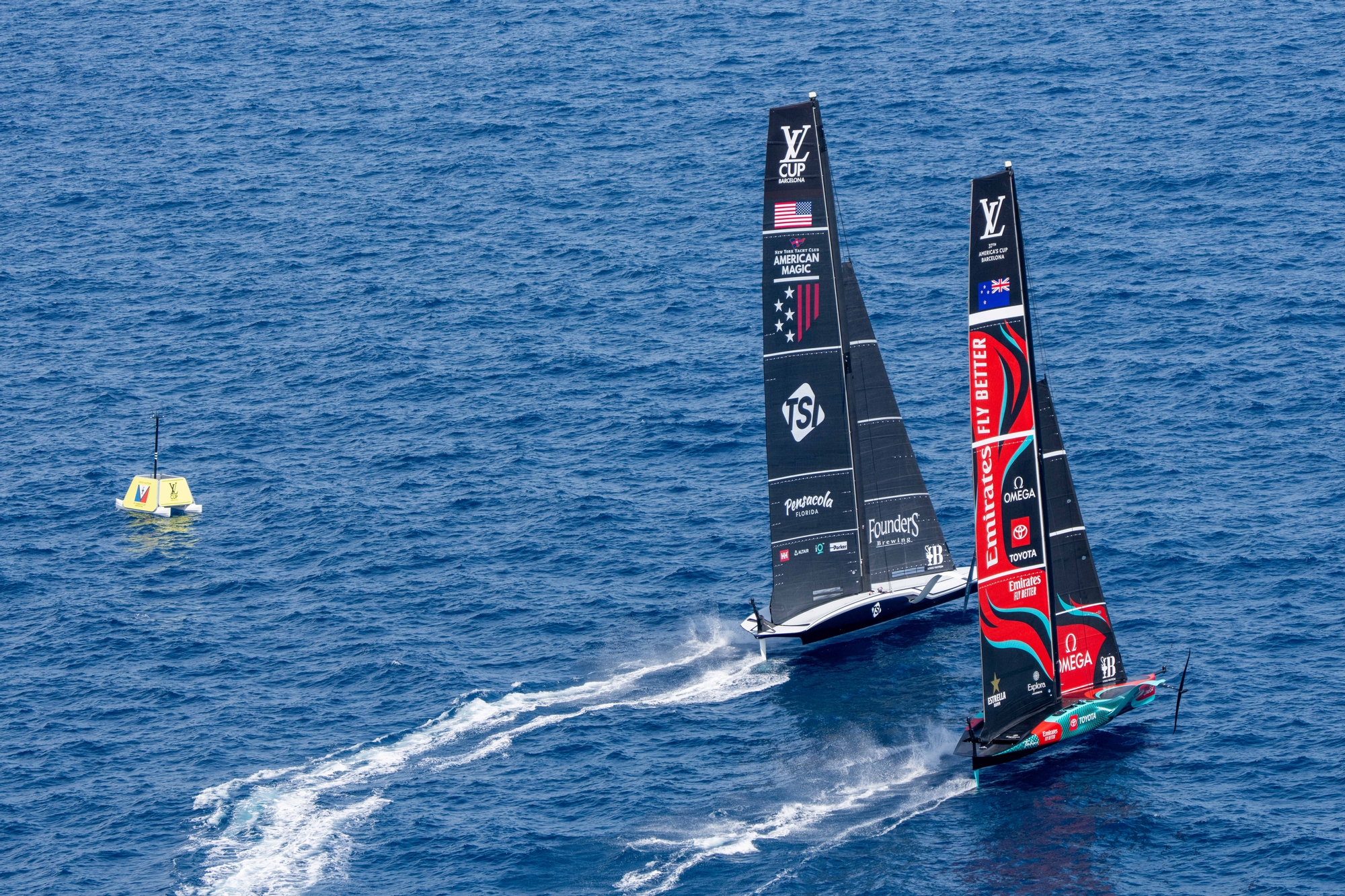

With the Louis Vuitton Preliminary Regatta and the opening days of the Louis Vuitton Cup revealing some ultra-close boat-on-boat action, from a spectator’s stand-point, understanding the nuances of the rules that govern these races has provided much debate. Foiling boats are fast, and we’ve seen speeds in excess of 50 knots at times whilst the closing speeds of the AC75s when in close contact are astonishing.
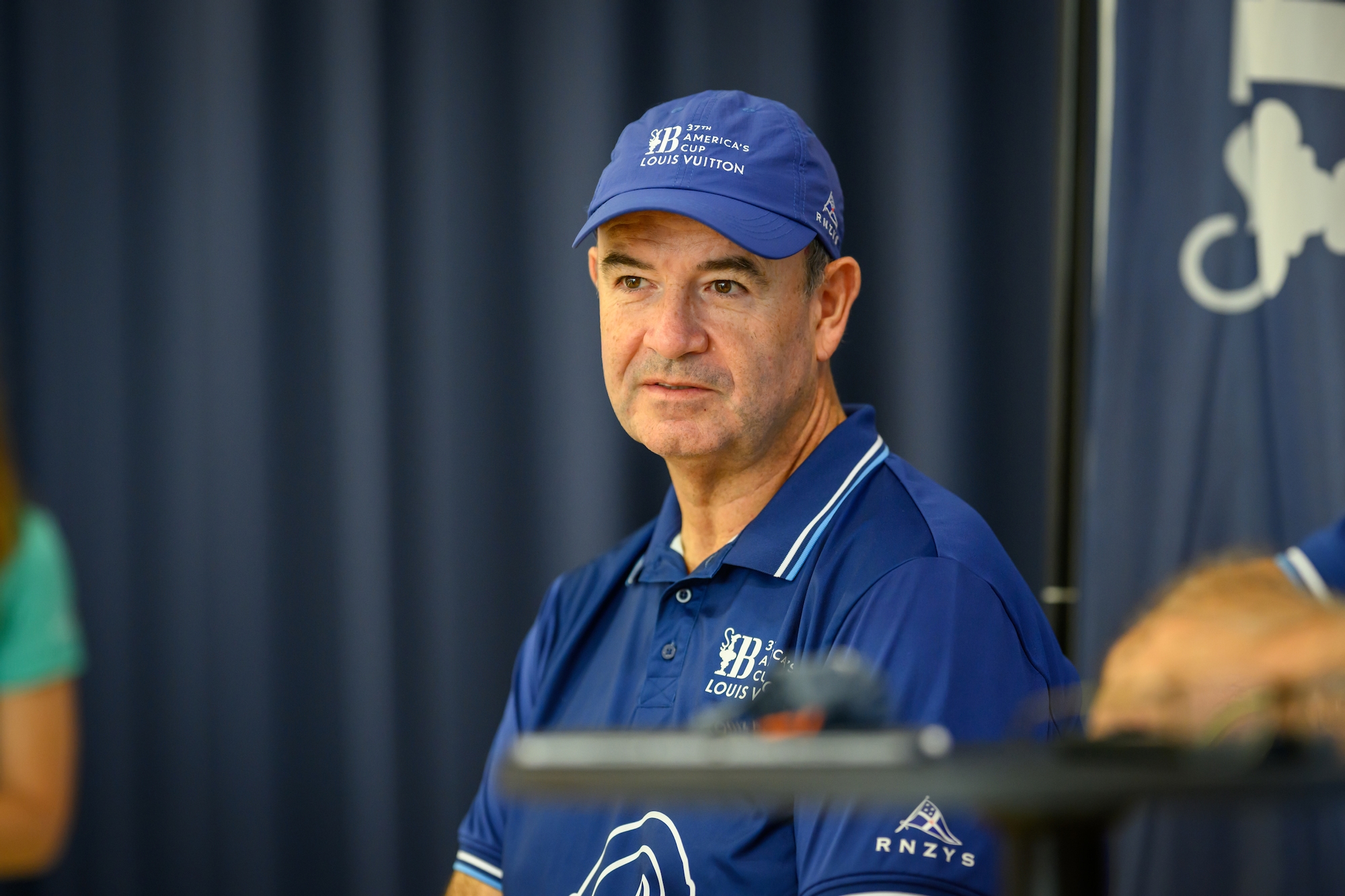
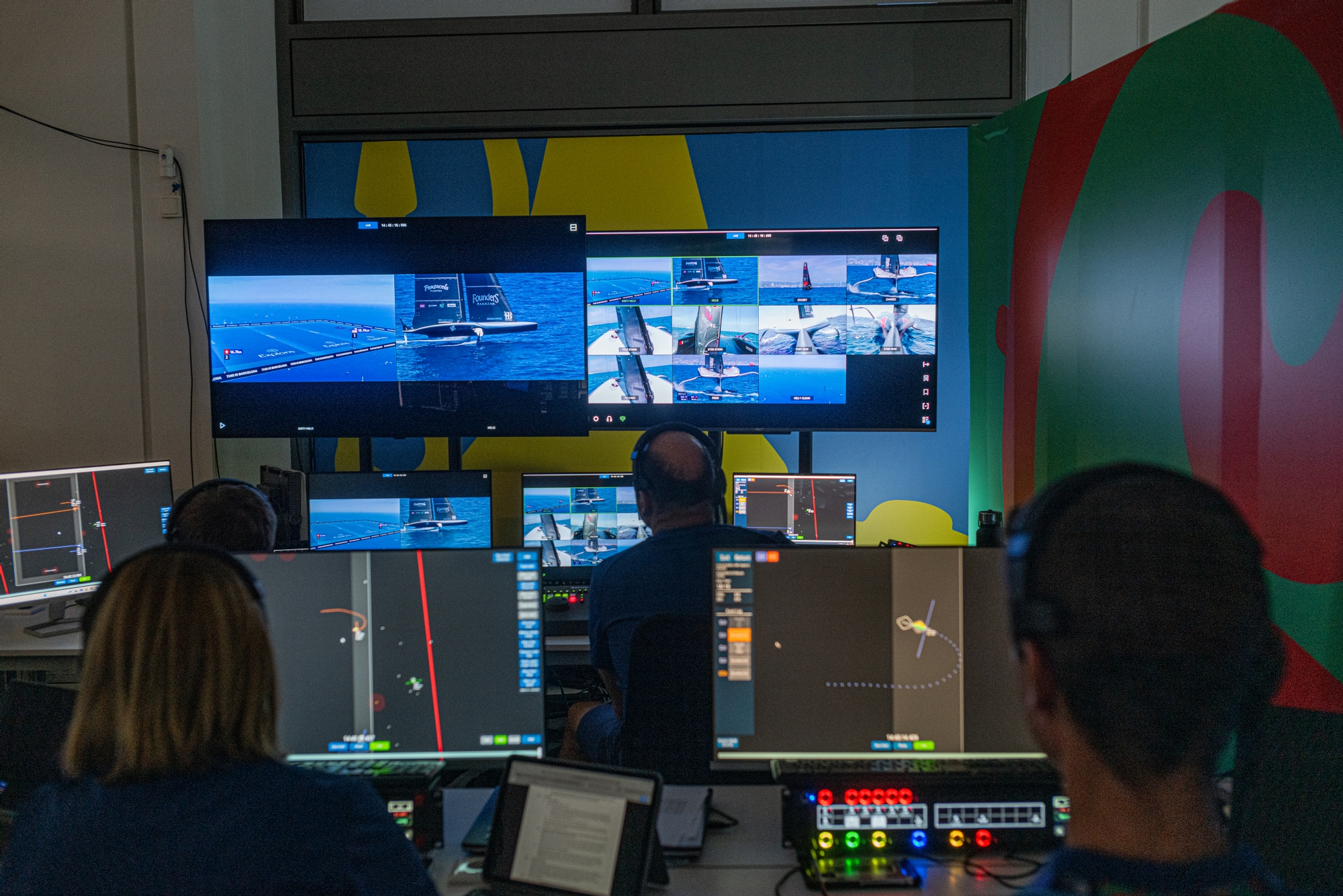
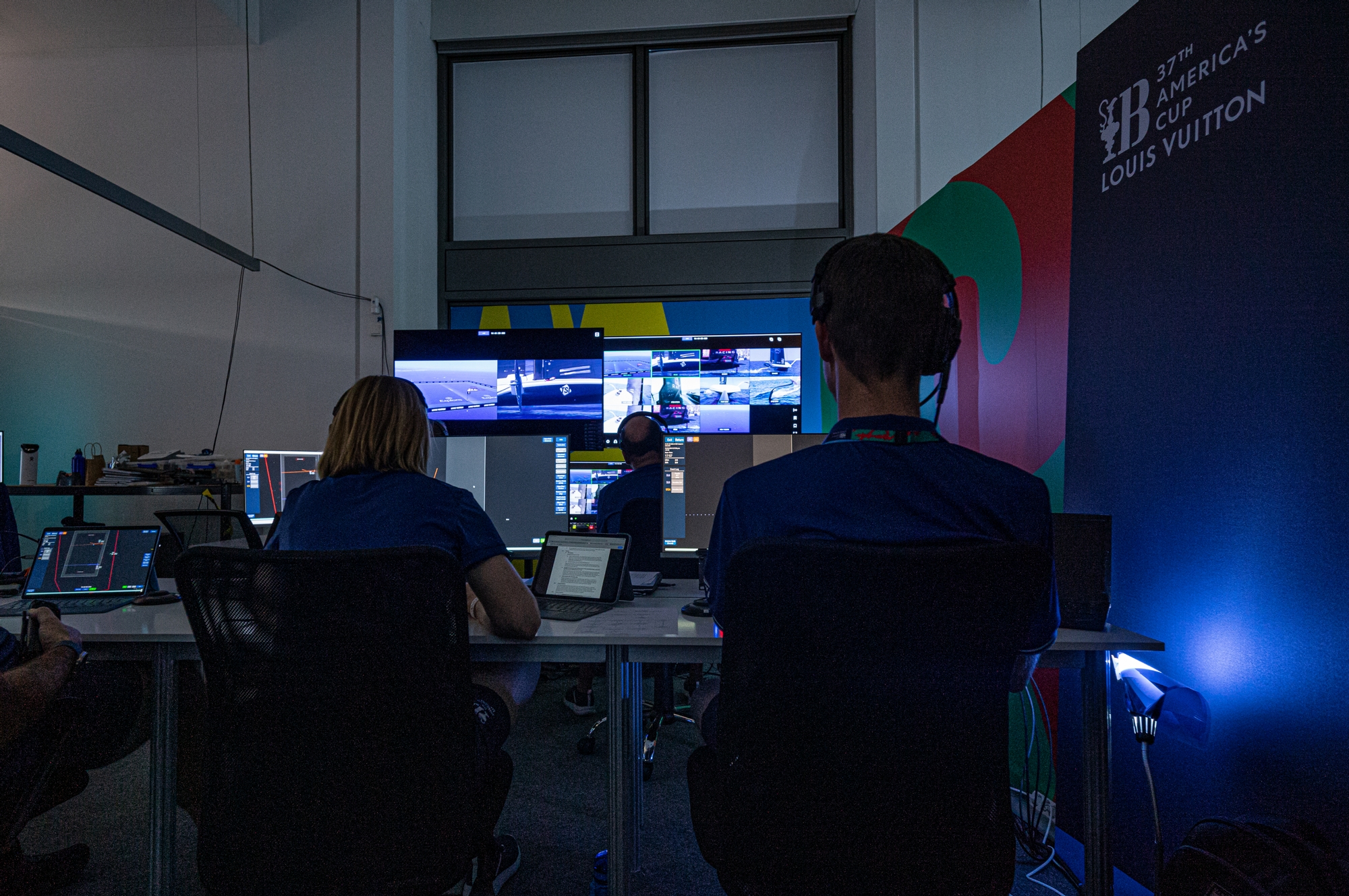
Richard Slater is the Chief Umpire for all the racing at the Louis Vuitton 37th America’s Cup and he is supported by a world-class and highly experienced team of umpires who are using some of the very latest digital technology to ensure that calls are both fair and consistent. Working shoreside, Richard and his team have a huge variety of camera angles and digital overlays to make the calls, and we caught up with him to explain the key rules that you will hear a lot about during the upcoming racing.

As the regatta unfolds and further questions arise, we will keep in touch with Richard and his team and attempt to answer the most burning questions from fans around the world. Today we are looking at the ‘Platform Border’ that surrounds the yachts, the ‘Keep Clear Border’ that keeps the boats apart at a safe distance plus the question of when and how Richard and his team are ‘invited’ in to make a ruling on the racecourse and when they can award an ‘Umpire Initiated Penalty.’
Platform Border
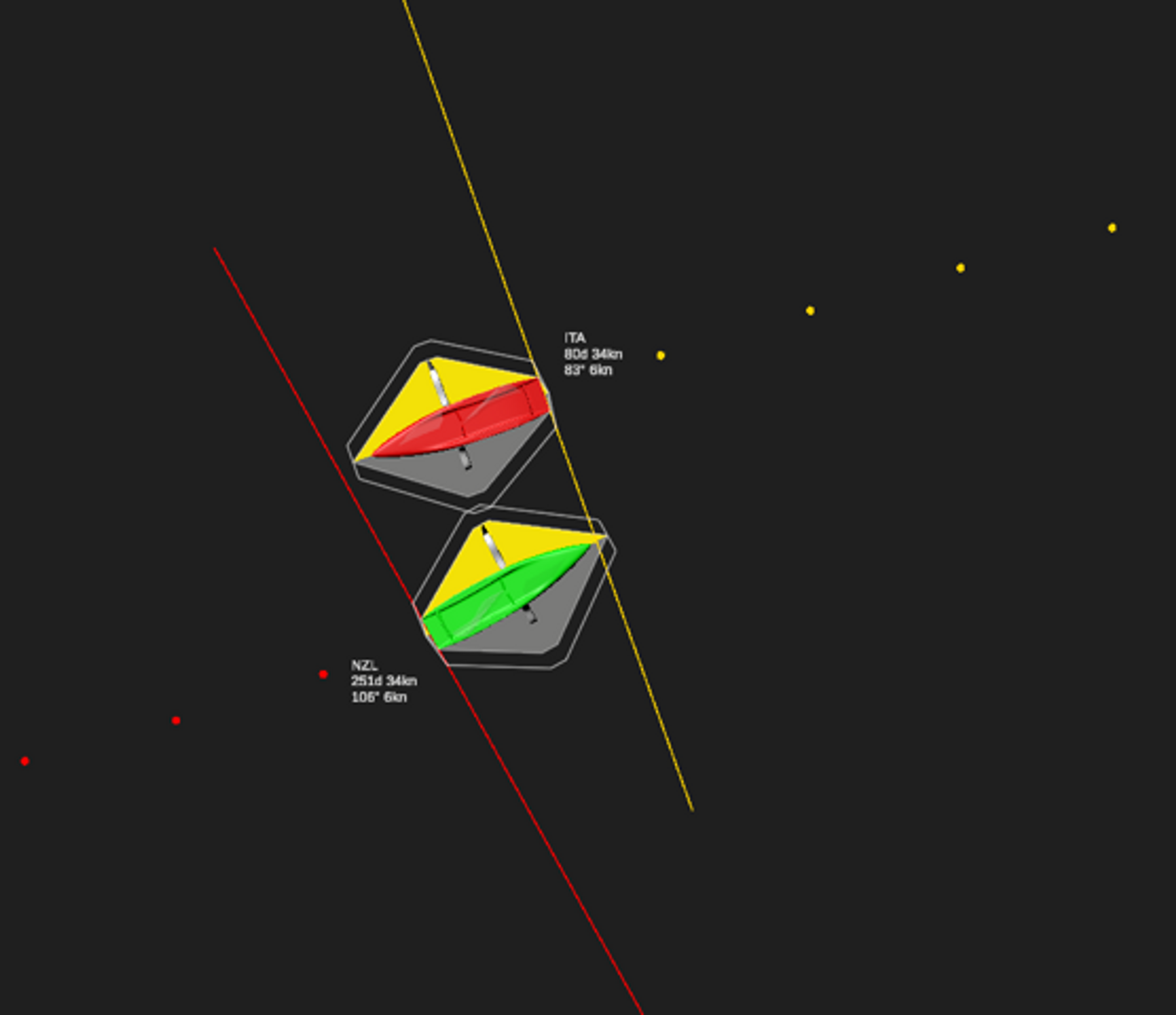
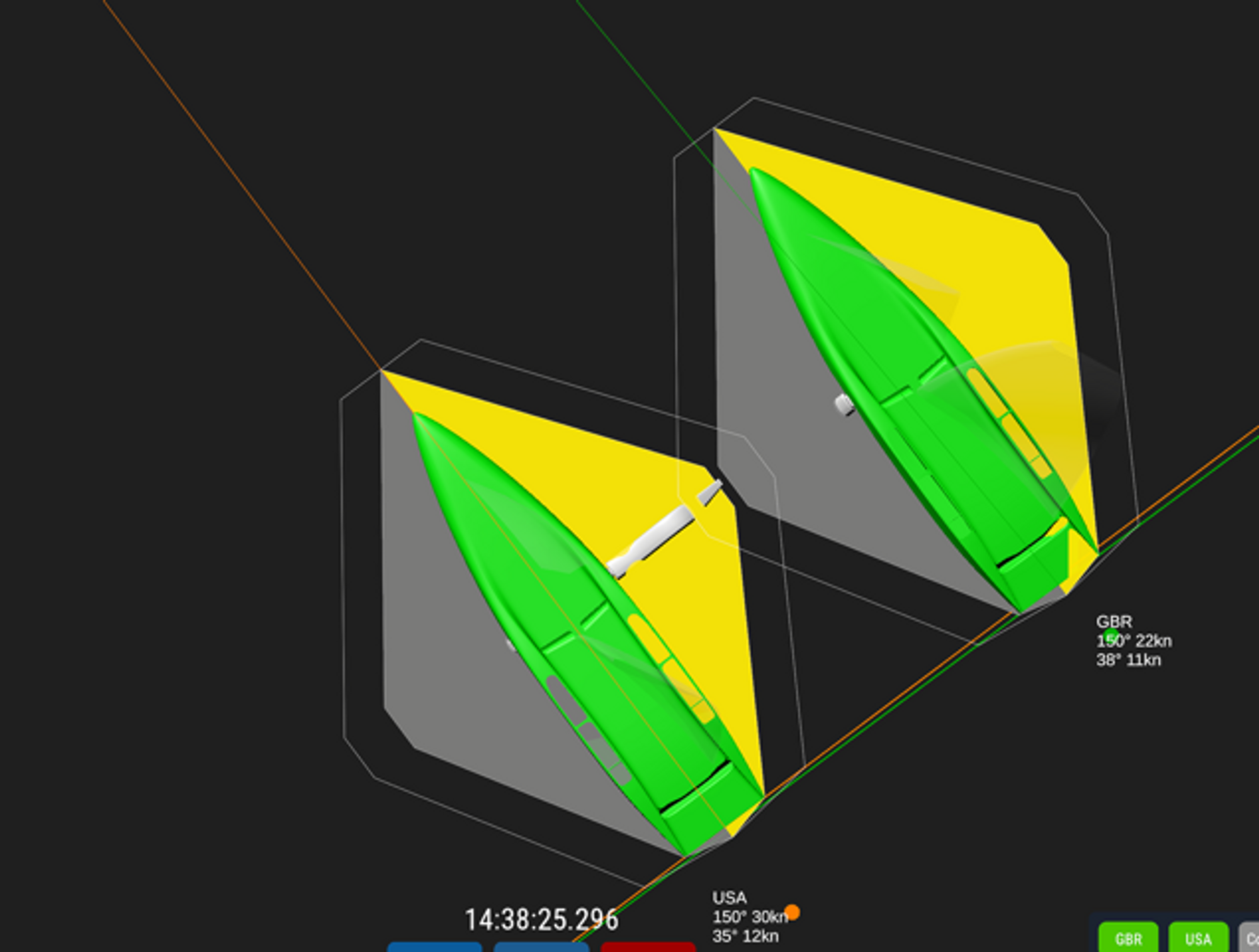
The boats have two shapes around them, the first one which is the closest to the boat is the Platform Border which we use that for starts, we use it for finishes, and we use for boats relative to different lines on the course. The Platform Border is a shape that goes from the stern camera frame to the transom corners, the furthest foil position, and the end of the bowsprit.
Keep Clear Border
We also have the Keep Clear Border. This is the one the boats use for Racing Rules and boat-on-boat interactions. The intent is to get the boats further apart. With the foils projecting so far outside the hull, any contact between boats would probably be catastrophic. So, we take the same points used to create the ‘Platform Border’ and extend the lateral boundary out by two metres.
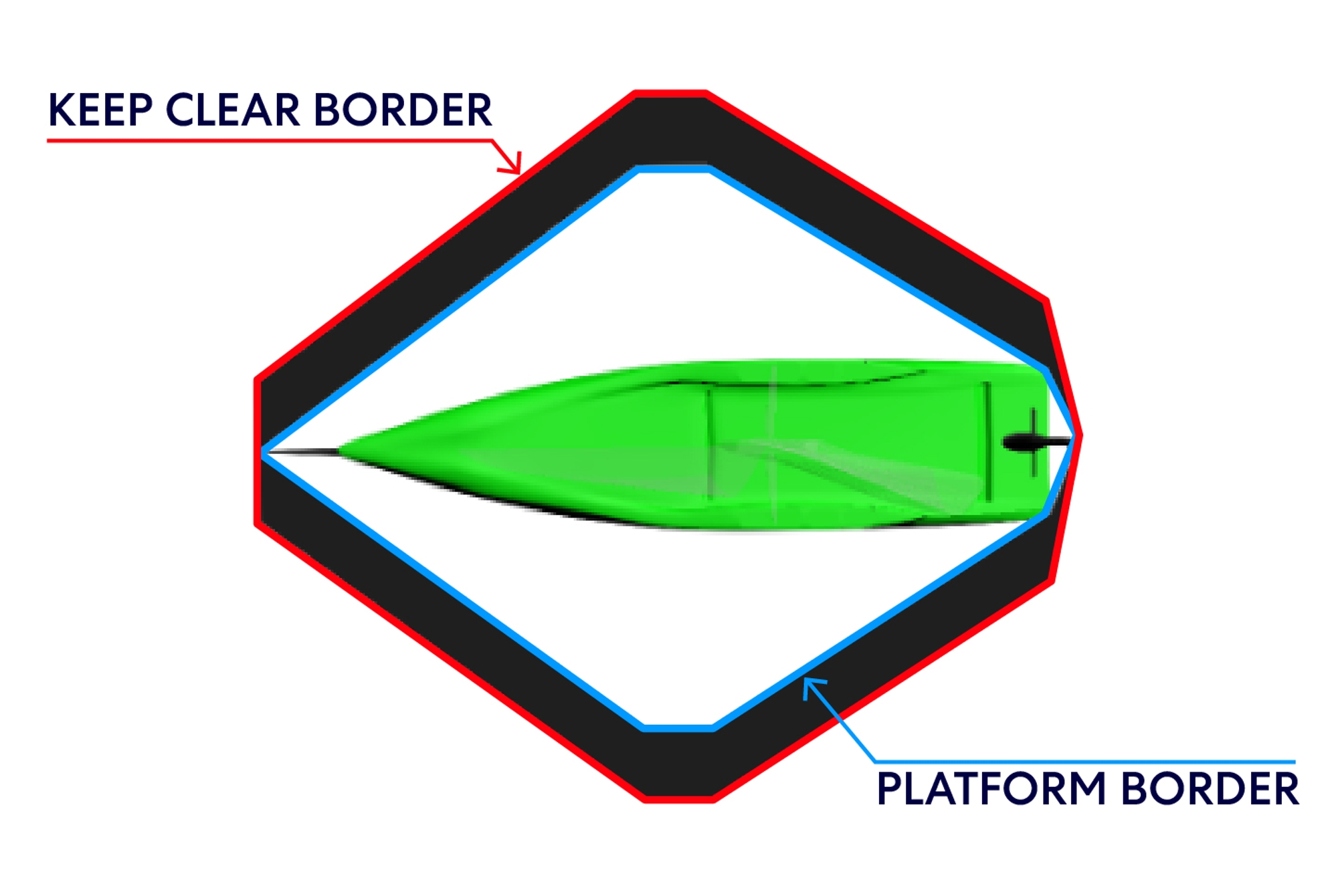
When the boats are racing, if we see the ‘Keep Clear Border’ touch the other boats’ ‘Keep Clear Border,’ in umpire world it's like when we used to see two boats actually touch in traditional match-racing. We treat it like that's contact, so there's definitely a rule being broken at that point and if there’s a protest initiated by a team, we will make a ruling one way or another.

When are the Umpires ‘invited’ in to rule on an incident?
We are ‘umpires’ in the same way cricketers have ‘umpires’ as opposed to referees. Normally an umpire gets invited to adjudicate the rules by the boats protesting. There are some situations where umpires can act without a boat protesting. A common example of that is at the boundary where the opposition doesn't know if a boat stepped outside of the boundary - only we know (as the umpires have the telemetry and digital assets to assess) - so there are situations where we will have the right to step in and give a penalty, but as a rule of thumb when you deal with a boat-on-boat incident, we wait for the boats to say there's a problem and then request our intervention.
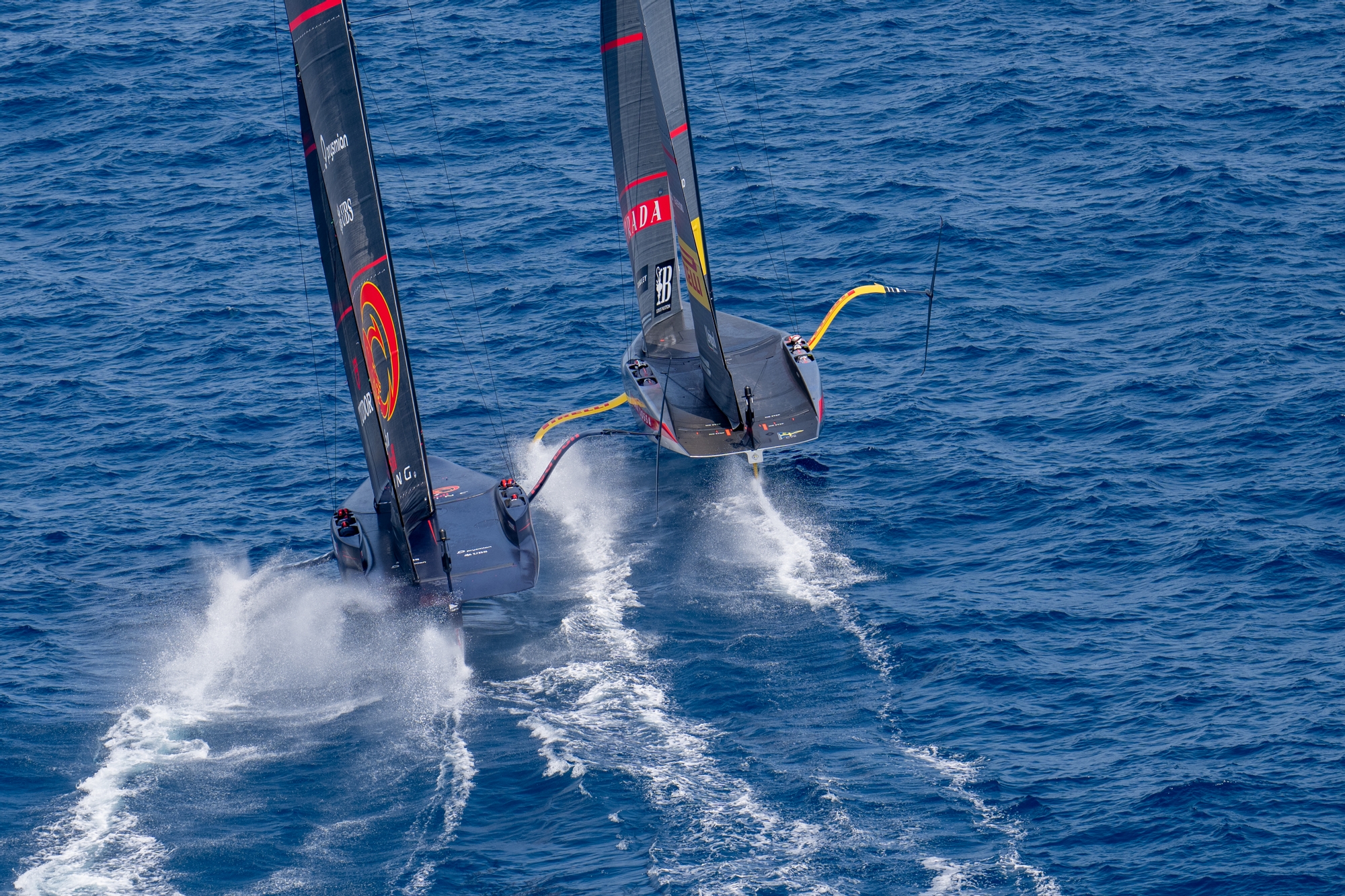
Occasionally, boats are involved in incidents and due to their uncertainty they are not sure which boat broke a rule, and although the umpires might be ready to give one of the boats a penalty neither boat protests.’ And they’re right, they are smart enough not to introduce the umpires into their game if they are not certain of the outcome.
An example of this was in the pre-start of the Louis Vuitton Preliminary Regatta Final, Luna Rossa against Emirates Team New Zealand, when the Kiwis protest and the umpires penalised Luna Rossa. If the Kiwis hadn't protested, despite the two boats being visually very close, and certainly on our screen their keep clear boarders intersected, we would not have ruled.
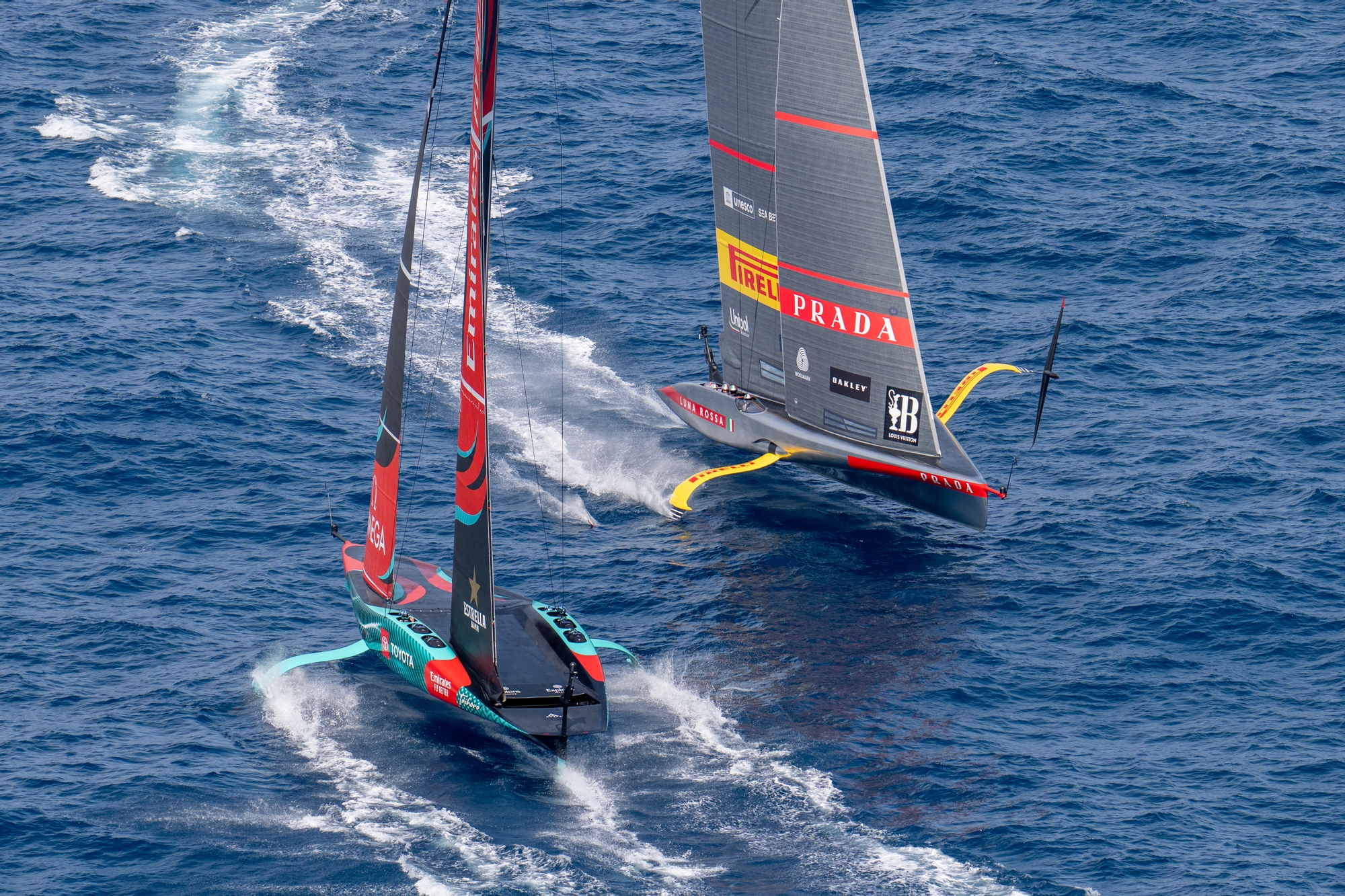
We expect the sailors to ask to protest at the time of the incident, probably up to five seconds, as after that we would treat the incident as closed.
Accuracy of Decisions
Speaking with Richard, you come away with an over-riding sense that safety is the number one priority but that also, the umpire team have all the expertise and the resources to make extremely accurate decisions.
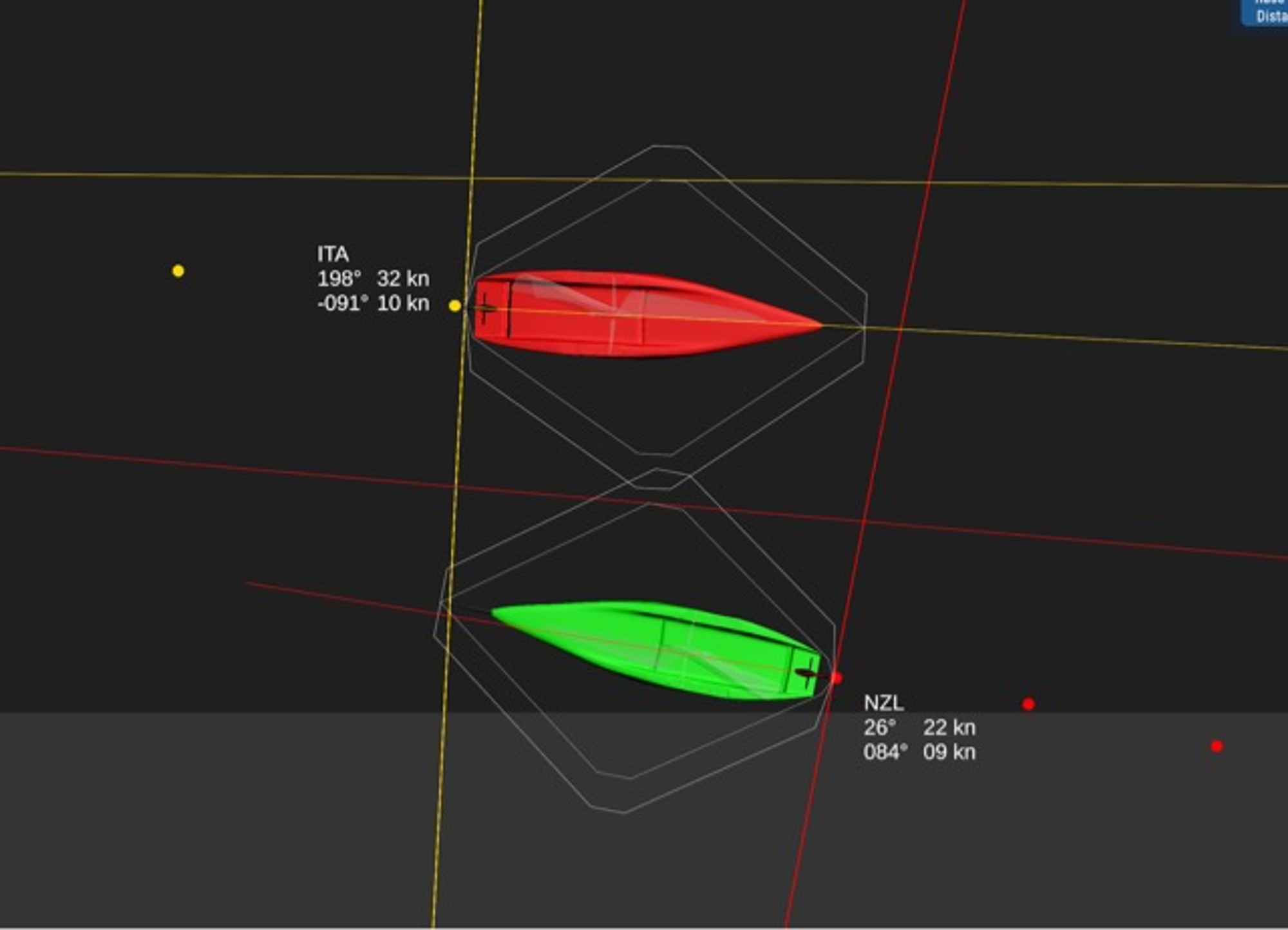
The team work analysing racing situations in real-time throughout the course of each individual race, whilst also looking ahead to potential upcoming situations so that rulings can be made accurately and almost immediately is intense. Their processes are continually reviewed and refined, with the intention of making the Louis Vuitton 37th America’s Cup the fairest and most consistent on-water regatta in the event’s 173-year history.
(Magnus Wheatley)