THE ACP – THE BIGGEST CHANGE IN THE AMERICA’S CUP SINCE 1887
The creators of the founding document, the Deed of Gift of 1857 that in part has ruled the America’s Cup for 175 years, were acutely aware of maintaining the competition’s relevance in an ever-changing world. After the challenges of 1876 and 1881, there was a feeling that the international element and intent was being lost and hence, the Deed was reconveyed and the first re-write occurred, to be published in 1882.
Then again in 1887, to protect the interests of both the Challenger and Defender, yacht time allowances were removed making the America’s Cup a pure boat-on-boat contest and it was insisted that races must be ‘held on ocean courses, free of headlands.’
These were significant changes at the time and have governed the America’s Cup ever since with only minor changes and amendments made in 1956 and 1985 as the sport evolved. Now with the introduction of the America’s Cup Partnership, the five founding teams are, by mutual consent and with respect to the Deed of Gift, recognising that the America’s Cup requires change and that the sporting world that the Cup sits in has changed irrevocably.
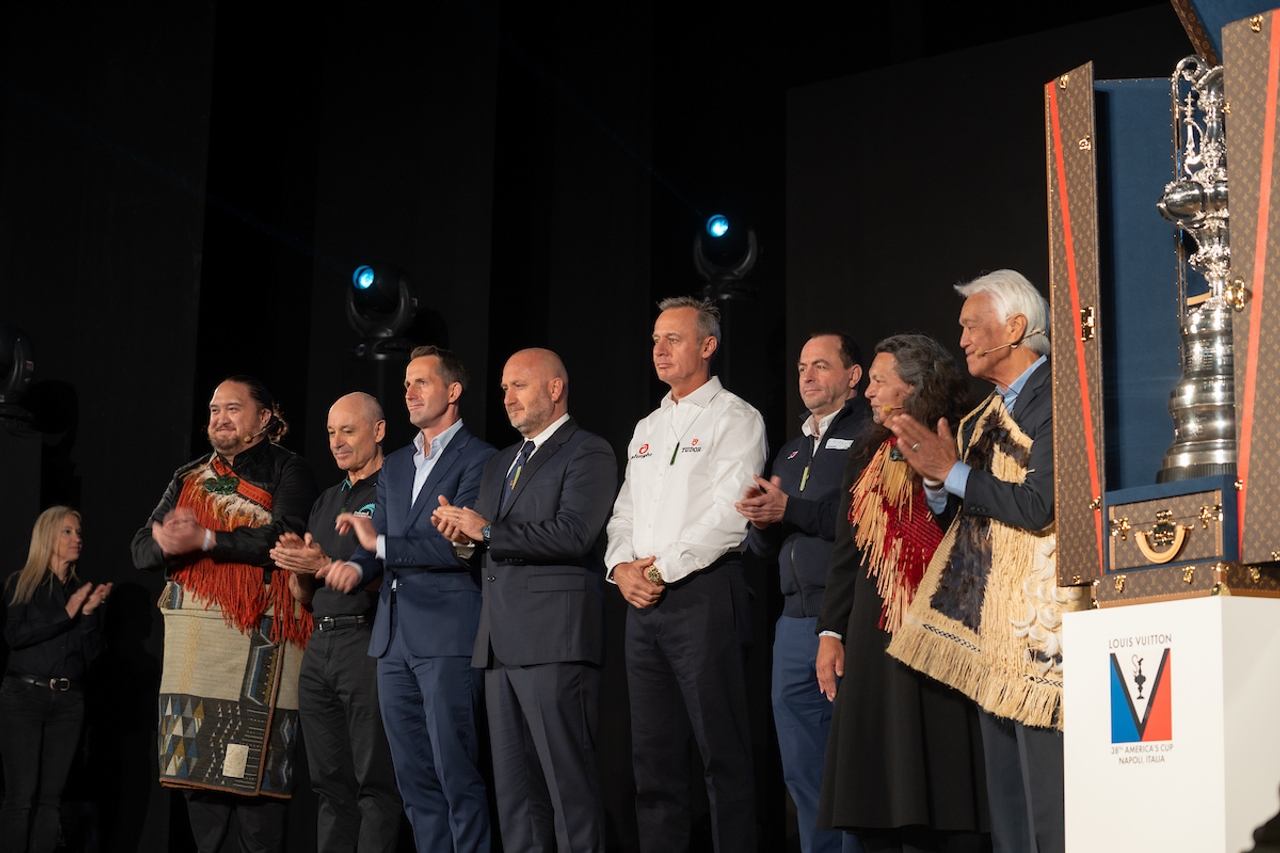
The America’s Cup Partnership immediately installs shared responsibility for the running and future success of America’s Cup regattas. Where before the roles of the Defender and the Challenger of Record were defined and siloed, now the organisational responsibility is shared. From a commercial stand-point, the revenues derived directly and indirectly into the commercial entity that is the America’s Cup, are now shared proportionally via the America’s Cup Partnership, that drives immediate revenue value into the teams themselves as sports entities.
Why does this matter? The stop-start model of the modern-day America’s Cup, and the reliance on wealthy backers and sponsors is a model that in today’s world of sponsorship and commercial tie-ups cannot survive. Avoiding the shackles of the cliff-edge drop when one regatta ends without certainty of where the next will be, results in sponsors and partners not able to see long-term brand building, technical or innovation partnerships coming to fruition. The America’s Cup Partnership agreement addresses this, giving cast iron guarantee on the dates and venue of future events, the yachts that will be used or built, tight cost controls over componentry and overall budget caps that for this cycle sit at €75 million and will be reduced in the future.
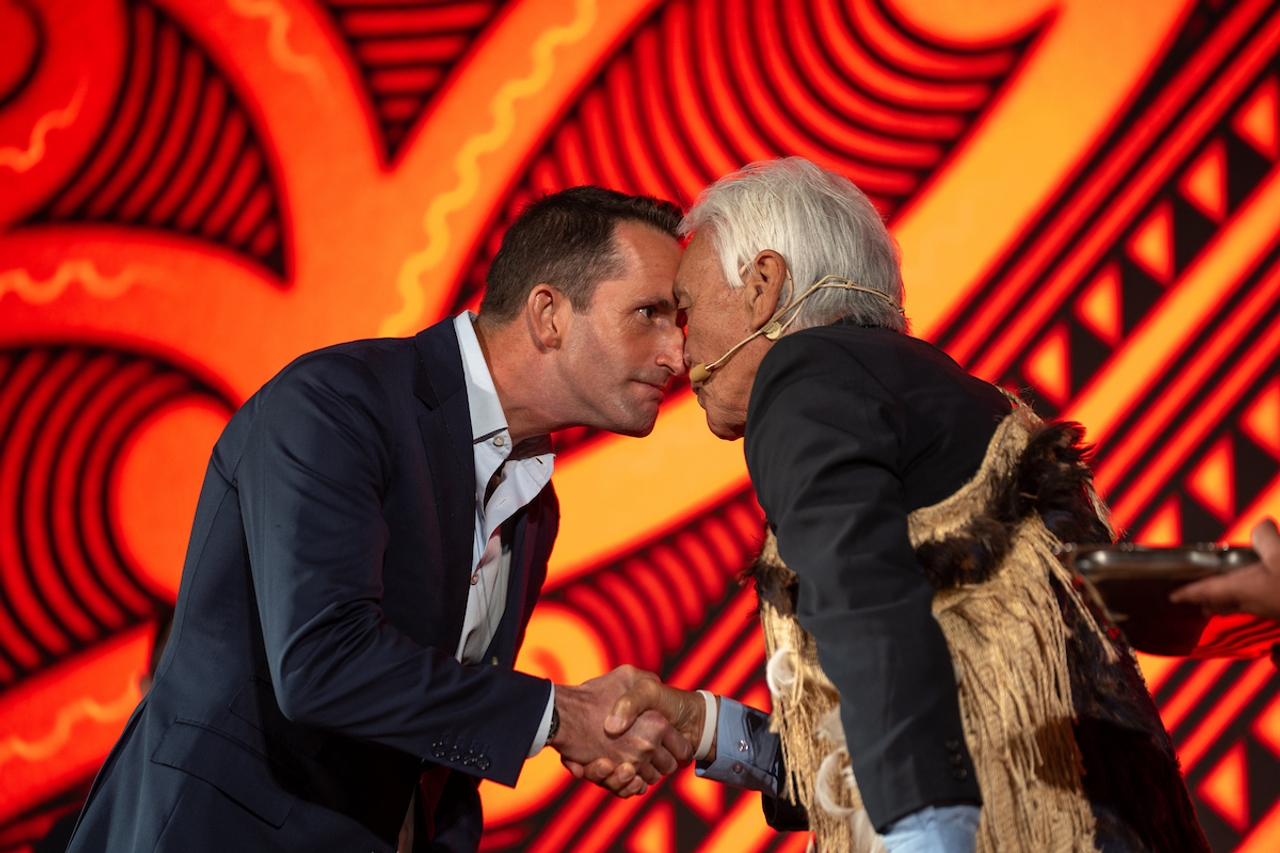
One legacy that will always remain- no one has ever ‘owned’ the America’s Cup, nor will anyone ever own the America’s Cup. But from a team owner’s perspective, immediate value is driven into the teams via the commercial arrangements with the ACP. Building the America’s Cup property going forward is now the responsibility of all the participants to project the competition and maintain its pinnacle status not just in sailing but in global sport.
Being the oldest continually-contested international sporting competition in the world at 175 years, has a caché that rivals the modern-day Olympic Games, the FIFA World Cup, and bi-annual events like the Ryder Cup in golf and the Davis Cup in tennis. It has the richest of legacies with the greatest back-stories and the opportunity for both the founding teams and teams that will join in due course, is immeasurable.
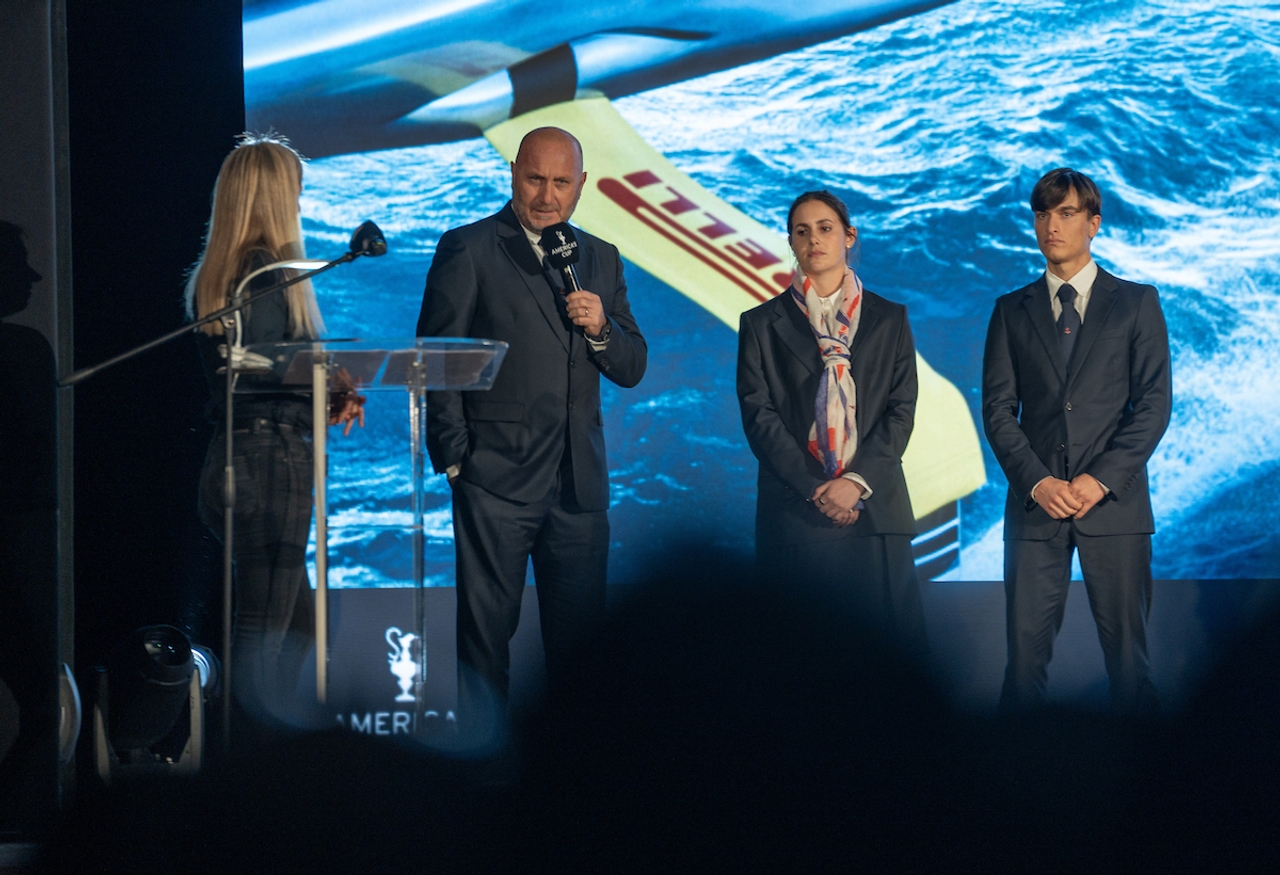
Change always has its challenges and for the Louis Vuitton 38th America’s Cup it’s very much a dry-run as teams and the management of the ACP get used to the new structure, yet by dint of having ownership in the structure of the competition, it’s an opportunity for growth, reach and deep value for all the participants that will make the America’s Cup, at long last, investable.
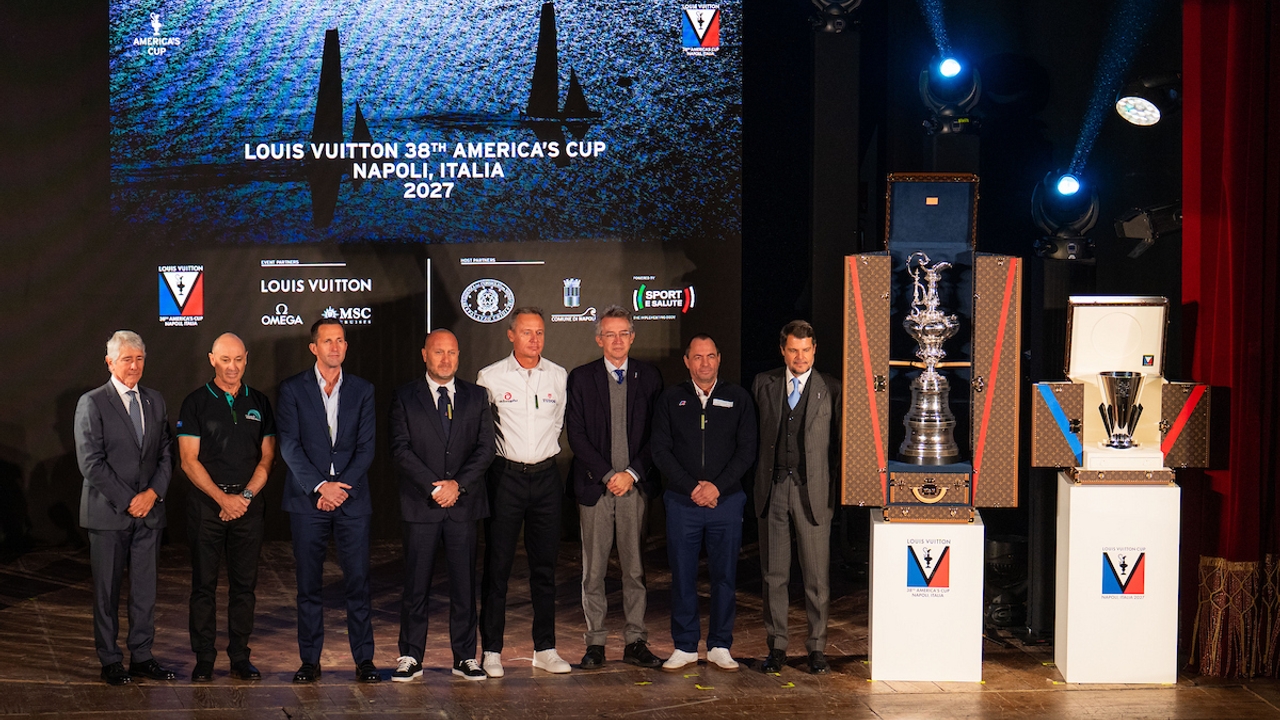
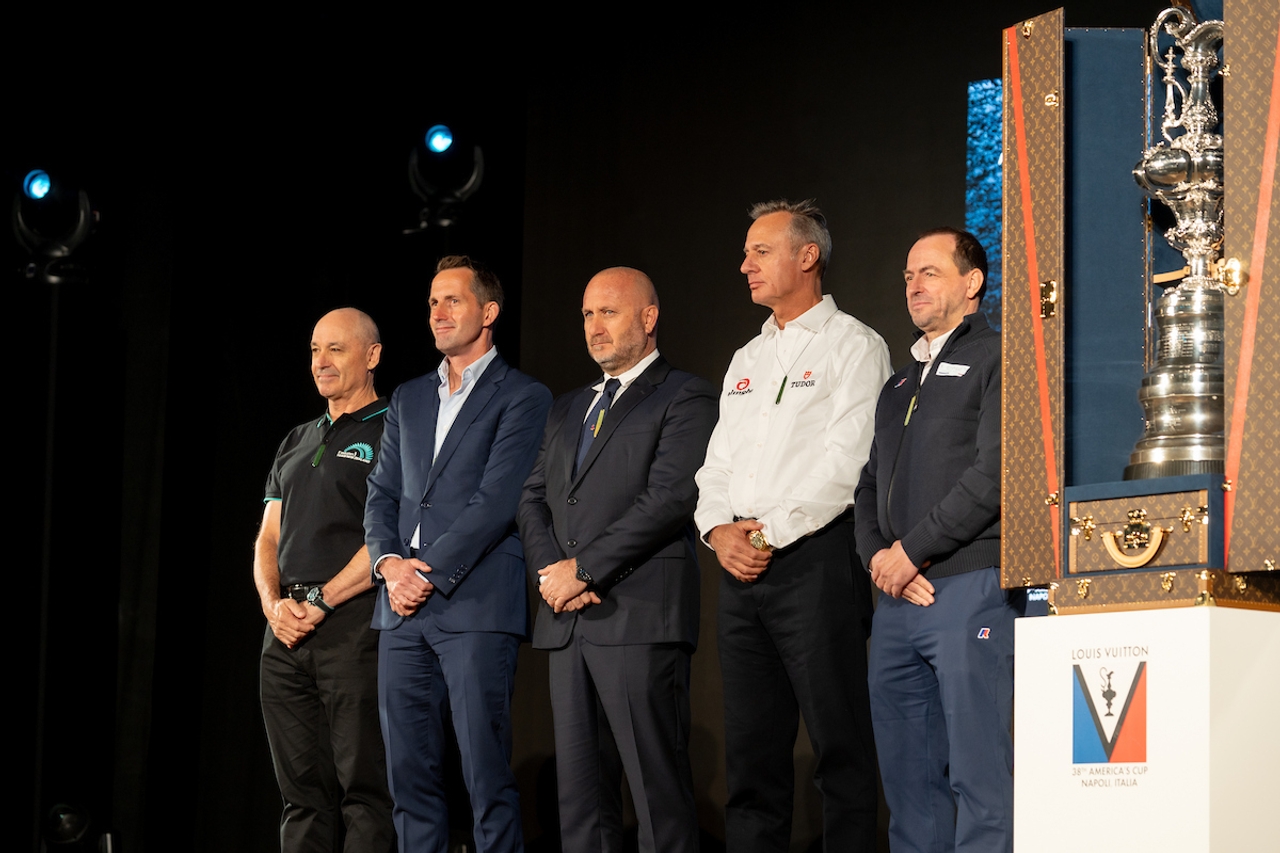
The ACP also, potentially makes the America’s Cup ‘winnable’ and that is a fact not lost on the five announced competitors to date: Emirates Team New Zealand, GB1, Luna Rossa, Tudor Team Alinghi and K-Challenge.
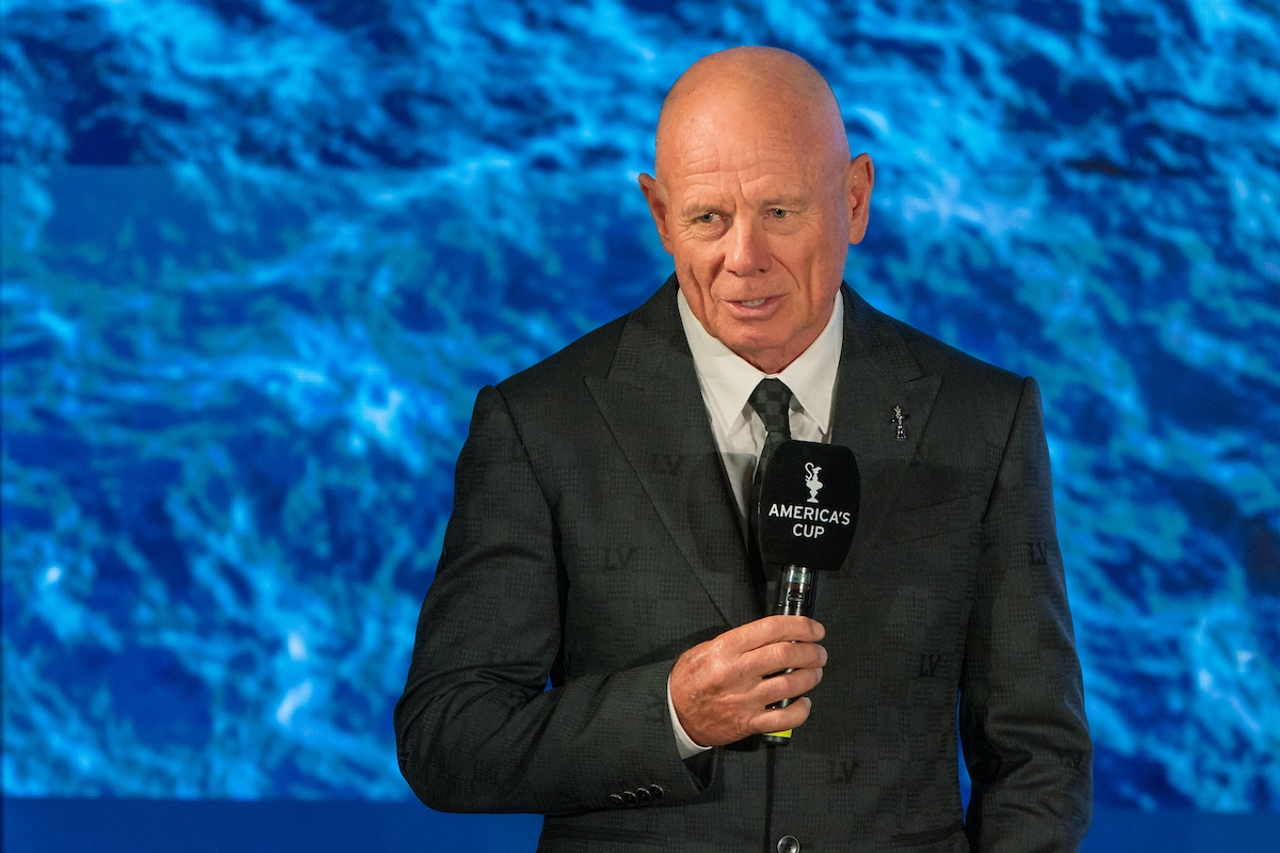
Driving the ACP from the outset has been Grant Dalton, CEO of Emirates Team New Zealand and Sir Ben Ainslie, Team Principal of G1 (Challenger of Record), with Dalton saying: “The Partnership is a watershed for the America’s Cup that shares governance and the event’s future direction and development and having Louis Vuitton announce their continued commitment to the America’s Cup is a testament to the new direction. It’s absolutely vital to the long-term but, in the near-term, the ACP will guarantee some of the closest racing and a contest unparalleled.”
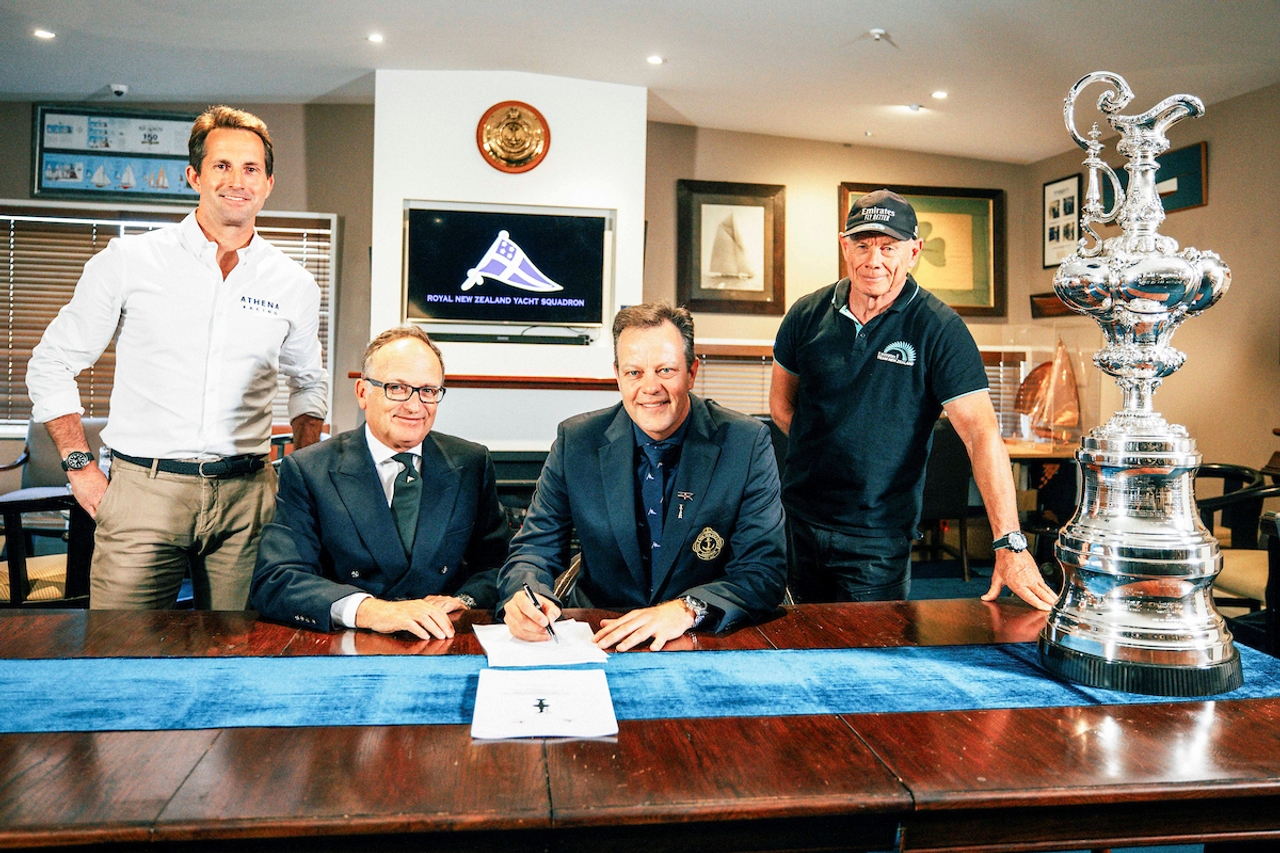
Sir Ben Ainslie, Team Principal of the Challenger of Record GB1, further added: “A lot of work has gone on behind the scenes to create the ACP, and I think having these five incredibly strong international teams here today illustrates the alignment, intent and the immense opportunities for not only the Louis Vuitton 38thAmerica’s Cup but all future Cup regattas.”
The America’s Cup has been unique in an ever-evolving sports complex where fans, sponsors, owners and indeed the sportspeople themselves demand an increased and heightened professionalism and profile. The ACP agreement with its shared responsibility for the future direction of the regatta, addresses many of the issues that have held back the development of the contest in the recent past and reaffirms the America’s Cup as not only the pinnacle event in the sport of sailing but also as a pinnacle event in world sports.