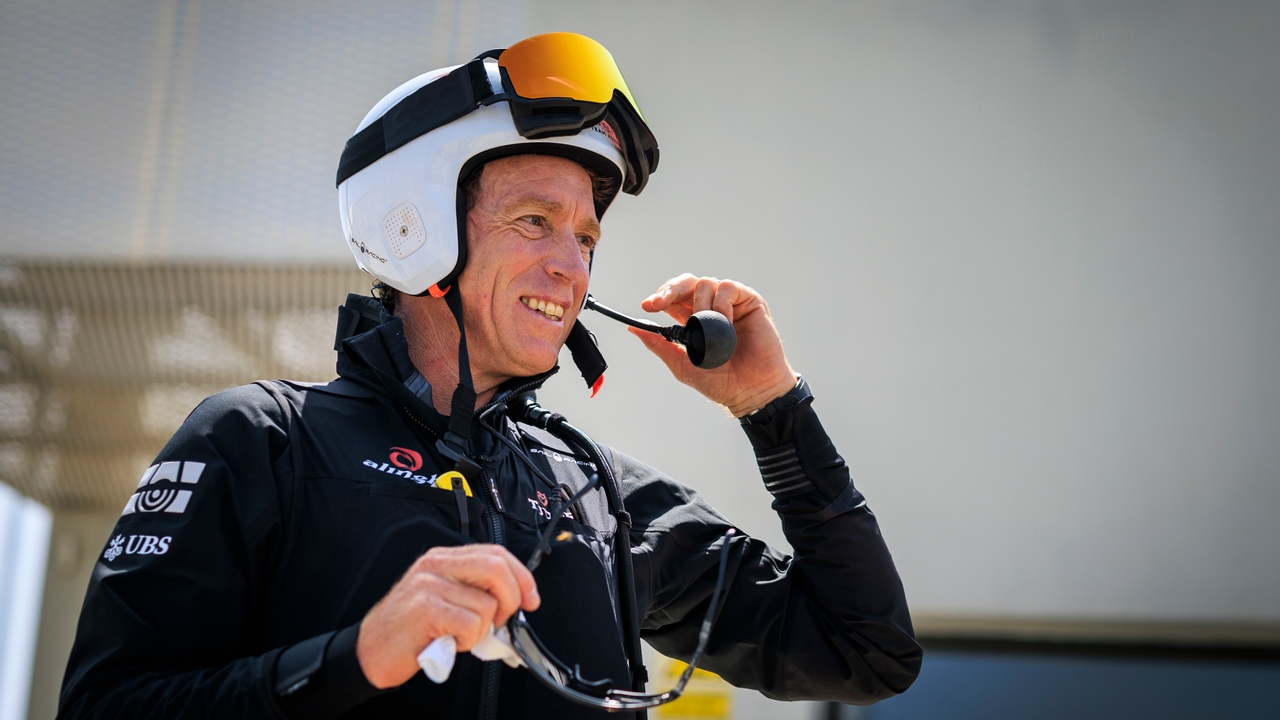
PAUL GOODISON INTERVIEW – SKIPPER OF TUDOR TEAM ALINGHI
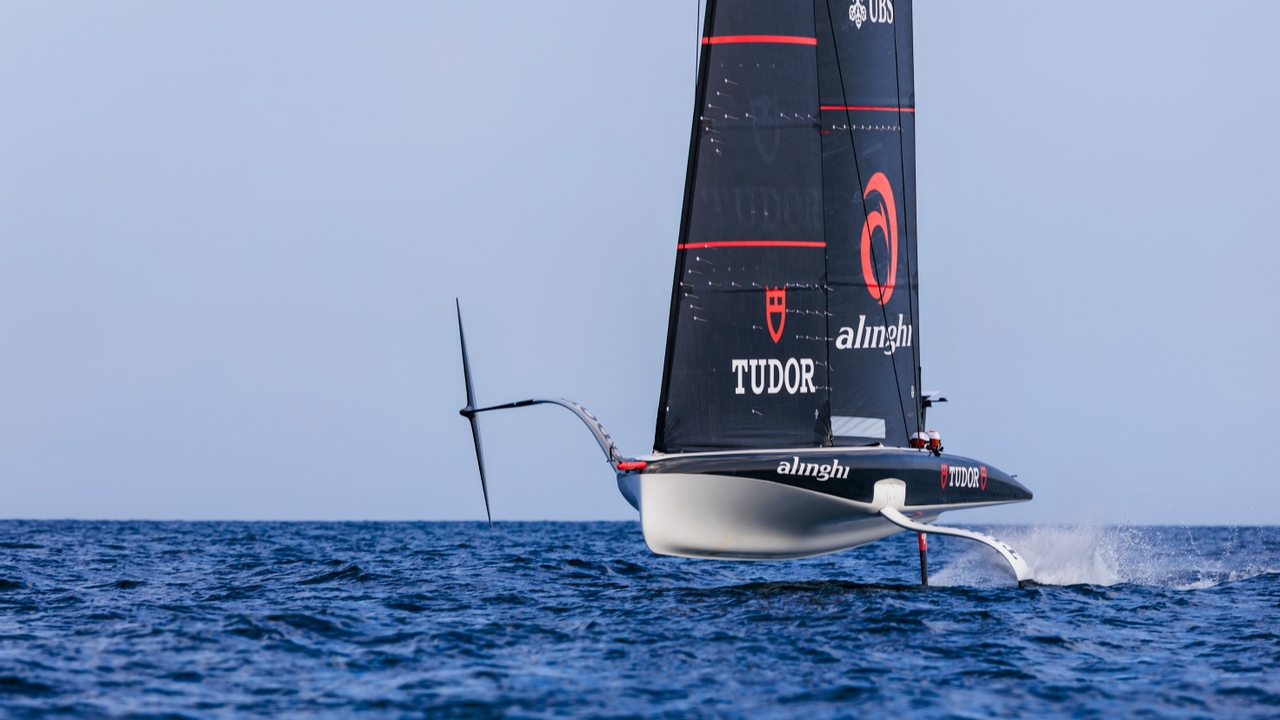
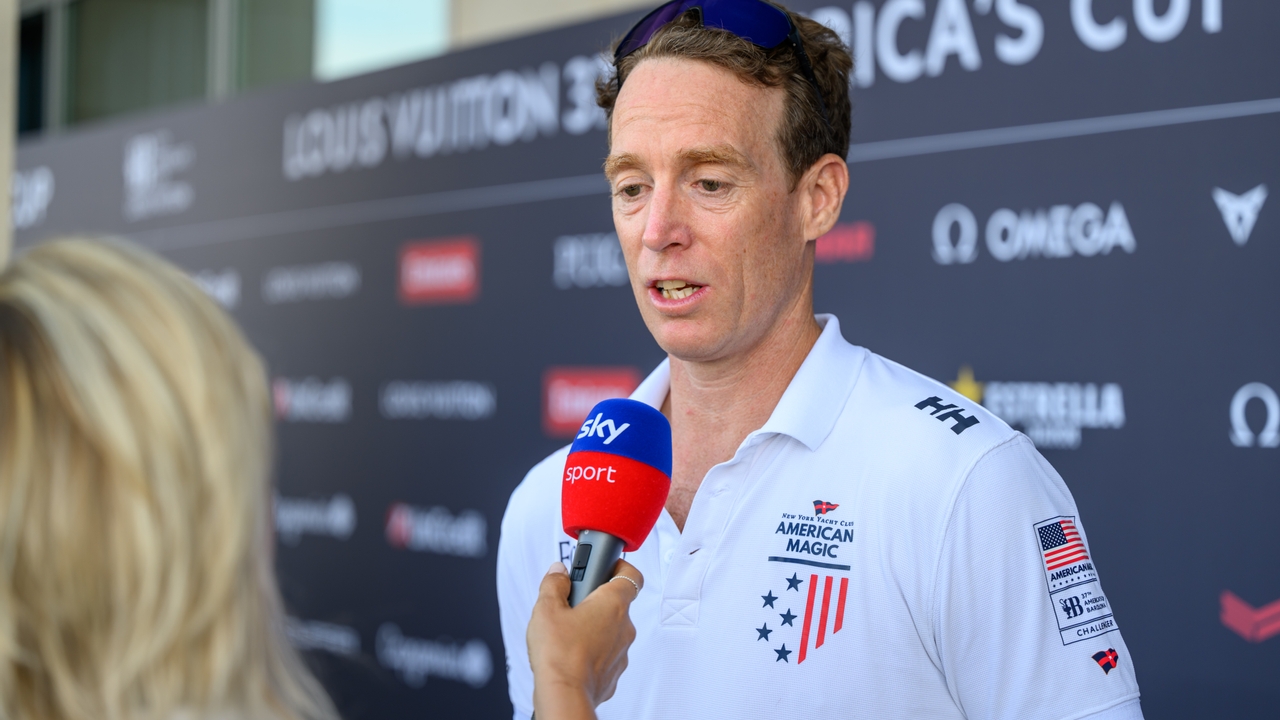
One of Great Britain’s most decorated sailors with an Olympic gold medal in the Laser Class at the 2016 Rio Games, and one of only two people ever to win three back-to-back International Moth World Championships, Paul Goodison is as close to sailing ‘royalty’ as you can get.
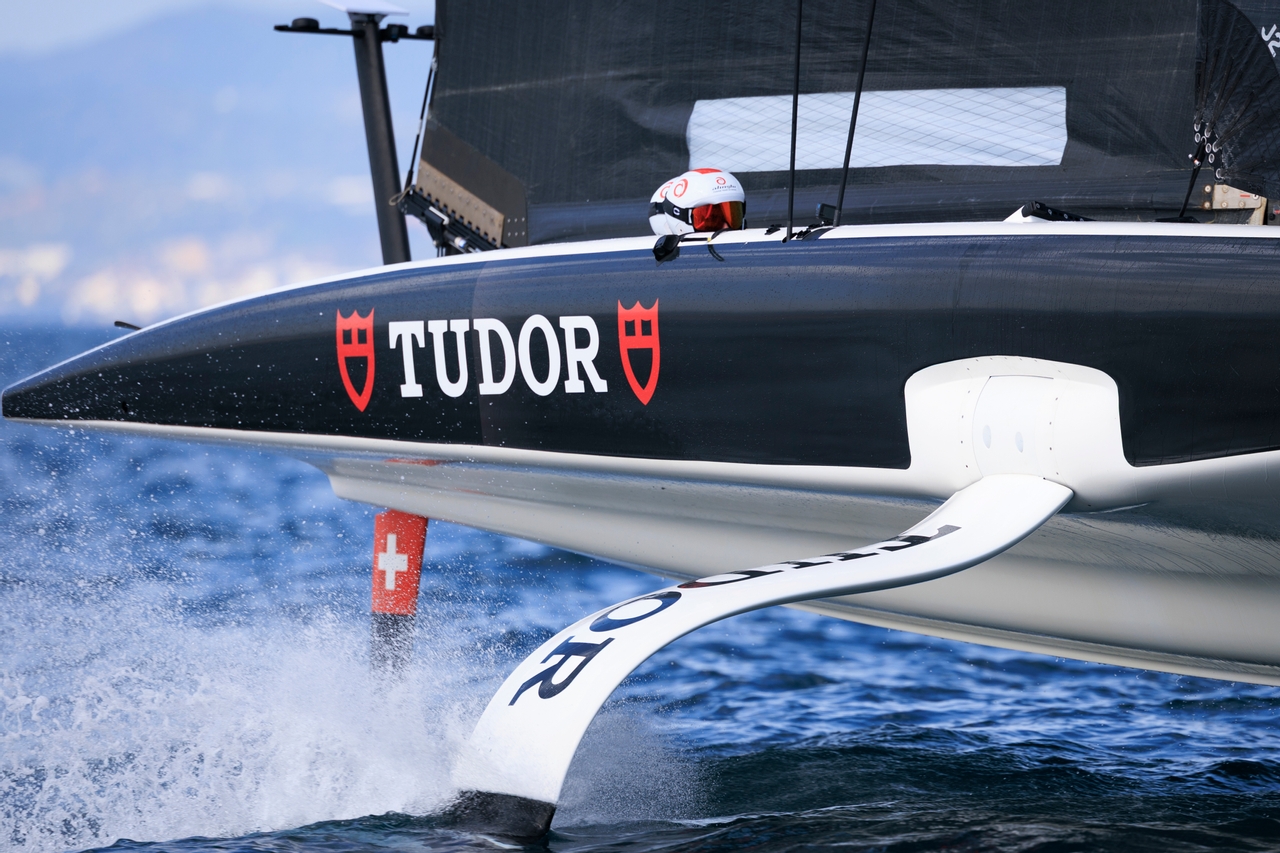
Having been involved with American Magic since the start in 2021, Paul has stepped into the skipper role for 2027 with Tudor Team Alinghi, bringing a wealth of America’s Cup knowledge and experience to the Swiss team – still the only European-flagged team ever to win at the pinnacle of the sport.
The America’s Cup very much feels like unfinished business for Paul as he was forced to sit out the Louis Vuitton Cup semi-final after mis-stepping and falling into a cyclor pod on the American Magic AC75 ‘Patriot’ in 2024, breaking a number of ribs in the process and ultimately being replaced by Argentinian Lucas Calabrese. Now he’s back, fitter than ever, and raring to build the team around his talents for the long term. We caught up with Paul in Barcelona where Tudor Team Alinghi are training ahead of de-camping to Naples for the start of the Louis Vuitton 38th America’s Cup.
Paul, you're back in the big league again. What was the vision that made you sign for Tudor Team Alinghi?
PG: I think the longer vision was a big factor. Chatting with Dave (Endean), chatting with Ernesto (Bertarelli), and on the initial look, it's going to be really challenging this short period, obviously. You look at the teams that are more established, that have been kept going, they're going to be pretty hard to catch short-term. But then, the vision here is long-term, it's essentially a new team and to be involved in the foundations and paving the way, that was one of the big appeals for me.
A lot of people I talk to say that AC38's almost a write-off. It's really about building for AC39 and trying to bring in the next generation. What’s your take?
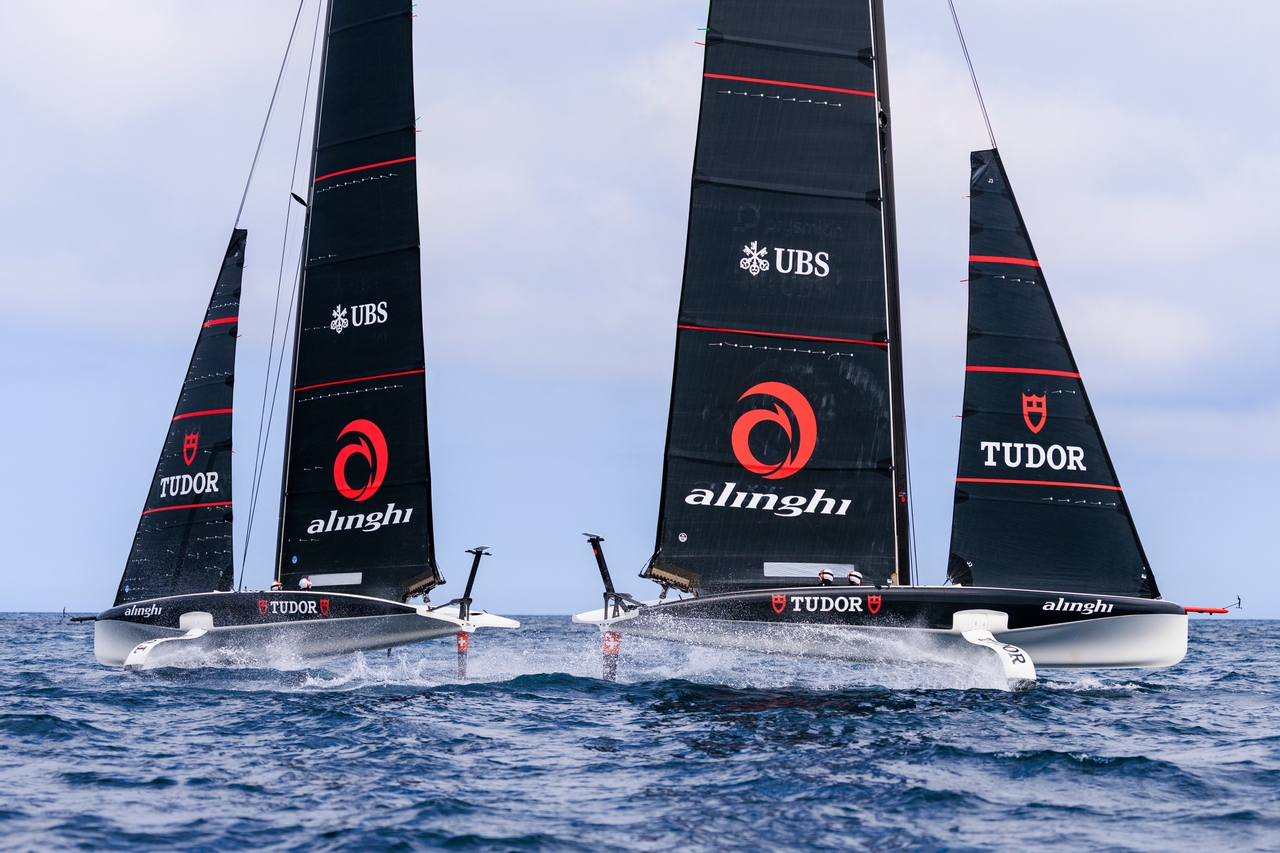
PG: We're very well aware that this one's going to be hard, and we're trying to build for the next one, and trying to put all the pieces in place. The big thing with any of these teams, is that the people are the most important part. Obviously, you need the best people, but if the best people don't get on and work together well, it's dysfunctional. So, it's about building a group who work well together and who know each other well. From the sailing side, you desperately need this young, fresh talent to come in and push us all, but you also need some wiser, older, experienced eyes to look at the challenges you're facing and try and identify where you need to invest your energy, how you develop the boat, and how you liaise with designers, which is a skill in itself that doesn't come overnight. So, trying to get that balance right is tricky. But it's awesome to have some of the younger sailors around, and just the enthusiasm here is something pretty special so far.
There must've been a big wash-up after AC37. What is the approach now? Is it just concentrate as much experience into AC38, get the experience in, and then build from there?
PG: I think the big challenge from every campaign is understanding what you got right and what you got wrong... With the Cup, you think the bigger the budget, the more resource you have, the more powerful you're going to be, but you're only as good as identifying the bits you need to focus on. I think it's going to really come down to making the smart decisions about where to focus your resources and where to focus your energy. I'm under no illusion that the established teams that have been doing it for longer are going to have a little bit better tools and are going to be a little bit more developed. But as time goes by and everything gets reduced, that gap's going to close. And as a sailor, all you hope for is that your boat's going to be close enough to make it a race.
So are there things that you take from the American Magic campaign and bring into this and go, "Right, guys. We need to do it this way. We really need to be looking at X..."
PG: There's heaps of that going on, and I think that's the beauty of every campaign...I think one of the most critical things to do at the beginning of campaign is basically have a good overview of what each team did well or badly. So, I've been quite open and honest with my experience over the two campaigns in the AC75, what we've done very well and what we've done very badly. And that's anything from a design side to just how we run the day, the things we focus on, how we analyse performance. We've had a good week here this week looking at the performance tools and how they in the past have used the tools to assess performance and how they've set their day out. There's really good bits from each campaign, and it's about cherry-picking the bits you want to take forward and then developing your way of doing it.
Obviously, with American Magic, you had a very real talent in Harry Melges, who came through very quickly. Are you seeing the same level of talent, that you're trialling at the moment in the youth and women's teams. What are you seeing there?
PG: I think the younger generation are getting these amazing opportunities and being fast-tracked amazingly well. I look back and I was like, wow, I had to spend 15 years hanging out the side of a Laser to get the opportunity to try and do this, and then you have to go and win a bunch of Moth Worlds to prove that you're in the foiling. Whereas a lot of the new guys, they've been brought up watching some of this stuff, so they're learning through watching the TV, and they come in and they're given these opportunities. It's awesome to see some of them just reach up and grab it, and they're like sponges, they soak everything in.
What does an America's Cup sailor look like in the future? There has always been a defined path: You'd go and get an Olympic gold medal. Then foiling came in, so you go and win some Moth World Championships. You may have some big boat fame. That to me is the model of what it is today to be an America's Cup sailor. What does it look like in say AC42?
PG: The way that simulation is evolving and the reality between the simulation and the racing, it's probably not too far beyond reality that some gamers may even be around in 10 or 15 years' time. How they deal with getting wet and not being able to see the screens as much as when they're sitting on their sofa will be interesting. But at the end of the day, I still think so much of it comes down to the racing, and some of that stuff is being able to use your eyes in the reality and judge distances and weather conditions. I still think it's going to be sailing-related.
The rumour in the last Cup was that Alinghi’s simulator was excellent, and there was a lot of work done there, how much time are you spending now in this cycle in the simulator? Have you started that work?
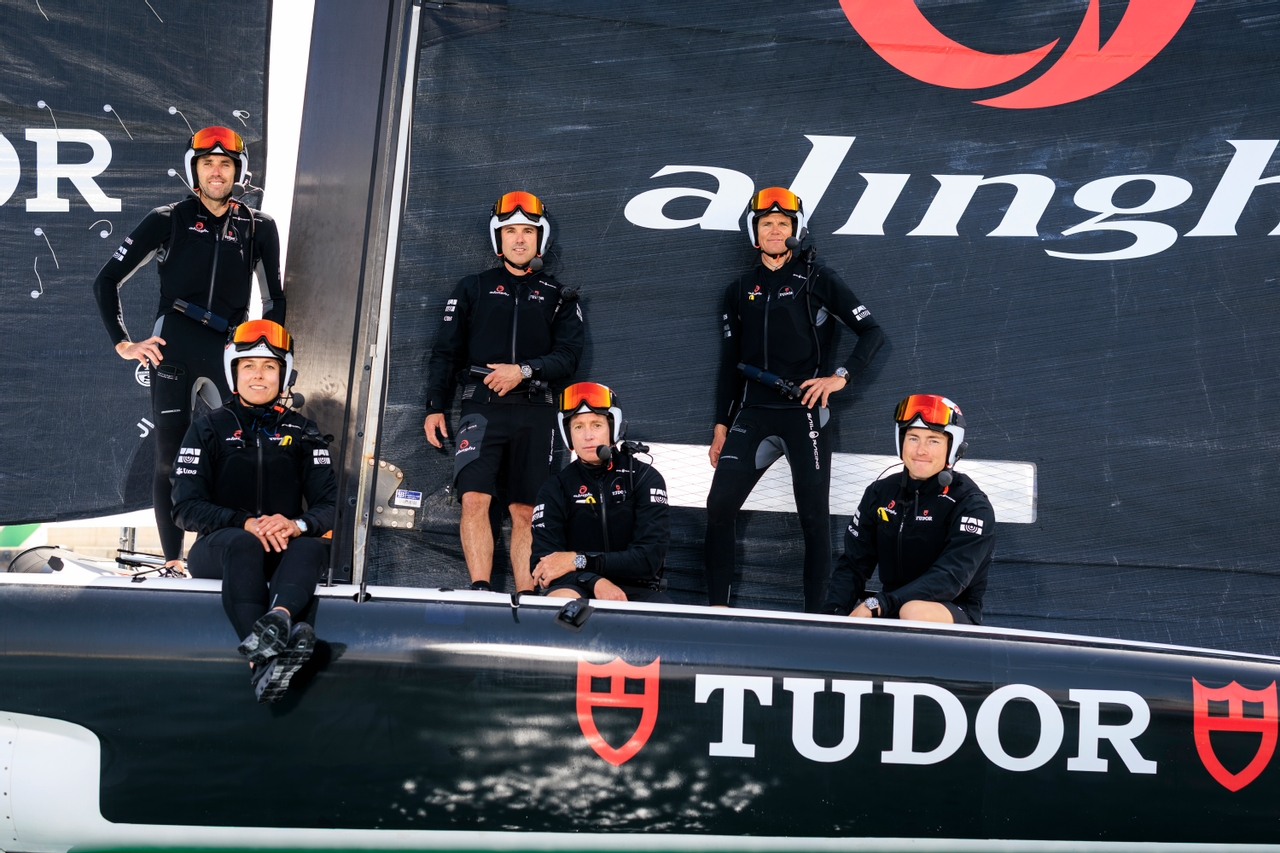
PG: At American Magic we had some of the cyclists come in and spray their water bottles on us to make it a bit more realistic! At Alinghi we have some AC40 simulators and some basic computer-based simulators set up, but the AC75 one isn't up and running yet. That is one of the big topic items this week, and we're talking about foil design, we're talking about building new masts, we're talking about where we're going to go with the sail programme, but the simulator is one of the biggest things, and as sailors, we are hammering and pushing hard for it to be up and running. You look at the group, we have some new people in new roles, and they've got to get used to flying the boat and trimming. We now have the benefit of the fifth sailor and trying to identify what roles they're going to do on board. So they need practice at that. We're pushing hard to get that up, and the design side are pushing hard to keep developing it so it keeps getting better before we use it.
As we've seen in the America's Cup in history, as you get down to the third iteration of a rule, everybody ends up in one corner of the design envelope, and it becomes a sailboat race. Is that kind of what you're expecting?
That's what I'm hoping for. That would be my ideal choice. But I think each team will look at what they did last time and will look over the fence at what the other teams did. The sailing will get closer. And the one thing that sticks out in my mind is the race now is a manoeuvre race and an acceleration race. The time you spend actually at max VMG is probably only 50% of the time so anything you can do to increase your performance in that phase, which is the hardest bit to model, it's the hardest bit to record, is valuable. And that's where the skills are going to come. Who's going to be able to identify or develop their dynamic VPP in a way that's giving them good feedback to then go and test, and how you record that and how you figure it out is going to be the biggest challenge.
Personally I'm disappointed you're not racing for the Brits.
PG: It was super close.
But there's a collaboration between you and GB1 on a kind of software tools basis, and probably a little bit of design sharing as the Protocol now allows for. Is that going to be key to getting everybody up to speed in AC38, and then you all go separate ways with AC39?
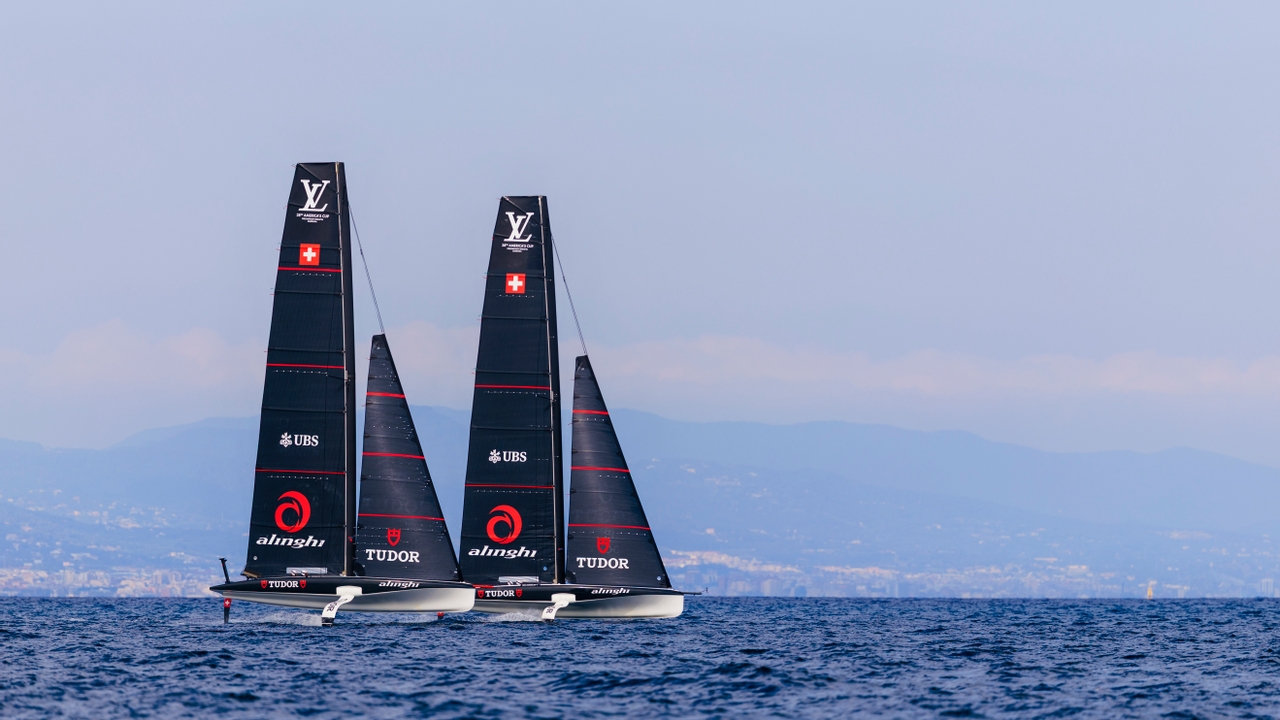
PG: I think so. You saw how much the French benefited last time off the New Zealand design. Now you can merge the group together of two teams as allowed by the rules, and you've basically got two testing platforms. So you'd expect to both benefit from that group. But I think we're in a situation that we're so late that we're going to be relying on those guys a little bit to help us along, and we'll see how it goes in AC39.