A LIFELONG QUEST FOR THE CUP: TUDOR TEAM ALINGHI’S DAVID ENDEAN
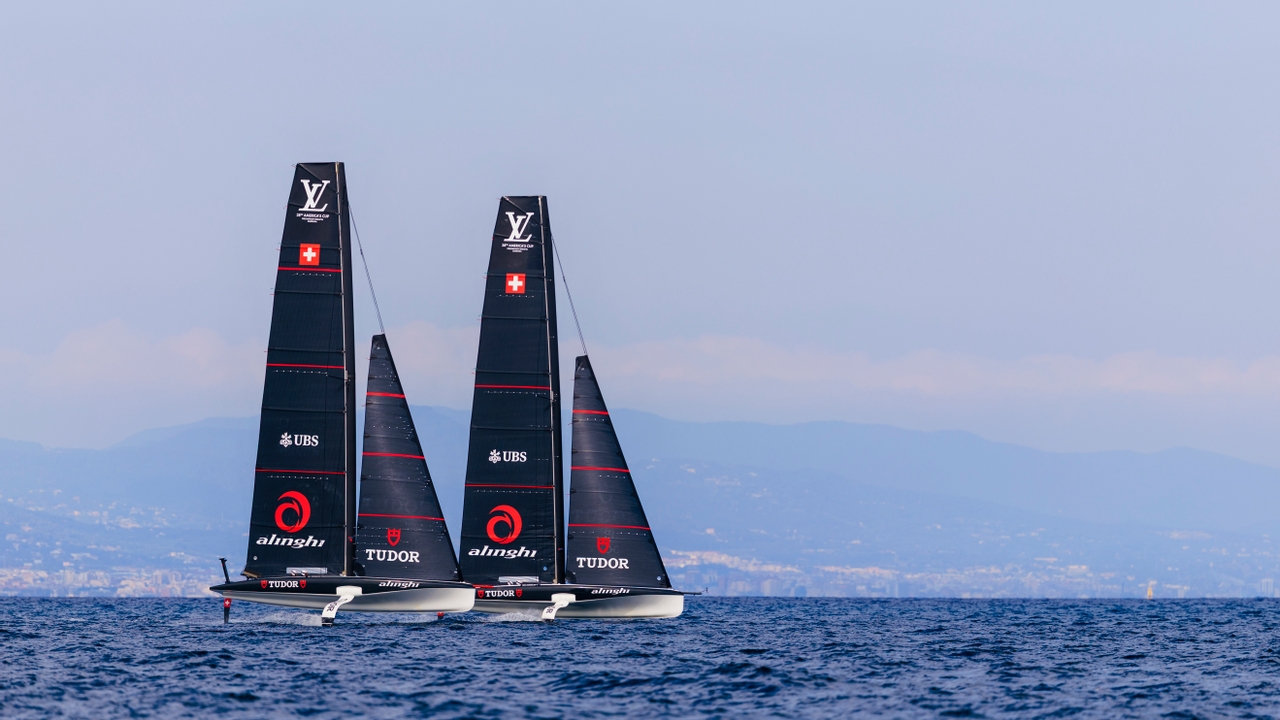
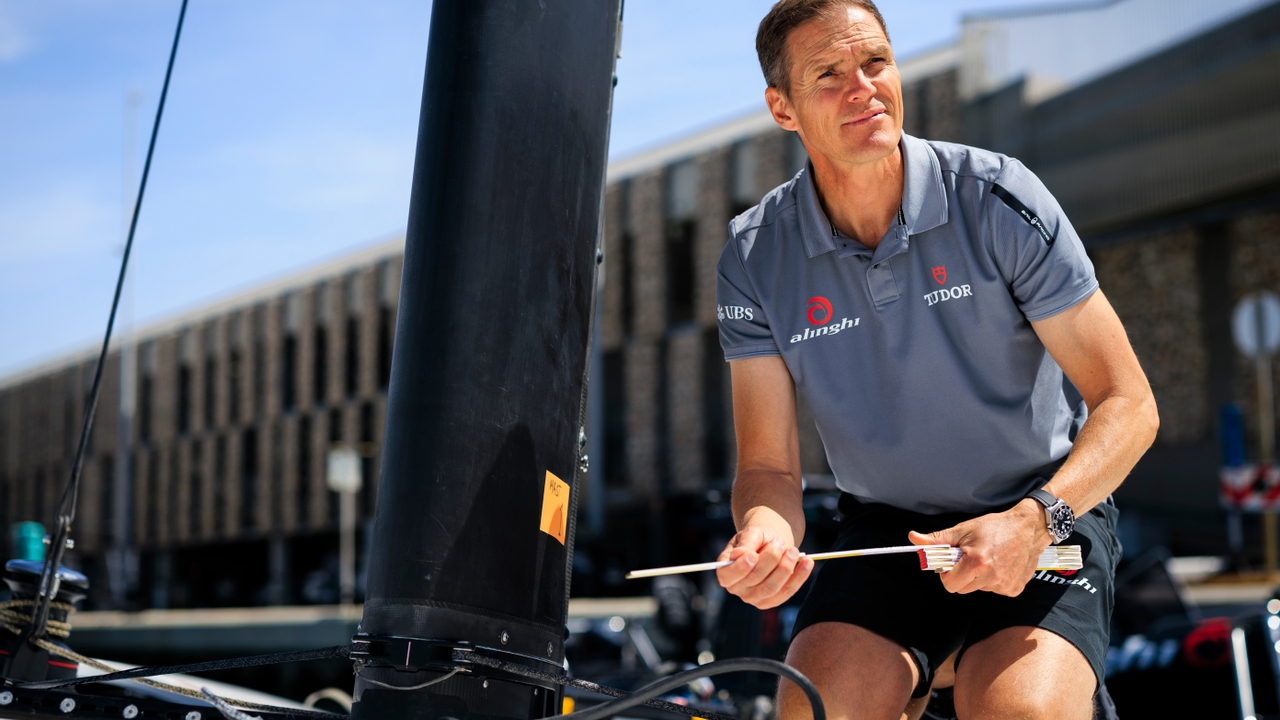
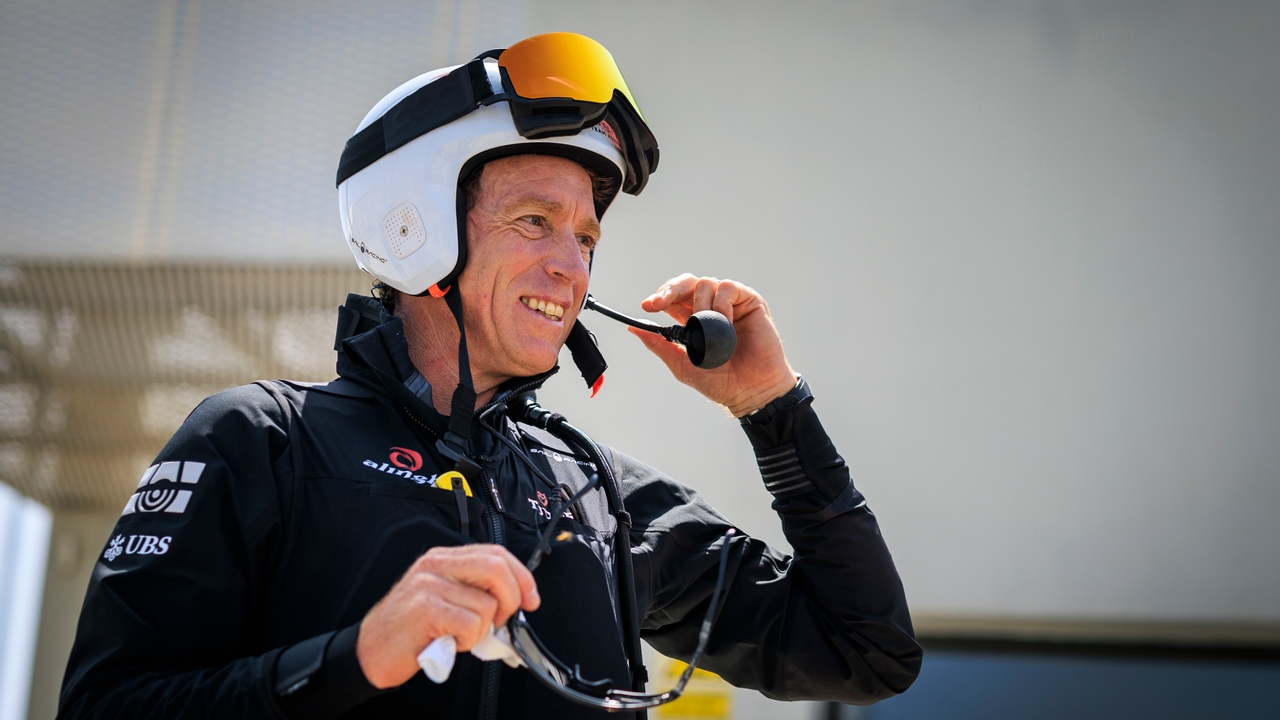
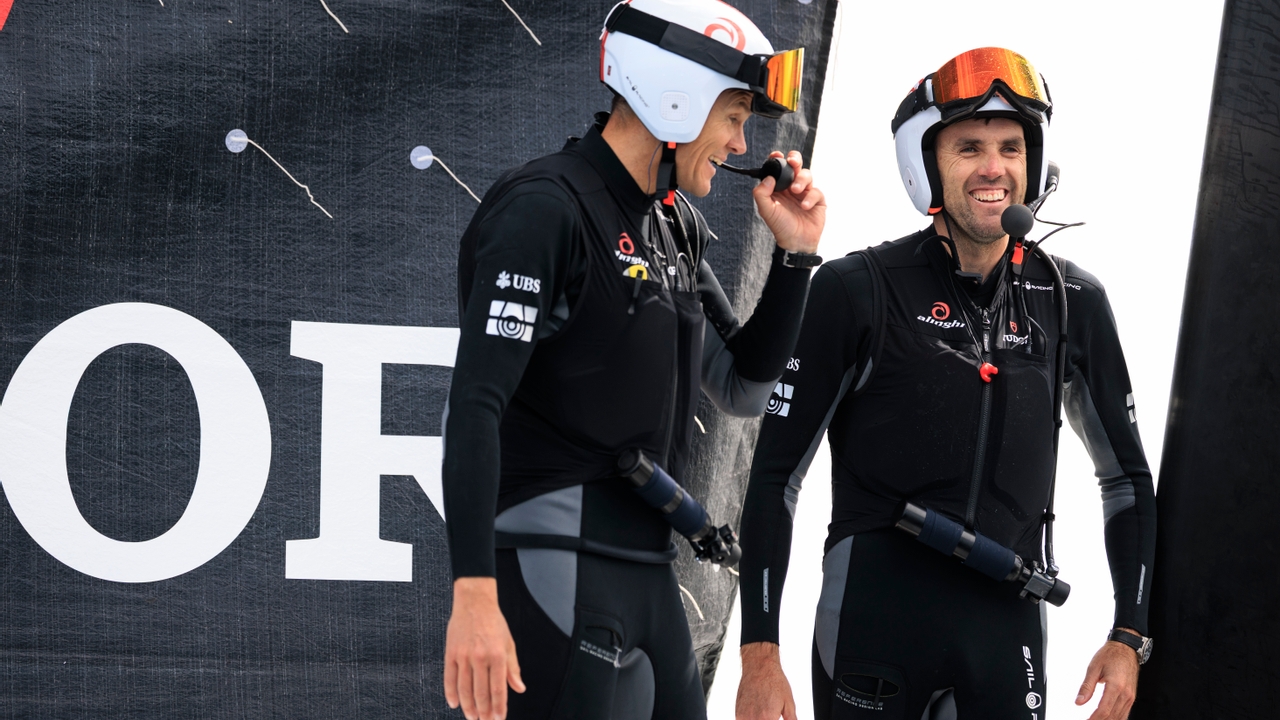
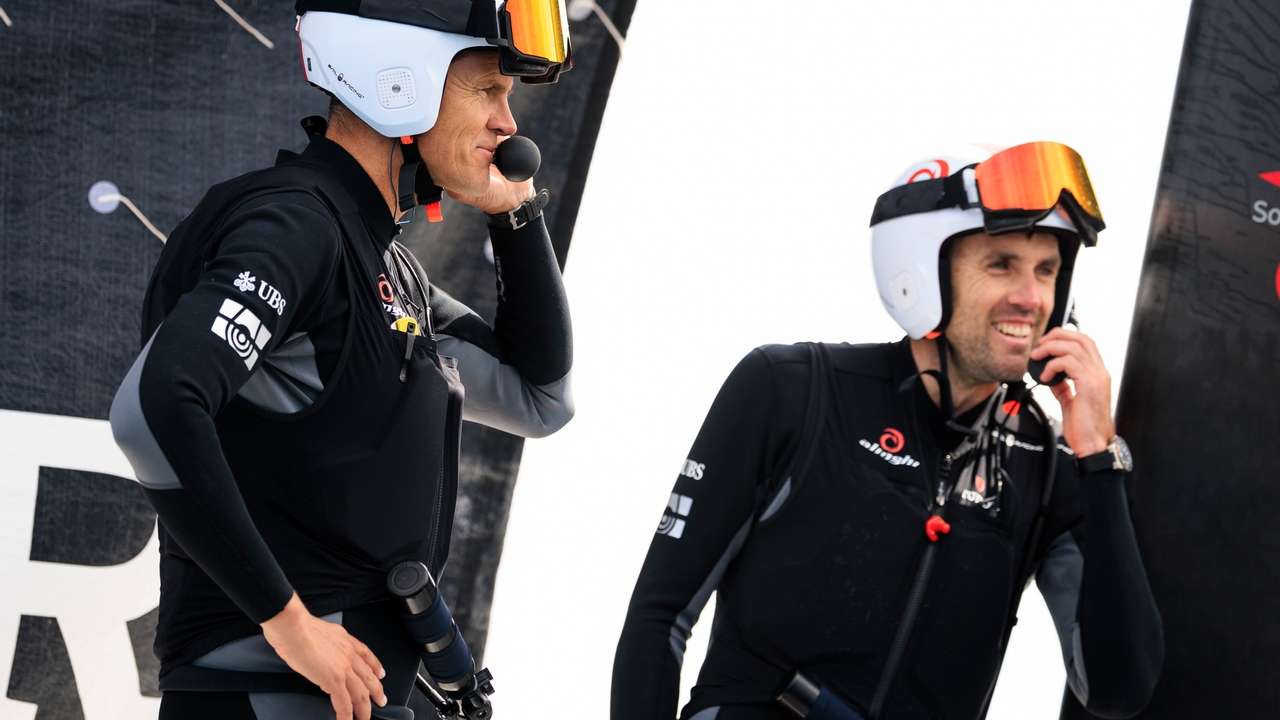
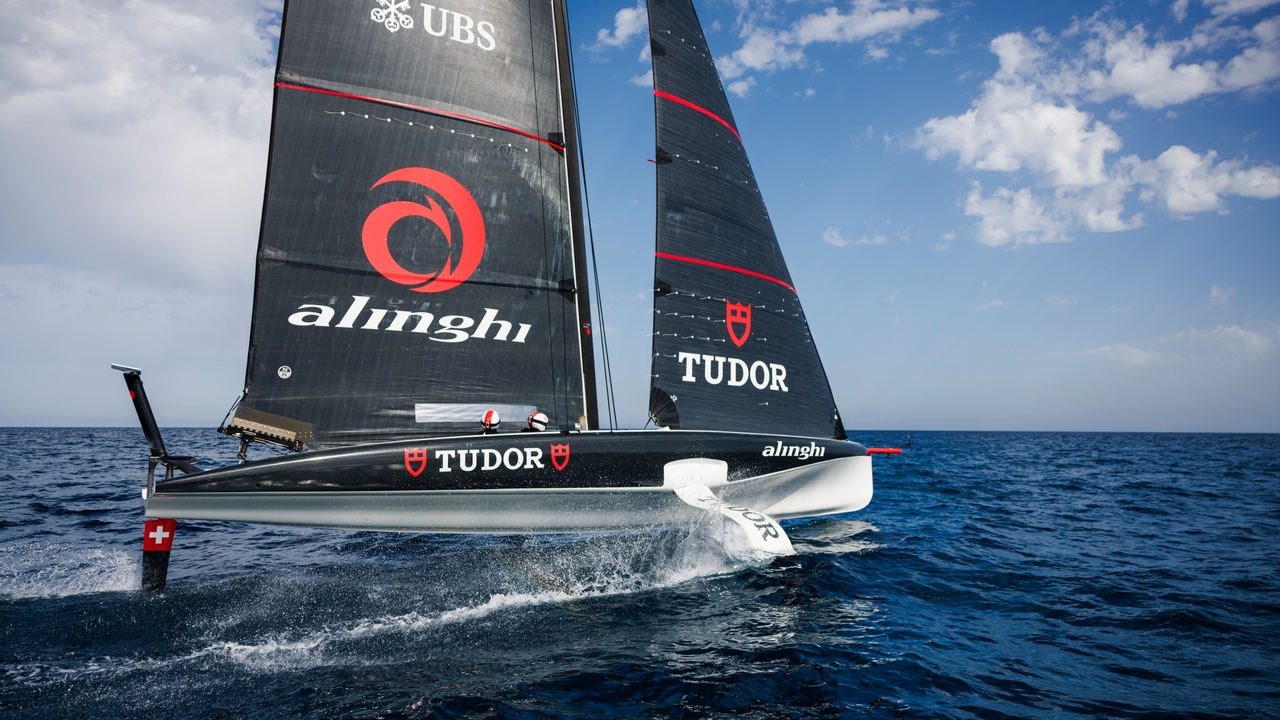
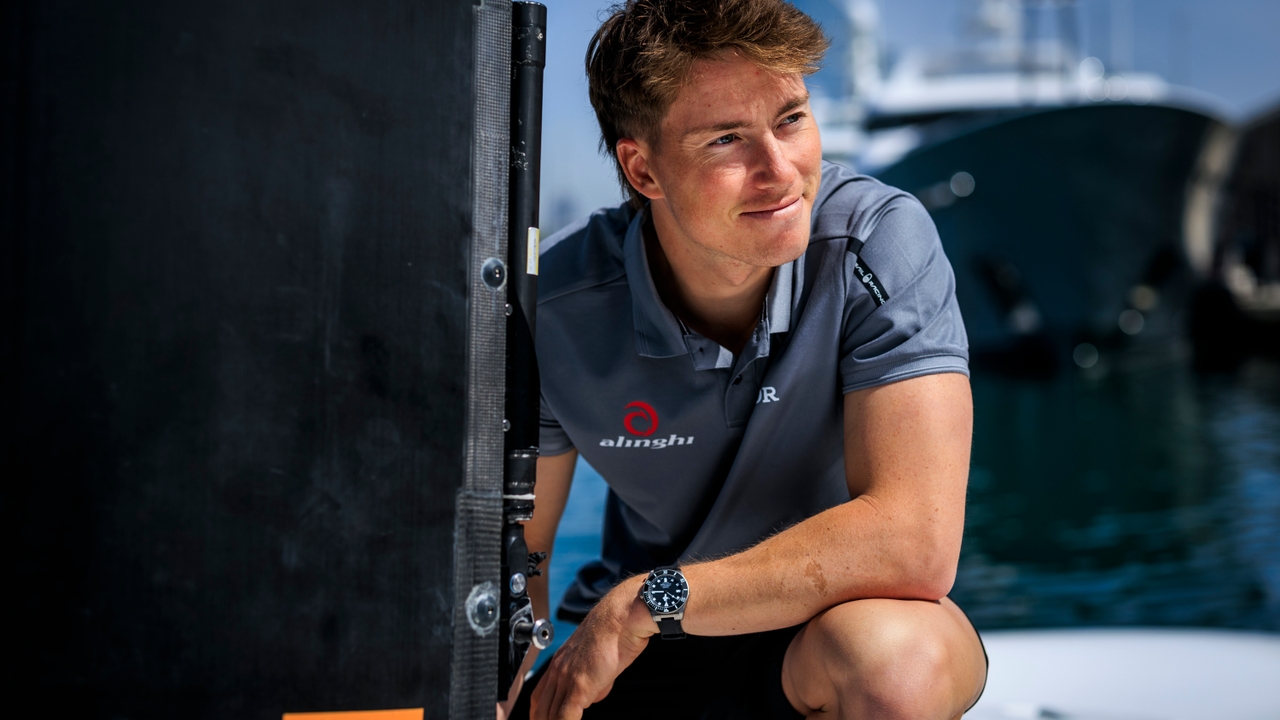
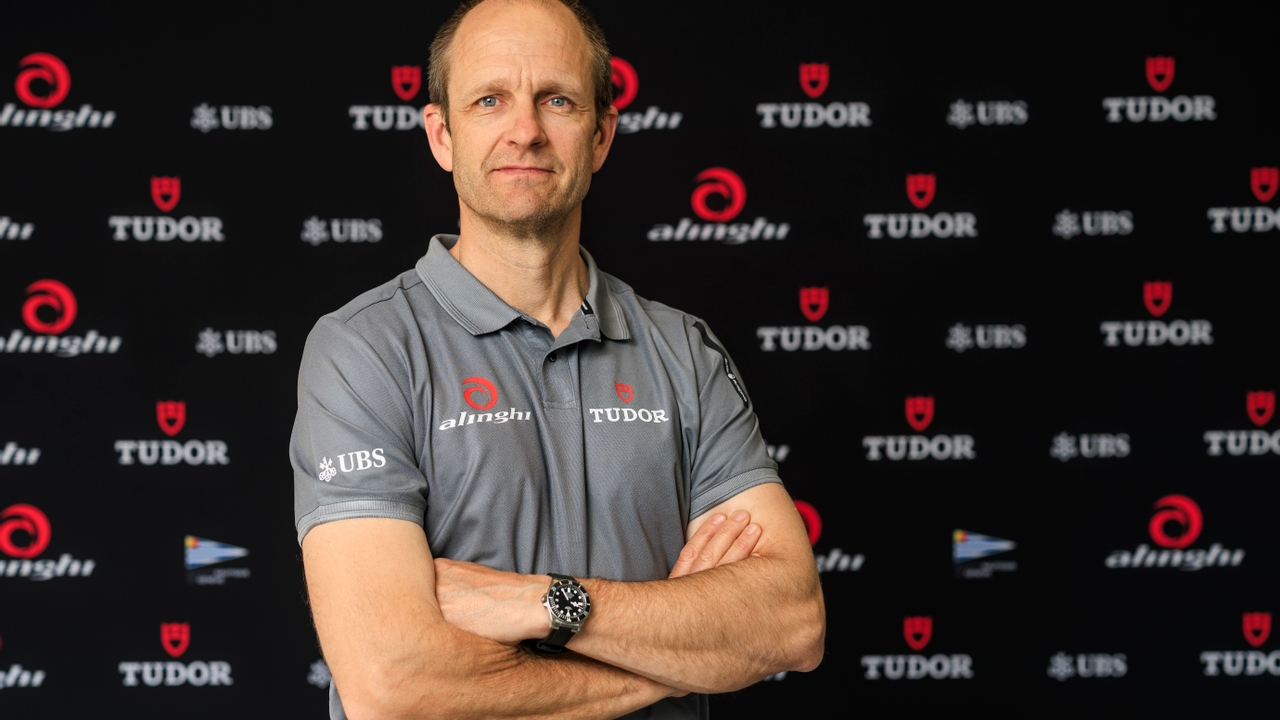
Dave Endean, the new Team Director for Sailing & Technical at Tudor Team Alinghi grew up in Auckland. He had what he describes as a “typical Kiwi sailing background” beginning sailing at a very young age with his father on Optimist dinghies and keelboats, as well racing in small dinghies.
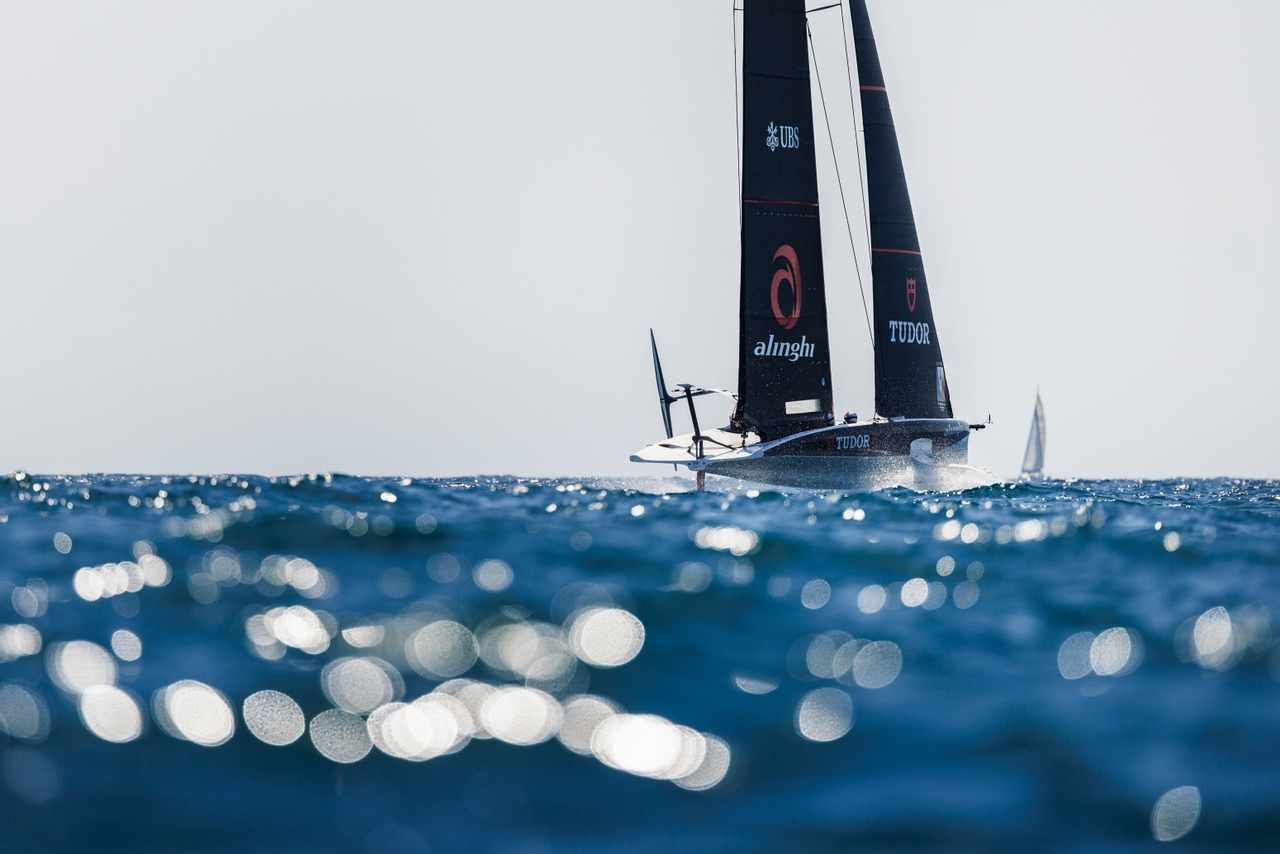
He went on to compete on the local youth matching racing scene as part of the Royal New Zealand Yacht Squadron youth training programme. As it was for many local Kiwis, that time spent on the water at a young age became a steppingstone for him into the world of professional sailing.
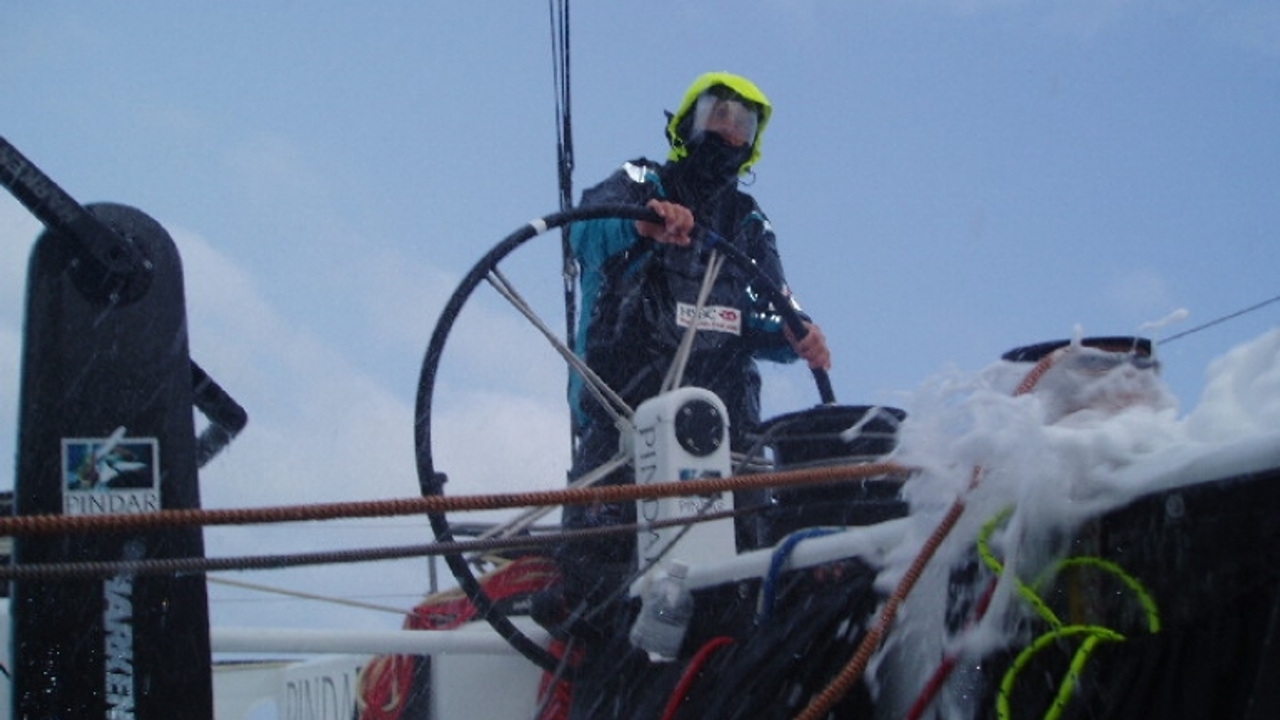
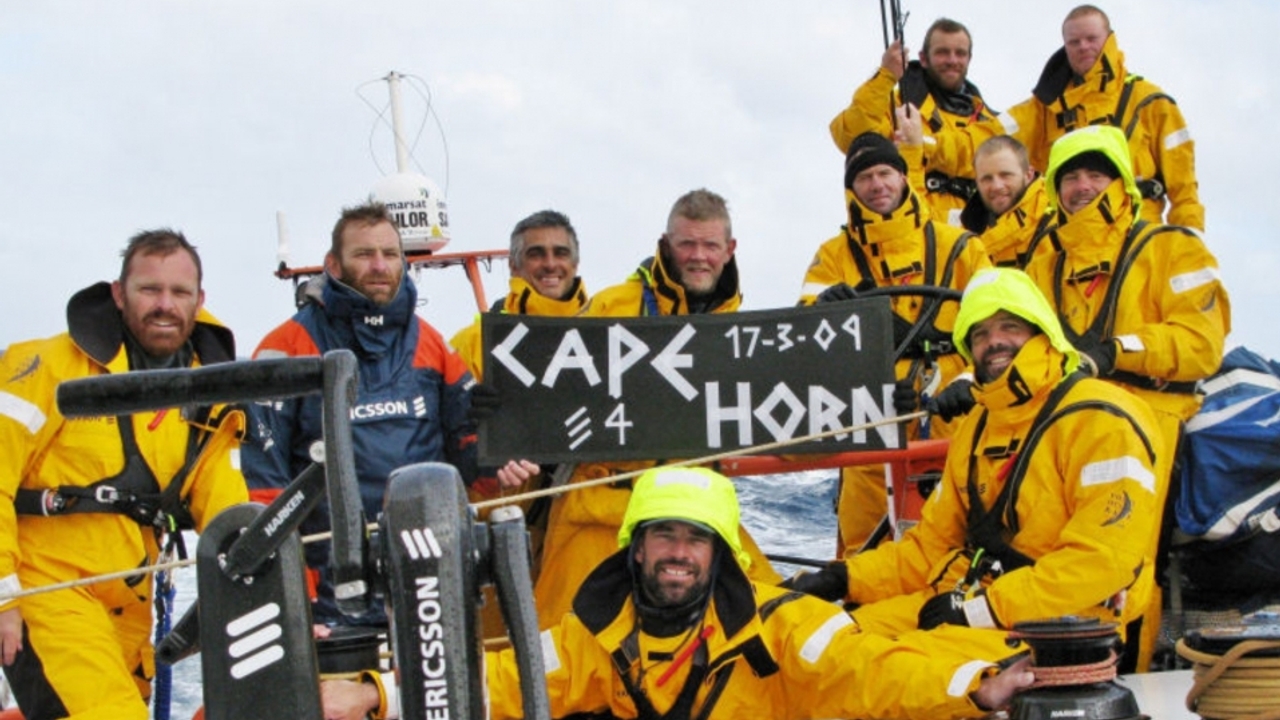
Having started as a bowman, he transitioned further aft in the boat into the pit and trimming roles, and excelled in the Round the World races winning the Volvo Ocean Race twice, in 2005/2006 with ABN Amro One and 2008/2009 with Ericsson 4.
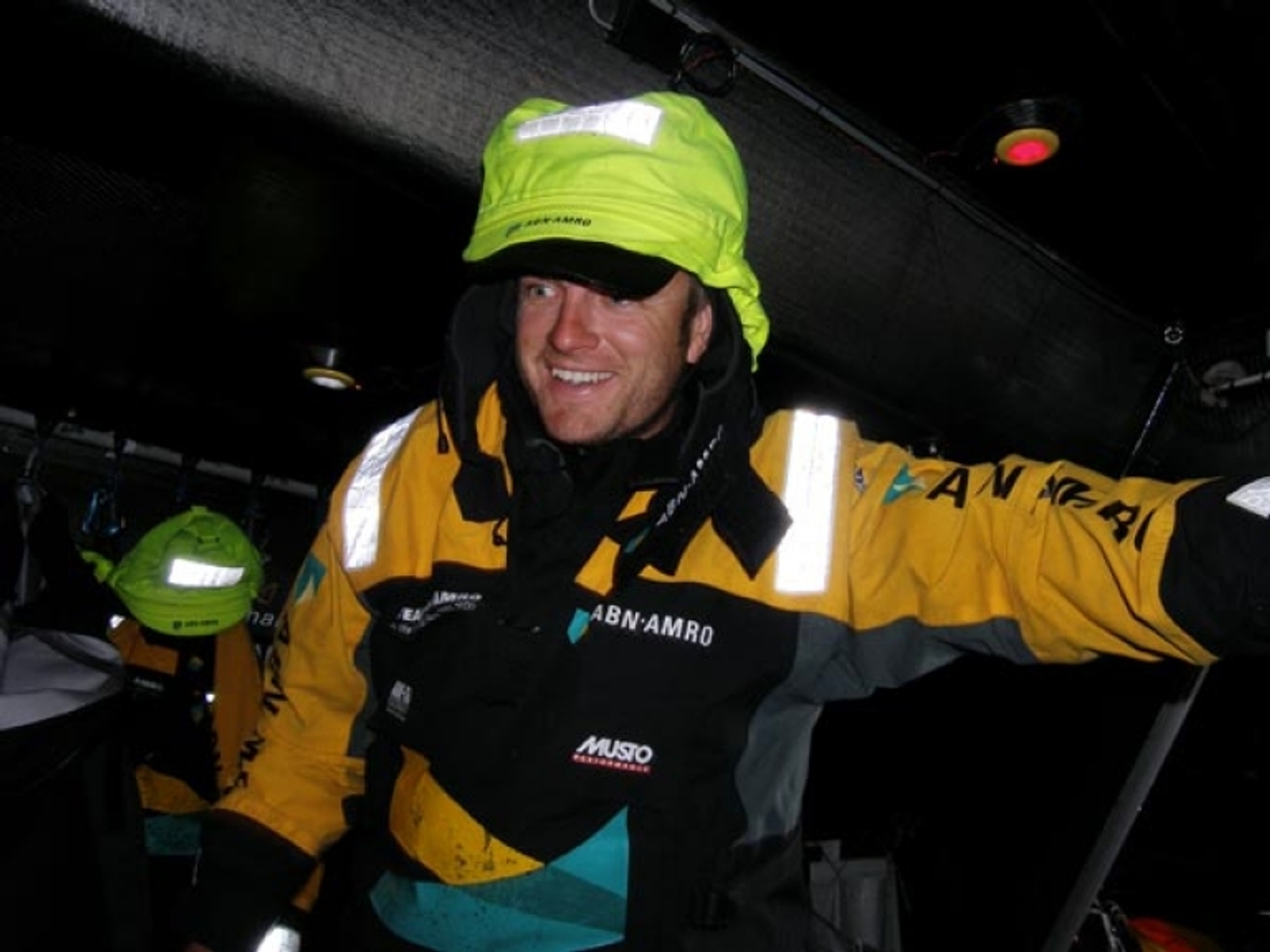
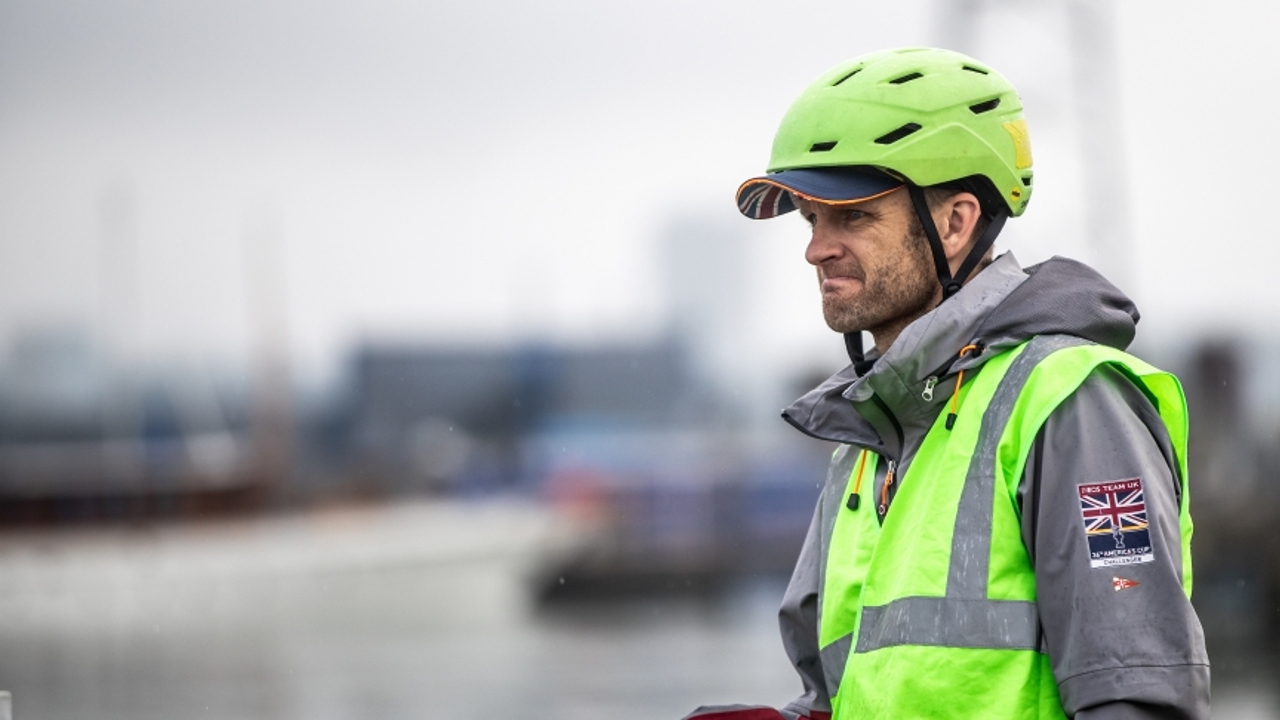
By the time Dave was winning those offshore races, he had already had his first foray in the world of the America’s Cup. His first campaign was with One World in the 2003 America's Cup before joining Victory Challenge in Valencia in 2007, and Artemis Racing in San Francisco and Bermuda for their Cup campaigns, before joining the British Challenge in 2021 and then again in 2024.
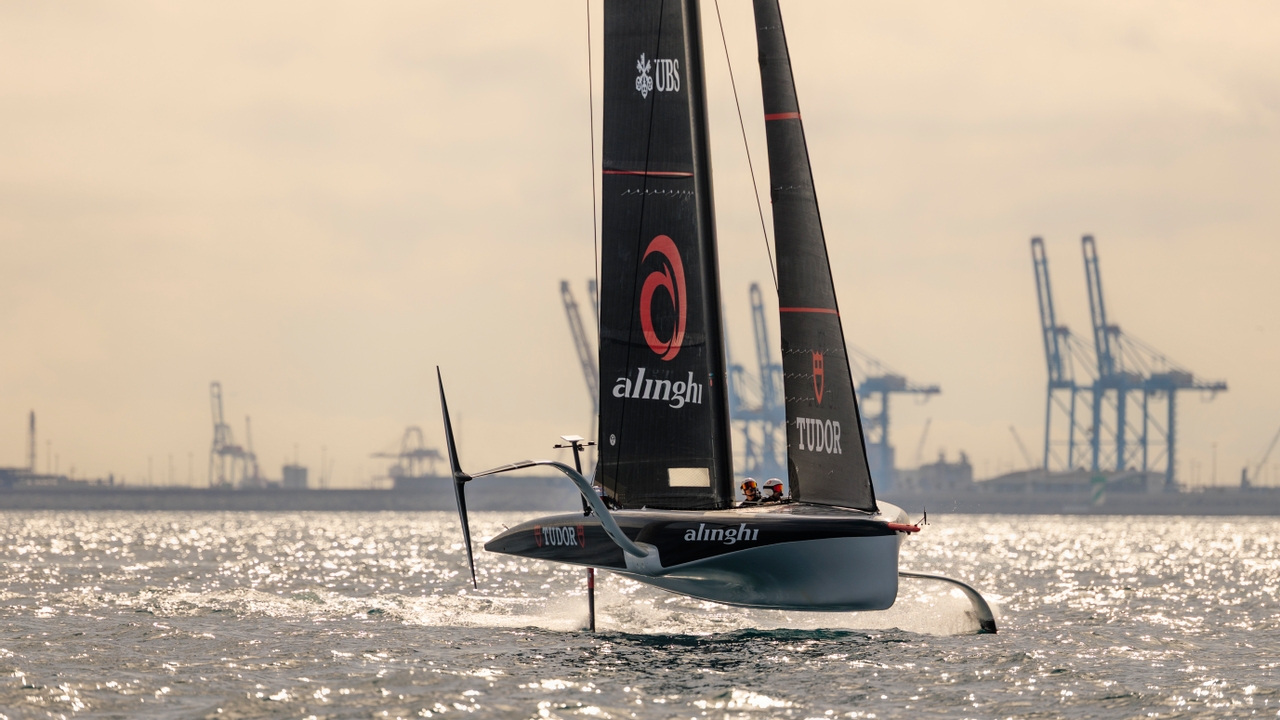
Now in a senior position at Tudor Team Alinghi, we caught up for a chat at their temporary training base in Barcelona.
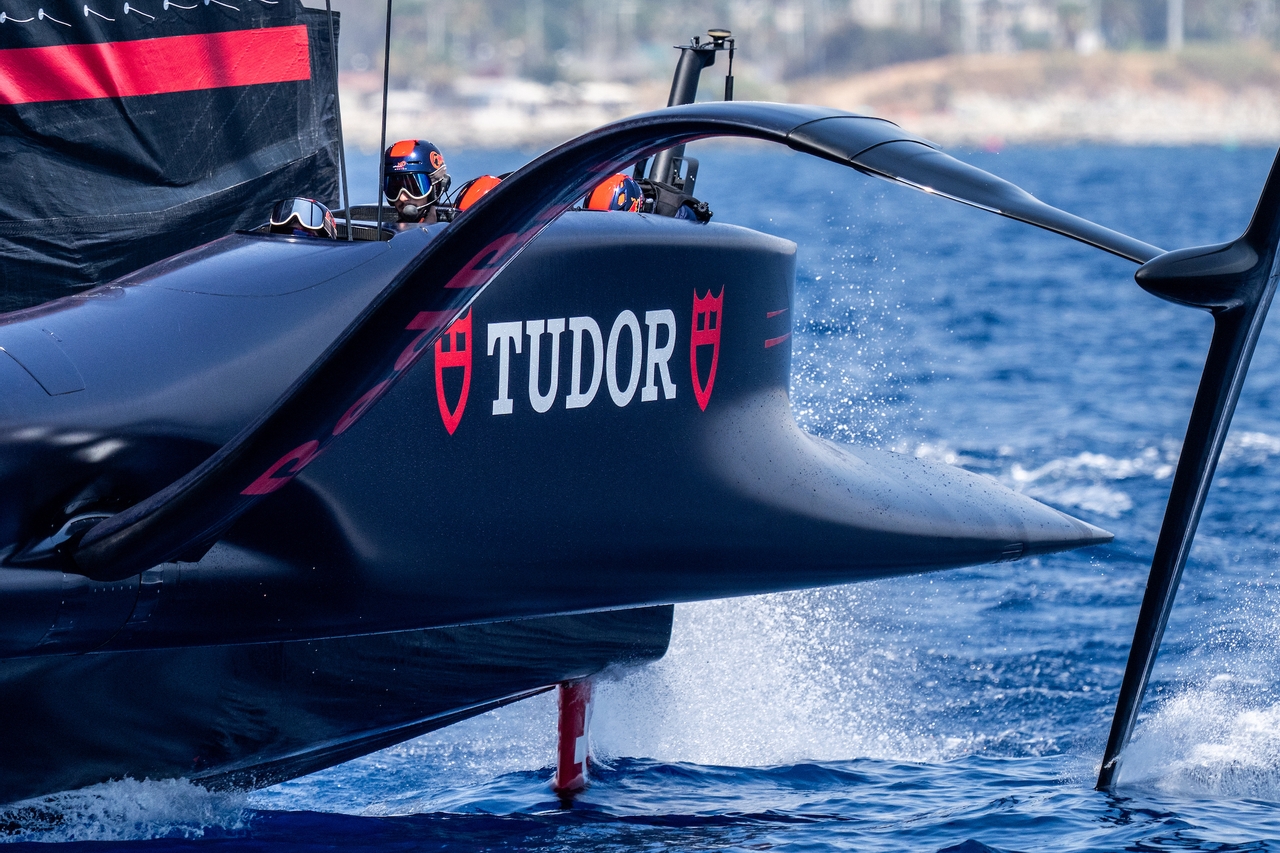
Looking at BoatOne, it obviously had that awful capsize and mast breakages, right at the end of the Barcelona cycle. How wrecked was the boat, how repairable is it, and any concerns there at all about it?
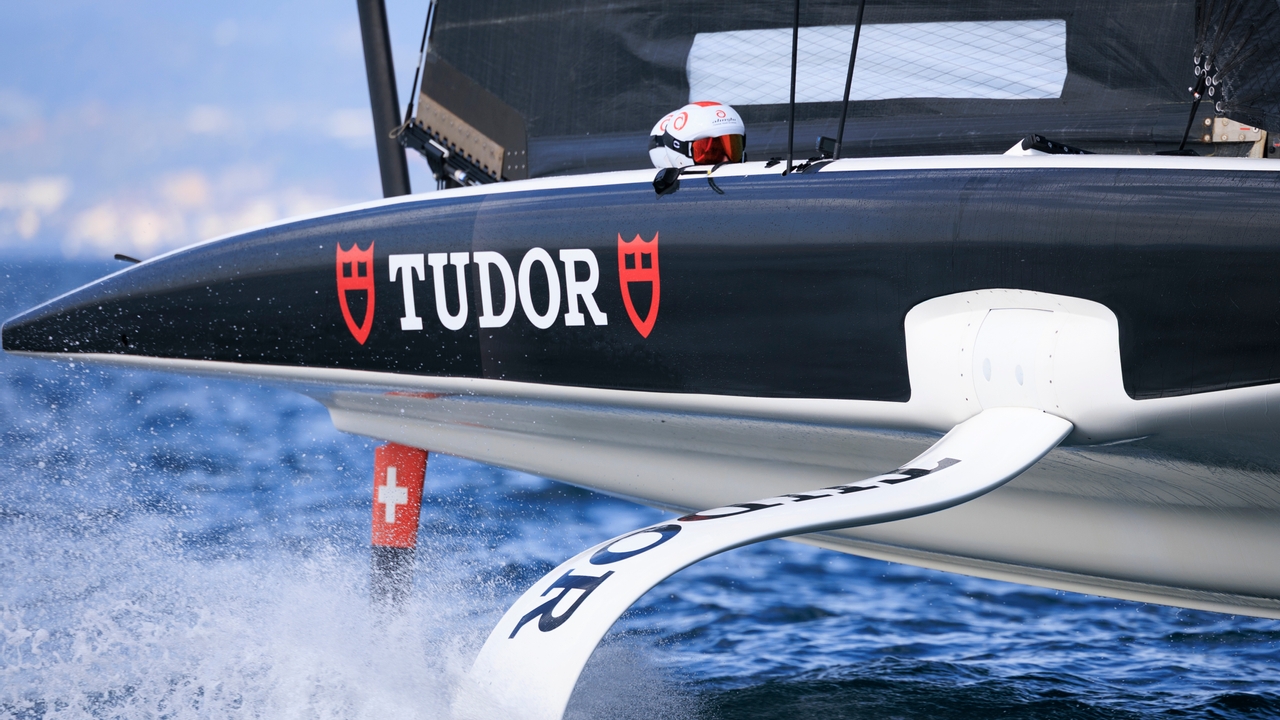
DE: I think most people who saw pictures of it, would say it was wrecked, so to repair the boat was a major effort. We had some shore crew from the previous campaign and brought in contractors. The repair is complete, and the next step we need to do is make sure it's structurally sound. So, we're putting it back through the same process that we went through when it was new. We've got the structural testing jig coming down, all the hydraulics set up, and we're going to give it the full workout. There's always a risk there, I think, when you're repairing boats with aluminium core, so while we're positive the guys have done a good job, you can never assume anything. And the same can be said for the mast. The mast had a bit of a workout that day as well! It's been repaired to a degree. We're going to do some bend tests and some core checks on that. And the wings, we're doing a third-party review of the wings to see if those legacy wings can be used again. I think it's just due diligence on our part to make sure we go back through everything.
In the last Cup, there was quite a lot of talk about early cavitation of those wings, and whether that was a design fault. Were you part of the review?
DE: It's a good point. We haven't gone back into the detail too hard. I agree that it appeared there was an early cavitation onset. Speed was lower than probably they were expecting. But there's still plenty of discussion about how quick the boat could go. I think what they were trying to prove on that last day was that the top speed was still there. There's a lot of things that can impact that, whether it's foil finish or section shapes involved in the wing design. But for us, it's a case of: are they suitable right now to be used to recommission the boat and how quickly can we get onto a new set of wings?
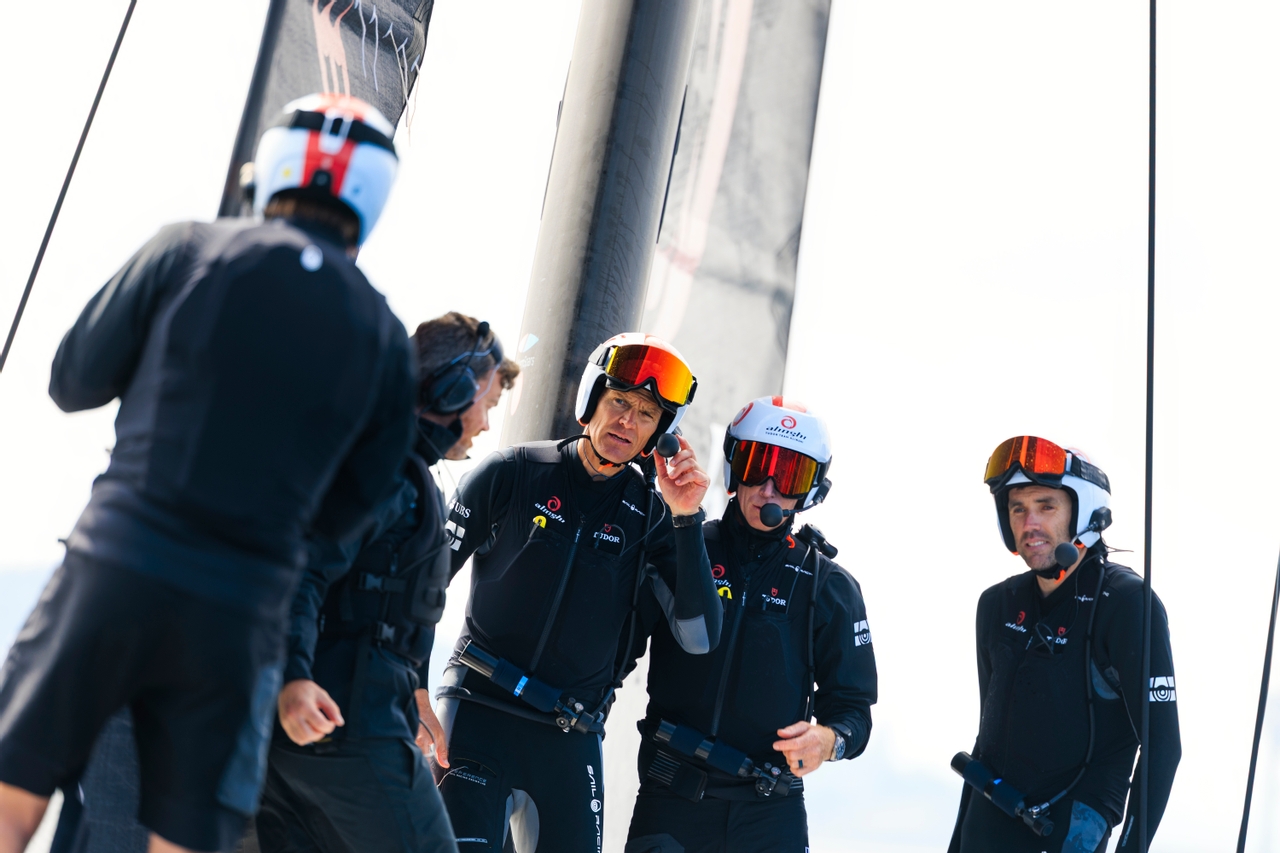
Having seen it from the British team side, where I would imagine Mercedes were very into the detail, coming into Tudor Team Alinghi, can you almost immediately see, "Ah, that's probably where you went wrong," or, "There are areas there that we did differently...”
DE: Yes, almost across the board things were done differently. But I'm also not going to say that that's the right way or the wrong way. I think Alinghi last time was a new team, and they were quite a big team, and very ambitious in what they took on. There were a lot of things going on that almost didn't get realised in time, or didn't get finished in time, and they had that sort of true campaign mindset, where they were like, "Well, this is worth starting. There's a chance it'll deliver in Barcelona... but there's a much greater chance that it'll be beneficial for the next Cup." And so they never really got to finish what they started in some areas. I think that's a classic for any new team. You learn so much in that period of racing during the America's Cup.
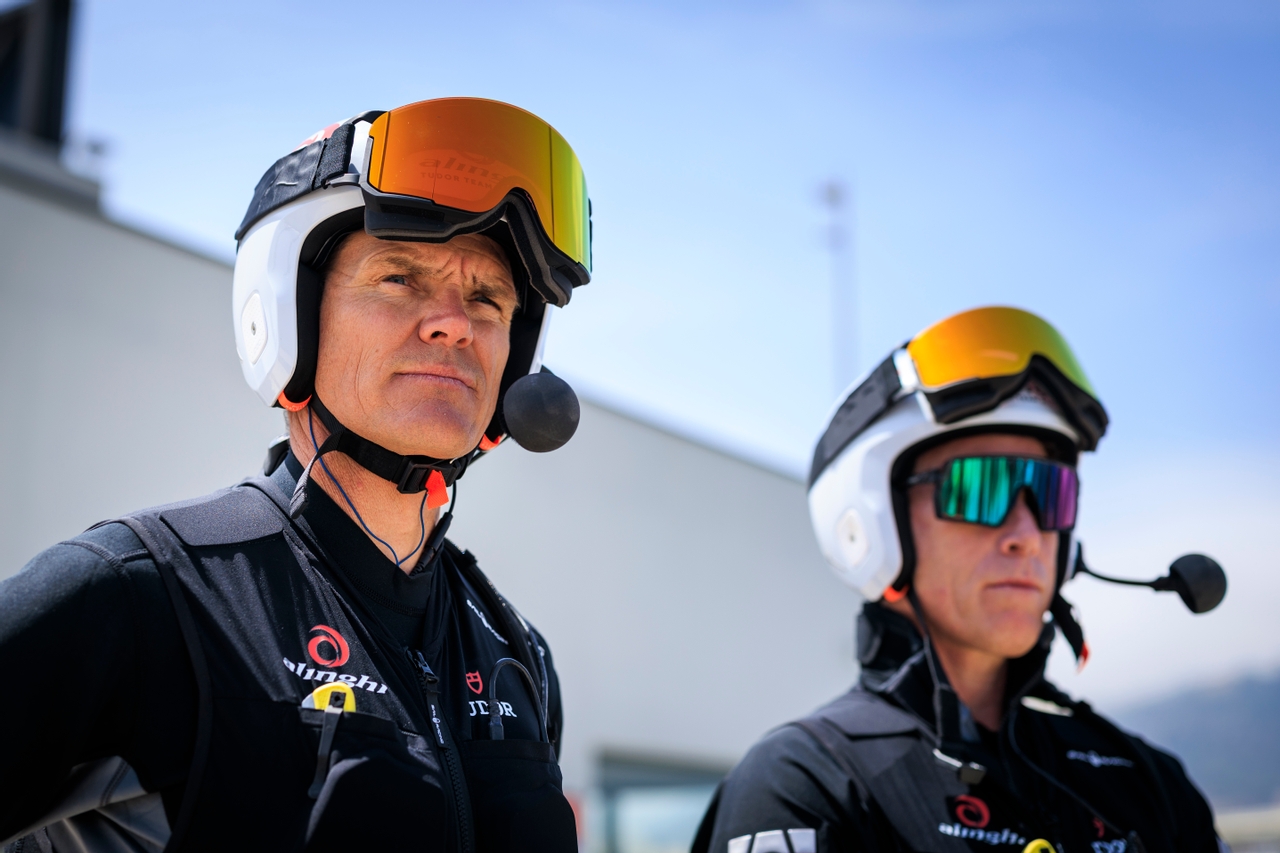
Looking at the team this time, you’ve brought serious world and Olympic level talent in. What was the process?
DE: Yeah, absolutely. I think that's sort of where we focused with the initial group of people, as in what international talent do we want to bring in? I think one of the important things there is the exchange with the performance team, and these top-level guys that are doing that in SailGP and all the other events they do, or the Cups in the past, they're getting very good at getting feedback, translating that feedback to actions on the water, generating more data, and then that loop is super important. It's something we're focusing on.
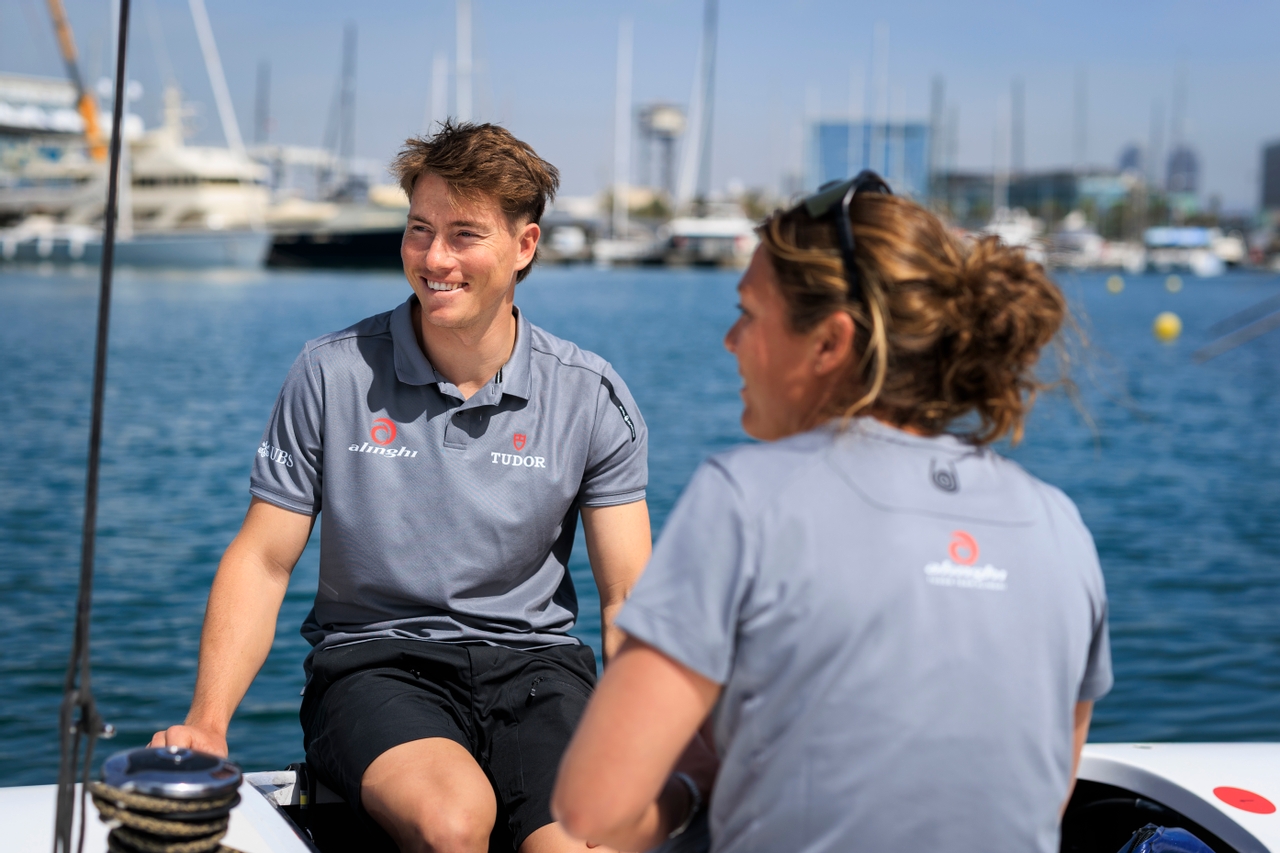
One of the highlights of Alinghi in the last Cup cycle was the Women's team and the way they approached the Women's America's Cup. Where are you with the Women's programme?
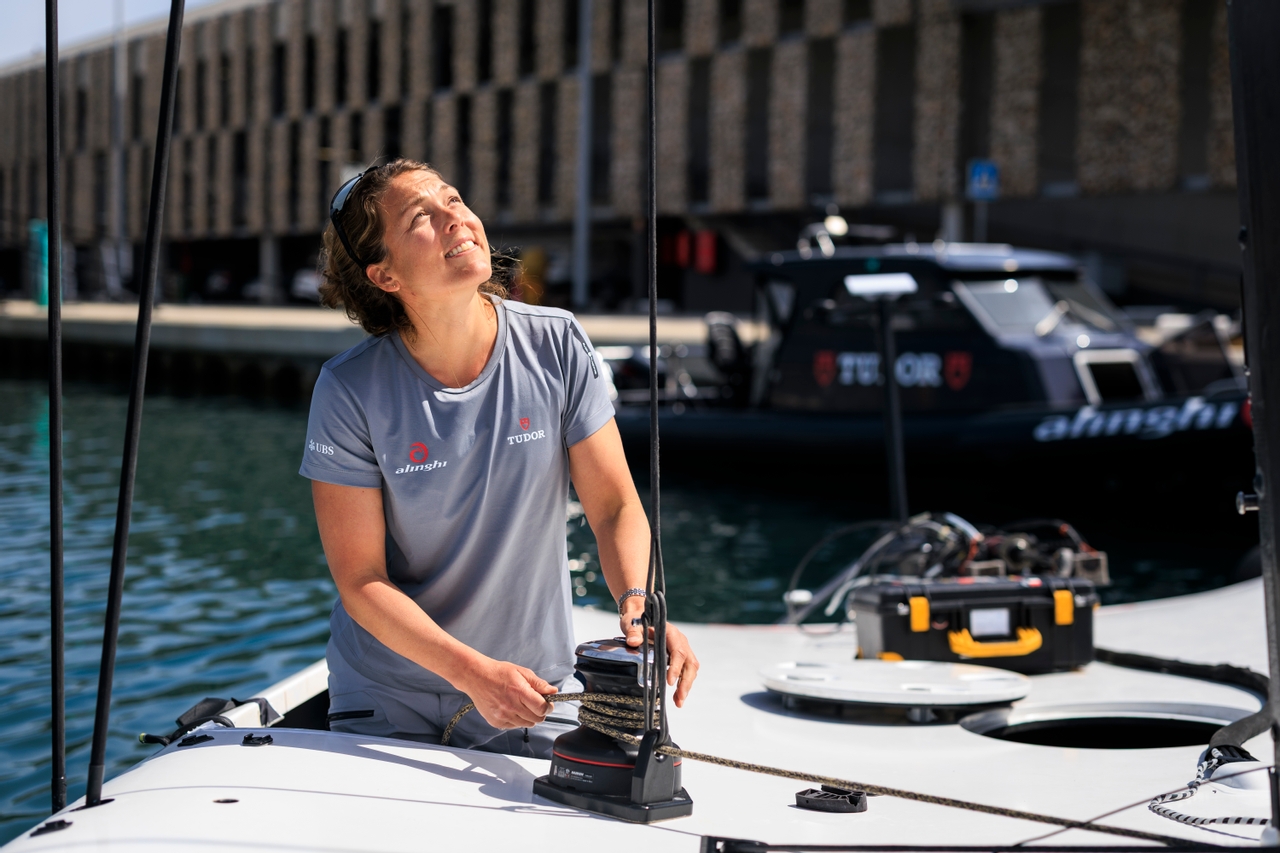
DE: We do have some really strong female sailors, and we're actually lucky. We invited Nathalie back to come and step in. I think it's pretty daunting to ask someone to come and step into a crew like that, so we did it with no pressure. She came in and was great straight out of the blocks. The day she jumped on the boat, within half an hour she was on fire again and that was really impressive to see. We have another female with us who has done the same thing. They haven't sailed these boats for, what is it, nearly 18 months since the Women's America’s Cup, and to come in and pick up the muscle memory straight away, I'm impressed with how they've done it so far.
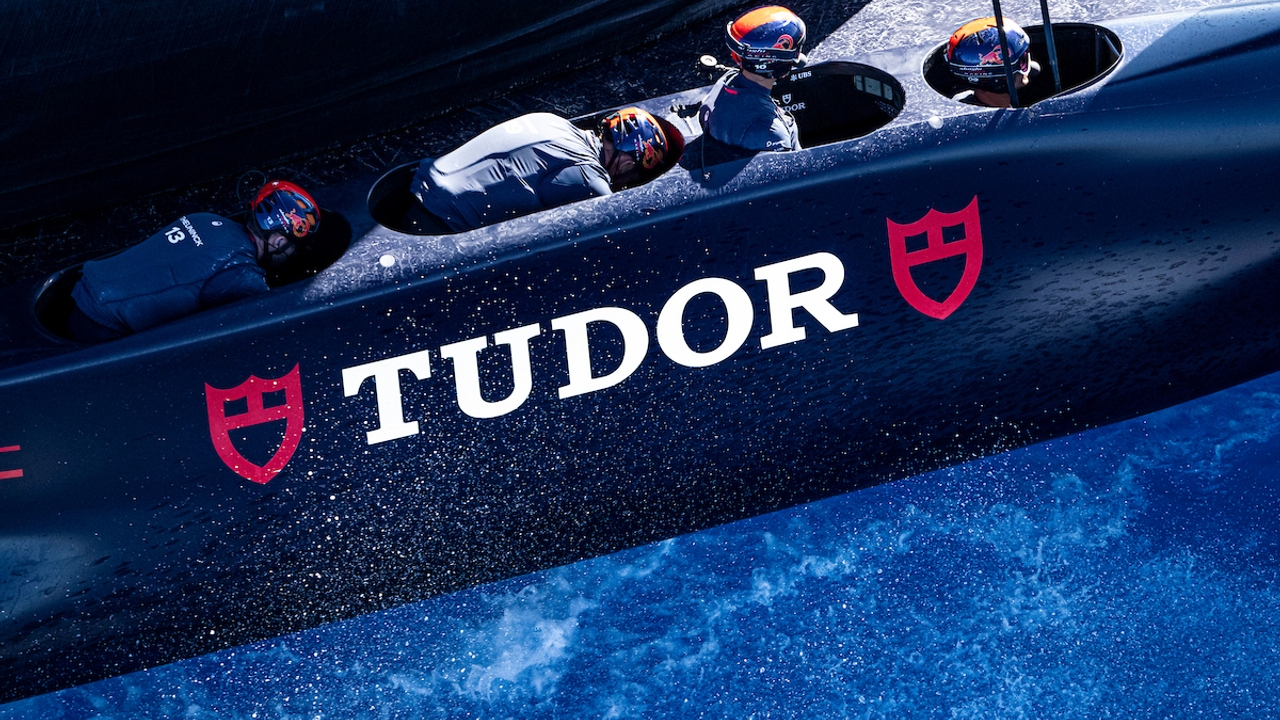
With regards the fifth person on the AC75, I think it'll be interesting to see how teams assign the roles across the boat. Obviously, with all the automation happening now, it allows that workload to be divided up in different ways, and I'm interested to see how we do it. Now, I say that because we haven't made those decisions yet. We know what the cockpit needs to look like for the work we're doing on the AC75, but I think there's still plenty of opportunity there to see how that role looks. And we think of the P5 role as a female, but I think there's potentially some other opportunities there.
A lot of teams are bringing in youth, to try to find the next generation. Is it really all about maybe the new build of a new boat for the next Cup?
DE: Yeah, definitely. I think with Ernesto's involvement and push for the things he believed in with the AC Partnership development, that's where his mindset is. We just had a team building session in the last couple of days about what is a result for us? What are we measuring ourselves to do? And he said, "Look, the key thing here is, before the first gun's gone, we've got to get the crew and the boat as prepared as we can with the resources we have. And then we start."We're going to take the fight to them on every occasion we have. And you know what these guys are like, they're aggressive when they're on the water, and it's going to be some great racing.
What does good look like in Cagliari?
DE: Good looks like the comms on board are positive, that the performance evolves, that we develop as a group, and that the guys and girls come away feeling like they've made a good decision to join the team, and they can see the trajectory that they want to be on.