
NAPLES AND WOMEN: WHEN A CITY MEETS THE FUTURE OF THE AMERICA’S CUP
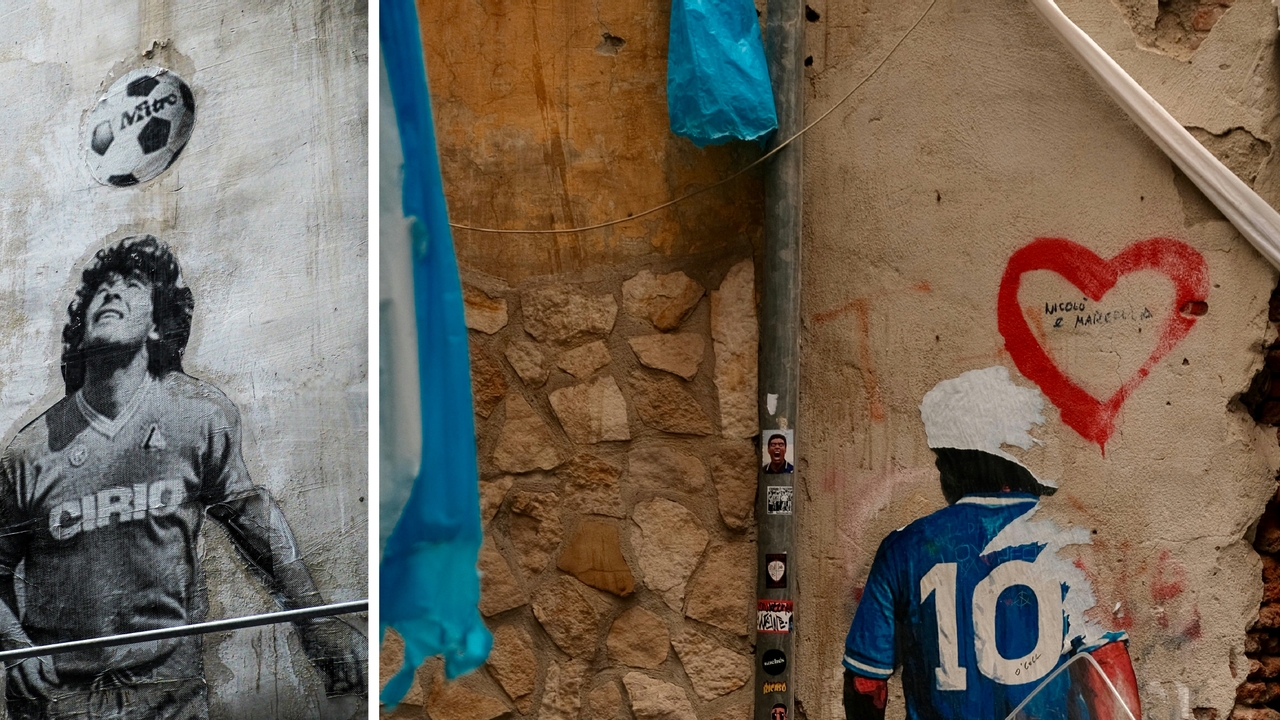
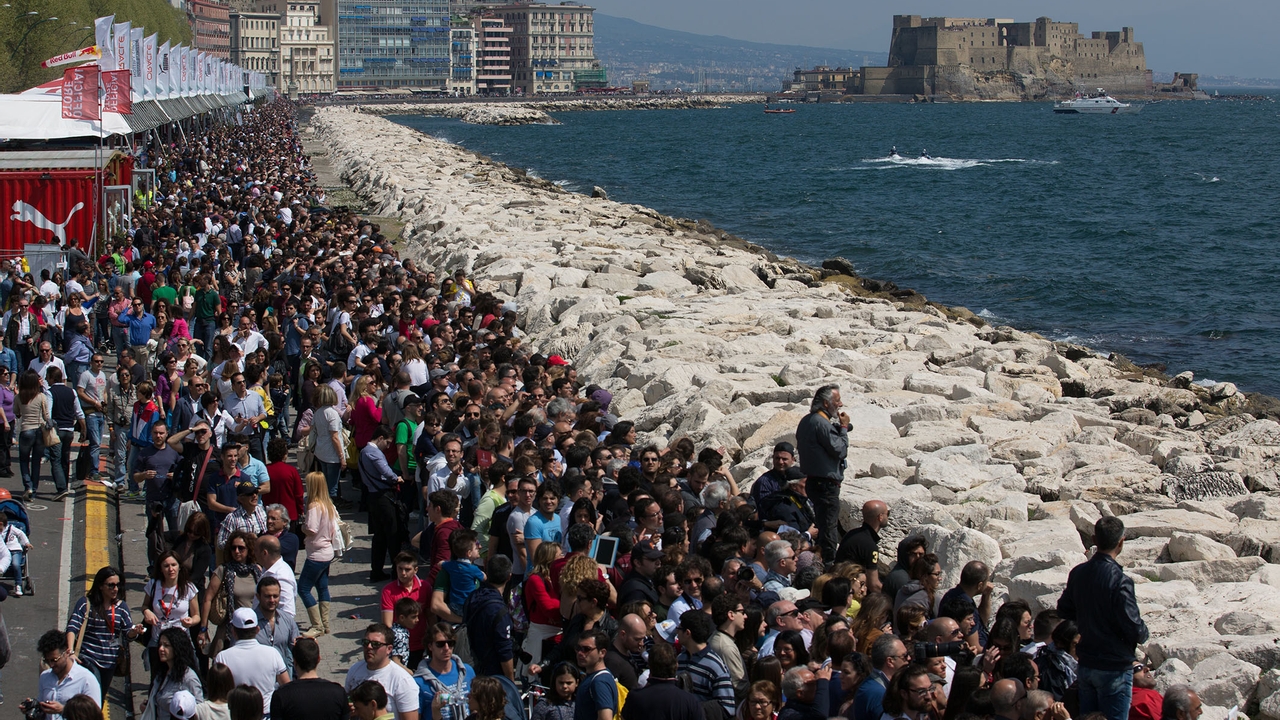
I moved to Naples at the beginning of the year to work for the America’s Cup. Four months have now passed, and by choosing to live in the Spanish Quarters, I have had the privilege of experiencing the city in its most authentic form: through its everyday life. Naples is not a city that allows itself to be observed from a distance. It draws you in. It moves through you. It welcomes you with a warmth that is difficult to explain to those who have never experienced it. And within this vibrant energy, one element stands out above all others: the women.

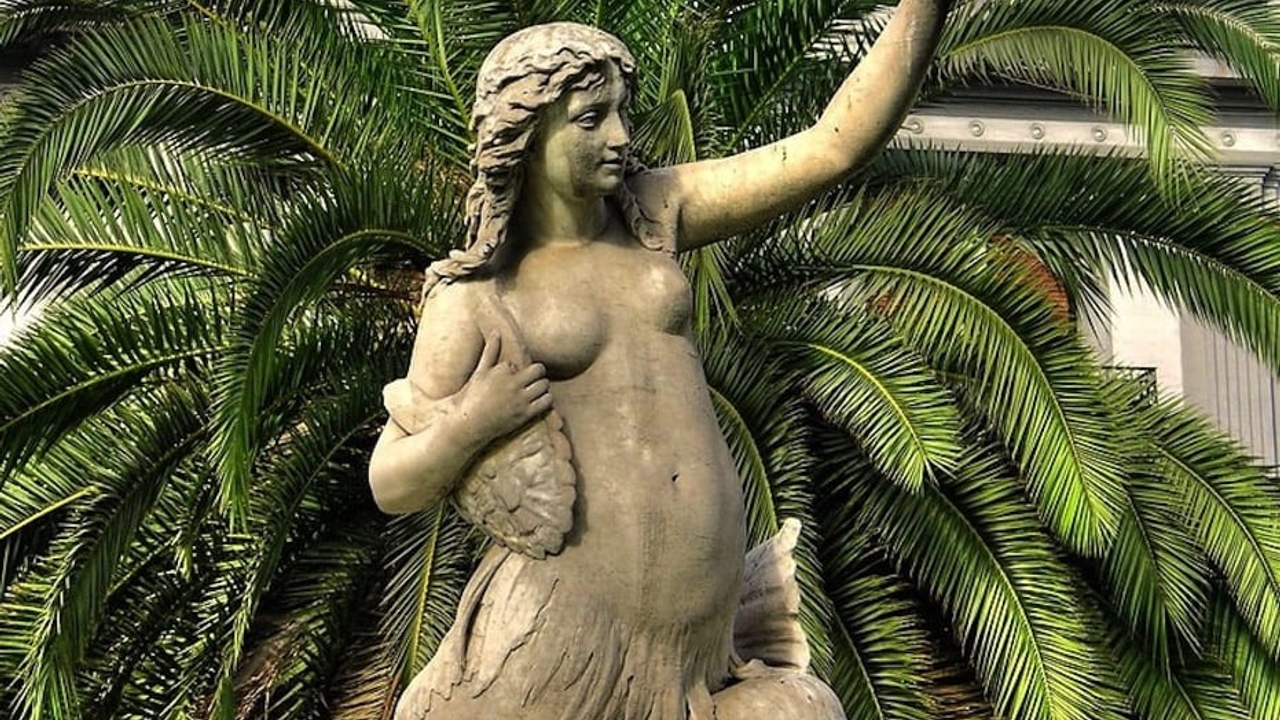
The women of Naples are the face of the city I have come to know. Women who work, who build, who raise families, who hold together households, neighbourhoods, and entire communities. Women who face the complexities of everyday life with a determination that is both quiet and extraordinarily powerful.
One of the things that has struck me most is the concept of community. In Naples, a child is never truly raised alone. A mother is never entirely on her own. Around her forms a natural network of support: grandmothers, neighbours, friends, shopkeepers. It is a form of collective care that transforms motherhood and childhood into a shared experience.
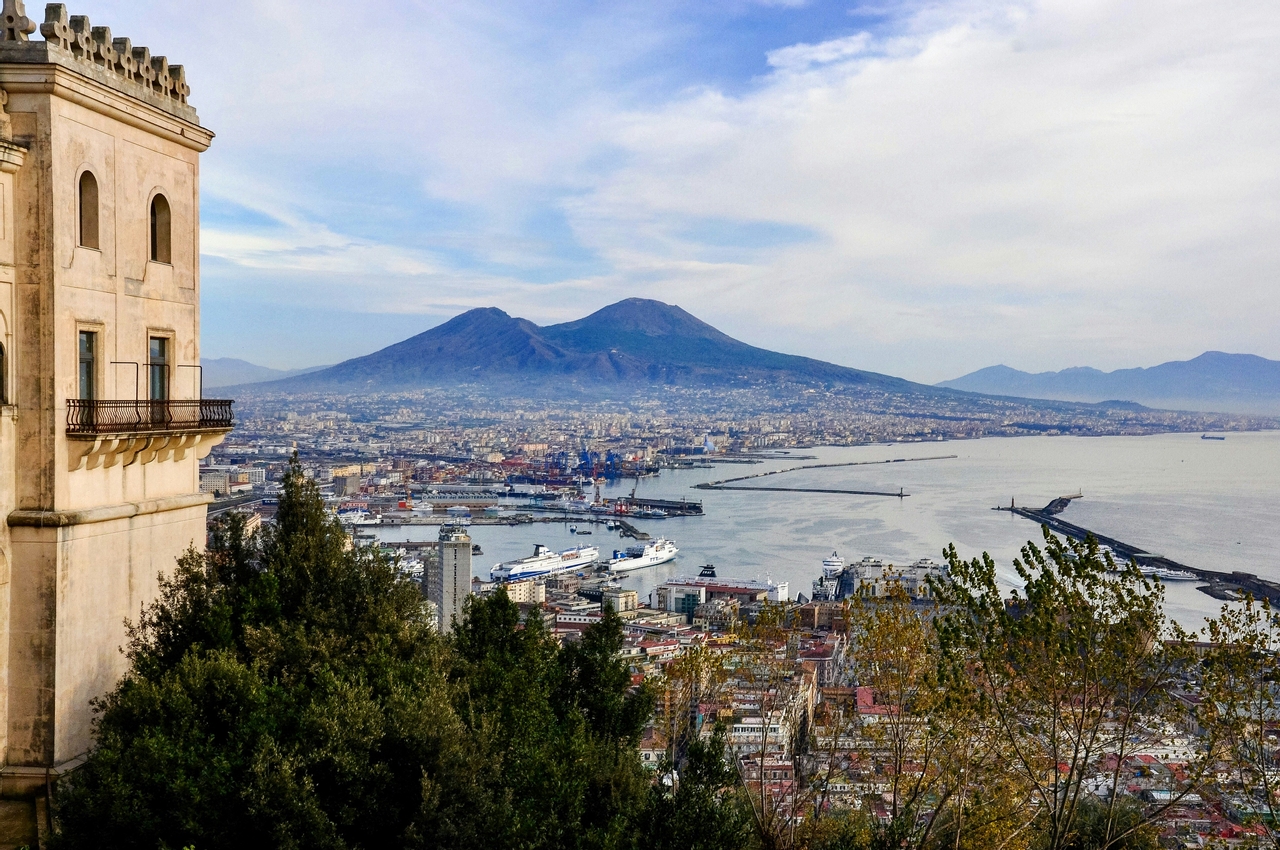
It is a strength that rarely seeks recognition, yet it sustains entire neighbourhoods. Walking every day through the narrow streets of the Spanish Quarters, I began to see an unexpected connection between this city and the world of the America’s Cup.
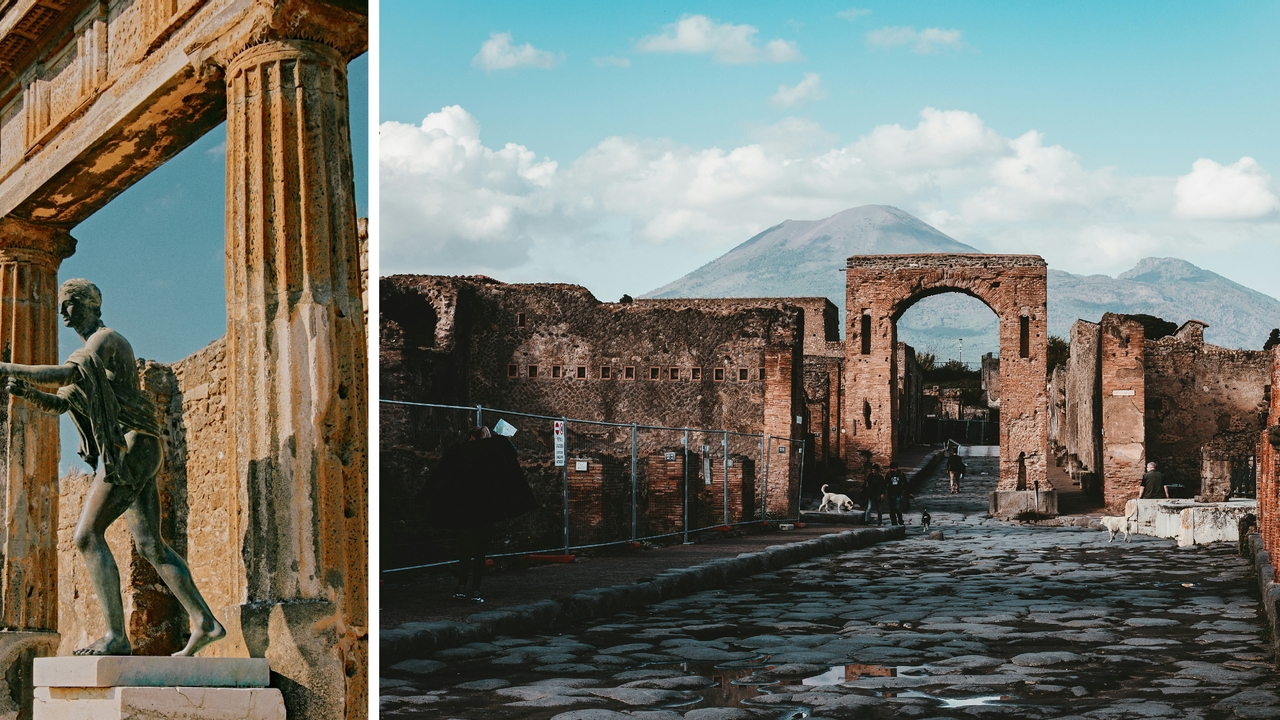
Naples is one of Europe’s oldest cities. The Spanish Quarters date back to 1536, and their walls carry centuries of history, transformation, struggle, and resilience. The America’s Cup, too, carries a profound legacy: 173 years of innovation, competition, and human ambition that have crossed oceans and generations.
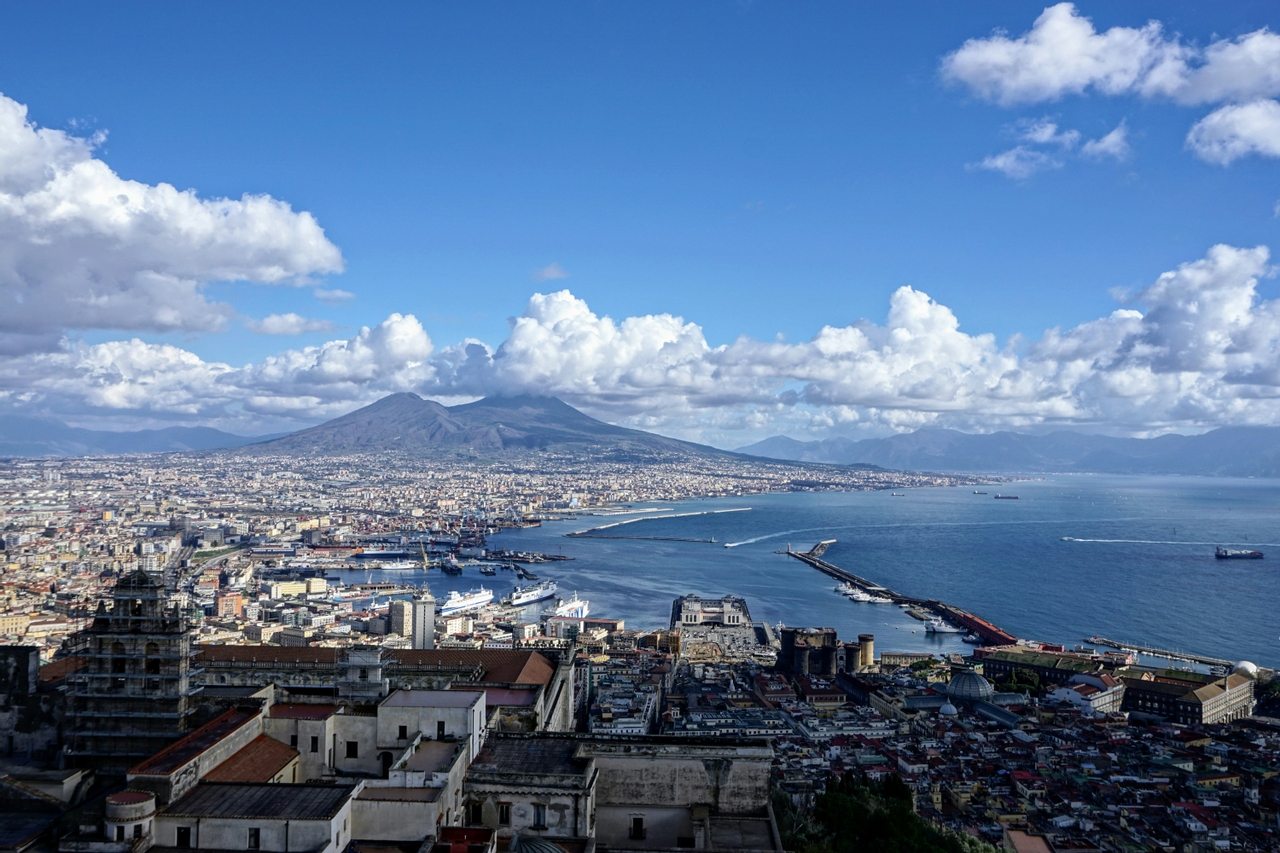
They are very different worlds, yet they share something fundamental: the ability to evolve without losing their identity. If Naples embodies the weight and richness of history, the America’s Cup represents the courage to imagine the future. And today, one of the most significant transformations taking place within the sport concerns women.
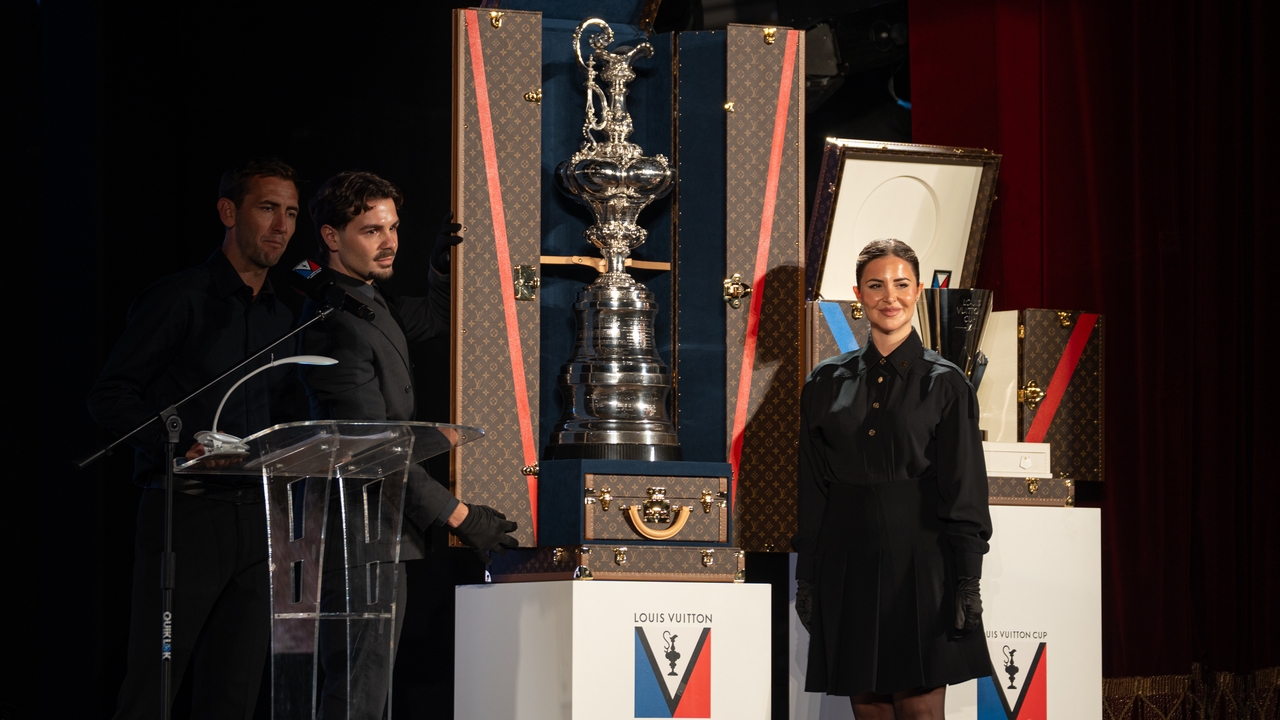
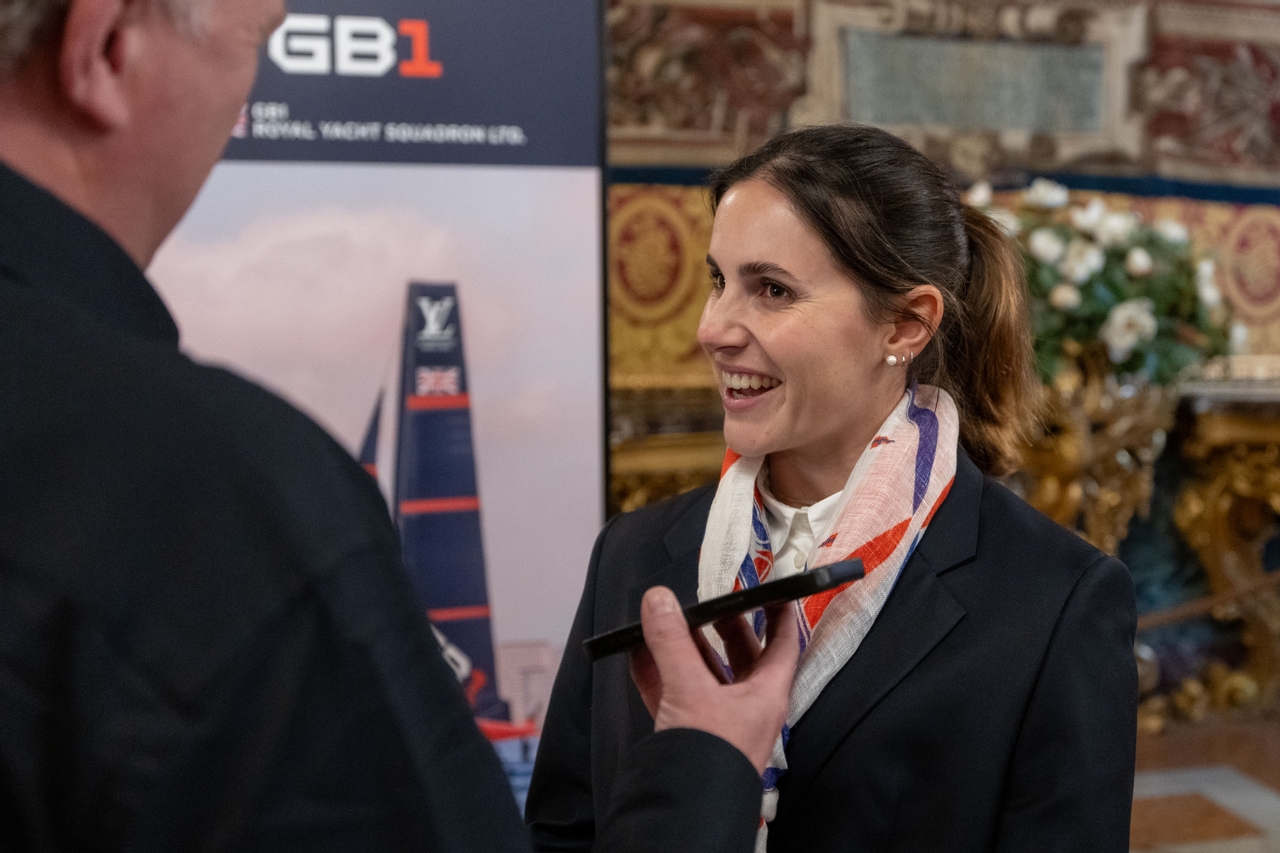
For more than a century and a half, the America’s Cup was an almost exclusively male domain. It was only in the most recent edition, in Barcelona, that we witnessed a historic turning point with the introduction of the Youth and Women’s America’s Cup. It was more than a symbolic milestone—it was a demonstration of the talent, determination, and potential of a new generation of female sailors.
Ian Roman / America's Cup
Now that journey continues. Women are no longer asking for a place at the table; they are earning it through competence, professionalism, and performance. They are becoming increasingly present not only on the water, but also in design offices, engineering departments, communications teams, and leadership roles. They are contributing to the future of the sport at every level.
Over the past few months, I have had the opportunity to meet women from around the world working within the America’s Cup ecosystem. Women of different ages, backgrounds, and professions, yet united by the same determination. A strength that does not need to be announced—it reveals itself naturally through their work, their commitment, and their ambition.
Ian Roman / America's Cup
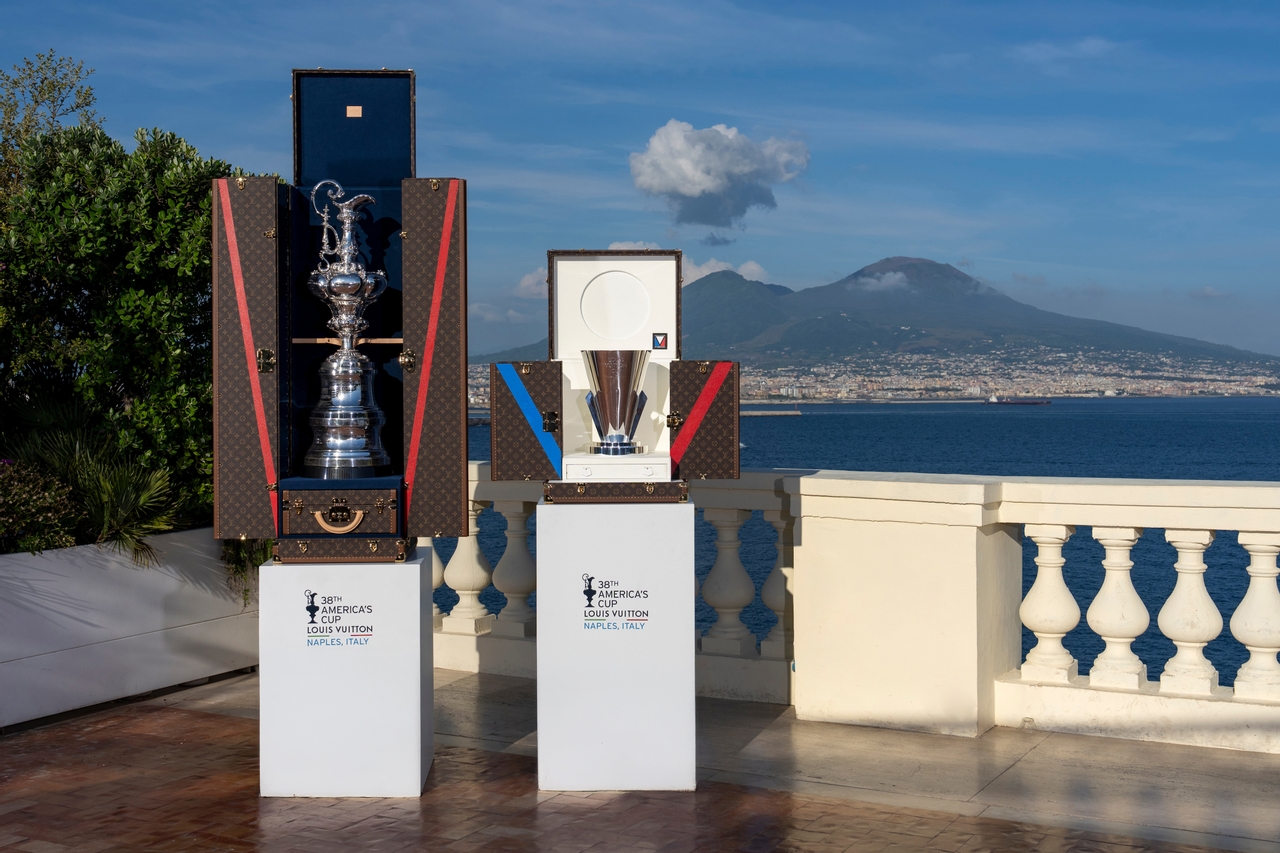
That is why I cannot imagine a more fitting host city for the next chapter of the America’s Cup than Naples. Because here, female strength is not a recent development. It is woven into the very identity of the city.
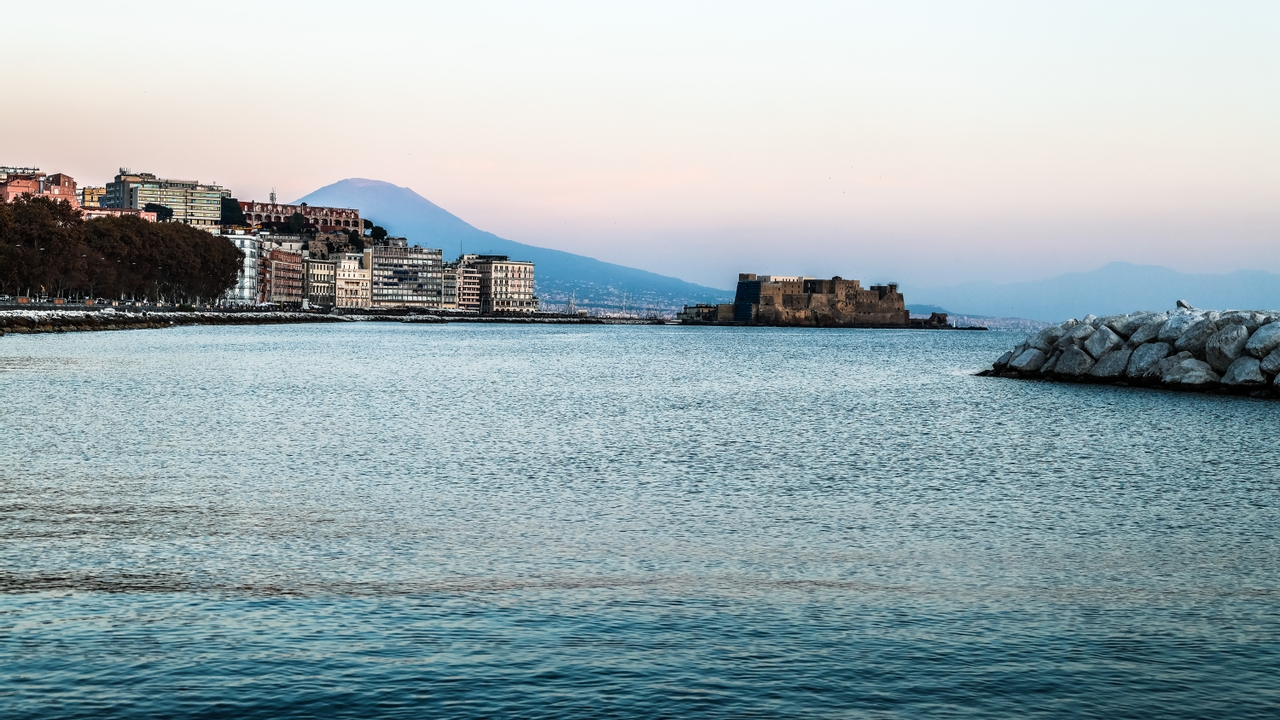
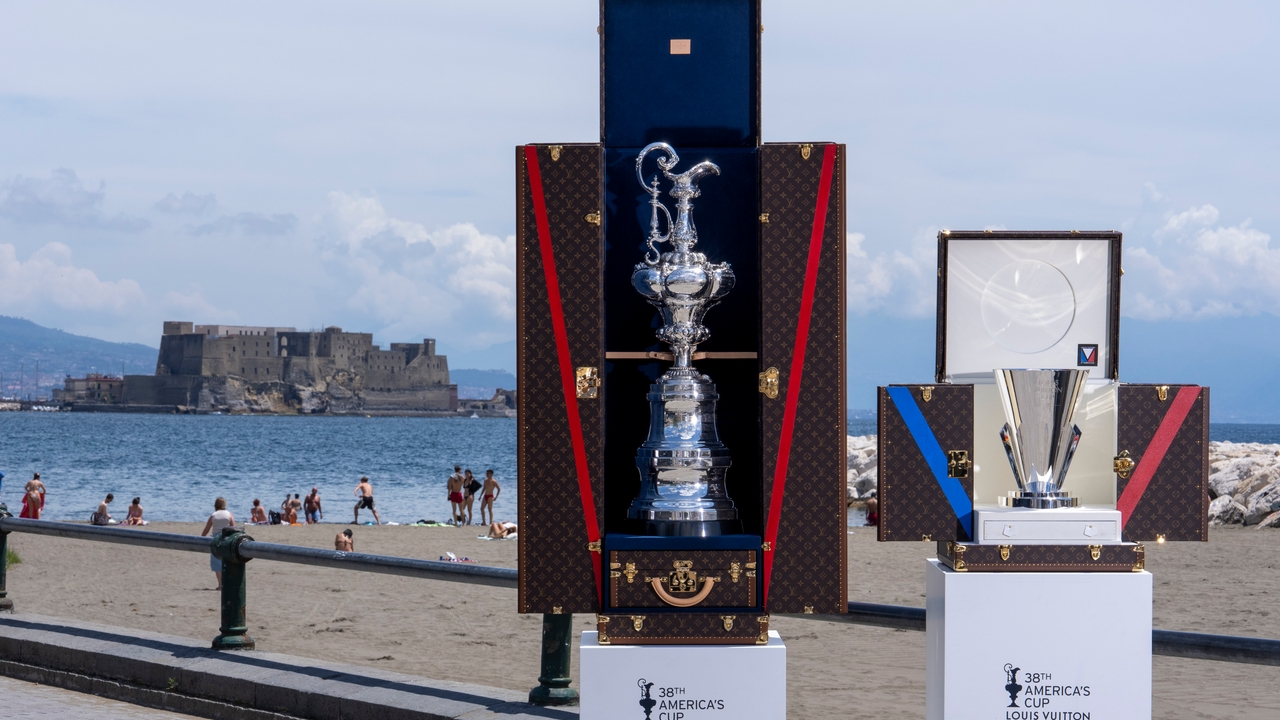
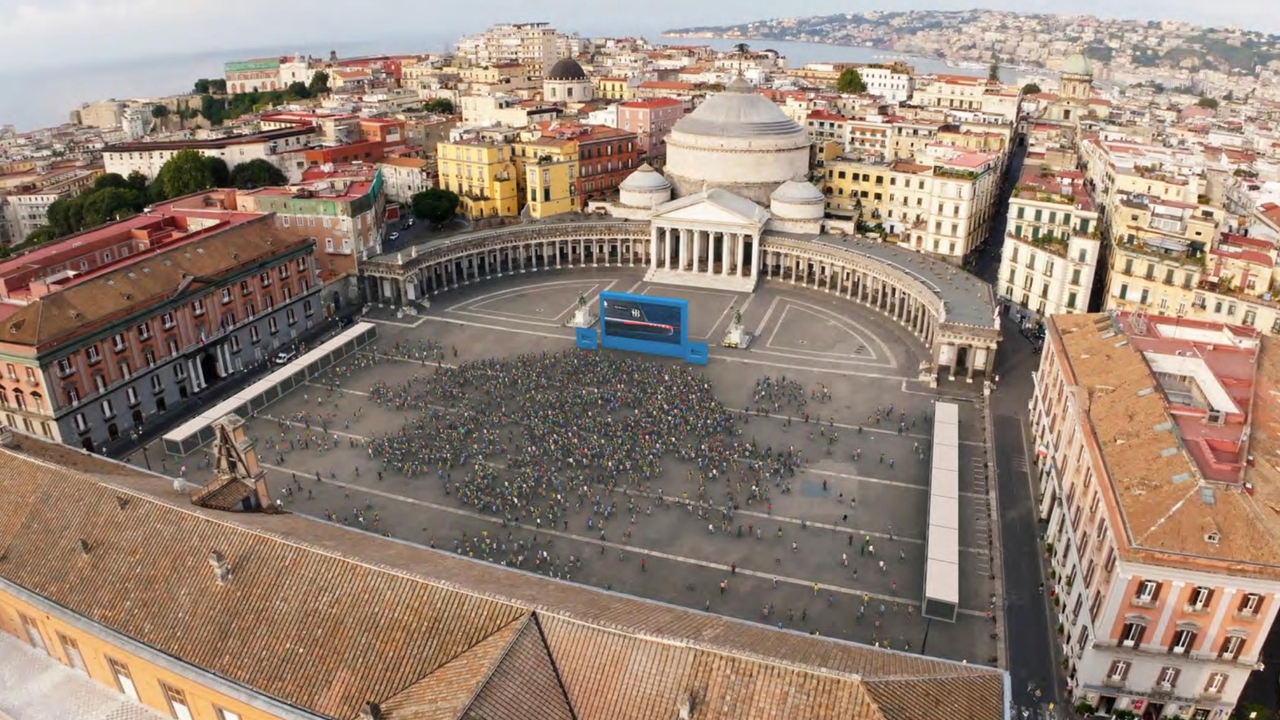
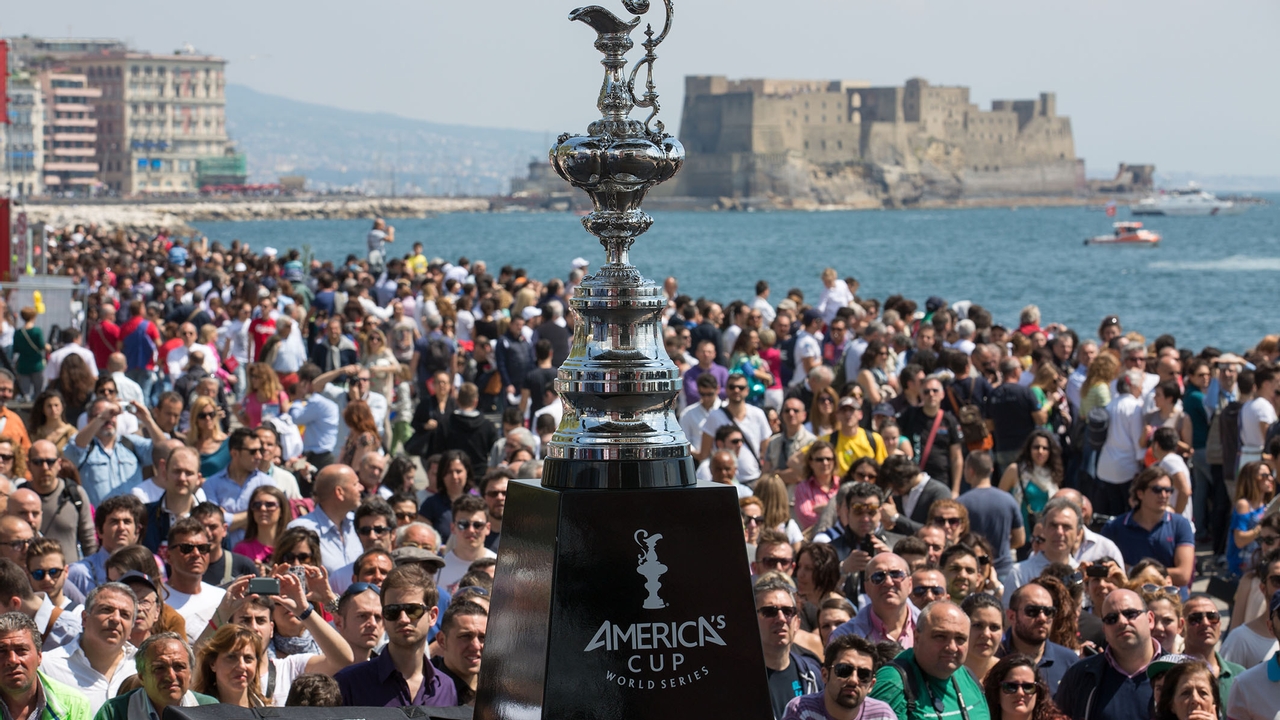
Between the alleyways of the Spanish Quarters and the waterfront that will welcome the oldest trophy in international sport, there is an invisible thread connecting past and future. It is a thread made of resilience, adaptation, and the determination to create opportunities for the generations that follow.
Ian Roman / America's Cup
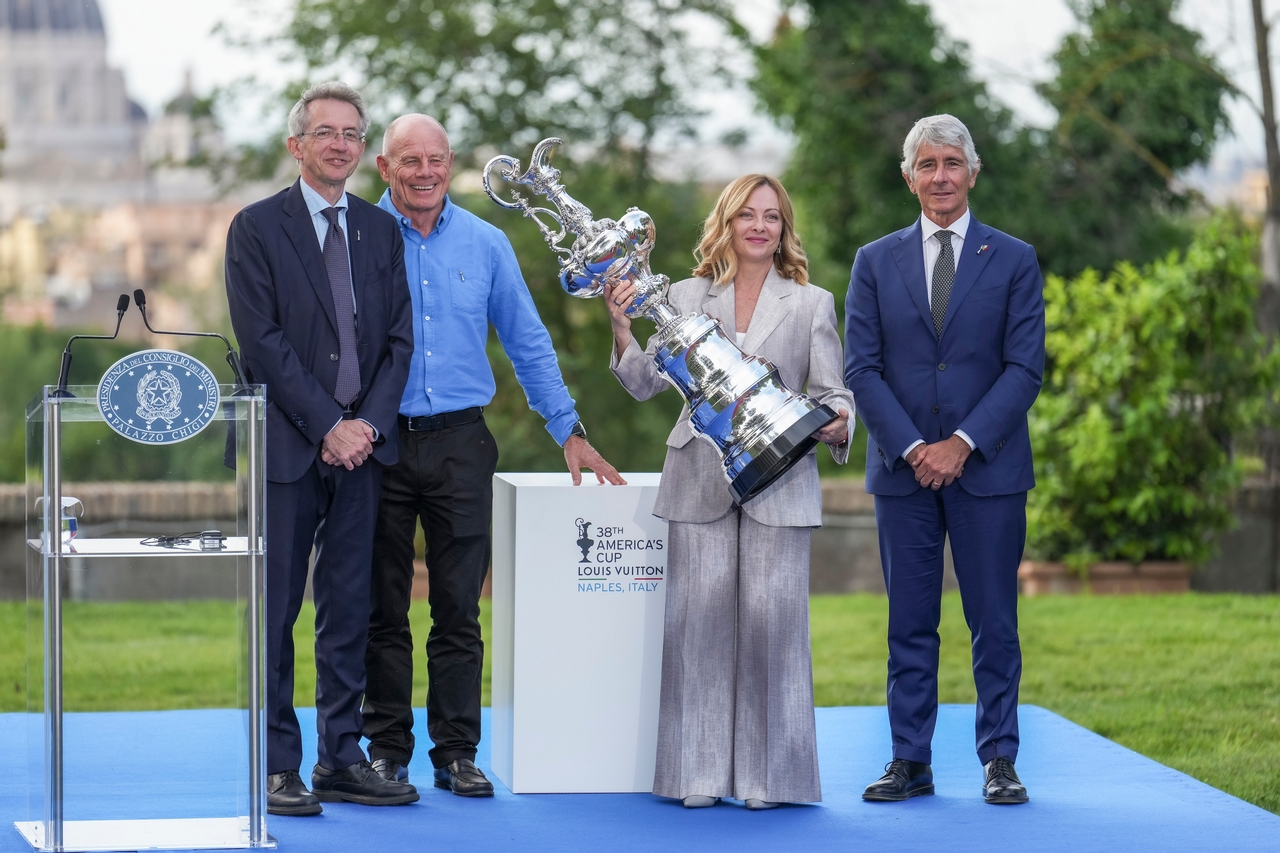
Perhaps this is the deepest meaning of the America’s Cup coming to Naples: the meeting of a city that has long been shaped by the strength of its women and a sport that is finally learning to fully embrace it.
Viola Devoti – Content Creator