Sam Thom / America's Cup
INSIDE THE AC75: HOW THE DOUBLE-SKINNED MAINSAIL REALLY WORKS
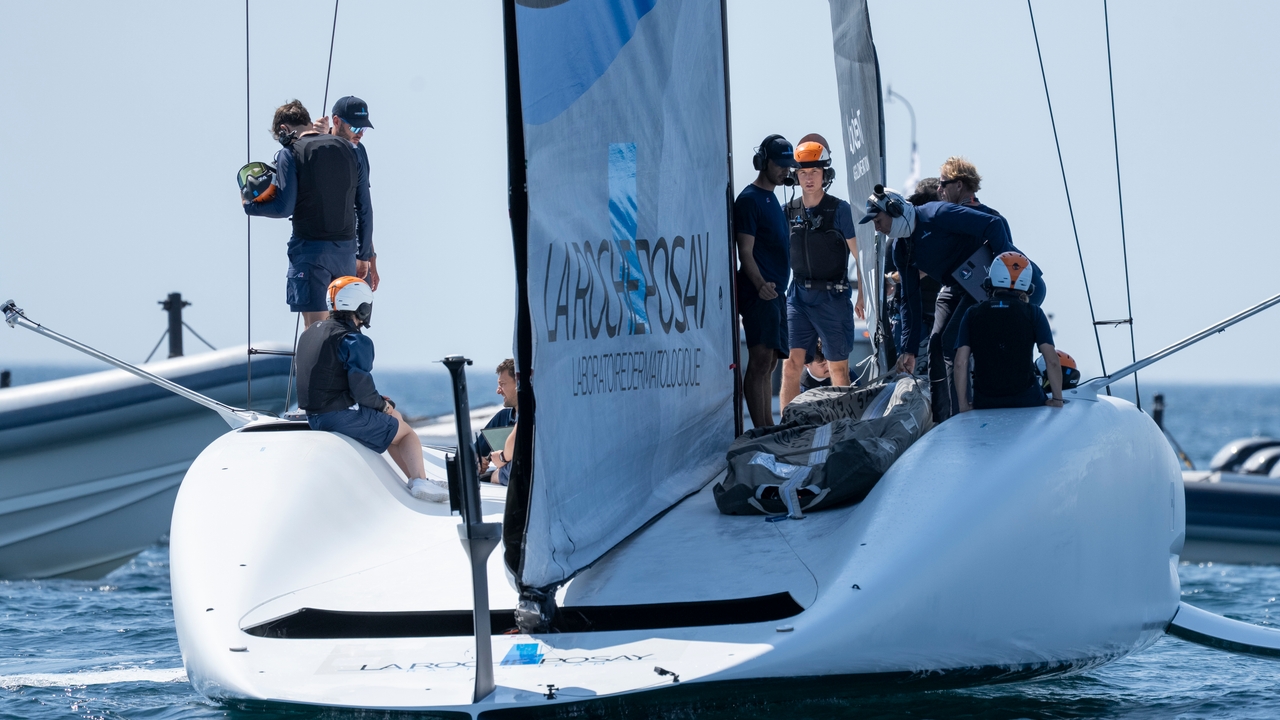
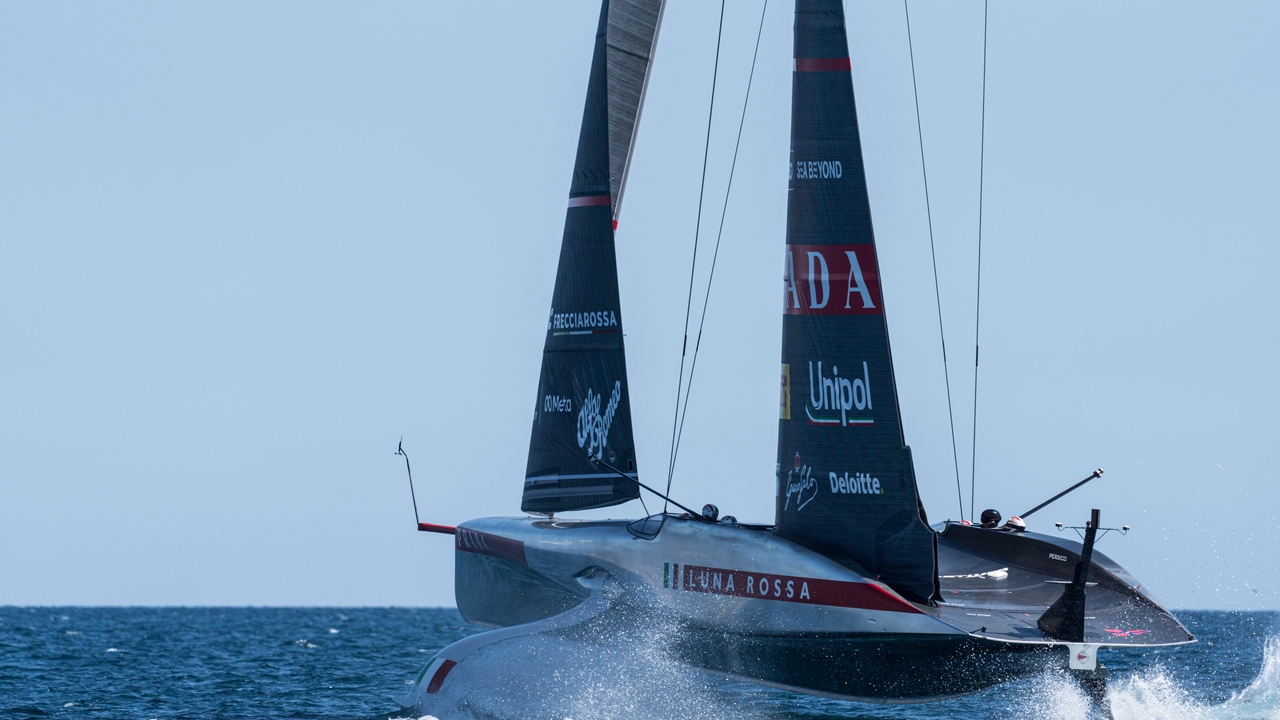
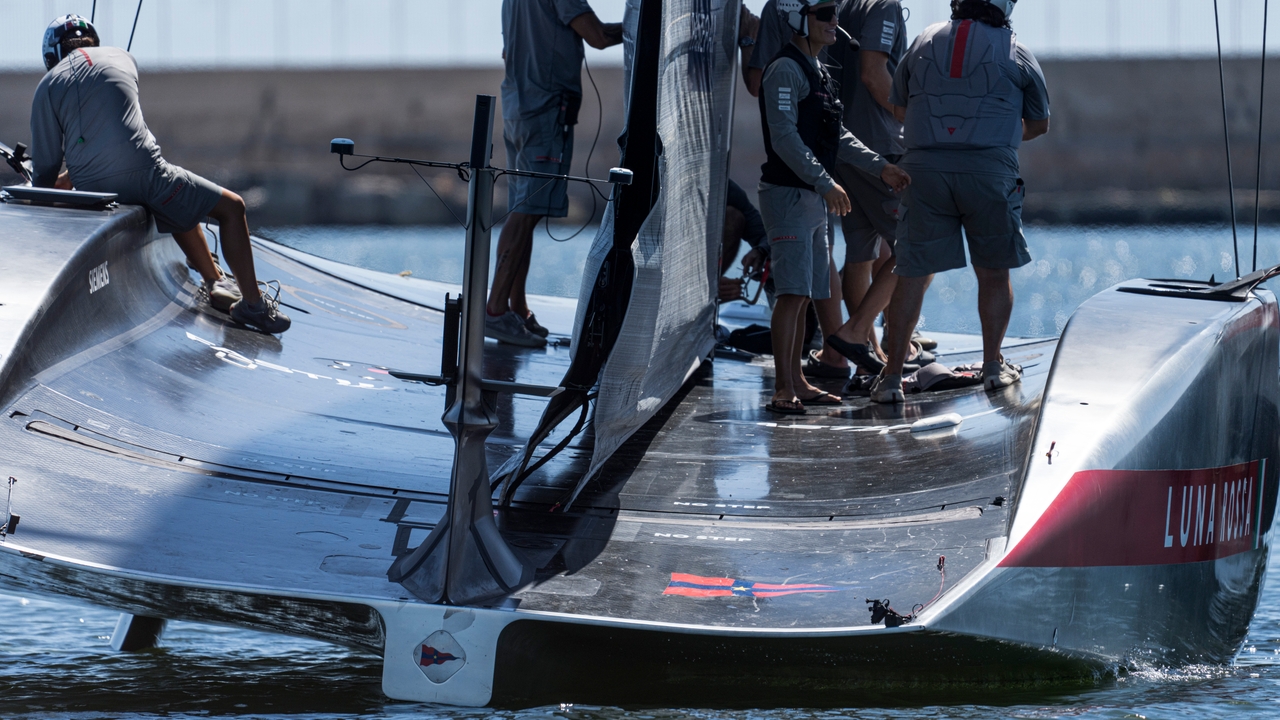
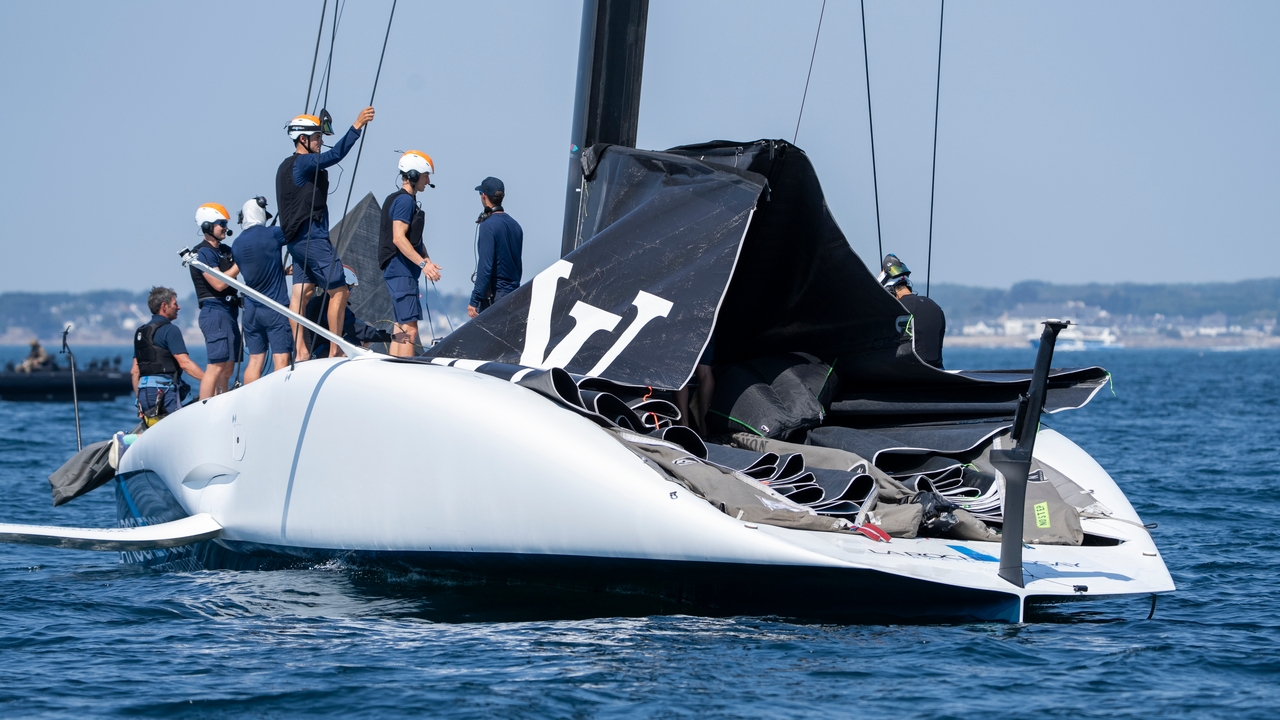
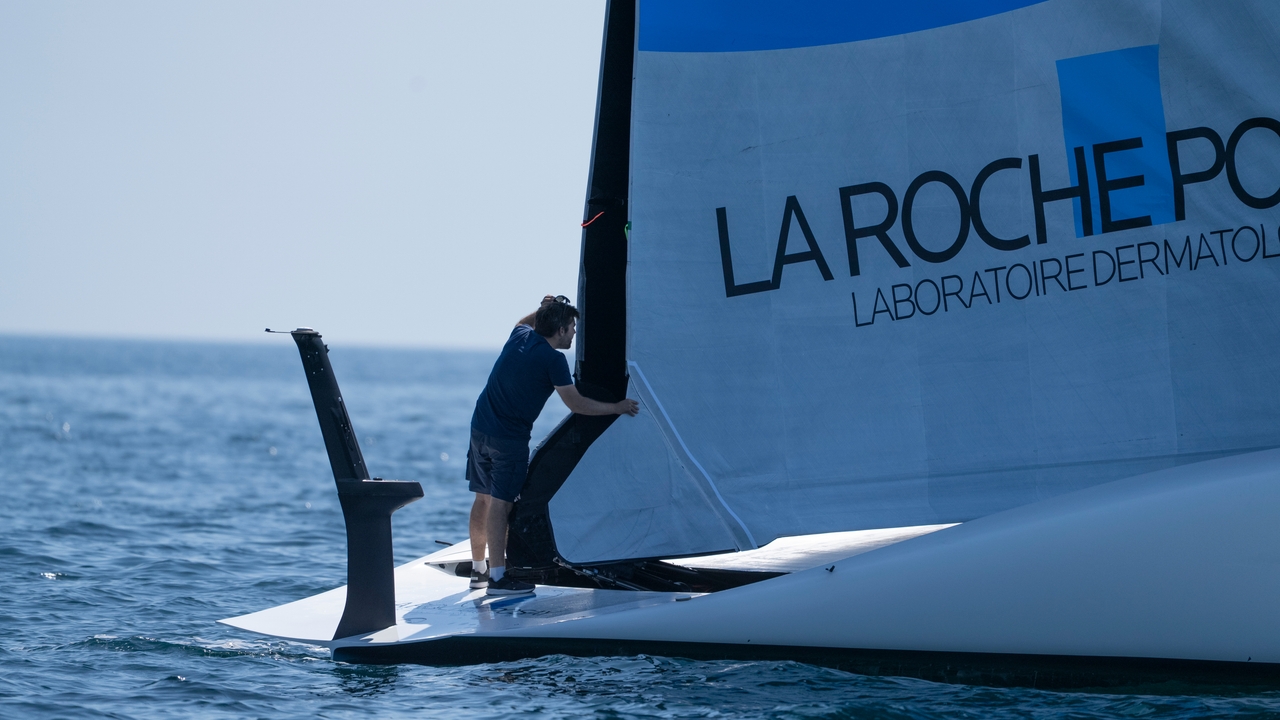
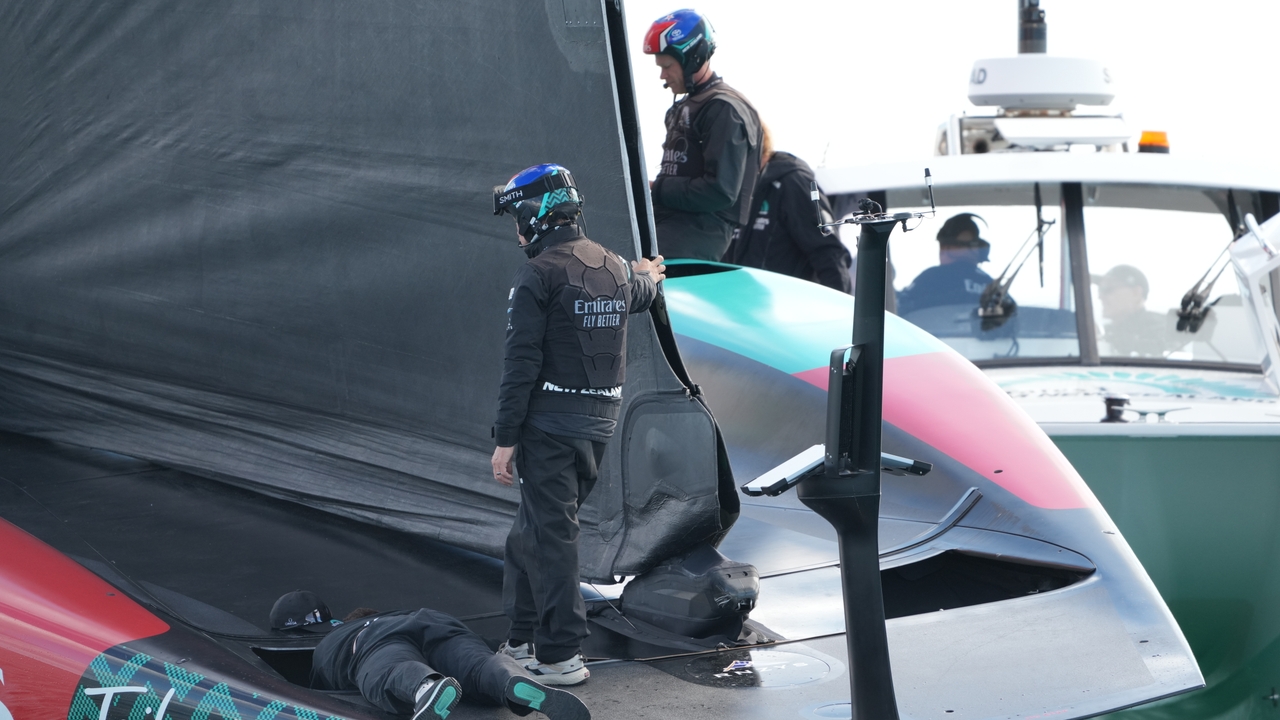
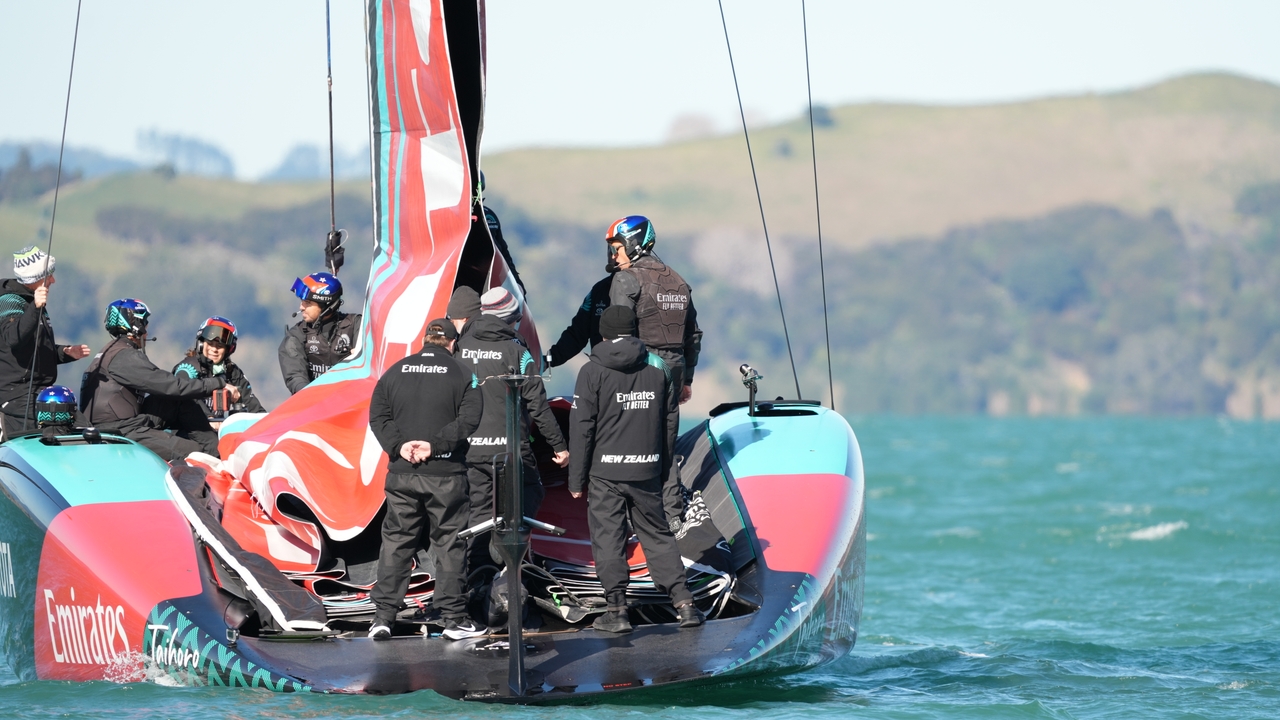
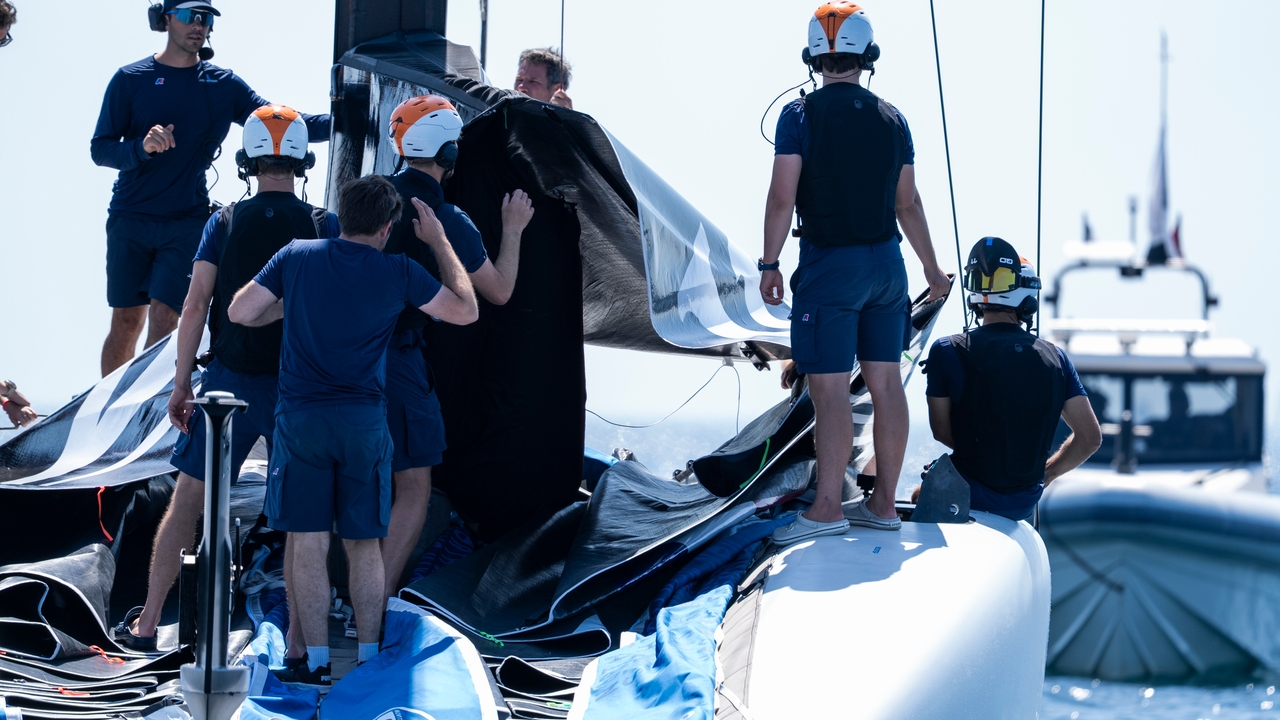
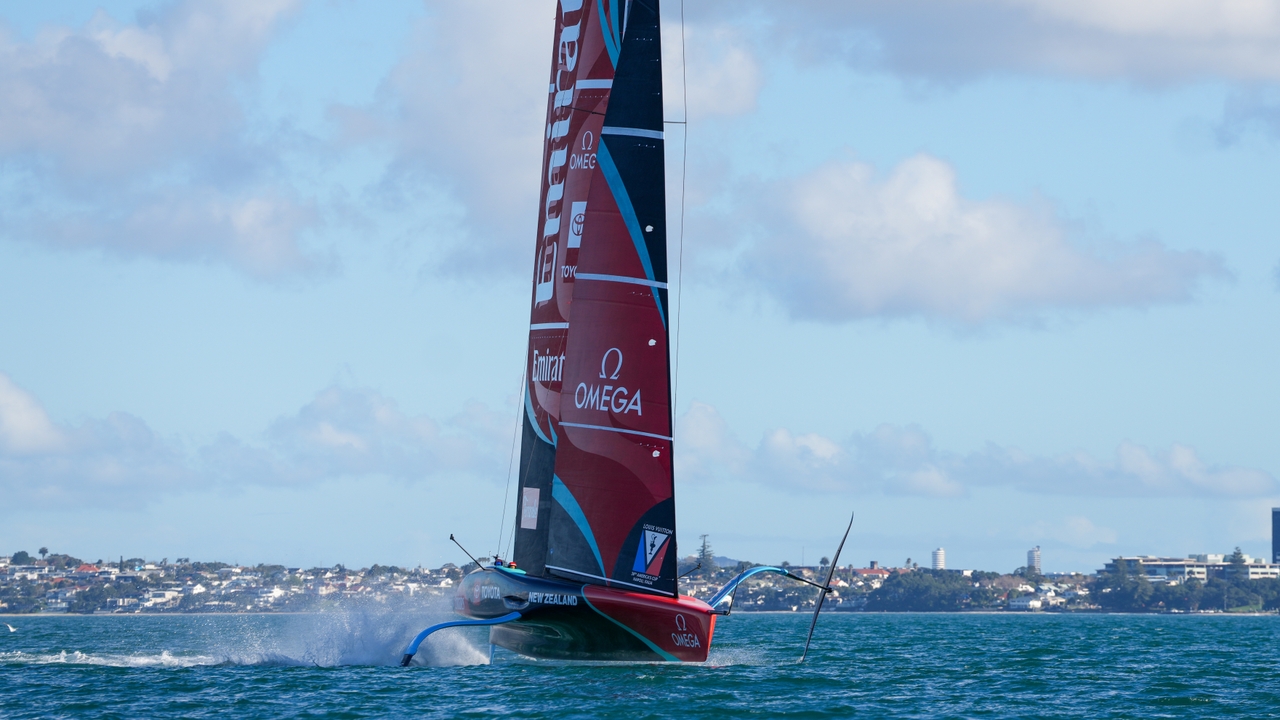
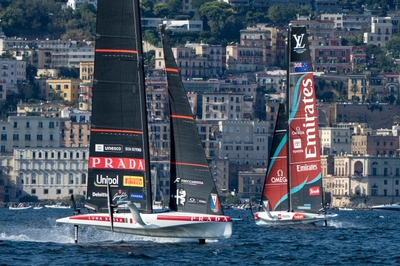
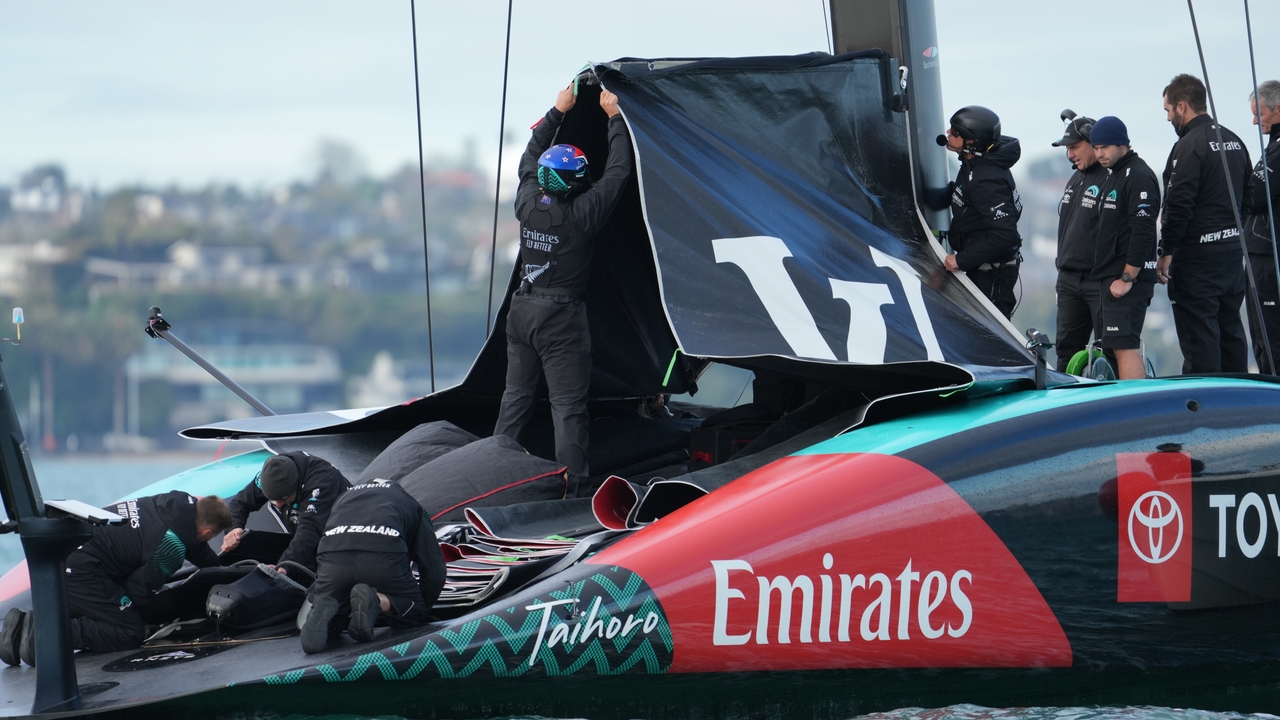
Look at an AC75 from a distance and its mainsail appears relatively conventional. Look more closely and it is anything but. The double-skinned mainsail is effectively a highly controllable aerodynamic wing and understanding how to manipulate its depth, twist and pressure distribution is one of the keys to unlocking an AC75’s extraordinary performance.
Pierre Bouras / America's Cup
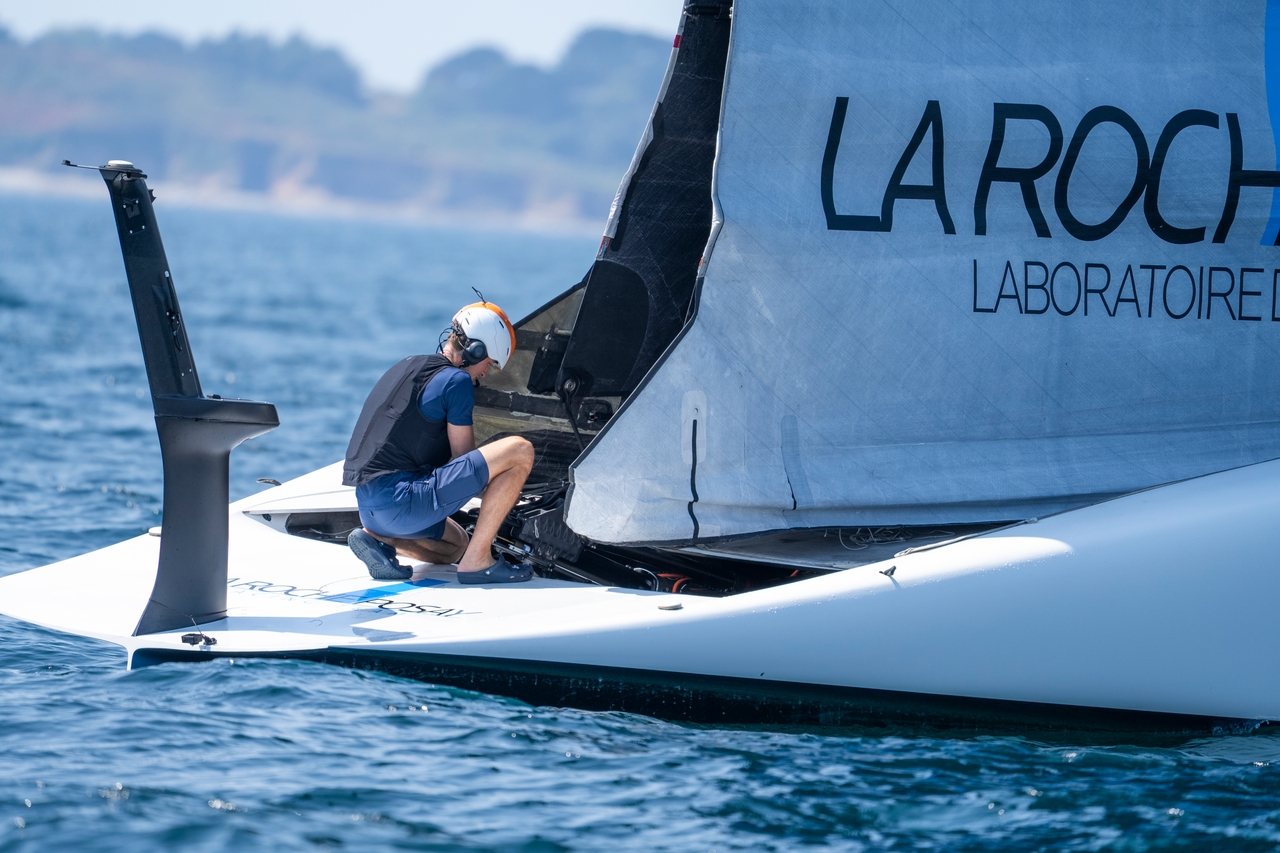
One of the defining technologies of the modern America’s Cup is also one of the least understood. The AC75 does not have a conventional mainsail attached to the back of a mast. Instead, the rig combines the mast with two separate sail skins, one running down either side of the spar and together they create something approaching an aerodynamic wing. It is an ingenious compromise.
The rigid wingsails of the AC72 and AC50 generations were extraordinarily efficient but came with considerable logistical complications. They required specialist handling, large shore crews and cranes simply to step and un-step them. The AC75 concept retained many of the aerodynamic advantages of a wing but returned to a sail that can be hoisted and lowered, and the result is the double-skinned mainsail but making it work properly is considerably more complicated than simply pulling on the mainsheet.
Ivo Rovira / America’s Cup
TWO SAILS – ONE AEROFOIL
The easiest way to understand the AC75 mainsail is to stop thinking about it as a conventional sail and think instead about an airplane’s wing standing vertically. A conventional mainsail has pressure on one side and suction on the other, but the sail itself is a relatively thin membrane. At the mast, the airflow has to negotiate the transition from a relatively blunt spar onto that membrane and that transition creates aerodynamic losses.
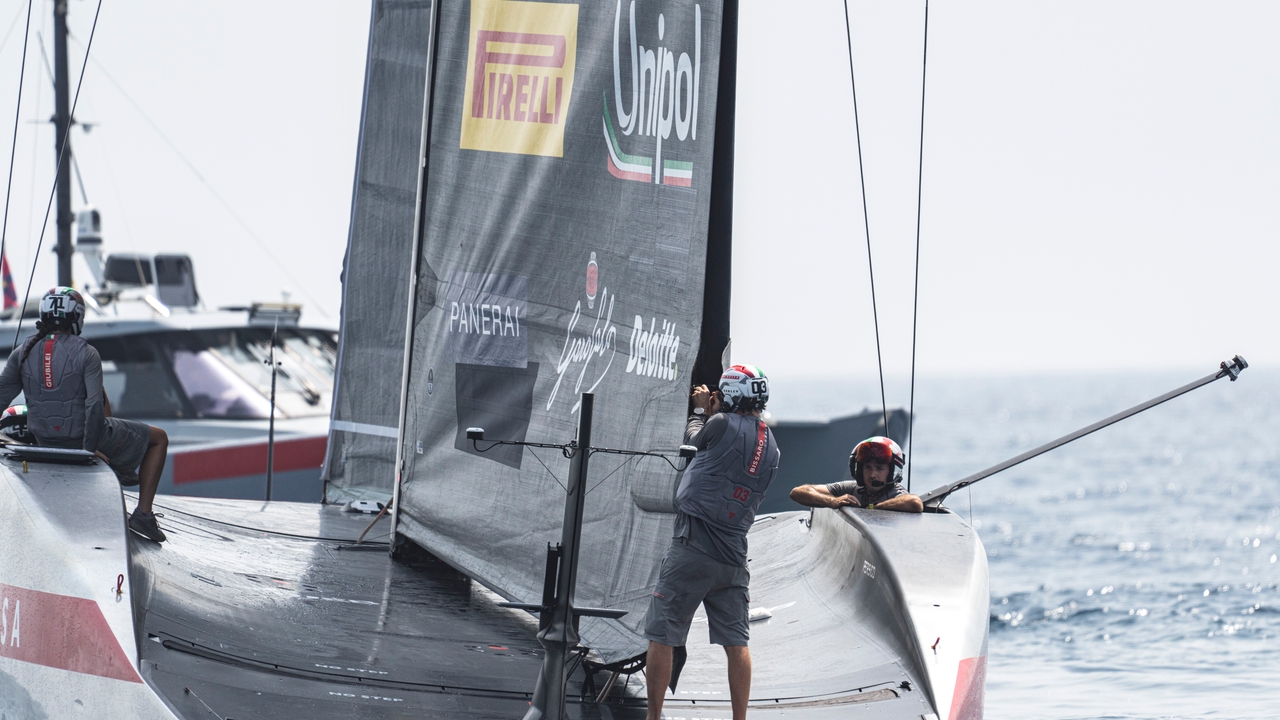
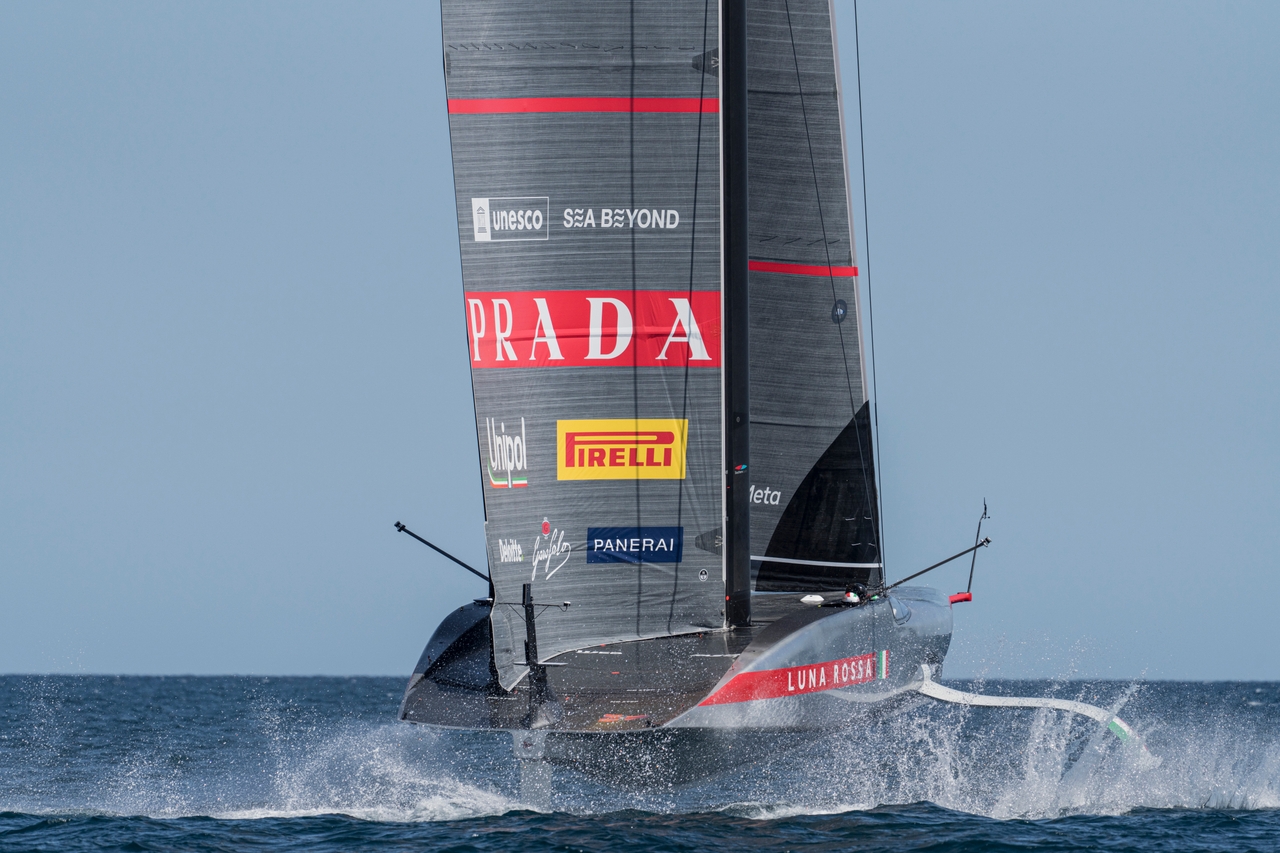
The double-skin system changes the geometry with one skin attached to one side of the mast and the second to the other. The skins separate around the mast before converging towards the leech. Viewed in section, mast and sails can therefore create a much more continuous aerodynamic profile. The improvement is particularly important around the leading edge with the airflow arriving at the mast transitioning more smoothly onto the sail surface, reducing separation and allowing the rig to generate lift more efficiently but there is another enormous advantage. Due to there being two skins, the shape of the windward and leeward surfaces can be manipulated and that gives the trimmers considerable control over the three-dimensional geometry of the aerofoil.
Ricardo Pinto / America's Cup
IS CAMBER KING?
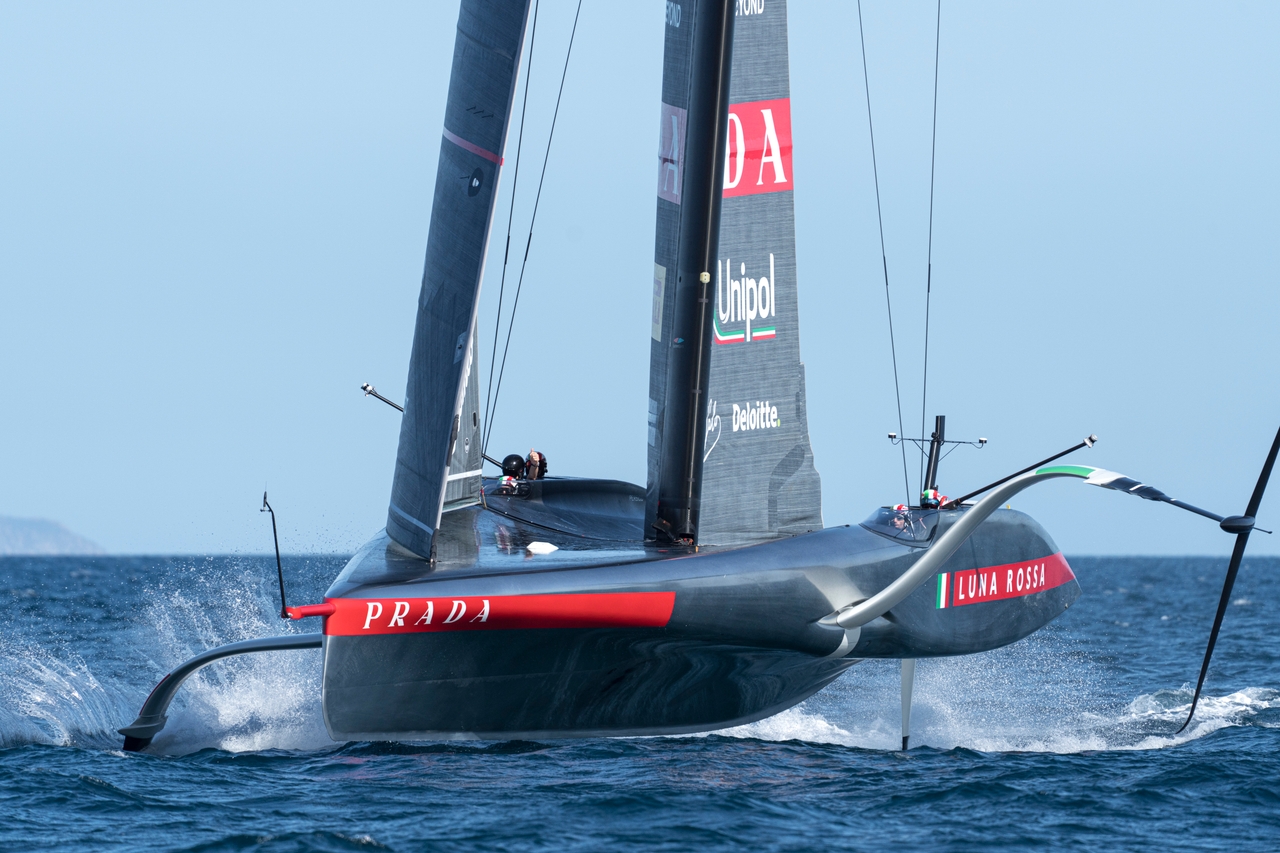
One of the fundamental variables is camber, essentially how deep or curved the aerofoil is. More camber generally allows the sail to generate more aerodynamic force, but it also increases drag whilst less camber produces a flatter, lower-drag section and the optimum changes constantly. When the AC75 is trying to accelerate, particularly around the bottom of the foiling range, the objective may be to produce considerable power. Once the boat is travelling at 40-plus knots and the apparent wind has moved dramatically forward, the requirement changes and drag becomes increasingly expensive to performance. The mainsail must be flattened and depowered while still producing enough aerodynamic force to drive the yacht at extraordinary speed and this is one of the counter-intuitive aspects of foiling. The faster the AC75 travels, the stronger its apparent wind becomes. Consequently, the sail plan that helps an AC75 take off is not necessarily the sail plan it wants once established at 45 or 50 knots and the trimmer is constantly managing that transition.
Ivo Rovira / America’s Cup
TWIST – THE THREE-DIMENSIONAL PROBLEM
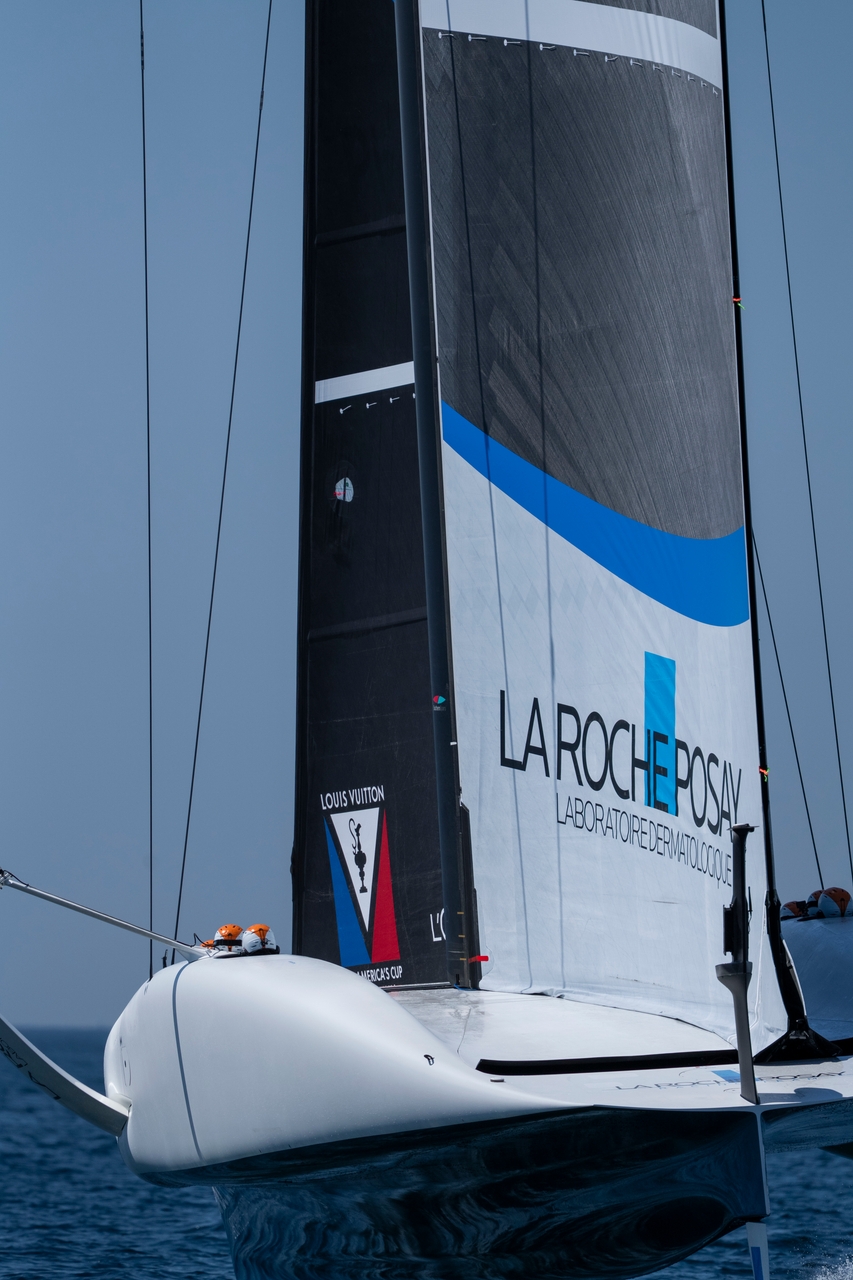
Camber is only part of the equation as the apparent wind experienced at the bottom of the sail is not identical to that experienced at the top and so the rig cannot simply be trimmed as one uniform aerofoil, it needs twist. Twist changes the angle of attack progressively with height and the objective is to keep as much of the sail as possible operating efficiently while controlling both aerodynamic force and the location of that force. On a displacement yacht the trimmer is principally thinking about producing drive while balancing heel. On an AC75, the aerodynamic force generated by the rig is interacting with an underwater foil system that is simultaneously controlling ride height, pitch, roll and leeway so sail trim and flight control become inseparable. If you change the mainsail, you change the forces acting on the entire platform.
Pierre Bouras / America's Cup
THE LOWER MAINSAIL
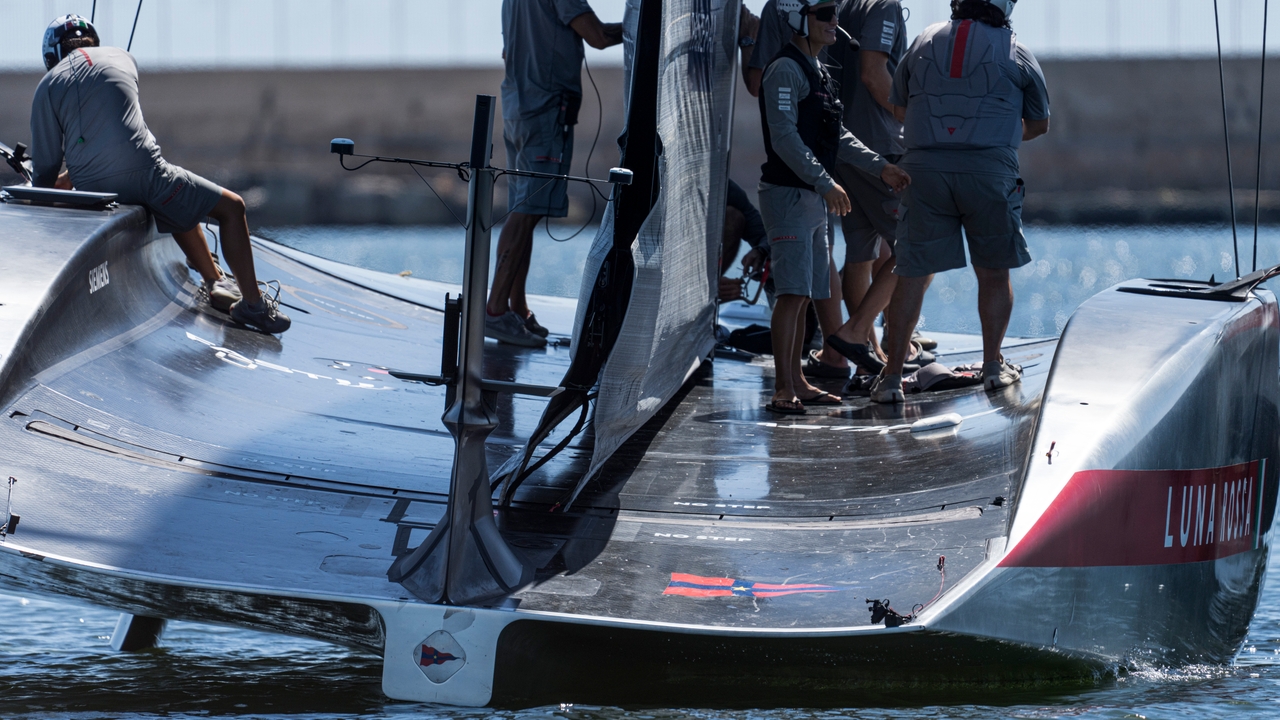
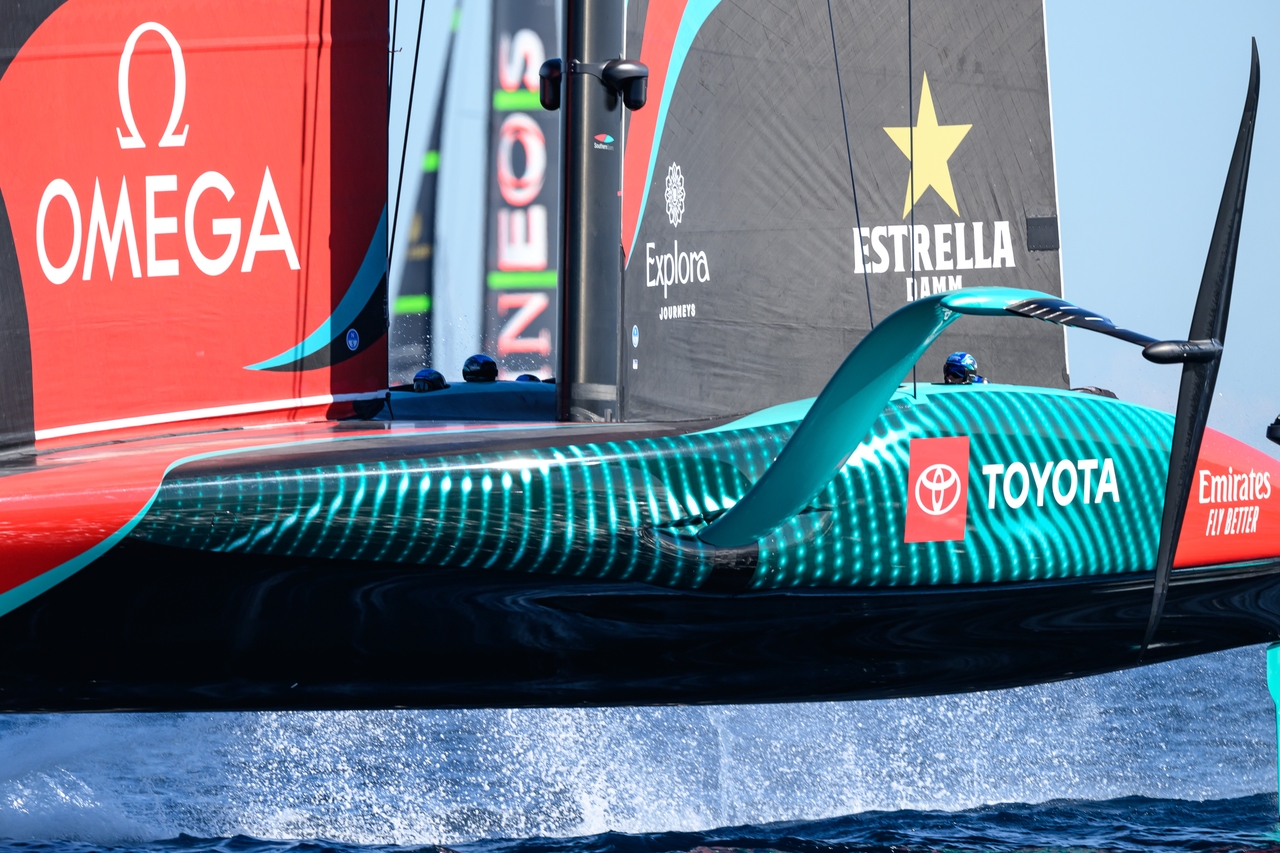
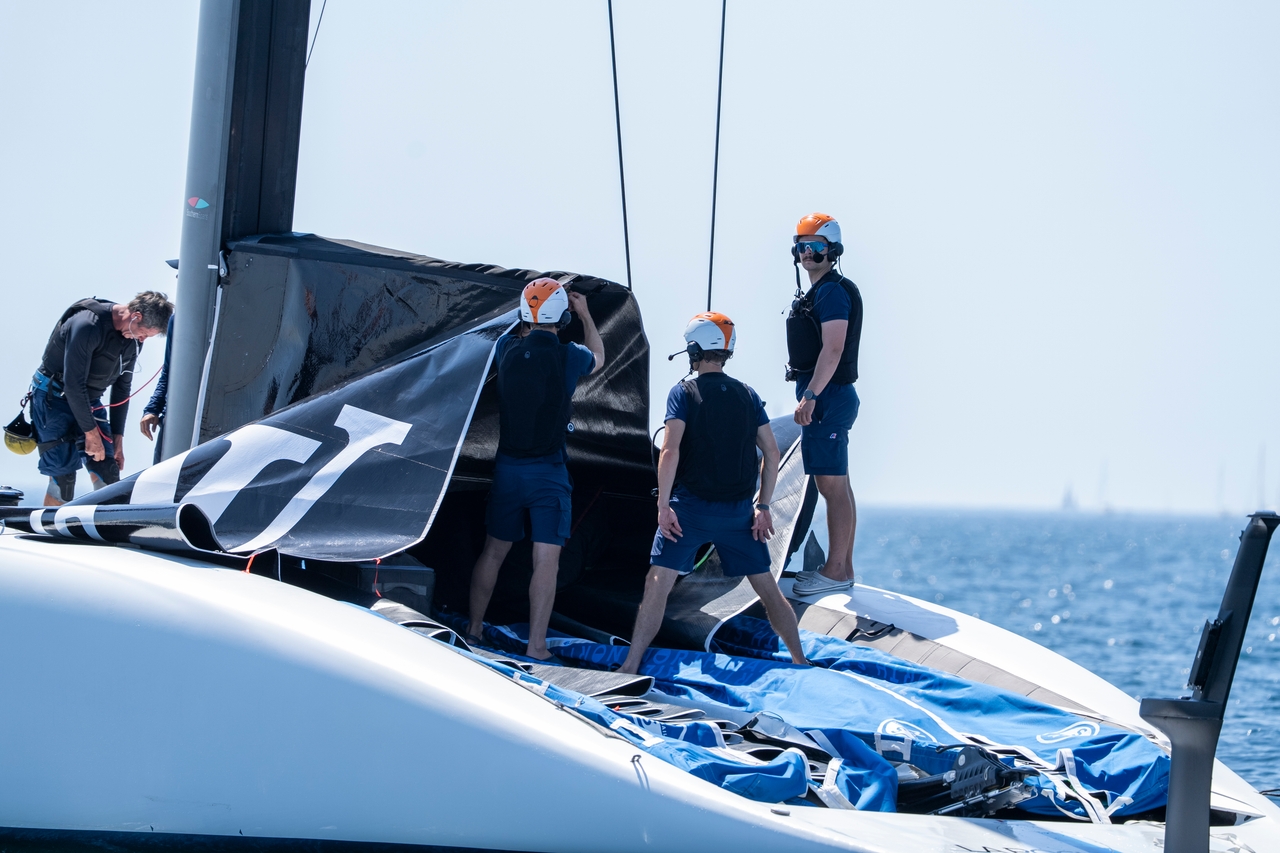
Perhaps the most fascinating area is the bottom of the sail where the foot of the AC75 mainsail extends towards the deck, helping reduce the aerodynamic leakage that would otherwise occur beneath the sail, it’s the sailing equivalent of an endplate. On a conventional yacht, high-pressure air on the windward side of a sail wants to migrate around its edges towards the low-pressure leeward side and so at the bottom of the sail this produces losses but if you can bring the sail close to the deck, that leakage can be reduced and the actual deck effectively becomes part of the aerodynamic system. On an AC75, the result is a more efficient lower section of the sail and potentially a stronger pressure differential between the two sides and is one reason the geometry of the lower mainsail receives so much attention from America’s Cup designers.
Pierre Bouras / America's Cup
THE MAST IS PART OF THE SAIL
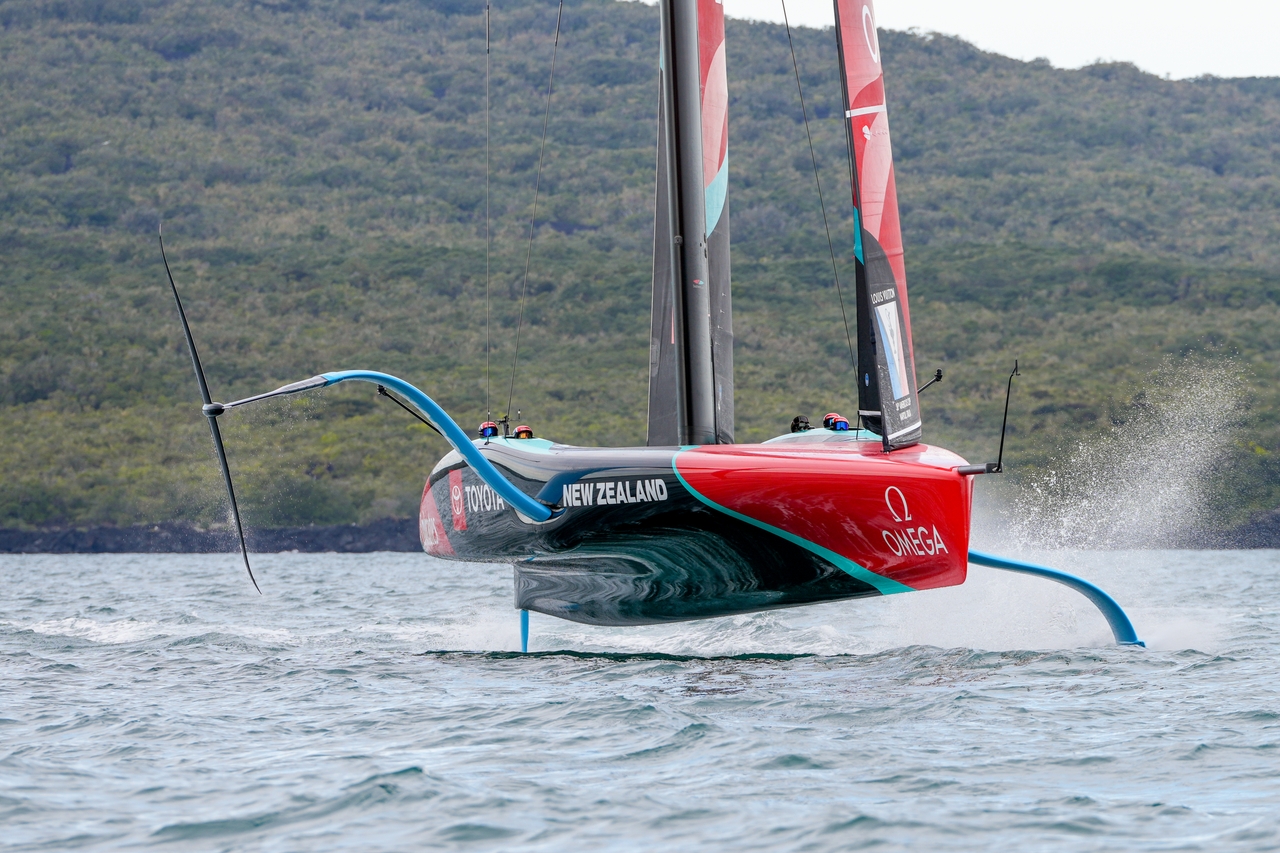
On a conventional rig the mast can be viewed, aerodynamically, as something of an inconvenience sitting in front of the mainsail whilst on the AC75 it is integral to the aerofoil and both mast rotation and sail shape have to work together. The objective is to present the leading edge at an appropriate angle to the incoming apparent wind and then create a smooth transition onto the leeward skin. Too much rotation, too little rotation or the wrong sail shape behind it can damage that transition and encourage separation.
Sam Thom / America's Cup
POWER TO GET FLYING
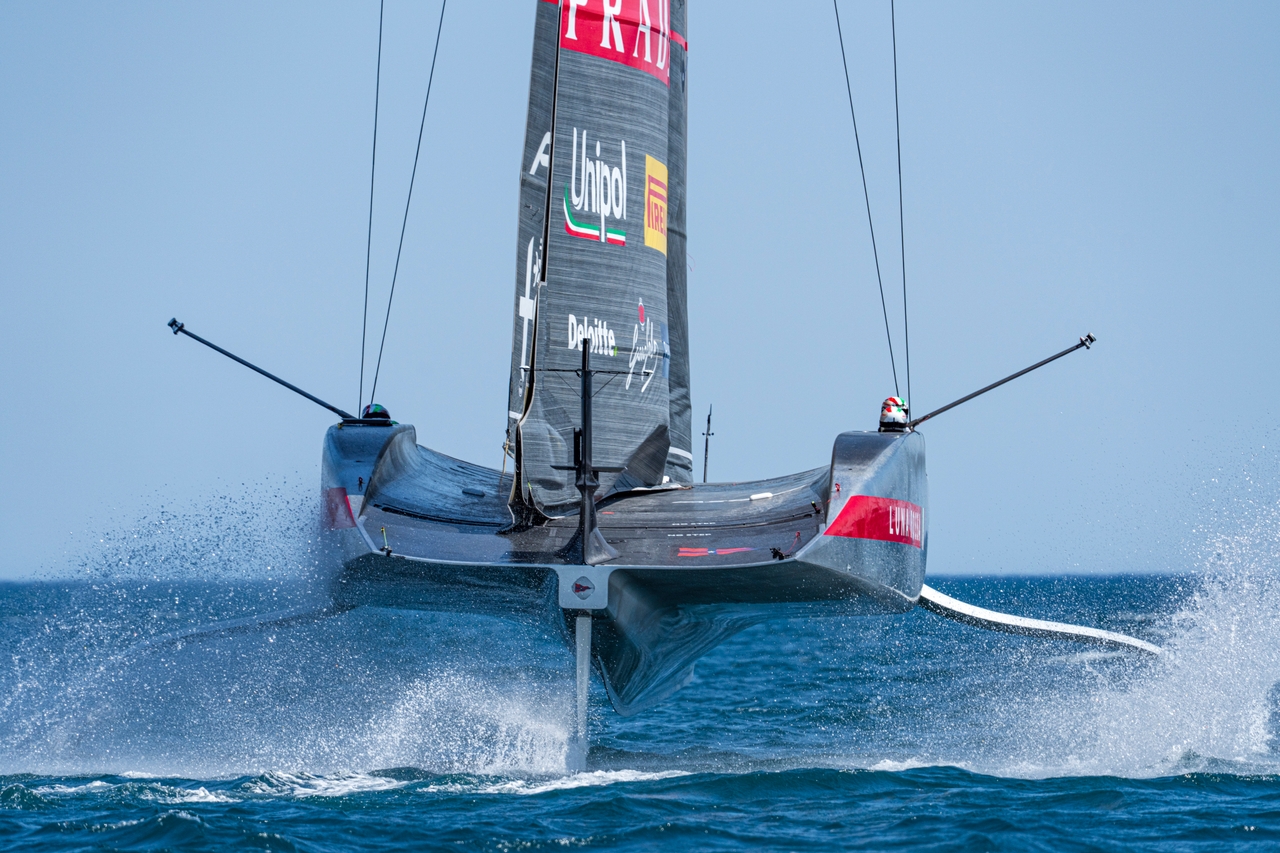
One of the hardest moments for an AC75 is the transition from displacement or semi-displacement sailing onto the foils and is where the boat needs the most induced power. The rig is generally configured to generate considerably more aerodynamic force than it will require once fully airborne and so the sails must be deeper with the aerodynamic package being asked to accelerate several tonnes of yacht until the foil generates sufficient lift to raise the hull clear of the water. Once that happens, everything changes remarkably quickly with the hydrodynamic drag falling dramatically as the boat speed rises and the apparent wind increases and moves forward. Suddenly the sail that was required to create enough power for take-off may be producing far more force than the yacht needs. The trimmers must transition rapidly towards a flatter, lower-drag configuration.
Ivo Rovira / America’s Cup
ONCE YOU ARE DOING 50 KNOTS
At high speed, aerodynamic efficiency becomes paramount a the AC75 is now generating enormous apparent wind. The problem is no longer finding power, it is generating exactly enough power with the minimum possible drag. The mainsail becomes flatter and twist becomes highly refined. The trimmer is effectively trying to keep the flow attached across the sail while preventing the rig from generating unnecessary force as every extra unit of aerodynamic force has consequences elsewhere in terms of heel, foil loading, underwater drag. The fastest configuration is therefore the one in which the aerodynamic and hydrodynamic packages are working together most efficiently.
Ivo Rovira / America’s Cup
UPWIND – HEIGHT OR SPEED?
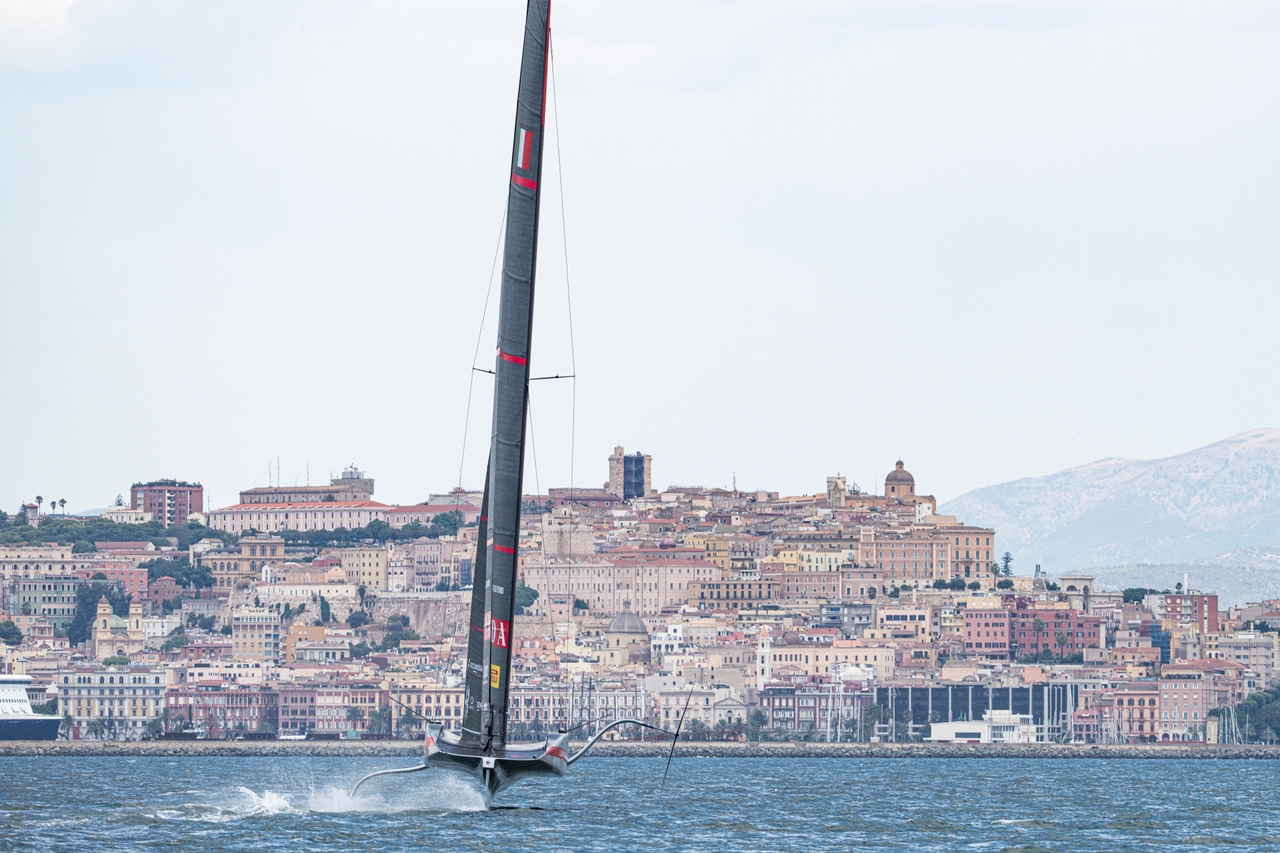
Upwind, the traditional sailing compromise between pointing and speed still exists – but at a completely different scale. A little more aerodynamic loading can potentially generate greater side force and allow the boat to sail higher but that may also increase drag and load the foil harder. Flatten the sails and the boat may accelerate but lose height. Finding the optimum is the key between those two and because the AC75's boat speed can be several times the true wind speed, small changes in speed dramatically influence apparent-wind direction.
Ivo Rovira / America’s Cup
DOWNWIND – STILL CLOSE-HAULED
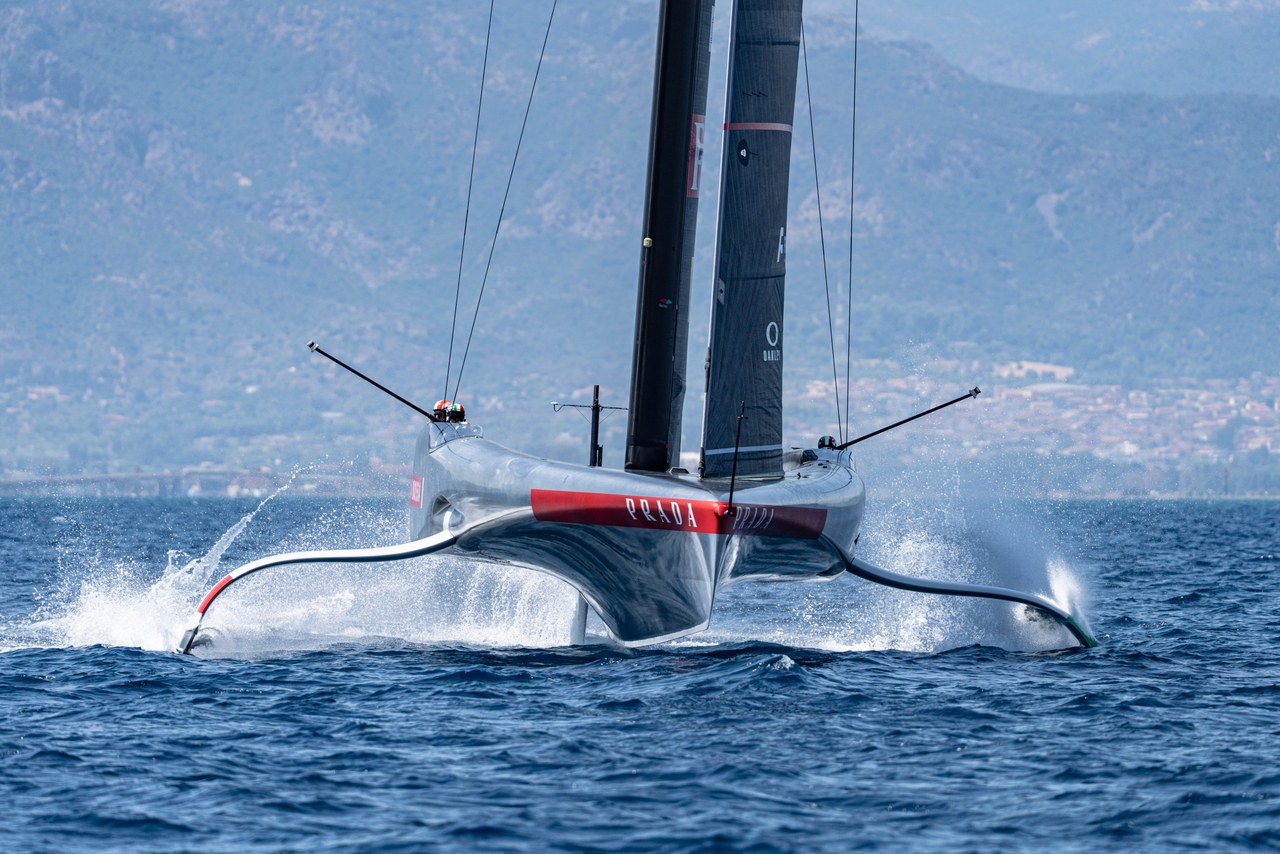
This is perhaps the strangest aspect for anyone coming from conventional sailing. An AC75 sailing downwind at high speed is still experiencing apparent wind from well forward. The yacht may be travelling towards the leeward gate, but aerodynamically the rig is operating much more like a yacht reaching or sailing close to the apparent wind.
That is why AC75 sails never resemble the deeply eased sails of a conventional displacement yacht running downwind as the boats are simply too fast. Their own velocity creates an apparent-wind environment and dictates that the sails remain highly loaded and comparatively tightly sheeted.
Ivo Rovira / America’s Cup
MANOEUVRES – THE CRITICAL MOMENT
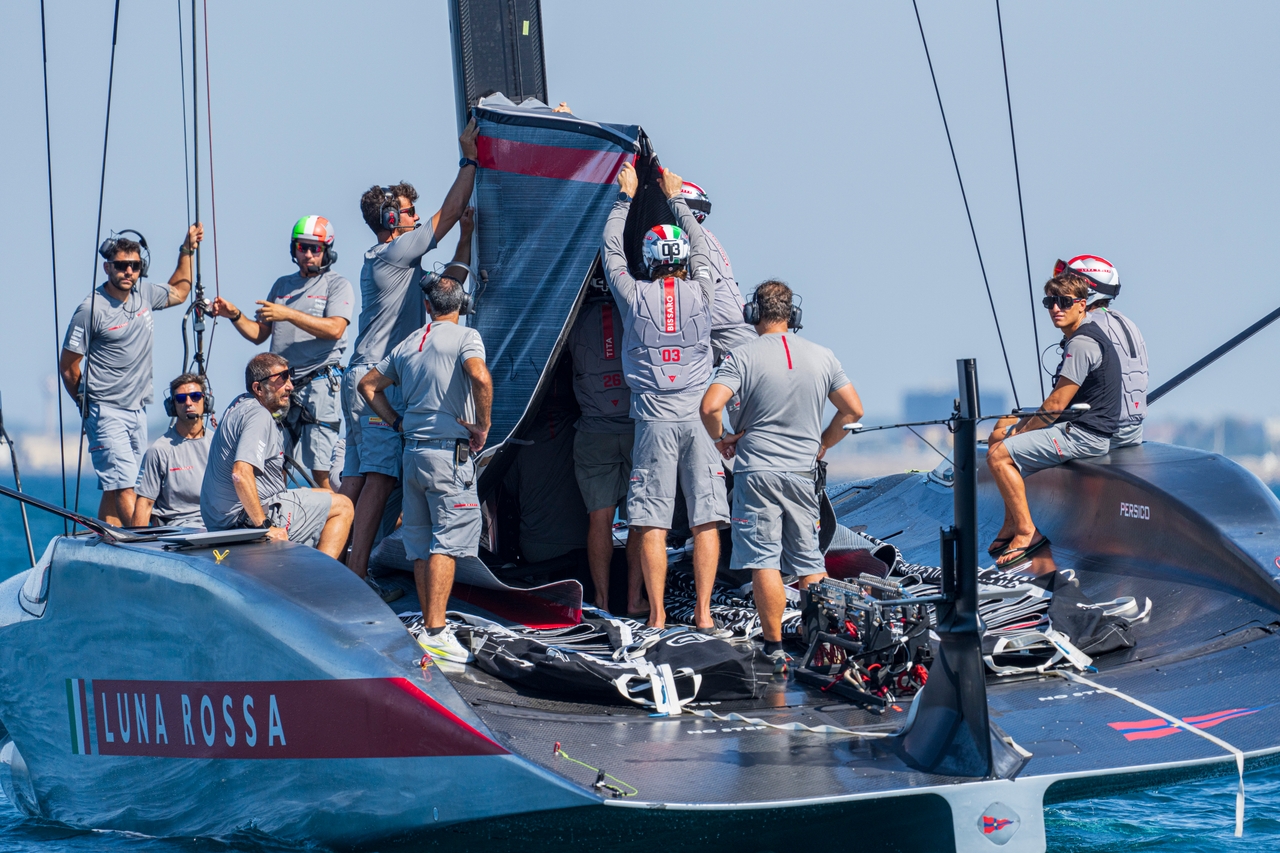
Tacks and gybes are where sophisticated sail control becomes particularly valuable. During a manoeuvre the AC75 is changing direction, transferring load between foils, changing apparent-wind angle and trying desperately not to lose speed. If they lose too much speed then the apparent wind decreases and if they lose speed, the foil lift decreases, running the risk of splashdown. Power may need to be increased at a particular moment to accelerate the boat out of the turn but too much power at the wrong moment can destabilise the platform.
Ivo Rovira / America’s Cup
THE REAL SECRET – REPEATABILITY
There is one final element that separates modern America's Cup trimming from almost every previous generation – and that is repeatability. It is not enough for a brilliant trimmer to occasionally discover a fast shape. The team needs to know why it was fast, record it and reproduce it and that means combining sailor feel with enormous quantities of data. Every adjustment is measured so that sail shape can be analysed, and precise loads can be recorded so that the boat speed, foil loading, heel, pitch, ride height and apparent wind can all be correlated. Over thousands of hours of simulation and sailing, teams build increasingly sophisticated models of which sail shapes work in which conditions and the sailor's job becomes partly one of executing those targets while recognising when the real world differs from the model.
It’s an endless conundrum.
Magnus Wheatley