WHAT’S GOING ON WITH THE JIB SYSTEMS ON ETNZ AND LUNA ROSSA?
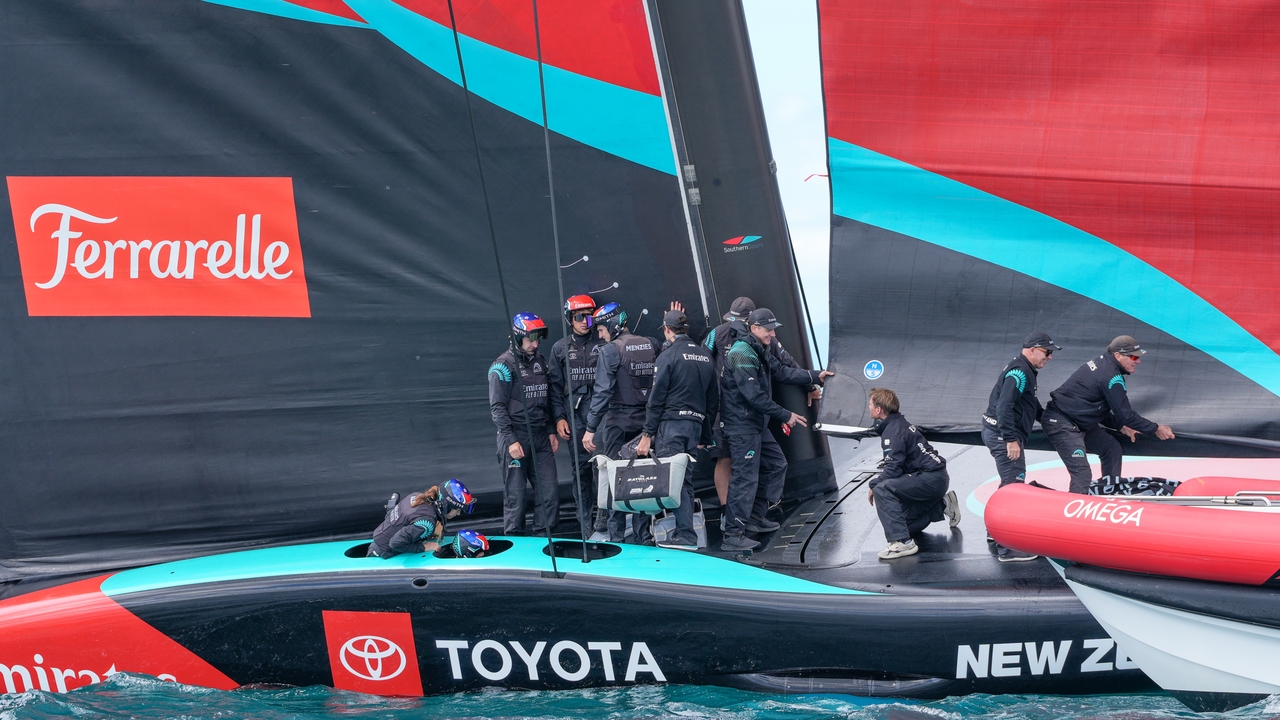
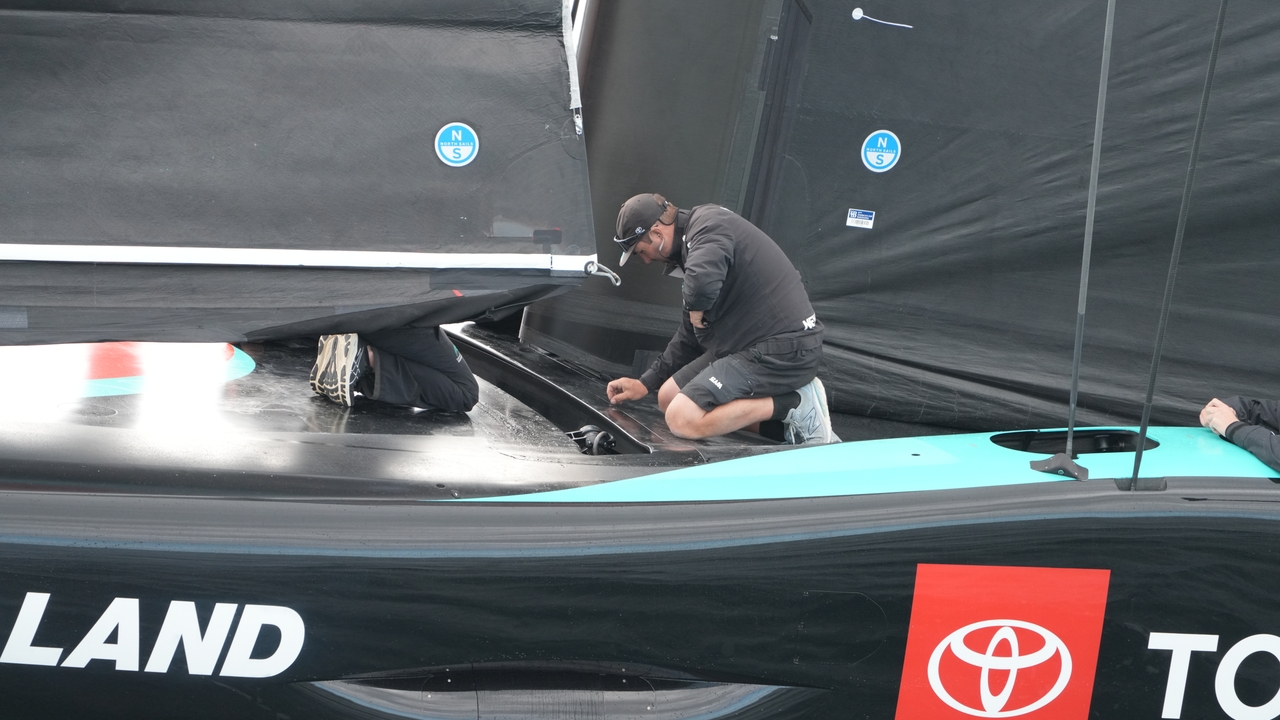
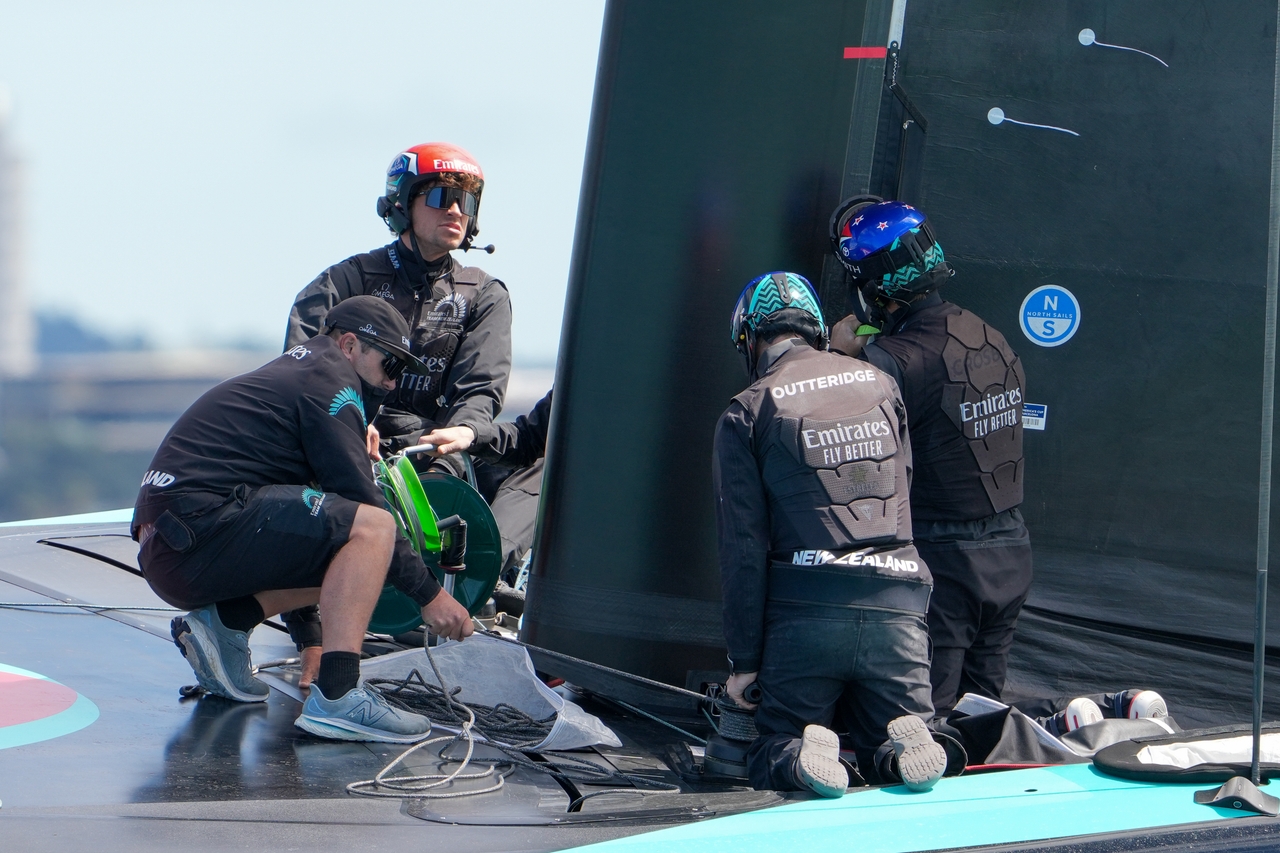
Over the past two days of training both Emirates Team New Zealand, training in Auckland, and Luna Rossa, training in Cagliari, have seen downtime due to unspecified and closely guarded jib system issues.
Sam Thom / America's Cup
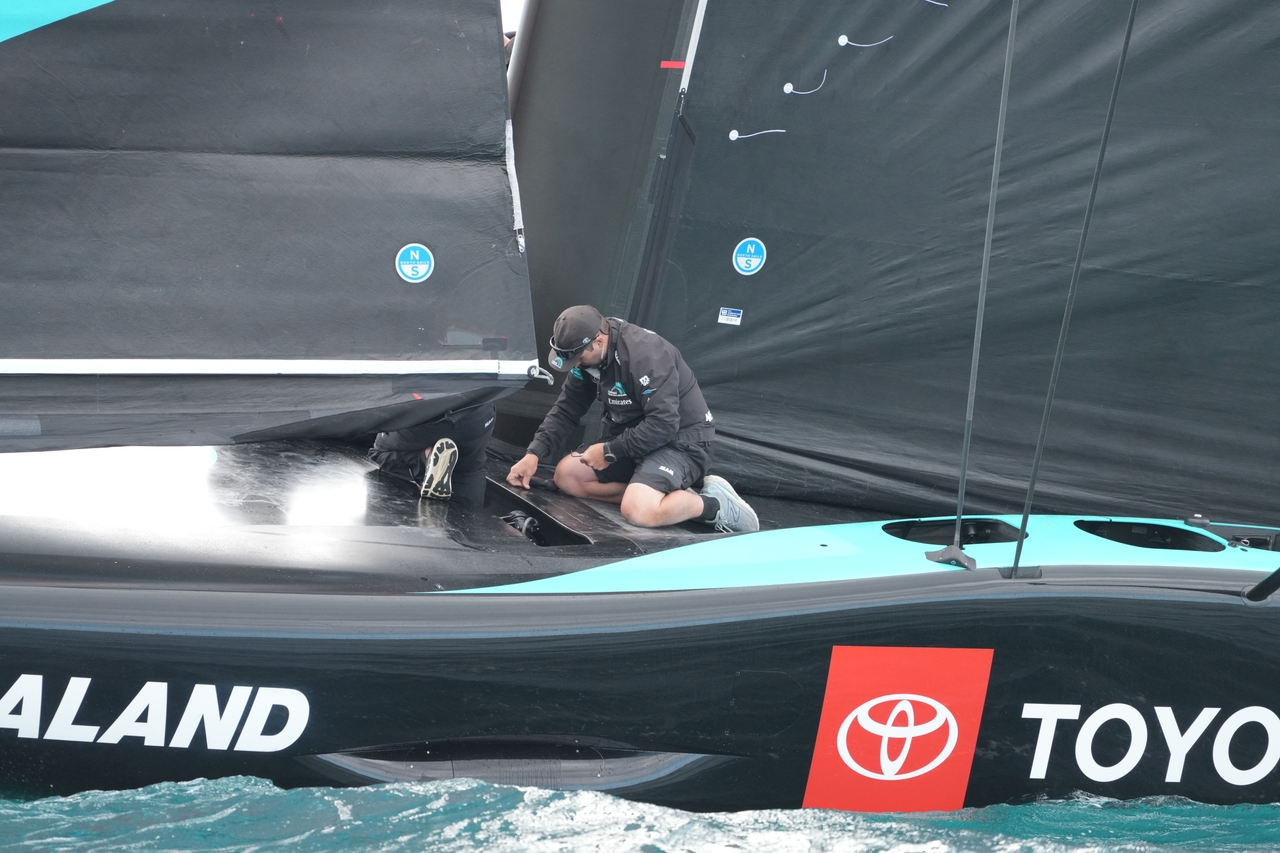
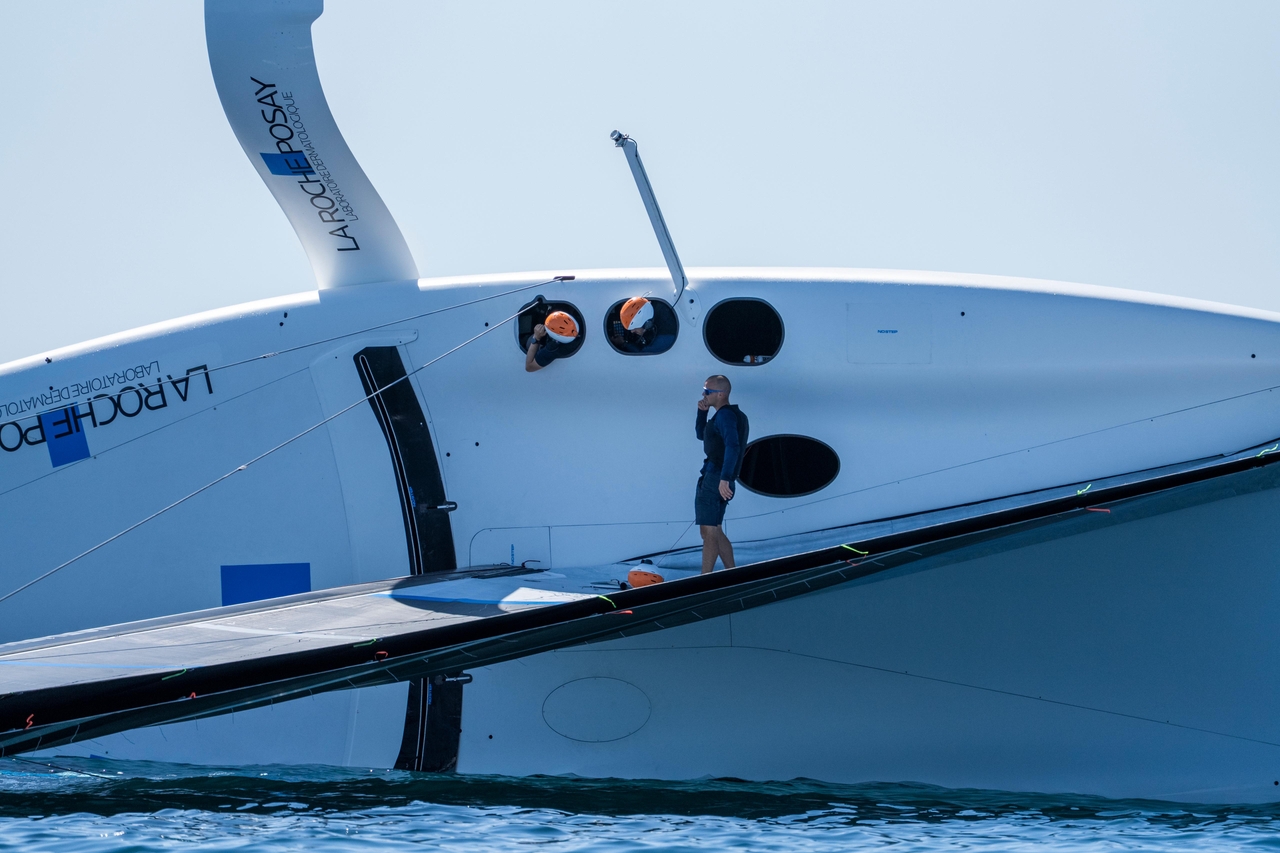
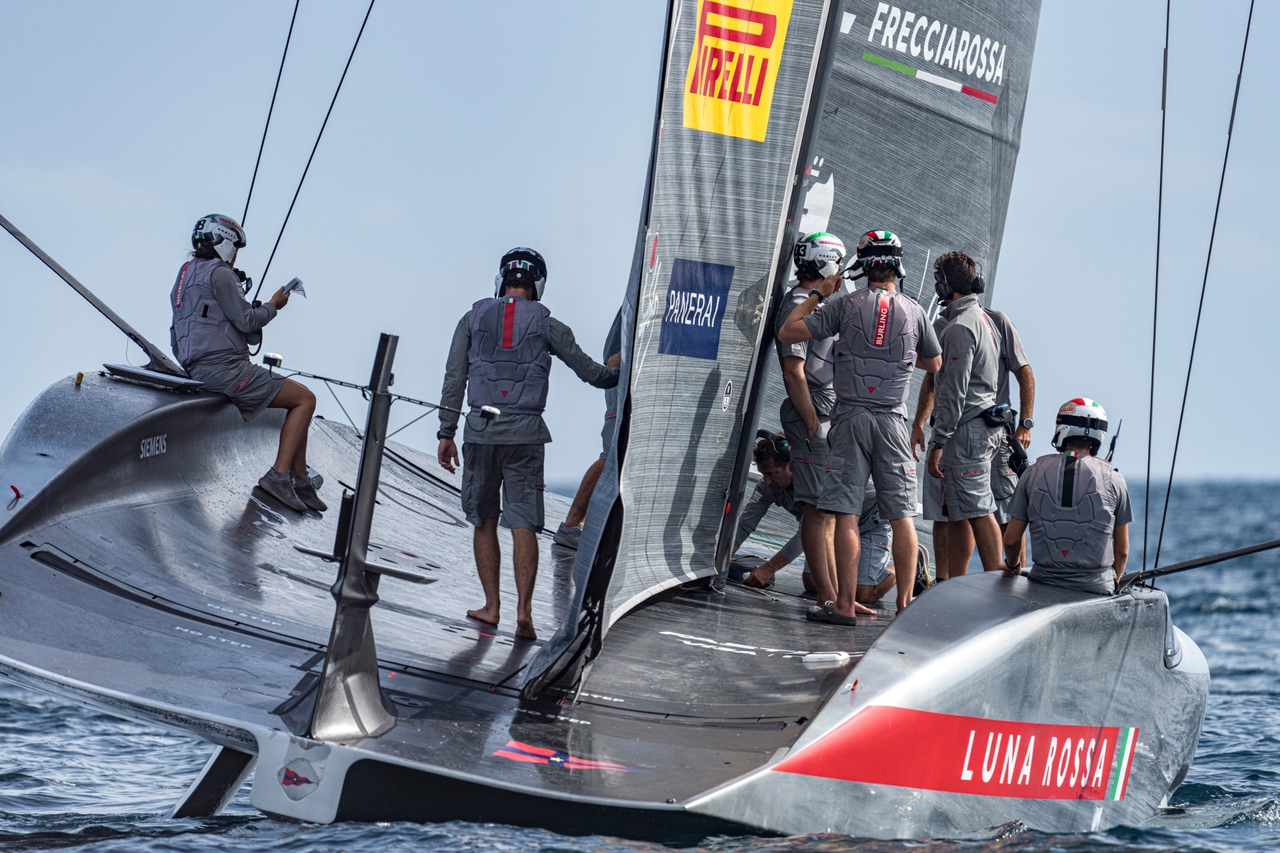
Yesterday in Auckland, the downtime was some 40 minutes for Taihoro compounding an issue from the day before that halted sailing almost as soon as it started for 15 minutes. The Recon Team following Luna Rossa meanwhile reported that “the boat suddenly stopped and crew members gathered around the jib track investigating inside the soft fairing.”
So what is going on?
Answers to direct questions are few and far between. The sailors will duck and dive around the issues, but what we do know from speaking with technicians and shore crew from the last America’s Cup in Barcelona in 2024 is that the jib traveller has always been an area of development on the AC75.
Sam Thom / America's Cup
In order to manage the huge loads and the ‘twist’ profile of the jibs, the AC75 has what is called a ‘3D traveller system’ which effectively allows for three-dimensions to be exerted on the sail at the clew via the traveller system (unlike any other boat) as follows:
Athwartships (inboard and outboard): Changes the jib's sheeting angle, allowing the crew to adjust how tightly the sail is sheeted towards the centreline. This affects pointing ability, the slot between jib and mainsail, and aerodynamic drag.
Fore and aft: Changes the effective jib-sheet lead angle, influencing the balance between foot tension and leech tension. This helps control the distribution of camber and twist.
Vertical (up and down): Changes the vertical component of sheet tension. Raising or lowering the effective lead can alter leech tension, twist and the upper sail's aerodynamic loading.
The traveller system delivering all this adjustment is a complex piece of engineering that is ultimately linked to hydraulic controls that in turn are linked to the Programmable Logic Controller (PLC) onboard the AC75. What all the teams are trying to find is the optimum sail shape for every condition and every variance of the yacht itself – ie pre foiling, mid take-off and at full, target, speed.
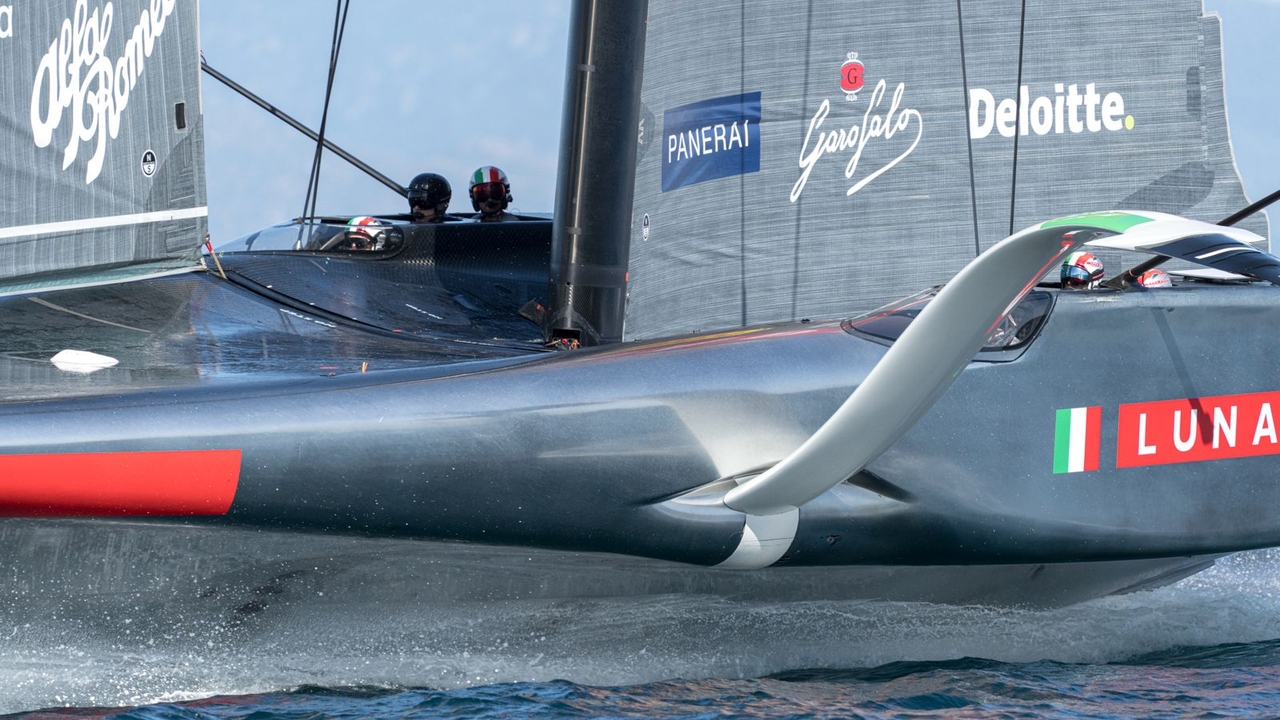
Also, the traveller systems are set into grooves beneath deck level to reduce aerodynamic drag. They are covered by combings that can be crafted from many different materials from rubber to neoprene to carbon sheeting. With so many adjustments being made by the trimmers and the pre-set controls, these fairings can wear or, in the worst case, sheer off as some technicians reported in the last Cup cycle during nosedives, but they are vital to the aero efficiency of the platform overall.
Ivo Rovira / America’s Cup
Whether Luna Rossa or ETNZ are experiencing fairing issues or problems with the actual 3D traveller is a guarded secret but with so much complexity, when we see technicians from the teams jumping onboard, we can guess that their issues are perhaps more complex than merely an aerodynamic feature.
The Recon Teams around the world will be watching this area of development closely and expect to see more technicians jumping onboard as the 3D system and its covering gets refined to the nth degree.
Magnus Wheatley